
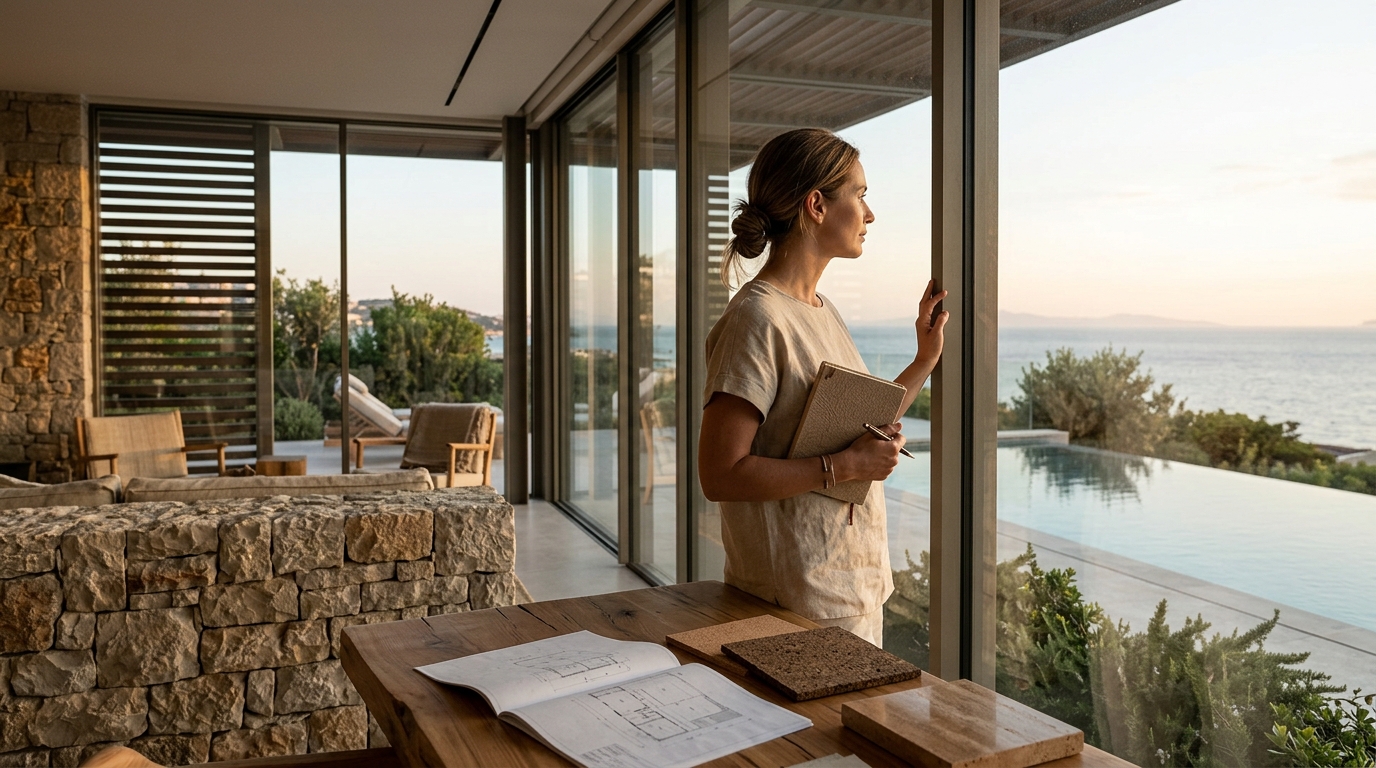
The global luxury real estate market is undergoing a fundamental transformation. According to recent industry reports, sustainable properties are commanding premium valuations and faster sales cycles compared to traditional high-end assets. This shift is not merely a trend but a structural change in how affluent buyers assess long-term value. The integration of environmental responsibility with architectural excellence has become a primary driver for investment decisions in 2026. Buyers now demand transparency regarding energy efficiency, material sourcing, and operational carbon footprints. This guide provides a rigorous framework for evaluating these critical components in luxury developments.
Step 1: Analyzing Energy Performance and Net Zero Goals
The foundation of any sustainable luxury property lies in its energy architecture. You must look beyond standard insulation values and examine the holistic energy strategy. A true sustainable development aims for Net Zero Energy status, where the amount of energy used equals the amount of renewable energy created on-site. This requires a detailed audit of the building envelope, HVAC systems, and renewable energy integration.
When evaluating a property, request the Energy Performance Certificate (EPC) or equivalent regional standard. Look for properties that utilize passive design principles, such as optimal orientation for natural light and cross-ventilation. These features reduce reliance on mechanical systems. According to data from the International Energy Agency, buildings that integrate passive design can reduce heating and cooling loads by up to 50 percent. This reduction directly translates to lower operational costs and a smaller carbon footprint.
Net Zero Energy Buildings are not just a theoretical concept. They represent the current benchmark for high-performance construction. Developers who prioritize this standard demonstrate a commitment to long-term asset resilience. You should verify the specific renewable technologies installed, such as photovoltaic arrays or geothermal heat pumps. The efficiency of these systems determines the property's ability to maintain comfort during extreme weather events.
Step 2: Verifying Green Building Certifications
Certifications provide an objective third-party validation of a property's sustainability claims. Without these credentials, marketing materials can be misleading. The most rigorous standards include LEED, BREEAM, and WELL. Each certification focuses on different aspects of building performance and human health.
LEED Platinum is the highest level of certification under the Leadership in Energy and Environmental Design framework. It evaluates sustainable site development, water savings, energy efficiency, and materials selection. Achieving this level requires extensive documentation and rigorous testing. For instance, the first LEED Platinum residential project in Greece set a new benchmark for the region, proving that high-end design can coexist with environmental integrity.
BREEAM, or Building Research Establishment Environmental Assessment Method, is widely recognized in Europe. It places a strong emphasis on biodiversity and ecological impact. WELL certification, on the other hand, focuses exclusively on the health and well-being of occupants. It addresses air quality, light, nutrition, and mental health. A property that holds multiple certifications demonstrates a comprehensive approach to sustainability. This multi-layered verification is crucial for luxury buyers who demand proof of performance.
Step 3: Assessing Material Sourcing and Lifecycle
The environmental impact of a building begins with its materials. Luxury does not require virgin resources extracted through destructive practices. Instead, sustainable luxury utilizes low-carbon, recycled, and locally sourced materials. You must investigate the supply chain of the finishes, structural elements, and fixtures.
Embodied carbon is the total greenhouse gas emissions generated during the manufacturing, transport, and installation of building materials. High-quality sustainable developments minimize this metric by using timber from certified forests or recycled steel. According to the World Green Building Council, the construction industry accounts for a significant percentage of global carbon emissions. Reducing embodied carbon is therefore critical for climate mitigation.
Material longevity is another key factor. Sustainable luxury prioritizes durability over temporary aesthetics. Materials that resist wear, weathering, and decay reduce the need for frequent replacements. This approach aligns with the philosophy of minimal, clean architectural lines that endure over time. When reviewing a property, ask for the material passport. This document details the composition of every component, facilitating future recycling or repurposing. This transparency ensures that the building remains a valuable asset rather than a future waste liability.
Step 4: Evaluating Water Management Systems
Water scarcity is a growing concern in many luxury destinations. Sustainable properties must demonstrate advanced water stewardship. This includes both conservation and management of stormwater runoff. You should examine the plumbing fixtures, irrigation systems, and wastewater treatment capabilities.
High-efficiency fixtures reduce water consumption without compromising the luxury experience. Low-flow faucets and dual-flush toilets are standard, but advanced systems go further. Greywater recycling systems treat water from sinks and showers for use in irrigation or toilet flushing. This closed-loop approach significantly reduces the demand on municipal water supplies.
Stormwater management is equally important. Sustainable landscapes utilize permeable paving and rain gardens to absorb runoff. This prevents flooding and reduces the burden on local drainage infrastructure. According to environmental reports, effective stormwater management can reduce runoff volume by up to 40 percent in urban areas. This protection preserves the integrity of the surrounding ecosystem and the property itself.
Step 5: Reviewing Smart Home Integration
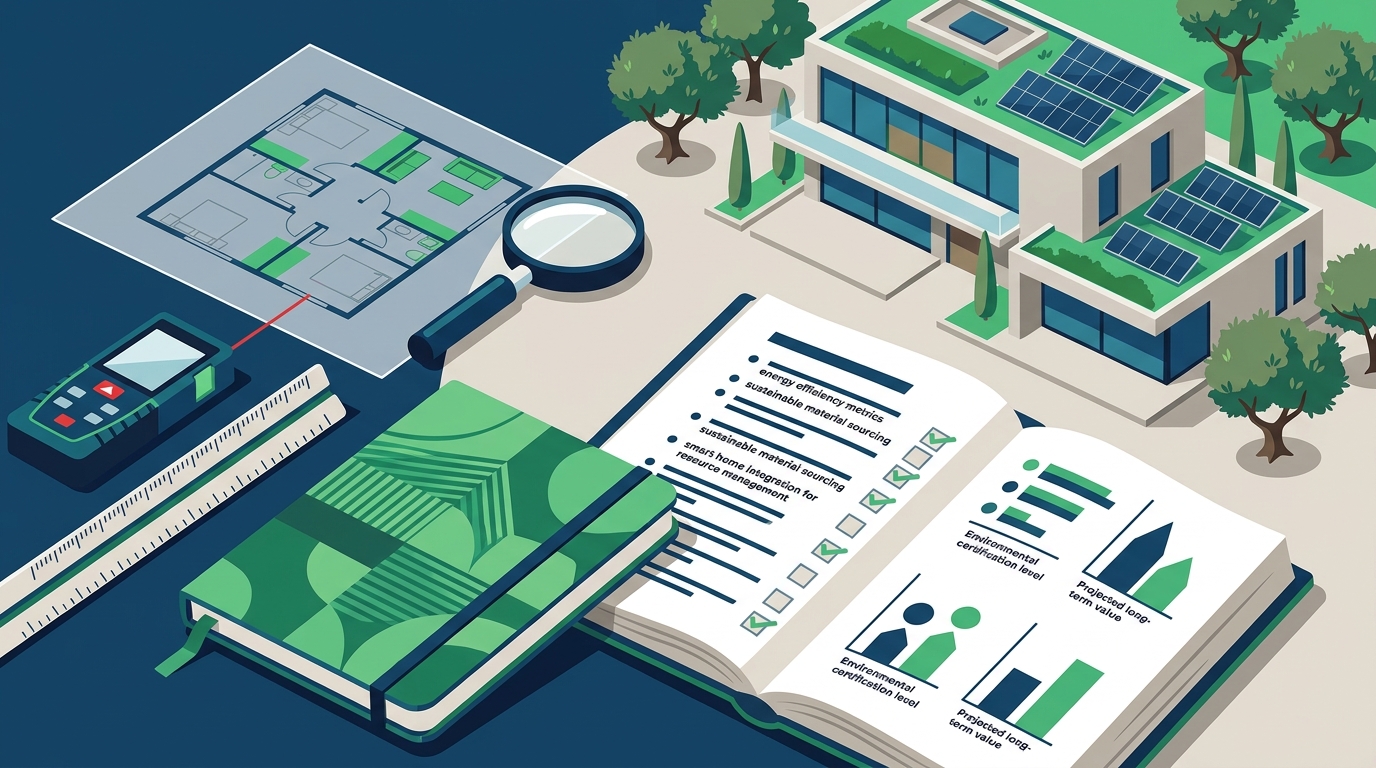
Technology is the nervous system of a sustainable home. Smart home systems optimize energy and resource use in real-time. They allow occupants to monitor and control lighting, heating, cooling, and security from a centralized interface. This level of control ensures that resources are not wasted when spaces are unoccupied.
Advanced sensors detect occupancy and adjust environmental conditions accordingly. For example, lights turn off when a room is empty, and thermostats adjust based on weather forecasts. This automation reduces human error and maximizes efficiency. The integration of these systems requires careful planning to ensure interoperability and data security.
Furthermore, smart technology supports predictive maintenance. Systems can alert owners to potential issues before they become costly repairs. This proactive approach extends the lifespan of building components. It also enhances the overall user experience by providing seamless control over the living environment. For the modern luxury buyer, this technological sophistication is a non-negotiable feature of a high-performance home.
Comparison of Sustainability Metrics
Understanding the differences between various sustainability frameworks helps in making an informed decision. The table below outlines the primary focus areas of the most common certifications and standards.
| Metric / Standard | Primary Focus | Key Benefit for Luxury Buyers | Verification Level |
|---|---|---|---|
| LEED Platinum | Energy efficiency, materials, water | Global recognition of high performance | Rigorous third-party audit |
| BREEAM | Biodiversity, ecology, management | Strong environmental impact assessment | Independent assessment |
| WELL | Human health, air, light, comfort | Enhanced occupant well-being | Performance testing |
| Net Zero Energy | Energy balance, renewables | Minimal operational costs | Utility data analysis |
Key Takeaways
- Sustainable luxury properties command higher valuations and faster sales in 2026.
- Net Zero Energy Buildings represent the gold standard for operational efficiency.
- LEED Platinum certification requires rigorous documentation and testing.
- Embodied carbon is a critical metric for assessing material impact.
- Greywater recycling systems significantly reduce municipal water demand.
- Smart home integration enables real-time resource optimization.
- ECLÉDE focuses on creating high-performance, environmentally responsible developments.
Frequently Asked Questions
What is the most important certification for luxury real estate?
LEED Platinum is widely regarded as the most prestigious certification for high-performance buildings. It provides comprehensive validation of energy, water, and material sustainability.
How does smart home technology reduce energy consumption?
Smart systems automate lighting and climate control based on occupancy and weather data. This prevents waste and ensures optimal efficiency at all times.
What is embodied carbon in construction?
Embodied carbon is the total greenhouse gas emissions from manufacturing, transporting, and installing building materials. It is a key factor in the environmental impact of a property.
Why is water management critical in luxury homes?
Luxury homes often have high water usage for landscaping and amenities. Advanced management systems like greywater recycling reduce this impact and ensure resilience against scarcity.
Can sustainable features increase property value?
Yes, sustainable features are increasingly linked to higher resale values. Buyers are willing to pay a premium for lower operating costs and future-proofed assets.
What is the role of passive design in sustainability?
Passive design uses natural elements like sunlight and wind to regulate temperature. It reduces the need for mechanical heating and cooling systems.
How do I verify a developer's sustainability claims?
Request third-party certifications and energy performance reports. Look for specific data on energy generation and material sourcing rather than general marketing statements.
Contact ECLÉDE for Sustainable Development
ECLÉDE specializes in creating high-end, environmentally responsible developments that redefine modern living. Our approach balances architectural excellence with long-term investment value. We are committed to energy-efficient, future-focused construction that enhances human experience and environmental harmony. If you are looking for a property that meets the highest standards of sustainability and luxury, we invite you to explore our portfolio. Visit our portfolio page to see our latest projects. For more information on our development philosophy, read about our founder's vision. Contact us today to discuss your requirements for a sustainable luxury home. Reach out via our contact page to schedule a consultation.