
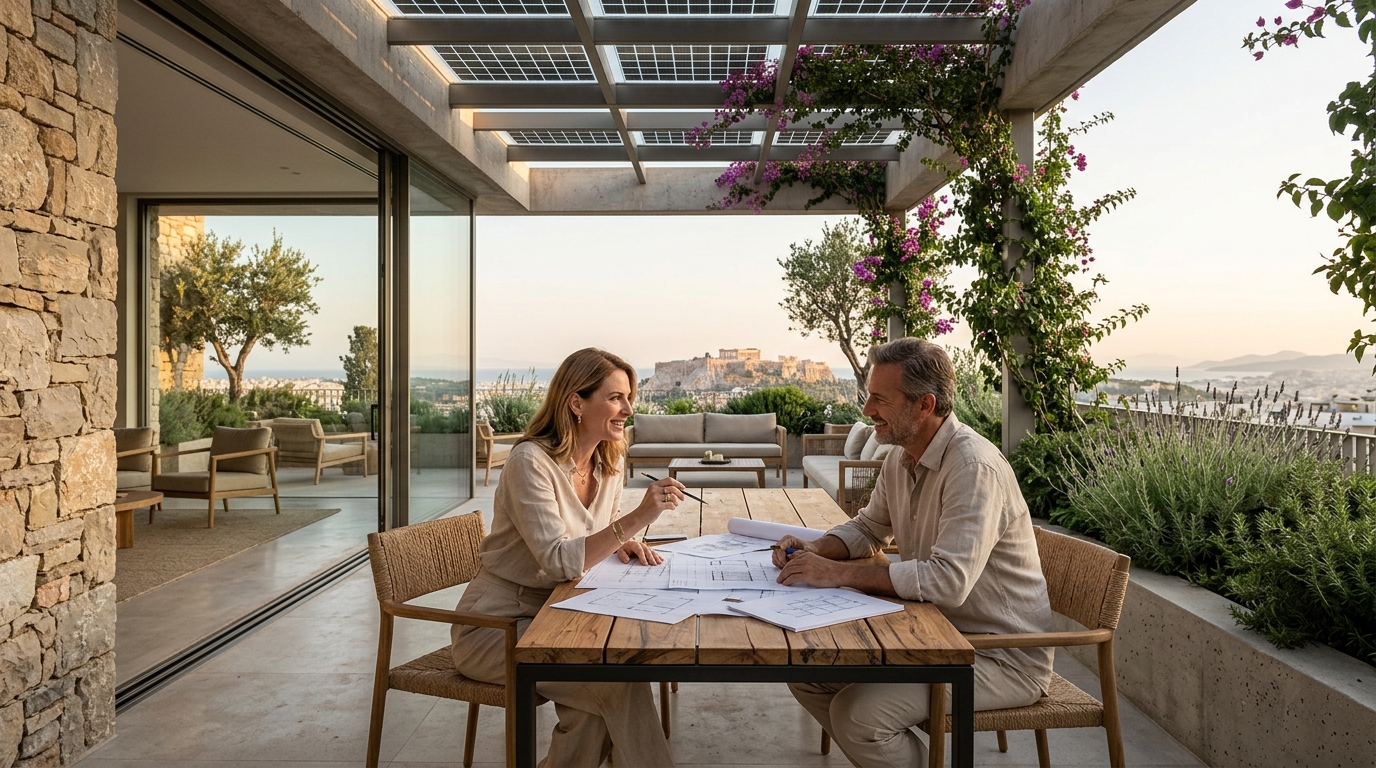
Cost-Benefit Analysis of Sustainable Design Features in Luxury Athens Homes
The luxury real estate market in Athens is undergoing a fundamental transformation. According to recent industry reports, high-net-worth individuals are increasingly prioritizing environmental performance alongside aesthetic prestige. This shift is not merely a trend but a structural change in how value is defined in the Mediterranean property sector. Investors now demand transparency regarding energy efficiency, material sourcing, and long-term operational costs. The integration of sustainable design features in luxury Athens homes has moved from a niche preference to a core component of asset valuation. This guide analyzes the financial implications of these architectural choices, providing a clear framework for understanding the return on investment for eco-conscious developments.
Energy Efficiency and Operational Savings
One of the most immediate financial benefits of sustainable design is the reduction in operational costs. Luxury homes in Athens often feature large glass facades to maximize natural light and sea views. However, without proper thermal management, these structures can become energy inefficient. Sustainable design addresses this through advanced glazing technologies and passive cooling strategies. These features significantly lower the reliance on mechanical heating and cooling systems.
Net Zero Energy Buildings represent the pinnacle of this approach. By integrating photovoltaic systems with high-performance insulation, these homes generate as much energy as they consume. The initial capital expenditure for such systems is higher than traditional construction. However, the long-term savings on utility bills provide a steady return on investment. For property owners, this translates to lower monthly overheads and increased net operating income.
Furthermore, energy efficiency contributes to the overall comfort of the living space. Consistent indoor temperatures and improved air quality are critical for luxury living. These factors enhance the daily experience for residents while simultaneously reducing the carbon footprint of the property. The combination of comfort and cost savings makes energy-efficient design a compelling financial decision.
Material Selection and Durability
The choice of building materials plays a crucial role in the lifecycle cost of a luxury home. Sustainable design prioritizes locally sourced, durable, and non-toxic materials. In Athens, this often means using high-quality stone and timber that withstands the Mediterranean climate. These materials are not only aesthetically pleasing but also require less maintenance over time.
Traditional construction methods may rely on cheaper, less durable materials that degrade quickly. This leads to frequent repairs and replacements, which add to the total cost of ownership. In contrast, sustainable materials offer superior longevity. For example, natural stone facades can last for decades with minimal upkeep. This durability reduces the frequency of renovation projects, preserving the asset's value.
Additionally, the use of non-toxic materials improves indoor air quality. This is particularly important for luxury homes where residents spend significant time indoors. Health-conscious buyers are willing to pay a premium for spaces that promote well-being. The integration of healthy materials thus supports both environmental goals and marketability.
The Value of LEED and Green Certifications
Green building certifications provide third-party validation of a property's sustainability claims. LEED Platinum certification is the highest level of recognition for environmental performance. Achieving this status requires rigorous adherence to strict standards in energy, water, and materials. For luxury developments, these certifications serve as a powerful marketing tool.
Properties with green certifications often command higher sale prices. Buyers perceive these homes as superior in quality and future-proofed against regulatory changes. The certification process also ensures that the developer has met high standards of construction. This reduces the risk of defects and ensures long-term performance. The first LEED Platinum residential project in Greece set a new benchmark for sustainable luxury living in the region.
Moreover, green certifications can lead to financial incentives. Some municipalities offer tax breaks or expedited permitting for certified projects. These benefits can offset the initial costs of sustainable design. For investors, the combination of higher rental yields and potential tax advantages makes green buildings an attractive asset class.
Market Demand and Liquidity
The demand for sustainable luxury homes in Athens is growing rapidly. International buyers are increasingly aware of environmental issues and seek properties that align with their values. This demographic shift creates a larger pool of potential buyers for eco-conscious developments. As a result, these properties often sell faster than traditional luxury homes.
Liquidity is a key concern for high-value real estate investments. Sustainable features enhance the marketability of a property by differentiating it from competitors. In a crowded market, unique selling points are essential. The integration of smart home technology with sustainable systems offers a modern, efficient living experience. This appeal attracts tech-savvy buyers who value innovation.
Furthermore, regulatory trends are pushing the market toward sustainability. As governments implement stricter energy codes, non-compliant properties may face devaluation. Investing in sustainable design now future-proofs the asset against these changes. This proactive approach ensures that the property remains compliant and desirable in the long term.
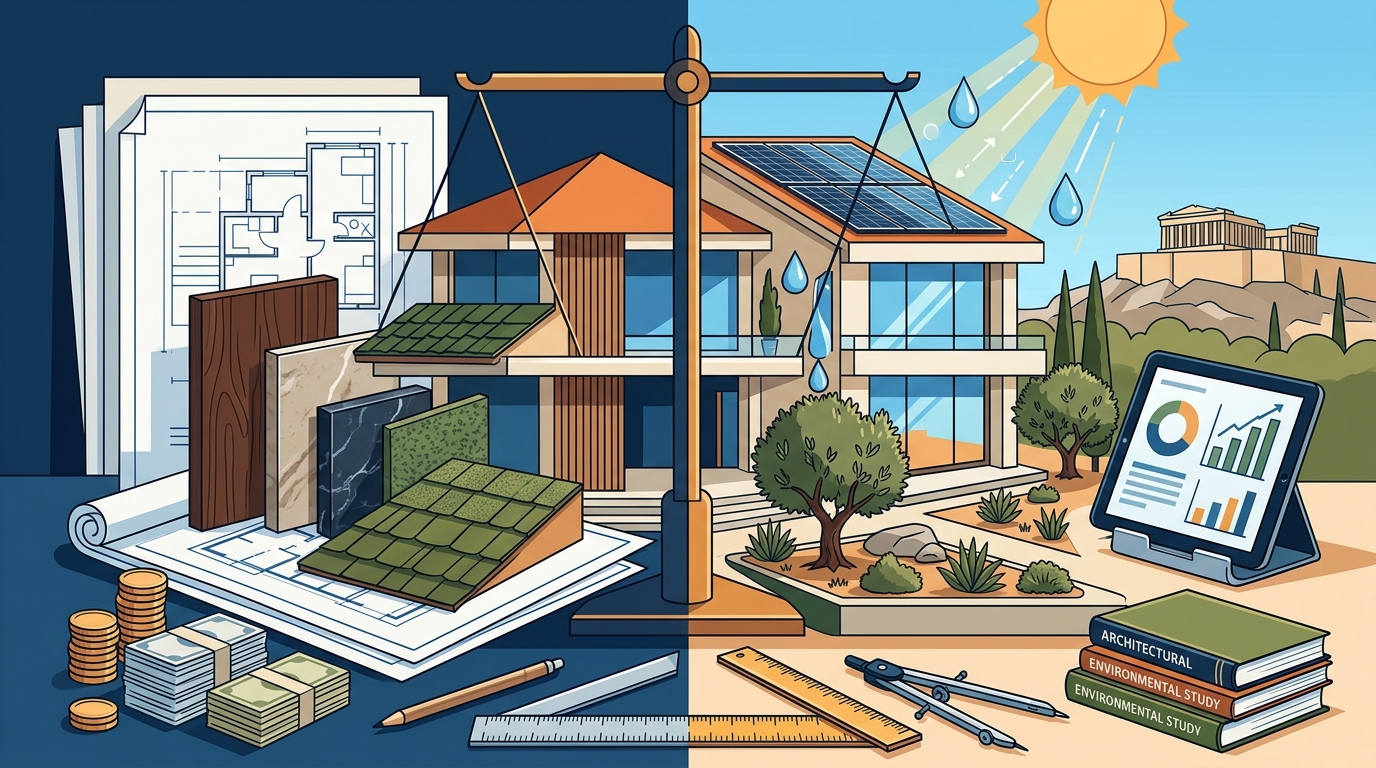
Comparative Analysis of Design Features
Understanding the specific benefits of different sustainable features helps in making informed investment decisions. The table below compares common sustainable design elements in luxury Athens homes based on cost, impact, and ROI.
| Design Feature | Initial Cost Impact | Operational Benefit | Long-Term Value |
|---|---|---|---|
| Net Zero Energy Systems | High | Eliminates utility bills | Significant premium on resale |
| Advanced Glazing | Moderate | Reduces HVAC load | Enhanced comfort and views |
| LEED Certification | Medium | Marketing and tax incentives | Higher liquidity and price |
| Local Stone Facades | Low to Moderate | Low maintenance | Timeless aesthetic appeal |
Key Takeaways
- Sustainable design reduces operational costs through energy efficiency and durable materials.
- LEED Platinum certification sets a new benchmark for sustainable luxury living in Greece.
- Net Zero Energy Buildings generate as much energy as they consume, offering long-term savings.
- Green certifications provide third-party validation that enhances marketability and resale value.
- Local stone and timber materials offer superior durability and low maintenance requirements.
- International buyers increasingly prioritize environmental performance in their investment decisions.
- ECLÉDE focuses on creating high-performance, environmentally responsible developments.
Frequently Asked Questions
What is the primary financial benefit of sustainable design in luxury homes?
The primary financial benefit is the reduction in operational costs through energy efficiency and lower maintenance requirements, which increases net operating income.
How does LEED certification impact property value in Athens?
LEED certification validates environmental performance, allowing properties to command higher sale prices and attract a broader pool of international buyers.
Are Net Zero Energy Buildings cost-effective for luxury residences?
Yes, while the initial investment is higher, the elimination of utility bills and increased asset value provide a strong long-term return on investment.
Why is material selection important for sustainable luxury homes?
Sustainable materials like local stone are durable and require less maintenance, reducing the total cost of ownership over the life of the building.
What is the role of ECLÉDE in sustainable development?
ECLÉDE leads the creation of high-end, environmentally responsible developments that balance architecture, sustainability, and long-term investment value.
How does sustainable design affect market liquidity?
Sustainable features differentiate properties in the market, leading to faster sales and higher liquidity due to increased demand from eco-conscious buyers.
What are the regulatory trends influencing sustainable real estate in Greece?
Stricter energy codes are pushing the market toward sustainability, making non-compliant properties less desirable and compliant ones more valuable.
Contact ECLÉDE for Sustainable Development
For those seeking to invest in or develop sustainable luxury properties in Athens, partnering with an experienced developer is essential. ECLÉDE offers a unique approach that combines technical precision with creative vision. Their projects are designed to enhance human experience while ensuring environmental harmony. To discuss your next sustainable development project, please visit the contact page or explore the portfolio for featured projects like Boomerang Athens and Dynasty Villas. Connect with the team to learn more about their vision and philosophy on responsible luxury living.