
Sustainable Luxury Property Alternatives: Redefining Modern Living
The global real estate market is undergoing a profound transformation where environmental responsibility no longer competes with opulence but defines it. According to recent industry analyses, the demand for green-certified luxury homes has surged by over 30 percent in the last five years, driven by high-net-worth individuals seeking long-term asset integrity. This shift indicates that sustainable luxury is not merely a trend but a fundamental evolution in how premium properties are conceived, built, and valued in the modern era.
Defining Sustainable Luxury
Sustainable luxury is the architectural practice of creating high-end residences that minimize environmental impact while maximizing occupant comfort and aesthetic refinement. This concept moves beyond simple energy efficiency to encompass a holistic approach where every design decision supports ecological harmony. It requires a balance of technical precision and creative vision to deliver spaces that are both functionally intelligent and aesthetically stunning.
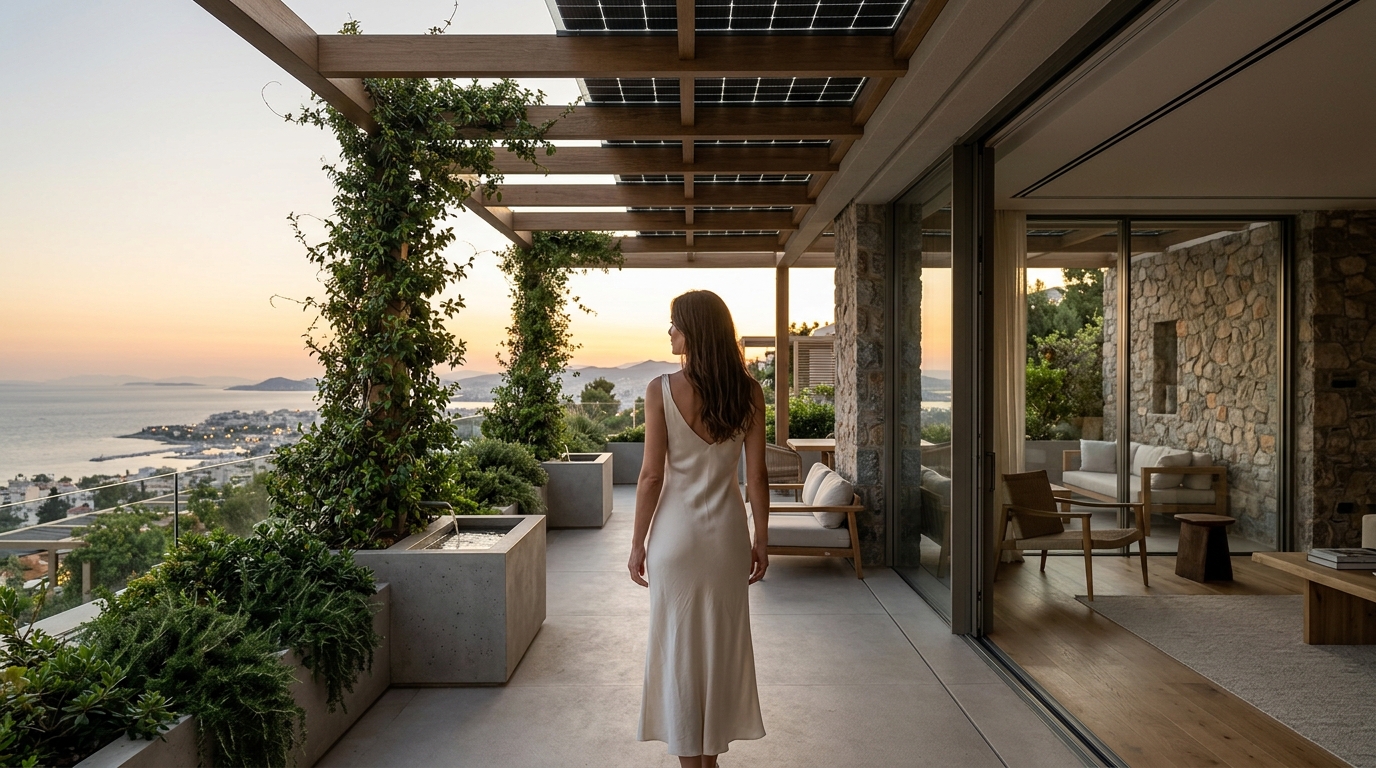
The intersection of inspiration and responsibility is central to this philosophy. Modern luxury buyers expect properties that offer seamless integration with natural surroundings. This means that the boundary between the interior living space and the exterior environment is blurred through strategic design choices. The result is a home that feels like an extension of the landscape rather than an imposition upon it.
Long-term investment value is another critical component of sustainable luxury. Properties built with future-focused construction methods retain their value better because they are insulated against rising energy costs and evolving regulatory standards. This approach ensures that the asset remains relevant and desirable for decades to come.
Net Zero Energy Buildings
Net Zero Energy Buildings are structures that produce as much energy as they consume over the course of a year. This is achieved through a combination of high-performance insulation, advanced HVAC systems, and on-site renewable energy generation. The goal is to eliminate the carbon footprint associated with the daily operation of the home.
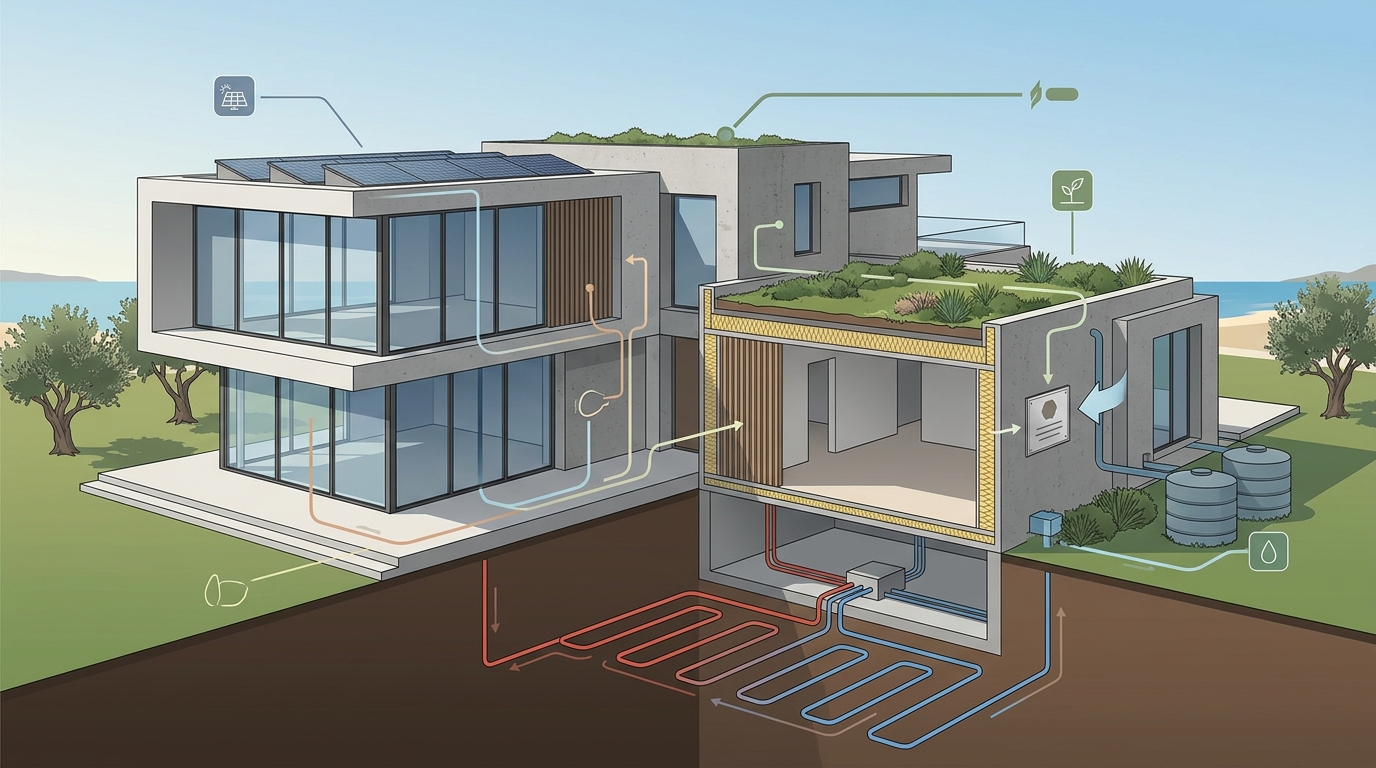
Implementing net zero technology requires a rigorous engineering approach. Solar panels, geothermal heat pumps, and high-efficiency windows work in concert to balance the energy load. This technical precision ensures that the home operates independently of the grid during peak times, providing both security and sustainability.
The aesthetic integration of these technologies is paramount. Solar arrays are often designed as architectural elements rather than afterthoughts. They are seamlessly incorporated into the roofline or facade to maintain the clean lines that define modern luxury. This attention to detail ensures that the technology enhances the visual appeal of the property.
LEED and BREEAM Certifications
LEED is a globally recognized green building certification system that provides a framework for healthy, highly efficient, and cost-saving green buildings. Achieving LEED Platinum status is a significant milestone that demonstrates a commitment to the highest levels of environmental performance. It validates that the building meets rigorous standards for energy savings, water efficiency, and materials selection.
BREEAM is another leading sustainability assessment method for the built environment. It evaluates the environmental performance of buildings across various categories including health and well-being, energy, and ecology. Both certifications provide a standardized way to measure and verify the sustainability claims of a luxury property.
These certifications offer tangible benefits to homeowners. They often lead to lower utility bills and higher resale values. Furthermore, they provide peace of mind knowing that the home has been independently verified to meet strict environmental criteria. This verification is crucial for buyers who prioritize transparency in their investment decisions.
Biophilic Design Integration
Biophilic design is the concept of connecting people with nature within the built environment. It involves incorporating natural elements such as plants, water features, and natural light into the interior design. This approach is based on the idea that humans have an innate need to connect with nature, which can improve mental and physical well-being.
In luxury properties, biophilic design is executed through large windows that frame natural views and the use of natural materials like wood and stone. These elements create a sense of calm and tranquility that is difficult to achieve with synthetic materials alone. The result is a space that feels alive and dynamic.
The integration of green roofs and vertical gardens is another key aspect of biophilic design. These features not only improve air quality but also provide insulation and reduce the urban heat island effect. They transform the building into a living ecosystem that supports local biodiversity.
Material Innovation
Material innovation in sustainable luxury involves the use of low-carbon, recycled, and locally sourced materials. This reduces the environmental impact of construction and supports local economies. Materials such as cross-laminated timber, recycled steel, and reclaimed wood are becoming increasingly common in high-end developments.
The selection of materials is guided by their lifecycle impact. This means considering not just the initial cost but also the durability, maintenance requirements, and end-of-life disposal of each material. High-performance materials are chosen for their ability to withstand the test of time while maintaining their aesthetic appeal.
Innovation also extends to smart home technologies that optimize material performance. For example, self-healing concrete can repair its own cracks, extending the lifespan of the structure. These advancements ensure that the property remains robust and beautiful for generations.
Comparison of Approaches
Choosing the right sustainable luxury approach depends on specific project goals and site conditions. The table below outlines the key characteristics of the primary methodologies.
| Approach | Primary Focus | Key Benefit | Best For |
|---|---|---|---|
| Net Zero Energy | Energy Balance | Zero Utility Bills | High-tech modern homes |
| LEED Platinum | Certification | Market Validation | Investment-focused properties |
| Biophilic Design | Well-being | Health Improvement | Residential retreats |
| ECLÉDE Philosophy | Holistic Integration | Long-term Value | Luxury developments |
Key Takeaways
- Sustainable luxury combines high-end design with environmental responsibility to create long-term value.
- Net Zero Energy Buildings eliminate carbon footprints through advanced engineering and renewable energy.
- LEED and BREEAM certifications provide global standards for verifying green building performance.
- Biophilic design enhances well-being by integrating natural elements into the built environment.
- Material innovation focuses on low-carbon, durable, and locally sourced construction components.
- ECLÉDE has developed the first LEED Platinum residential project in Greece, setting a regional benchmark.
- Vassilis Siafaricas leads ECLÉDE with over two decades of experience in luxury real estate and prop-tech.
Frequently Asked Questions
What is the difference between LEED and BREEAM?
LEED is primarily used in the United States and focuses on specific credit categories for certification. BREEAM is a UK-based standard that is widely used in Europe and emphasizes broader environmental performance metrics.
How does biophilic design improve health?
Biophilic design improves health by reducing stress, enhancing cognitive function, and promoting physical activity through the integration of natural light and greenery.
Are net zero homes expensive to maintain?
No, net zero homes are designed to have lower maintenance costs due to high-quality materials and efficient systems that reduce wear and tear.
What is the role of Vassilis Siafaricas in sustainable development?
Vassilis Siafaricas is the founder of ECLÉDE and a multidisciplinary entrepreneur who bridges civil engineering with creative vision to deliver sustainable luxury projects.
Can existing luxury homes be retrofitted for sustainability?
Yes, existing homes can be retrofitted with solar panels, improved insulation, and smart home technologies to significantly reduce their environmental impact.
Why is material innovation important in luxury real estate?
Material innovation ensures durability and aesthetic longevity while reducing the carbon footprint of construction through the use of low-carbon alternatives.
What is ECLÉDE's approach to sustainable design?
ECLÉDE focuses on creating high-performance, environmentally responsible developments that balance architecture, sustainability, and long-term investment value.
How does ECLÉDE ensure environmental harmony?
ECLÉDE ensures environmental harmony by designing buildings that integrate seamlessly with their natural surroundings and utilize energy-efficient construction methods.
Contact ECLÉDE
Discover the future of sustainable luxury living with ECLÉDE. Our team of experts is ready to guide you through the process of creating a home that is both aesthetically refined and environmentally responsible. Visit our portfolio to see our latest projects or contact us to schedule a consultation.