
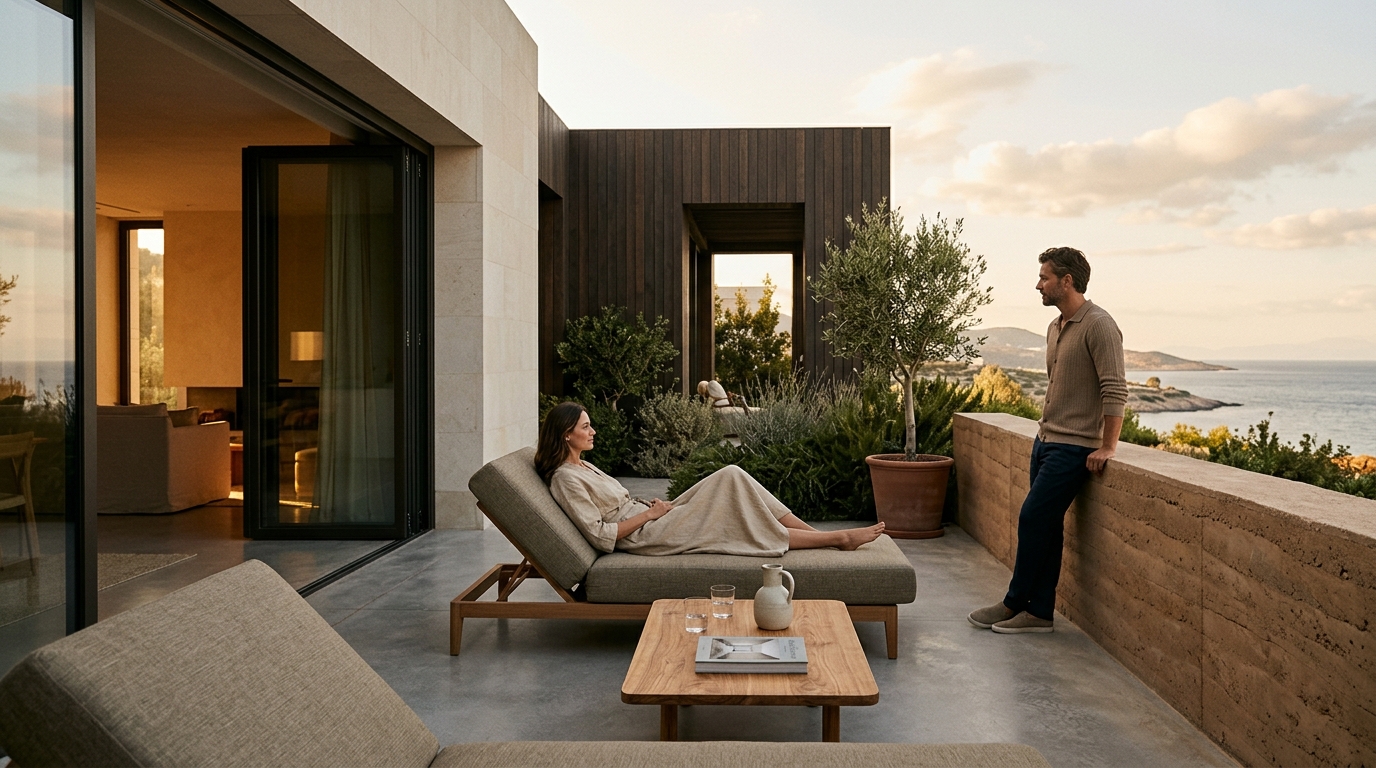
The global shift toward eco-conscious architecture is no longer a niche trend but a fundamental redefinition of luxury. According to recent industry analyses, the market for green building materials is projected to grow at a compound annual growth rate exceeding 10% through 2030, driven by high-net-worth individuals seeking both environmental integrity and long-term asset value. This evolution demands a departure from traditional opulence toward spaces that harmonize technical precision with ecological responsibility. For investors and homeowners, understanding the available alternatives is critical to making informed decisions that align with both aesthetic desires and planetary stewardship.
Defining Sustainable Luxury
Sustainable luxury is not merely about adding solar panels to a traditional structure. It represents a holistic philosophy where environmental responsibility is woven into the very fabric of the design. This approach prioritizes energy efficiency, material sourcing, and long-term durability over short-term visual impact. The core tenet is that true luxury lies in health, comfort, and resilience, rather than just exclusivity. By integrating advanced engineering with minimalist aesthetics, developers can create spaces that reduce carbon footprints while enhancing human well-being. This paradigm shift requires a multidisciplinary approach that bridges civil engineering, architecture, and investment strategy.
At the heart of this movement is the belief that design should enhance both human experience and environmental harmony. This perspective challenges the conventional notion that high-end living must come at a high environmental cost. Instead, it offers a new standard where every element, from insulation to water systems, is optimized for performance. The result is a property that serves as a long-term asset with purpose, identity, and environmental integrity. For those seeking alternatives to traditional luxury, this definition provides a clear roadmap for evaluating potential developments.
Net Zero Energy Buildings
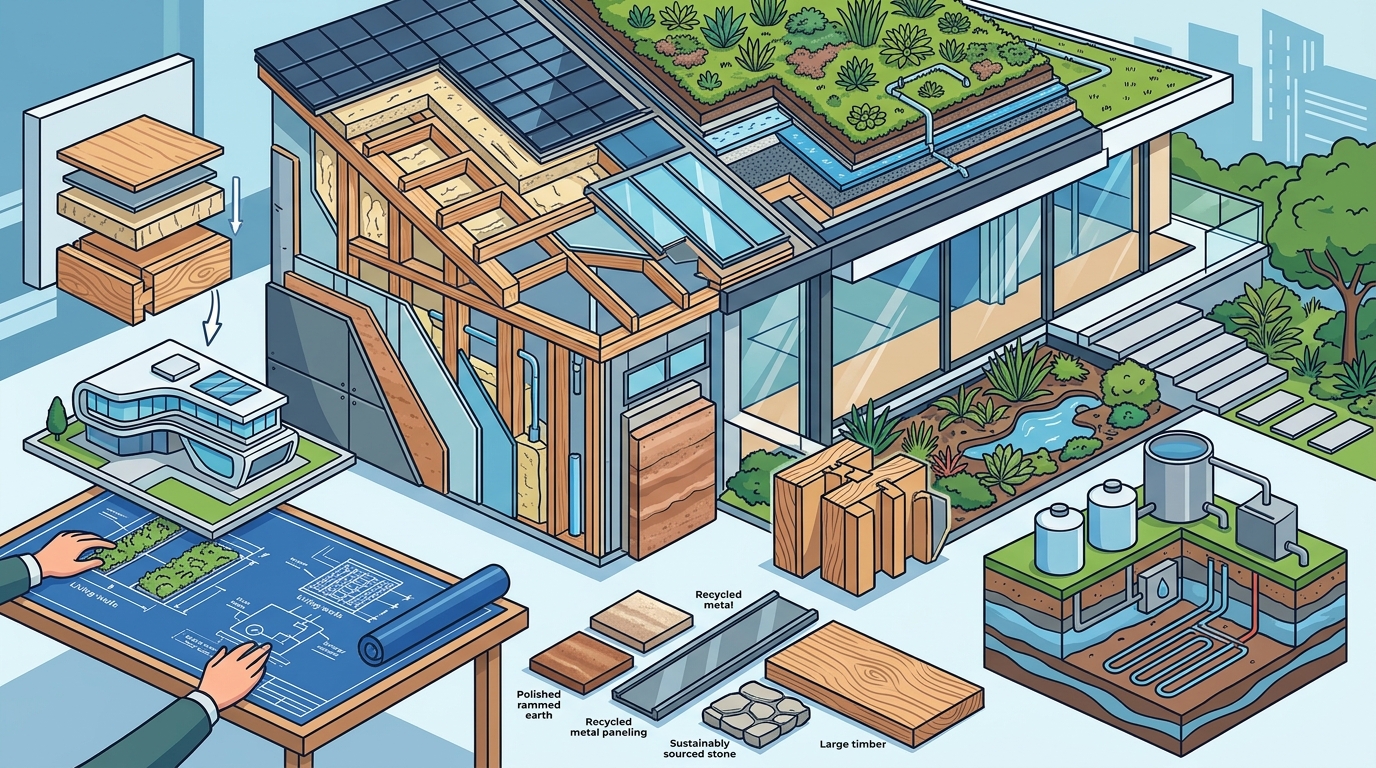
Net Zero Energy Buildings (NZEBs) represent the pinnacle of energy-efficient construction. These structures produce as much energy as they consume over the course of a year, effectively eliminating their operational carbon footprint. Achieving this status requires a rigorous combination of passive design strategies and active renewable energy systems. Passive strategies include optimal building orientation, high-performance glazing, and superior thermal insulation to minimize heating and cooling loads. Active systems typically involve rooftop solar arrays, geothermal heat pumps, and advanced energy management software.
The appeal of NZEBs for luxury buyers lies in their independence from volatile energy markets and their contribution to global climate goals. These buildings often feature smart home technologies that optimize energy use in real time, ensuring maximum efficiency without compromising comfort. The initial investment is higher than conventional builds, but the long-term savings on utility bills and the increased property value make them a financially sound alternative. Furthermore, NZEBs are increasingly becoming a regulatory requirement in many progressive jurisdictions, making them a future-proof investment. For more insights into the technical specifications of such developments, you can explore the portfolio of high-performance projects that exemplify this standard.
LEED Platinum Certification
LEED Platinum Certification is the highest level of recognition for green building excellence. It is awarded by the U.S. Green Building Council to projects that meet rigorous criteria across categories such as sustainable sites, water efficiency, energy and atmosphere, materials and resources, and indoor environmental quality. Achieving this certification requires a comprehensive documentation process that verifies every aspect of the building's environmental performance. It serves as a globally recognized benchmark for sustainability, providing assurance to buyers that the property meets the highest industry standards.
The significance of LEED Platinum cannot be overstated in the luxury market. It signals a commitment to quality and innovation that transcends mere aesthetics. Properties with this certification often command higher resale values and attract a discerning clientele who prioritize health and sustainability. For instance, the first LEED Platinum residential project in Greece set a new benchmark for sustainable luxury living in the region, demonstrating that high-end design and environmental responsibility can coexist. This achievement highlights the potential for regional markets to adopt global best practices. To understand the impact of such certifications on property value, review the awards and recognitions associated with certified developments.
Biophilic Design Integration
Biophilic design is the practice of connecting building occupants more closely to nature. It is based on the hypothesis that humans have an innate tendency to seek connections with nature and other forms of life. In luxury real estate, this translates to the use of natural materials, living walls, abundant natural light, and views of greenery. The goal is to create spaces that reduce stress, enhance creativity, and improve overall well-being. This approach moves beyond simple decoration to integrate ecological systems into the building's structure and function.
Implementing biophilic design requires careful planning to ensure that natural elements are not just added but are integral to the building's performance. This might include using locally sourced stone and timber, incorporating rainwater harvesting systems for irrigation, and designing layouts that maximize daylight penetration. The result is a living environment that feels both expansive and intimate, offering a sanctuary from the urban hustle. For those interested in the philosophical underpinnings of this approach, the founder's vision provides a deep dive into the intersection of inspiration and functionality. This method of design is particularly effective in high-density urban areas, where access to nature is often limited.
Comparing Development Approaches
When evaluating alternatives for sustainable luxury properties, it is essential to compare the distinct advantages of each approach. The table below outlines the key characteristics of Net Zero Energy, LEED Platinum, and Biophilic Design strategies.
| Approach | Primary Focus | Key Benefit | Best For |
|---|---|---|---|
| Net Zero Energy | Energy Independence | Lower operational costs | Long-term investment stability |
| LEED Platinum | Comprehensive Sustainability | Global certification prestige | Market differentiation |
| Biophilic Design | Human Well-being | Enhanced health and comfort | Urban luxury sanctuaries |
Each approach offers unique value propositions. Net Zero Energy is ideal for those prioritizing financial efficiency and environmental impact. LEED Platinum suits buyers seeking verified, globally recognized standards of excellence. Biophilic Design appeals to those who value psychological well-being and a deep connection to the natural world. Often, the most compelling luxury properties integrate elements from all three, creating a synergistic effect that elevates the living experience. For a detailed look at how these elements are combined in practice, explore the Boomerang Athens project which exemplifies this integrated methodology.
Key Takeaways
- Sustainable luxury is defined by the intersection of inspiration, functionality, and responsibility.
- Net Zero Energy Buildings eliminate operational carbon footprints through advanced engineering.
- LEED Platinum certification provides a globally recognized benchmark for green building excellence.
- Biophilic design enhances human well-being by integrating natural elements into architecture.
- The first LEED Platinum residential project in Greece set a new regional benchmark.
- ECLÉDE focuses on creating high-performance, environmentally responsible developments.
- Vassilis Siafaricas leads the creation of developments that balance architecture and sustainability.
Frequently Asked Questions
What is the primary difference between Net Zero Energy and LEED Platinum?
Net Zero Energy focuses specifically on balancing energy consumption with renewable energy production. LEED Platinum is a broader certification that evaluates multiple criteria including water efficiency, materials, and indoor air quality, in addition to energy performance.
How does biophilic design improve property value?
Biophilic design improves property value by enhancing the health and well-being of occupants, which is increasingly valued by luxury buyers. It also differentiates the property in the market through unique aesthetic and functional features.
Is sustainable luxury more expensive than traditional luxury?
While the initial construction costs can be higher, sustainable luxury properties often offer lower long-term operational costs and higher resale values due to their durability and efficiency.
What role does technology play in sustainable luxury?
Technology enables the integration of smart systems that optimize energy use, monitor environmental conditions, and enhance security, ensuring that sustainability goals are met without compromising convenience.
Can existing properties be retrofitted to meet sustainable standards?
Yes, many existing properties can be retrofitted with high-performance insulation, energy-efficient windows, and renewable energy systems to significantly improve their sustainability profile.
Why is local material sourcing important in sustainable development?
Local material sourcing reduces the carbon footprint associated with transportation and supports the local economy, while also ensuring that materials are suited to the regional climate.
What is the significance of the German Design Awards 2026?
Winning the German Design Awards 2026 signifies international recognition for excellence in innovation and sustainability, highlighting the global impact of forward-thinking design.
How does ECLÉDE approach sustainability in its projects?
ECLÉDE approaches sustainability holistically, ensuring that each project enhances both human experience and environmental harmony through meticulous design and engineering.
Contact ECLÉDE
For those seeking a sustainable luxury property that redefines modern living, ECLÉDE offers a unique alternative. With a focus on high-end, environmentally responsible developments, the company bridges technical precision with creative vision. To discuss your specific requirements and explore potential opportunities, please visit the contact page or reach out directly to the team in Athens or New York. Discover how sustainable design can elevate your investment and lifestyle.