
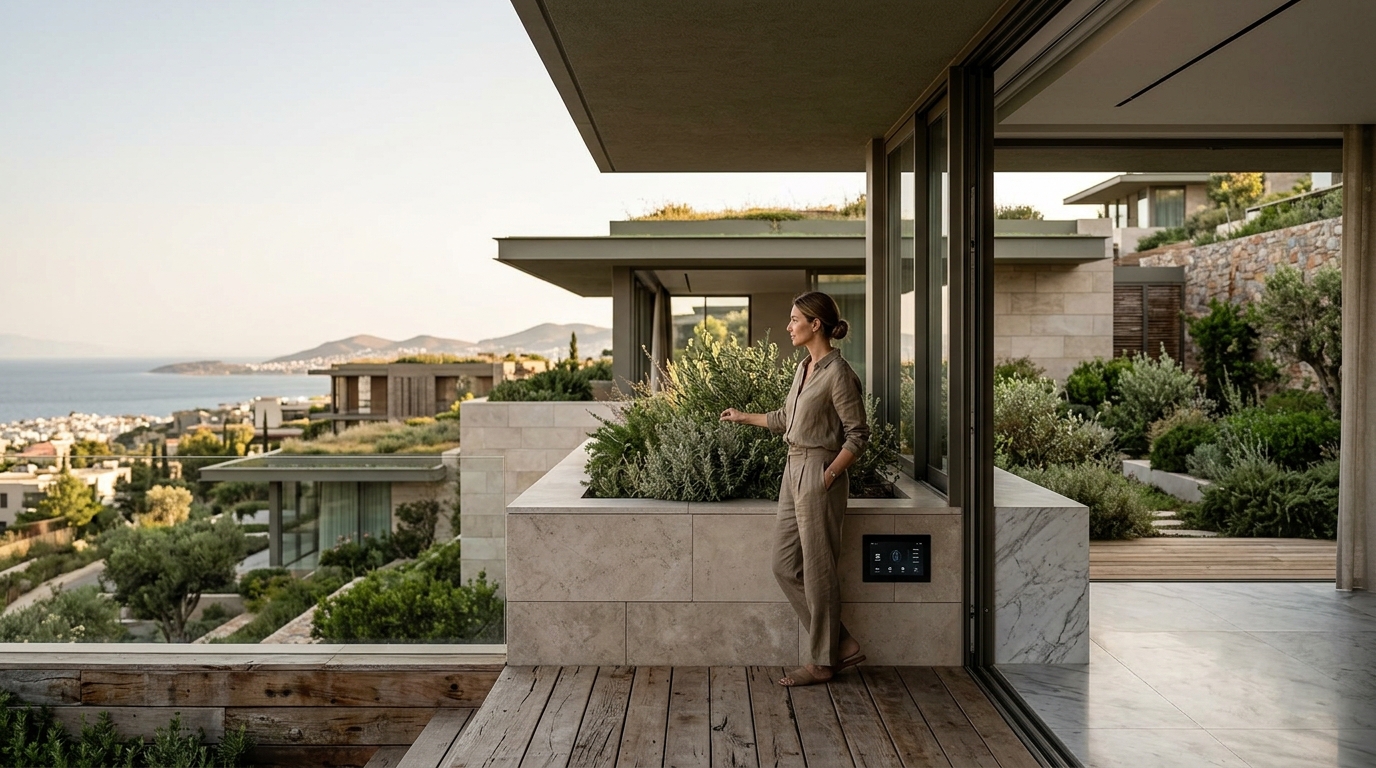
The global shift toward environmentally responsible construction has redefined the luxury real estate market. According to recent industry analyses, sustainable buildings now command a premium of up to 7% over traditional properties in major metropolitan areas. This data shows that eco-conscious design is no longer a niche preference but a core component of high-value asset management. Buyers today expect properties that offer both aesthetic refinement and operational efficiency. The intersection of architectural precision and environmental stewardship creates long-term investment value. This guide outlines the critical features that distinguish truly sustainable luxury developments from standard greenwashing efforts.
Energy Efficiency and Net Zero Standards
At the heart of sustainable luxury is the pursuit of energy independence. Net Zero Energy Buildings are structures that produce as much energy as they consume over the course of a year. This standard requires a holistic approach to design, starting with the building envelope. High-performance insulation and triple-glazed windows minimize thermal loss, reducing the load on heating and cooling systems.
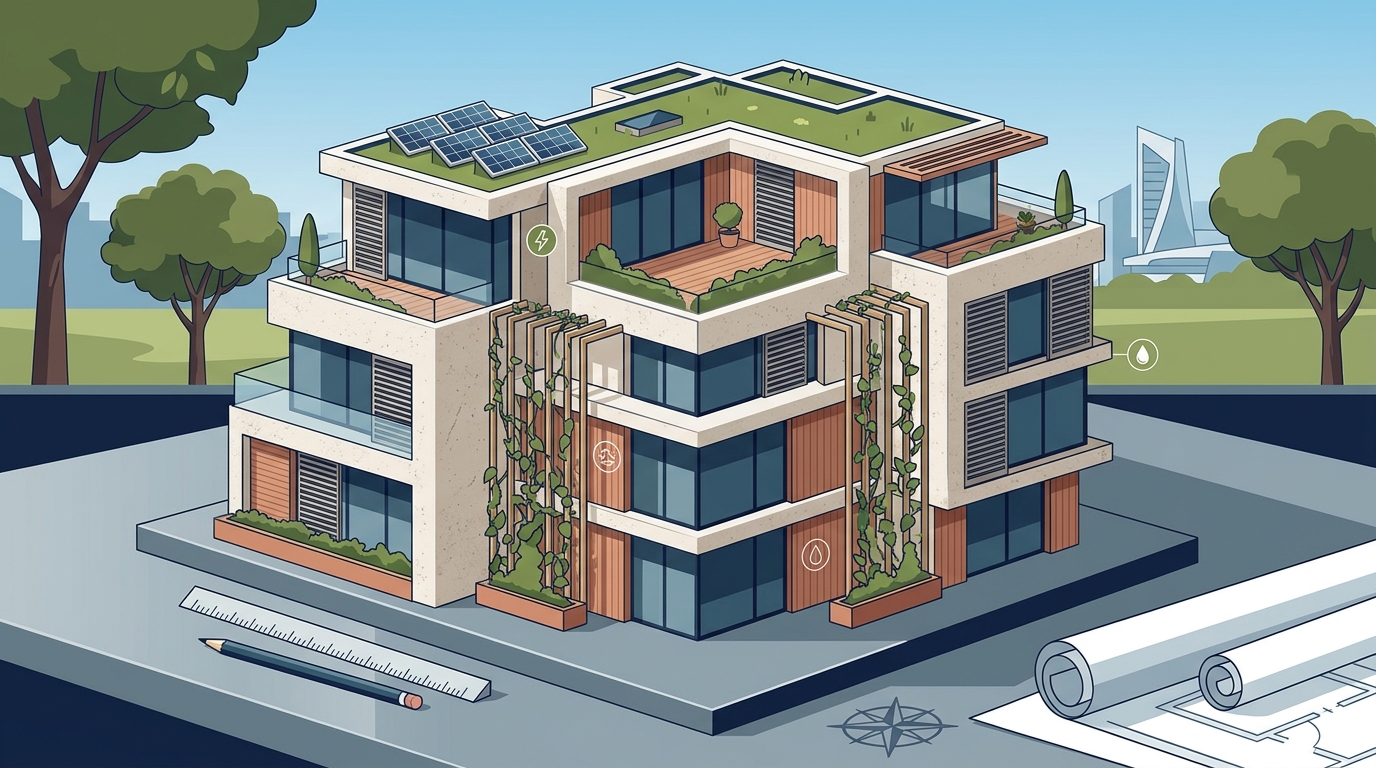
Renewable energy integration is the next critical layer. Solar photovoltaic arrays, often concealed within roofing materials or integrated into architectural facades, provide clean power. Geothermal heat pumps utilize the stable temperature of the earth to regulate indoor climates with minimal electricity usage. These systems are not merely add-ons but are woven into the structural DNA of the property.
The philosophy behind this approach is that design must balance inspiration with functionality and responsibility. By prioritizing passive design strategies, such as optimal orientation and natural ventilation, developers can significantly reduce operational costs. This results in a living space that is both aesthetically refined and economically intelligent. For more insights on this philosophy, visit the founder's profile at ECLÉDE.
Material Selection and Indoor Air Quality
Luxury is often associated with rare and exotic materials, but sustainable luxury redefines this through transparency and health. Indoor Air Quality refers to the air quality within and around buildings, particularly as it relates to the health and comfort of occupants. High-end properties achieve this by using low-VOC (Volatile Organic Compounds) paints, adhesives, and sealants.
Material sourcing is equally important. Reclaimed wood, recycled steel, and rapidly renewable resources like bamboo reduce the carbon footprint of construction. These materials offer unique aesthetic textures that cannot be replicated by synthetic alternatives. They also contribute to the building's thermal mass, helping to stabilize indoor temperatures.
Furthermore, the integration of natural elements enhances well-being. Biophilic design principles incorporate living walls, natural light wells, and organic forms to connect occupants with nature. This connection is not just psychological but physiological, reducing stress and improving cognitive function. The result is a home that feels alive and responsive to its inhabitants. Explore the portfolio to see these principles in action.
Advanced Water Management Systems
Water scarcity is a growing concern in many luxury destinations. Sustainable properties address this through comprehensive water management strategies. Greywater Recycling is the process of collecting and treating wastewater from sinks, showers, and laundry for reuse in irrigation and toilet flushing. This system can reduce potable water usage by up to 40%.
Rainwater harvesting is another critical component. Large-scale collection systems store rainwater for landscape irrigation and pool refilling. This reduces the strain on municipal water supplies and lowers utility bills. In regions with heavy rainfall, these systems are essential for preventing runoff and erosion.
Landscaping plays a vital role in water conservation. Xeriscaping, which uses drought-tolerant native plants, eliminates the need for excessive irrigation. Permeable paving materials allow rainwater to infiltrate the soil, recharging groundwater tables. These features demonstrate a commitment to environmental harmony that extends beyond the property boundaries. Learn more about our approach in the news section.
Smart Home Integration for Sustainability
Technology is the enabler of sustainable luxury. Smart Home Systems integrate lighting, climate control, and security into a unified platform. These systems use sensors and algorithms to optimize energy usage in real-time. For example, occupancy sensors can turn off lights and adjust HVAC settings in unoccupied rooms.
Energy monitoring dashboards provide homeowners with detailed insights into their consumption patterns. This transparency encourages behavioral changes that further reduce waste. Automated blinds can adjust based on solar gain, keeping interiors cool during peak heat hours without mechanical cooling.
The integration of these technologies requires precision engineering. Seamless connectivity ensures that systems communicate effectively without compromising security or privacy. This level of sophistication is a hallmark of modern luxury. It transforms a house into a responsive, intelligent environment. Discover the technical details of our projects on the useful links page.
Navigating Green Certifications
Third-party certifications provide validation for sustainable claims. LEED Platinum is the highest level of certification awarded by the U.S. Green Building Council. It recognizes exceptional performance in areas such as energy efficiency, water savings, and materials selection. Achieving this status requires rigorous documentation and verification.
Other notable certifications include BREEAM, WELL, and Passive House. Each has its own criteria and focus areas. Passive House, for instance, emphasizes extreme energy efficiency through airtight construction and heat recovery ventilation. BREEAM is widely used in Europe and focuses on a broader range of environmental impacts.
Understanding these certifications helps buyers evaluate the true sustainability of a property. It moves the conversation beyond marketing slogans to measurable performance. ECLÉDE has led the development of the first LEED Platinum residential project in Greece, setting a new benchmark for the region. See the awards page for recognition of these efforts.
Key Takeaways
- Net Zero Energy Buildings produce as much energy as they consume, ensuring long-term operational efficiency.
- High-performance building envelopes, including triple-glazed windows, are critical for minimizing thermal loss.
- Indoor Air Quality is maintained through low-VOC materials and biophilic design principles.
- Greywater recycling systems can reduce potable water usage by up to 40% in luxury residences.
- LEED Platinum certification represents the highest standard for sustainable building performance globally.
- Smart home integration optimizes energy use through real-time monitoring and automated controls.
- ECLÉDE has pioneered sustainable luxury in Greece with the first LEED Platinum residential project.
Frequently Asked Questions
What is the difference between LEED and BREEAM certifications?
LEED is primarily focused on energy efficiency and indoor environmental quality, while BREEAM covers a broader range of environmental impacts including ecology and pollution. Both are globally recognized standards for sustainable building.
How much can smart home systems reduce energy bills?
Smart home systems can reduce energy bills by 10% to 30% depending on the level of automation and the efficiency of the underlying HVAC and lighting infrastructure.
What is greywater recycling?
Greywater recycling is the process of collecting wastewater from sinks, showers, and laundry for reuse in irrigation and toilet flushing, significantly reducing potable water demand.
Why is indoor air quality important in luxury homes?
High indoor air quality enhances occupant health, reduces allergic reactions, and improves cognitive function, which is a key expectation in high-end living environments.
What is a Net Zero Energy Building?
A Net Zero Energy Building is a structure that produces as much renewable energy as it consumes over the course of a year, achieving energy independence.
How does biophilic design improve well-being?
Biophilic design connects occupants with nature through natural light, plants, and organic materials, which has been shown to reduce stress and improve mental health.
What materials are considered sustainable in luxury construction?
Sustainable materials include reclaimed wood, recycled steel, bamboo, and low-VOC finishes, which reduce environmental impact while offering unique aesthetic qualities.
Contact ECLÉDE for Sustainable Development
Creating a sustainable luxury property requires a multidisciplinary approach that bridges technical precision with creative vision. ECLÉDE specializes in high-end, environmentally responsible developments that redefine modern living. Our team is dedicated to delivering projects that are both aesthetically refined and functionally intelligent. If you are looking to build or invest in a sustainable luxury property, we invite you to explore our latest projects. Contact us today to discuss how we can bring your vision to life. Visit our contact page to get started.