
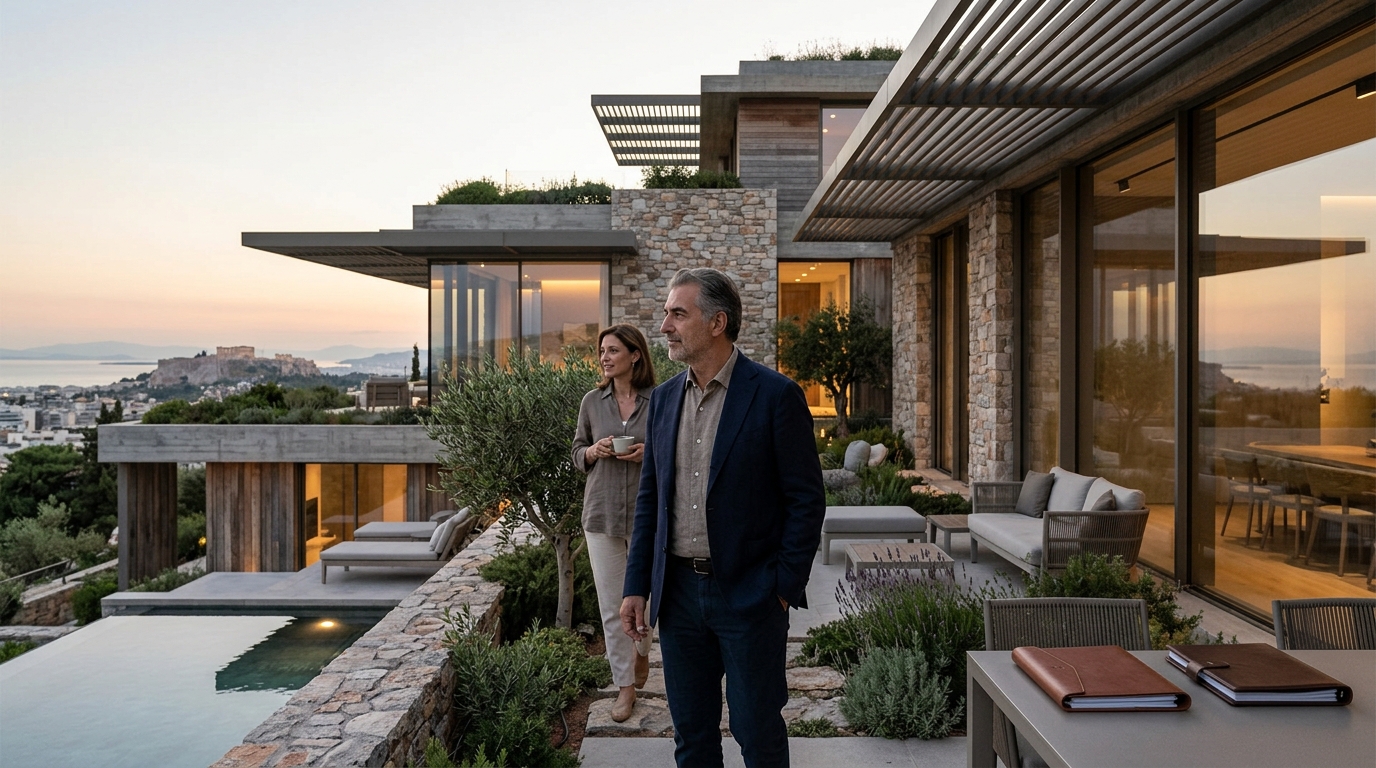
The luxury real estate market is undergoing a fundamental shift. According to recent industry reports, high-net-worth individuals are increasingly prioritizing environmental responsibility alongside aesthetic prestige. This transition is not merely a trend but a structural change in buyer expectations. Developers must now navigate a complex landscape where sustainability meets opulence. The goal is to create spaces that are both environmentally regenerative and architecturally stunning. This guide explores the primary hurdles in this integration and provides actionable strategies for success.
Key Challenges in Sustainable Luxury Development
Integrating green principles into high-end properties introduces unique friction points. These challenges often stem from the tension between traditional luxury norms and modern ecological requirements. Understanding these barriers is the first step toward overcoming them.
High Initial Capital Expenditure
The most immediate obstacle is the cost. Sustainable technologies, such as advanced HVAC systems and renewable energy infrastructure, require significant upfront investment. Net Zero Energy Buildings are structures that produce as much energy as they consume over a year. While the long-term operational savings are substantial, the initial capital outlay can deter investors focused on short-term returns. This financial barrier is particularly acute in the luxury sector, where material costs are already elevated.
Material Sourcing and Supply Chain Complexity
Luxury buyers demand rare, high-quality materials. However, finding sustainable alternatives that meet these aesthetic and durability standards is difficult. Many eco-friendly materials lack the historical prestige or specific texture required for high-end finishes. Furthermore, verifying the ethical and environmental credentials of suppliers adds layers of complexity to the procurement process. Developers must ensure that every component, from stone to steel, aligns with rigorous sustainability benchmarks.
Regulatory and Certification Hurdles
Navigating local building codes and international certification standards can be daunting. LEED Platinum is a certification awarded to buildings that meet the highest standards of energy efficiency and environmental responsibility. Achieving this level of certification requires meticulous documentation and adherence to strict protocols. In regions with less developed green building codes, developers may face additional scrutiny or lack clear guidelines for compliance.
Strategic Solutions for Implementation
Addressing these challenges requires a proactive and integrated approach. Success lies in early planning and a commitment to holistic design principles.
Early Integration of Green Technologies
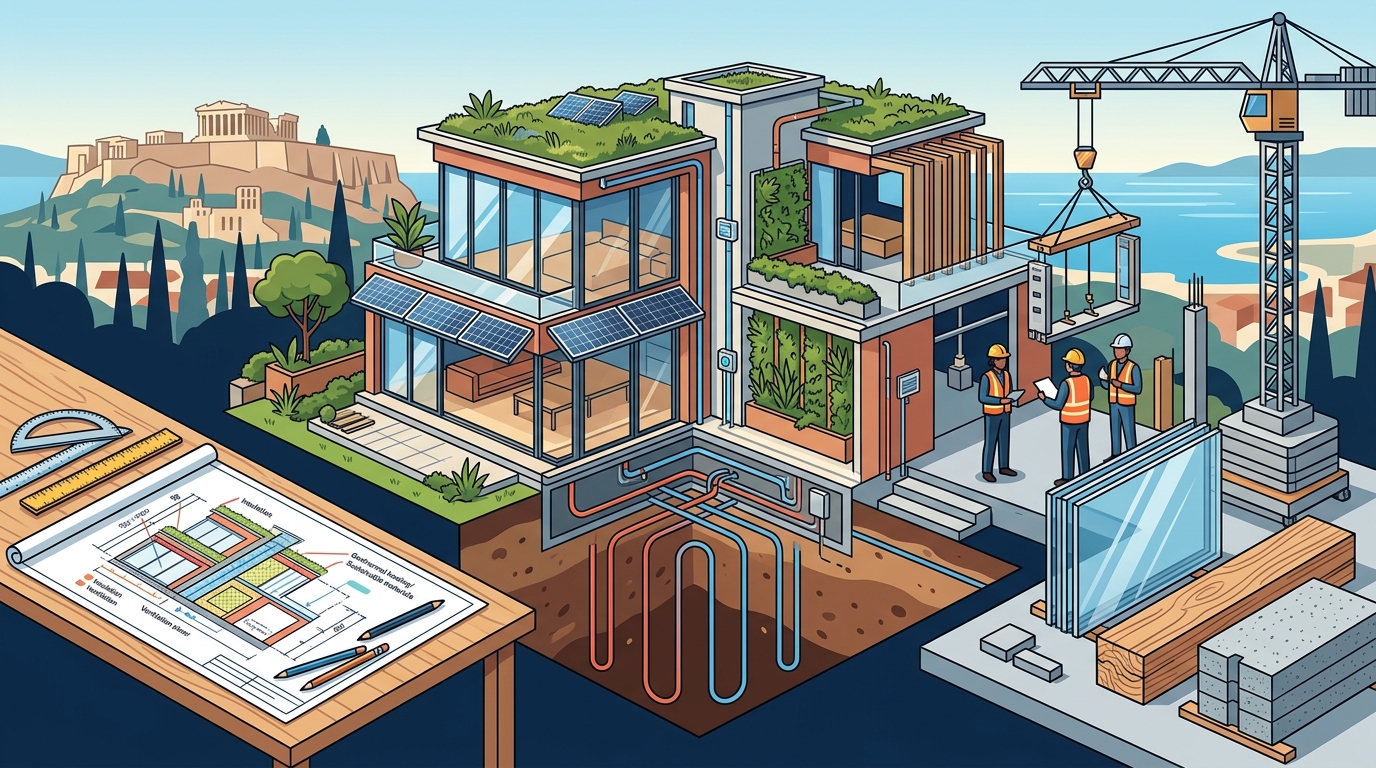
Integrating sustainable systems during the conceptual phase, rather than as an afterthought, reduces costs and enhances performance. This approach allows architects to optimize building orientation and form for natural light and ventilation. By prioritizing passive design strategies, developers can reduce the reliance on mechanical systems. This not only lowers energy consumption but also creates more comfortable and healthier living environments.
Curating Sustainable Luxury Materials
Developers must partner with suppliers who offer transparent and verifiable sustainable options. This involves selecting materials that are locally sourced, recycled, or rapidly renewable. For example, using reclaimed wood or low-carbon concrete can maintain aesthetic integrity while reducing environmental impact. Biophilic design is an approach that seeks to connect building occupants more closely to nature. This strategy enhances well-being and aligns with the luxury demand for wellness-oriented spaces.
Leveraging Technology for Efficiency
Advanced building management systems and smart home technologies play a crucial role in sustainable luxury. These systems optimize energy use in real-time, ensuring that heating, cooling, and lighting are used only when and where needed. This technological integration appeals to tech-savvy luxury buyers who value convenience and efficiency. It also provides data-driven insights that can be used to further refine building performance over time.
Real-World Applications and Metrics
Examining successful projects provides valuable insights into effective implementation strategies. The following table summarizes key aspects of notable sustainable luxury developments.
| Project Name | Location | Sustainability Feature | Impact |
|---|---|---|---|
| Atlas + Pleione | Greece | Net Zero Energy Design | Eliminates carbon footprint through renewable integration |
| Boomerang Athens | Athens, Greece | Urban Regeneration | Revitalizes historic areas with eco-conscious architecture |
| Dynasty Villas | Greece | LEED Platinum Standard | Sets new benchmark for sustainable luxury living |
These projects demonstrate that sustainability and luxury are not mutually exclusive. In fact, they can enhance each other. For instance, Atlas + Pleione showcases how net-zero design can be seamlessly integrated into high-end residential architecture. Similarly, Boomerang Athens illustrates the potential for urban regeneration to create value through sustainable practices.
Key Takeaways
- Cost vs. Value: While initial costs are higher, sustainable buildings offer significant long-term operational savings and increased asset value.
- Material Integrity: Sourcing sustainable materials requires rigorous vetting to ensure they meet luxury aesthetic standards.
- Certification Impact: Achieving LEED Platinum status enhances brand reputation and attracts eco-conscious buyers.
- Technology Integration: Smart home systems are essential for optimizing energy use and enhancing user experience.
- Design Philosophy: Net Zero Energy Buildings represent the future of luxury development, combining performance with elegance.
- Market Demand: High-net-worth individuals are increasingly prioritizing environmental responsibility in their property choices.
- Regulatory Landscape: Navigating green building codes requires early engagement with local authorities and certification bodies.
Frequently Asked Questions
What is the primary benefit of sustainable luxury real estate?
The primary benefit is the combination of reduced environmental impact with enhanced property value and occupant well-being. Sustainable buildings often command higher prices due to their efficiency and health benefits.
How does LEED Platinum certification impact property value?
LEED Platinum certification signals the highest level of environmental performance. This can lead to increased rental rates, lower vacancy rates, and a stronger brand identity for the developer.
Are sustainable materials more expensive than traditional ones?
While some sustainable materials have higher upfront costs, prices are decreasing as demand grows. Additionally, the long-term savings in maintenance and energy often offset the initial investment.
What is the role of biophilic design in luxury homes?
Biophilic design connects residents with nature through natural light, ventilation, and organic materials. This connection has been shown to reduce stress and improve cognitive function, enhancing the luxury experience.
Can existing luxury properties be retrofitted for sustainability?
Yes, many existing properties can be retrofitted with energy-efficient systems, smart technology, and sustainable materials. This approach can significantly reduce their carbon footprint and operational costs.
How important is local sourcing for sustainable luxury development?
Local sourcing reduces transportation emissions and supports the local economy. It also ensures that materials are suited to the local climate, improving building performance and durability.
What is the future of sustainable luxury real estate?
The future lies in regenerative design, where buildings actively contribute to environmental health. This includes generating renewable energy, managing water resources, and enhancing biodiversity.
Start Your Sustainable Project
Transforming your vision into a sustainable reality requires expertise and a commitment to excellence. Contact ECLÉDE today to discuss how we can integrate high-performance, environmentally responsible design into your next luxury development. Our team specializes in creating spaces that redefine modern living through a balance of architecture, sustainability, and long-term investment value. Visit our portfolio to see our latest projects, including Atlas + Pleione and Boomerang Athens. Let us help you build a legacy of sustainable luxury.