
Long-Term Cost Savings and Value Appreciation in Sustainable Luxury Property Investment
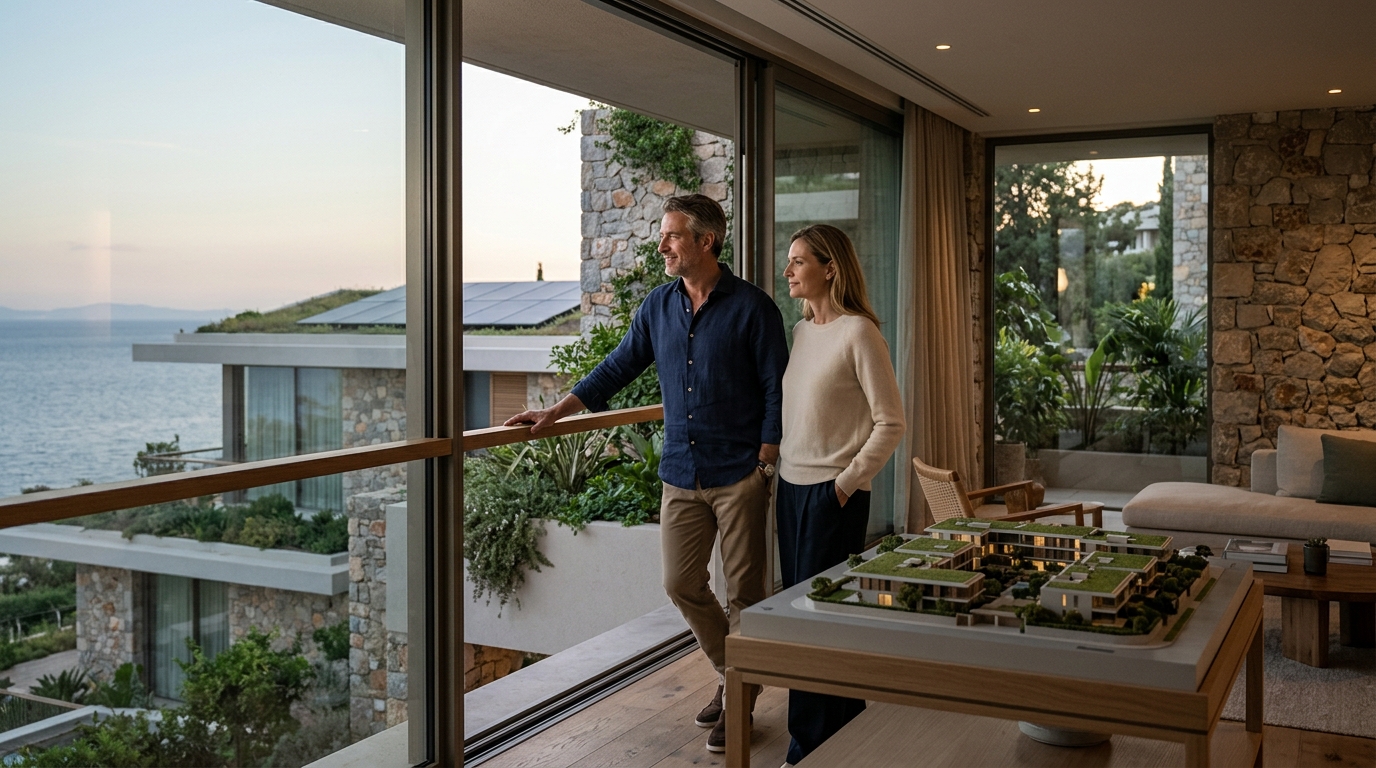
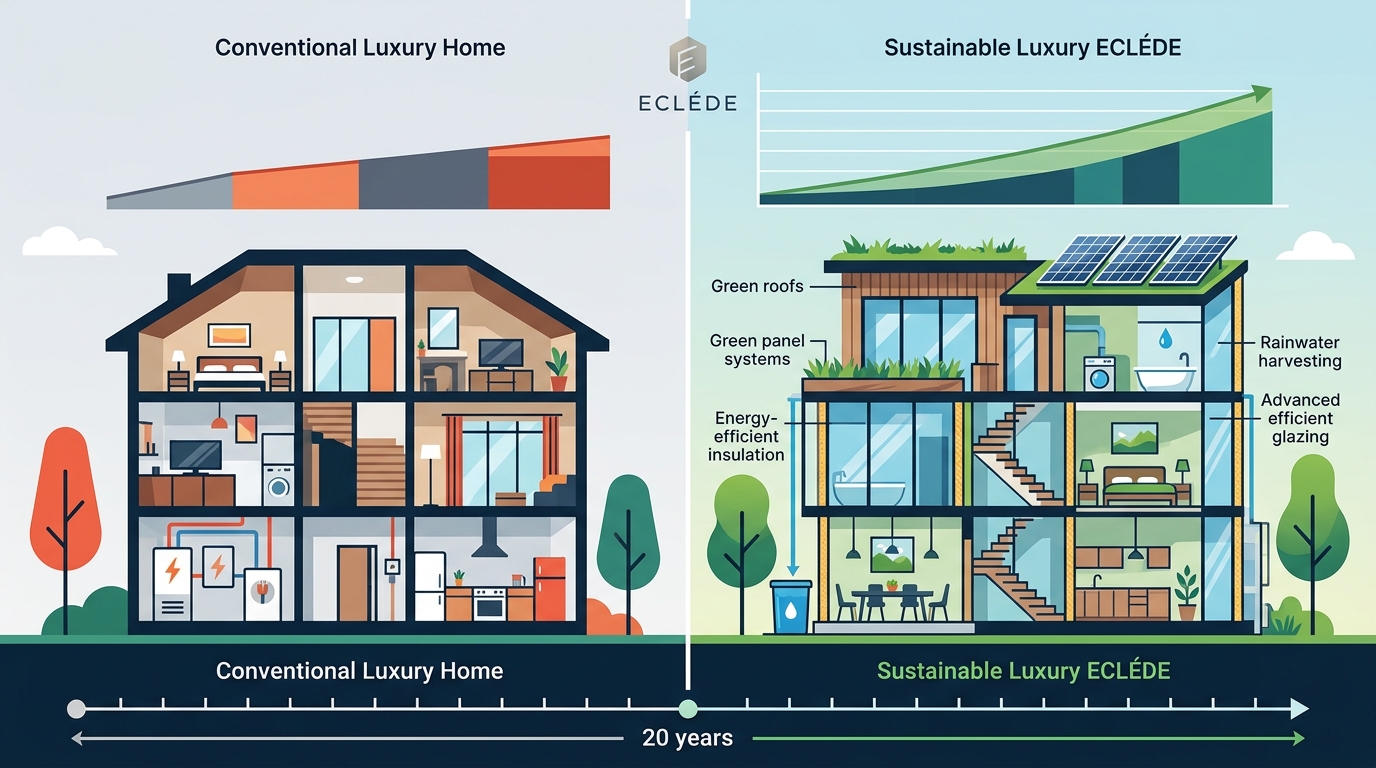
The global luxury real estate market is undergoing a fundamental structural shift driven by environmental performance metrics. According to recent industry data, sustainable luxury homes command a premium of up to 7% over conventional properties while demonstrating significantly lower operational expenditures over a 20-year horizon. This divergence is not merely a trend but a calculated financial imperative for high-net-worth individuals seeking asset preservation. The integration of green technologies reduces utility burdens and enhances resilience against regulatory changes, creating a dual engine of value appreciation and cost avoidance.
Operational Efficiency and Utility Reduction
High-end properties often suffer from disproportionate energy consumption due to their sheer scale and complex mechanical systems. Sustainable design principles address this by implementing passive house standards and advanced building envelopes. Net-zero energy homes are structures that produce as much energy as they consume over the course of a year. This definition is critical for investors evaluating long-term holding costs.
Implementing solar photovoltaic arrays paired with high-capacity battery storage systems eliminates reliance on volatile grid pricing. For luxury estates, this translates to predictable monthly overheads regardless of external market fluctuations. Furthermore, smart home automation systems optimize HVAC usage based on occupancy patterns, reducing waste by an estimated 30% in large footprints. These technologies are not just amenities; they are financial instruments that protect the owner's capital from inflationary pressures on utilities.
Water conservation is another critical component of operational savings. Luxury properties in arid regions often face steep water tariffs. Greywater recycling systems and native landscaping reduce potable water demand significantly. This approach aligns with regional sustainability mandates while lowering monthly service bills. The initial capital expenditure for these systems is recovered through reduced utility payments within five to seven years, after which the savings contribute directly to net income.
Asset Appreciation and Market Premiums
Investment in sustainable luxury real estate is driven by a growing cohort of buyers who prioritize environmental responsibility alongside aesthetic grandeur. Properties with verified green certifications, such as LEED or Passive House, consistently outperform non-certified peers in resale value. Green building certification is a standardized process that verifies a building meets specific environmental performance criteria. This verification provides a tangible asset class differentiator in a crowded luxury market.
Market data indicates that eco-conscious buyers are willing to pay a premium for homes that offer health benefits and lower operating costs. This willingness to pay is particularly strong in markets like Miami and New York, where climate resilience is a primary concern. Homes equipped with hurricane-resistant windows, elevated foundations, and backup power systems demonstrate higher resilience scores. These features reduce insurance premiums and increase the property's attractiveness to risk-averse investors.
The concept of "brown discount" describes the depreciation of assets that fail to meet evolving environmental standards. As regulations tighten, non-compliant luxury properties may face mandatory retrofitting costs or reduced marketability. Conversely, sustainable properties appreciate faster because they are future-proofed against these regulatory risks. This dynamic creates a widening gap in value between traditional luxury homes and those designed with sustainability at their core.
Regulatory Compliance and Future-Proofing
Governments worldwide are implementing stricter energy codes for new constructions and major renovations. In Florida, for instance, new building codes require enhanced energy efficiency standards that align with national green building initiatives. Investors who proactively adopt sustainable practices avoid costly compliance upgrades in the future. This proactive stance is a strategic advantage in markets with rapid regulatory evolution.
Tax incentives and rebates for sustainable improvements further enhance the financial case. Federal and state programs often provide credits for solar installation, energy-efficient windows, and water-saving fixtures. These incentives reduce the effective cost of green upgrades, improving the overall return on investment. Understanding the local incentive landscape is essential for maximizing these financial benefits.
Insurance companies are also beginning to offer discounts for homes with resilience features. Properties equipped with storm shutters, fire-resistant materials, and advanced drainage systems are deemed lower risk. This results in lower annual premiums, which adds to the long-term cost savings. The combination of tax incentives and insurance discounts creates a powerful financial buffer for sustainable luxury investments.
Health, Wellness, and Occupant Productivity
Luxury is increasingly defined by health and well-being. Sustainable homes utilize non-toxic materials, advanced ventilation, and natural lighting to create healthier indoor environments. Indoor air quality refers to the air quality within and around buildings, especially as it relates to the health and comfort of occupants. Poor indoor air quality is linked to various health issues, making high-performance filtration systems a critical luxury feature.
Biophilic design principles integrate natural elements into the built environment, reducing stress and improving cognitive function. For high-net-worth individuals who work from home, this translates to increased productivity and well-being. The psychological benefits of living in a sustainable home are significant, adding intangible value to the property. This emotional connection often drives higher willingness to pay among discerning buyers.
Acoustic comfort is another aspect of sustainable luxury design. High-performance insulation and soundproofing materials create serene living spaces. This is particularly valuable in urban luxury markets where noise pollution is a concern. The ability to control the acoustic environment is a key differentiator for premium properties. These features contribute to the overall perception of quality and exclusivity.
Comparative Analysis of Sustainable Features
Understanding the specific benefits of various sustainable technologies is crucial for making informed investment decisions. The table below outlines the key features, their primary benefits, and their impact on long-term value.
| Sustainable Feature | Primary Benefit | Impact on Asset Value |
|---|---|---|
| Solar PV + Battery Storage | Energy independence and bill reduction | High: Appeals to resilience-focused buyers |
| High-Performance Windows | Thermal regulation and noise reduction | Medium: Enhances comfort and efficiency |
| Greywater Recycling | Water conservation and lower utility costs | Medium: Critical in arid regions |
| Smart Home Automation | Optimized energy use and convenience | Medium: Standard expectation in luxury |
| Non-Toxic Materials | Improved indoor air quality and health | High: Growing demand for wellness |
Each feature contributes to a holistic value proposition. Investors should prioritize features that align with the local climate and buyer preferences. For example, solar and battery storage are more valuable in sunny, high-electricity-cost regions. Greywater systems are essential in water-scarce areas. Tailoring the sustainable features to the specific market context maximizes the return on investment.
Key Takeaways
- Sustainable luxury homes command a resale premium of up to 7% compared to conventional properties.
- Operational costs for green homes are significantly lower due to energy and water efficiency.
- Green building certification provides a verified standard for environmental performance.
- Regulatory compliance is easier for properties designed with future codes in mind.
- Health and wellness benefits are increasingly driving buyer demand in the luxury sector.
- Tax incentives and insurance discounts enhance the financial returns of sustainable upgrades.
- Resilience features protect against climate risks and reduce insurance premiums.
Frequently Asked Questions
How does sustainability affect the resale value of a luxury home?
Sustainable luxury homes often appreciate faster than traditional properties due to lower operating costs and higher buyer demand for eco-friendly features. Verified green certifications can further boost this premium.
What are the most cost-effective sustainable upgrades for existing luxury properties?
High-performance windows, solar panel installations, and smart home automation systems offer the best return on investment. These upgrades reduce utility bills and enhance comfort without requiring full reconstruction.
Are there tax incentives for buying sustainable luxury real estate?
Yes, federal and state programs often provide tax credits for energy-efficient improvements. Investors should consult with tax professionals to identify applicable incentives in their specific jurisdiction.
How does indoor air quality impact property value?
High indoor air quality is a key health indicator for luxury buyers. Properties with advanced filtration and non-toxic materials are perceived as healthier and more valuable, especially in post-pandemic markets.
What is the payback period for solar battery systems in luxury homes?
The payback period typically ranges from five to seven years, depending on local electricity rates and solar incentives. After this period, the system generates net positive cash flow through energy savings.
Why is resilience important in sustainable luxury investment?
Climate resilience protects the asset from physical damage and reduces insurance costs. Features like storm shutters and elevated foundations are increasingly valued in coastal luxury markets.
How do I verify the sustainability claims of a luxury property?
Look for third-party certifications such as LEED, Passive House, or ENERGY STAR. These certifications provide verified data on energy performance and environmental impact.
Contact SIA Faricas for Expert Guidance
Navigating the complexities of sustainable luxury real estate requires expert insight. SIA Faricas specializes in connecting discerning investors with high-performance properties that offer both aesthetic grandeur and financial prudence. Our team provides comprehensive market analysis and investment strategy tailored to your goals. Contact SIA Faricas today to schedule a consultation and explore opportunities in the sustainable luxury market.