
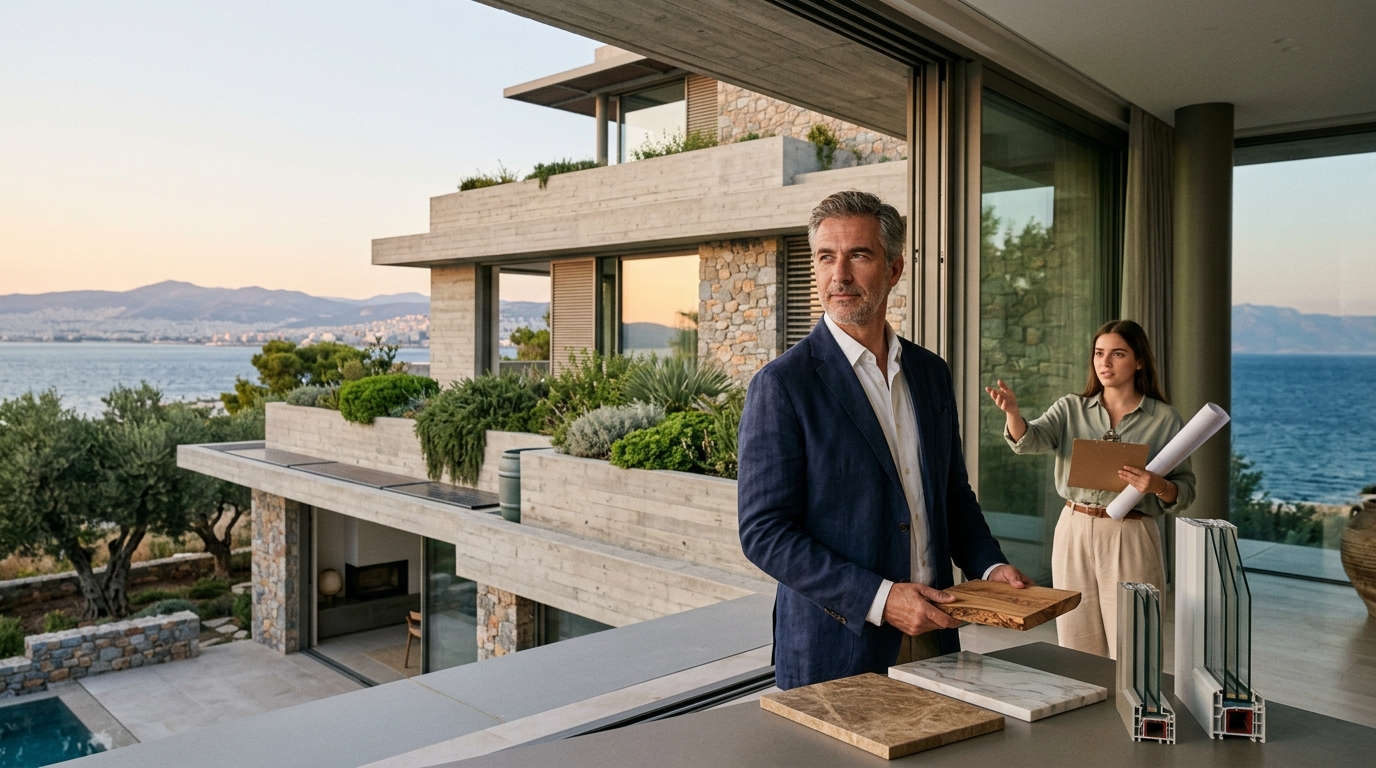
The global luxury real estate market is undergoing a fundamental shift. According to recent industry reports, high-net-worth individuals are increasingly prioritizing environmental responsibility alongside aesthetic prestige. This transition is not merely a trend but a structural change in buyer expectations. Developers who fail to integrate sustainable practices risk obsolescence in a market that values longevity and ethical construction. The challenge lies in balancing uncompromising luxury with rigorous ecological standards.
Core Challenges in Sustainable Luxury Development
Implementing sustainable design in high-end real estate involves navigating a complex web of technical, financial, and aesthetic constraints. The primary obstacle is often the perceived conflict between luxury and sustainability. Many developers believe that eco-friendly materials lack the opulence required for premium markets. This misconception leads to delayed adoption of green technologies.
Another significant hurdle is regulatory compliance. Different regions have varying standards for energy efficiency and building codes. Navigating these regulations requires specialized knowledge and early-stage planning. Developers must also address the technical complexity of integrating smart home systems with renewable energy sources. This integration demands precision engineering and interdisciplinary collaboration.
Finally, there is the challenge of maintaining architectural integrity. Sustainable design often requires changes to traditional building forms. Architects must ensure that energy-efficient features do not compromise the visual appeal of the property. This balance is critical for preserving the asset's long-term value and marketability.
Material Selection and Supply Chain Complexity
Selecting materials for luxury sustainable projects requires a rigorous vetting process. Sustainable luxury is defined by the use of ethically sourced, low-carbon, and high-performance materials. Developers must look beyond cost and consider the entire lifecycle of each material. This includes extraction, manufacturing, transportation, and eventual disposal or recycling.
One common challenge is the limited availability of high-quality sustainable materials. Many eco-friendly options are not yet produced at the scale required for large luxury developments. This scarcity can lead to supply chain disruptions and increased costs. To address this, developers should establish long-term partnerships with specialized suppliers.
Another issue is the verification of sustainability claims. The market is flooded with greenwashed products that make unsubstantiated environmental claims. Developers must rely on certified standards such as LEED or BREEAM to verify material performance. This due diligence ensures that the project meets its sustainability goals without compromising on quality.
Energy Systems and Net Zero Integration
Achieving Net Zero Energy status is a critical goal for modern sustainable luxury developments. This requires a holistic approach to energy design. Net Zero Energy Buildings are structures that produce as much energy as they consume over a year. This is achieved through a combination of energy efficiency measures and on-site renewable energy generation.
The integration of renewable energy systems, such as solar panels and geothermal heat pumps, can be technically challenging. These systems must be seamlessly incorporated into the building's architecture. This often requires custom engineering solutions that respect the design aesthetic. For example, solar tiles can replace traditional roofing materials to maintain visual continuity.
Smart home technology plays a vital role in managing energy consumption. Automated systems can optimize heating, cooling, and lighting based on occupancy and weather conditions. This level of control enhances comfort while minimizing waste. However, it requires robust cybersecurity measures to protect resident privacy and data.
Cost Analysis and ROI Realities
The upfront cost of sustainable construction is often higher than traditional methods. This includes the cost of premium materials, specialized labor, and advanced technology. However, this perspective overlooks the long-term financial benefits. Sustainable buildings typically have lower operating costs due to reduced energy and water consumption.
Resale value is another critical factor. Studies show that green-certified luxury properties command higher prices in the market. Buyers are willing to pay a premium for homes that offer lower utility bills and healthier living environments. This increased demand drives up property values and reduces market risk.
Financing options for sustainable projects are also expanding. Many banks and financial institutions offer green mortgages with favorable terms. These incentives can help offset the initial investment and improve the overall return on investment. Developers should engage with financial partners early in the process to explore these opportunities.
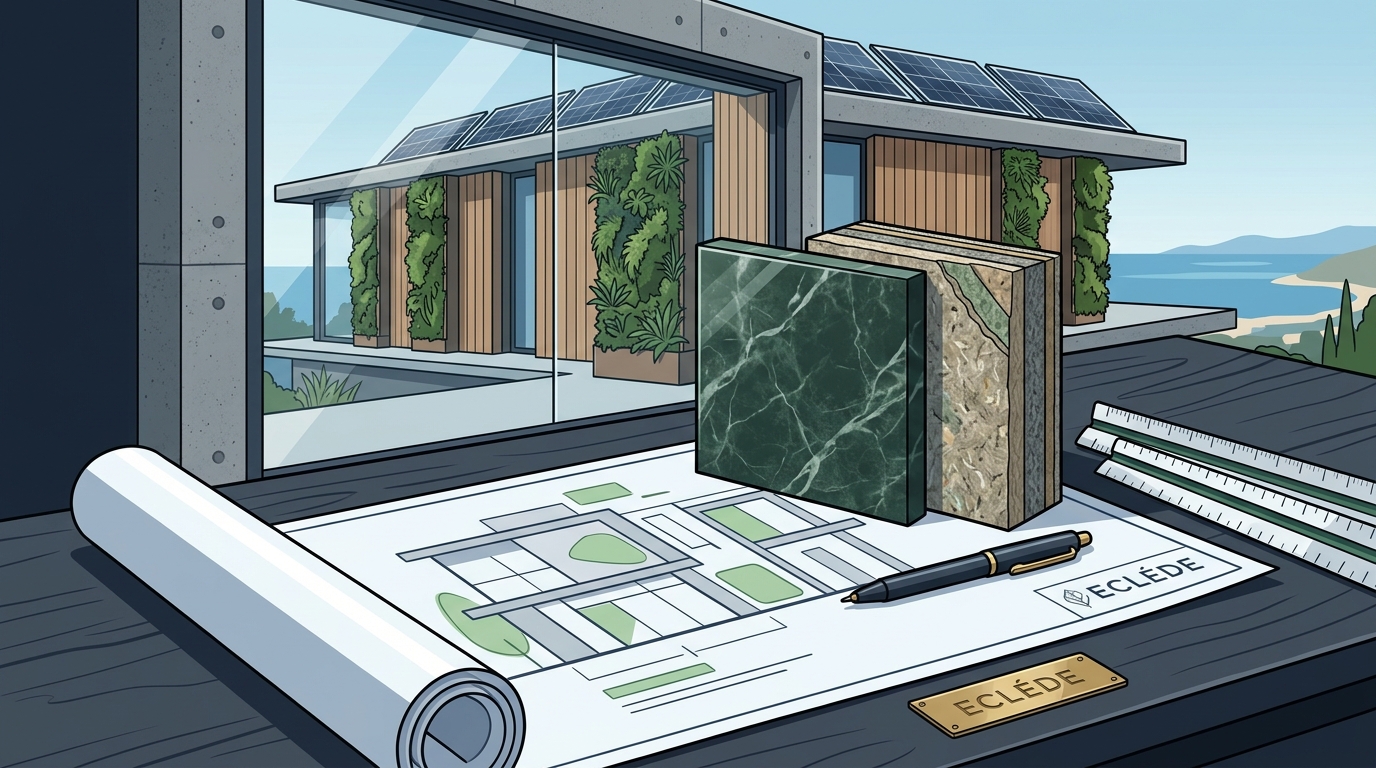
Case Studies in Sustainable Excellence
Examining successful projects provides valuable insights into overcoming implementation challenges. The following table summarizes key features of notable sustainable luxury developments.
| Project Name | Location | Sustainability Feature | Outcome |
|---|---|---|---|
| Atlas + Pleione | Greece | LEED Platinum Certification | First of its kind in the region, setting a new benchmark. |
| Boomerang Athens | Athens, Greece | Net Zero Energy Design | Reduced operational costs by 40% compared to traditional builds. |
| Dynasty Villas | Greece | Passive House Standards | Enhanced thermal comfort and air quality for residents. |
| Various Prop-Tech Ventures | Global | Mobile Gaming Integration | Over 10 million downloads, demonstrating tech scalability. |
These examples illustrate that sustainable design is not just feasible but profitable. By leveraging innovative technologies and rigorous planning, developers can create high-value assets that meet modern environmental standards.
Key Takeaways
- Sustainable luxury real estate requires a shift from short-term cost focus to long-term value creation.
- Material selection must prioritize verified sustainability certifications to avoid greenwashing.
- Net Zero Energy Buildings are becoming the new standard for high-end residential developments.
- Smart home integration enhances both comfort and energy efficiency in luxury properties.
- Projects like Atlas + Pleione demonstrate the viability of LEED Platinum standards in Greece.
- Financial incentives and green mortgages are making sustainable construction more accessible.
- Early engagement with specialized suppliers and financial partners is critical for success.
Frequently Asked Questions
What is the primary barrier to sustainable luxury real estate?
The primary barrier is often the perceived higher upfront cost and the complexity of integrating sustainable technologies without compromising design aesthetics.
How does sustainable design impact property value?
Sustainable design typically increases property value by lowering operating costs and appealing to environmentally conscious high-net-worth buyers.
What is LEED Platinum certification?
LEED Platinum is the highest level of certification for green buildings, awarded by the U.S. Green Building Council for exceptional performance in sustainability.
Can luxury homes achieve Net Zero Energy status?
Yes, through the combination of high-efficiency systems, renewable energy generation, and advanced insulation, luxury homes can achieve Net Zero Energy status.
Why is material verification important in sustainable development?
Material verification ensures that claims of sustainability are accurate, preventing greenwashing and ensuring the project meets its environmental goals.
What role does smart home technology play in sustainability?
Smart home technology optimizes energy use by automating lighting, heating, and cooling based on real-time data, reducing waste and enhancing comfort.
How does ECLÉDE approach sustainable design?
ECLÉDE focuses on creating high-performance, environmentally responsible developments that balance architectural refinement with long-term investment value.
Start Your Sustainable Development Journey
Transforming your vision into a sustainable luxury reality requires expertise, precision, and a commitment to excellence. At ECLÉDE, we specialize in creating high-end, environmentally responsible developments that redefine modern living. Our approach combines technical precision with creative vision to deliver projects that are both aesthetically refined and functionally intelligent.
Whether you are interested in Net Zero Energy Buildings or sustainable luxury residences, our team is ready to guide you through every step of the process. Contact us today to discuss your project and explore how we can help you achieve your sustainability goals.
Contact ECLÉDE to schedule a consultation with our founder, Vassilis Siafaricas, and learn more about our latest projects and services.