
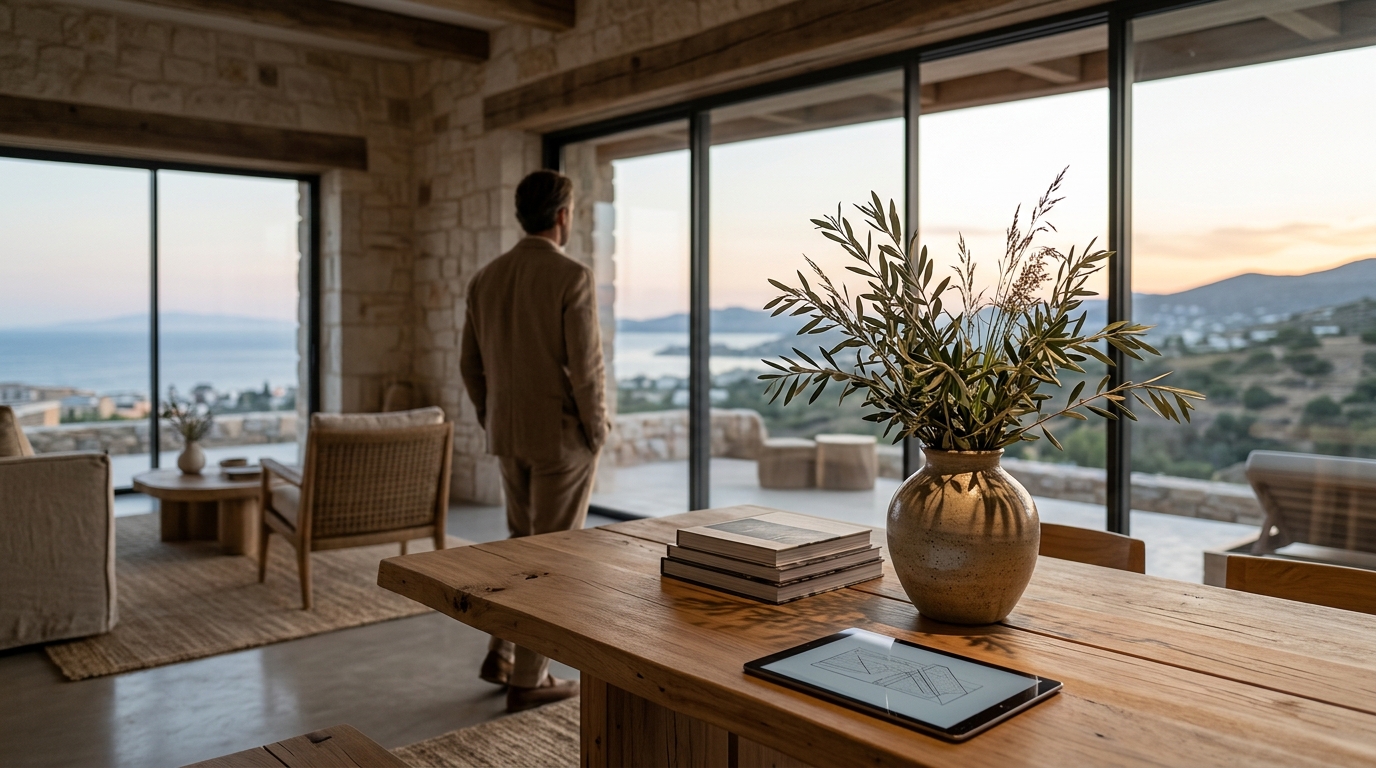
The intersection of high-end luxury and environmental responsibility is no longer a niche market but a defining standard for modern real estate development. According to recent industry analyses, the global green building market is projected to grow at a compound annual growth rate exceeding 10% through 2030, driven by demand for energy-efficient and health-conscious living spaces. This shift is not merely regulatory but cultural, with affluent buyers prioritizing properties that offer both aesthetic refinement and ecological integrity. Developers like ECLÉDE are leading this charge by integrating advanced sustainability metrics into the very DNA of luxury architecture.
Net Zero Energy Integration
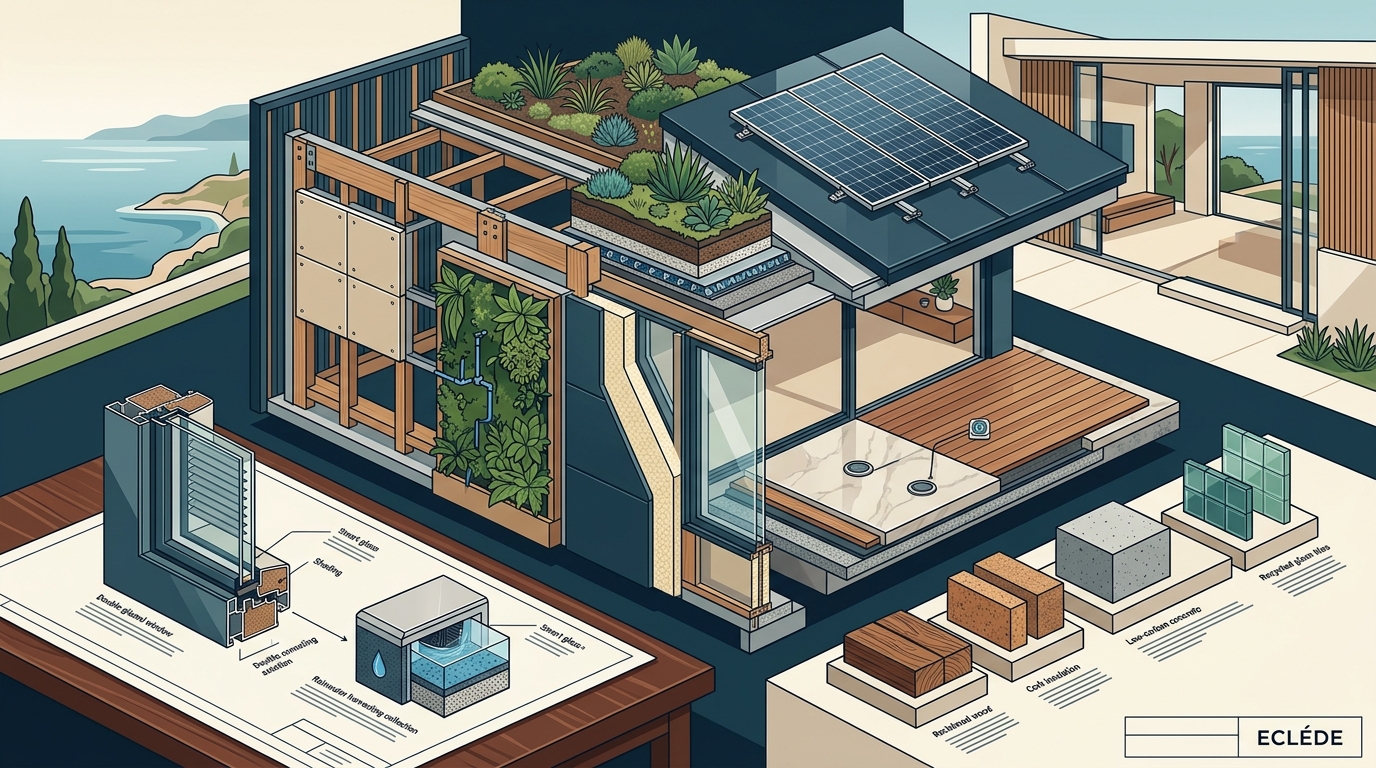
At the core of sustainable luxury is the concept of Net Zero Energy Buildings (NZEB). This architectural approach ensures that the total amount of energy used by a building on an annual basis is equaled by the amount of renewable energy created on-site. For high-end developments, this goes beyond simple solar panels. It involves a holistic engineering strategy that includes passive solar design, advanced insulation systems, and high-performance glazing.
ECLÉDE has demonstrated this commitment by developing projects that prioritize energy efficiency without compromising on spatial grandeur. The integration of renewable energy systems is seamless, often hidden within the architectural fabric to maintain clean, minimal lines. This approach not only reduces the carbon footprint but also provides residents with long-term financial stability through reduced utility costs.
The technical precision required for NZEB certification demands a multidisciplinary team. Civil engineers, architects, and sustainability consultants must work in unison from the initial sketch phase. This ensures that every design decision, from window orientation to roof overhangs, contributes to the building's overall energy balance. The result is a home that is not just a residence but a high-performance asset.
Material Ethics and Sourcing
Luxury is increasingly defined by the provenance of its materials. Sustainable luxury developers prioritize materials that are locally sourced, recycled, or rapidly renewable. This reduces transportation emissions and supports local economies while ensuring a lower embodied carbon footprint for the structure.
Key material choices include:
- Reclaimed Timber: Adds warmth and history while preventing deforestation.
- Low-VOC Finishes: Ensures indoor air quality by eliminating harmful chemical off-gassing.
- Recycled Steel and Glass: Reduces the energy intensity of new material production.
ECLÉDE’s philosophy centers on minimal, clean architectural lines, which often necessitates the use of high-quality, durable materials that age gracefully. By selecting materials with a known ethical supply chain, developers can guarantee that the luxury experience extends to the moral satisfaction of the owner. This transparency is a growing demand among high-net-worth individuals who value responsibility alongside aesthetics.
Biophilic Design Principles
Biophilic design is the practice of connecting building occupants more closely to nature. In luxury real estate, this translates to seamless integration with natural surroundings. Large expanses of glass, indoor gardens, and natural ventilation systems are not just aesthetic choices but psychological tools that enhance well-being.
Research indicates that exposure to natural light and greenery can significantly reduce stress and improve cognitive function. For developers, this means designing spaces that blur the boundary between interior and exterior. Terraces, rooftop gardens, and courtyards become integral parts of the living space, offering residents a private sanctuary that harmonizes with the environment.
ECLÉDE’s approach ensures that each project enhances both human experience and environmental harmony. By embedding nature into the architectural narrative, developers create properties that are not only sustainable but also deeply restorative. This is a key differentiator in the luxury market, where exclusivity is defined by the quality of life the property affords.
Smart Infrastructure and Prop-Tech
Modern sustainable luxury is incomplete without intelligent infrastructure. Prop-tech (property technology) allows for the monitoring and optimization of energy use, security, and comfort in real-time. Smart home systems can automatically adjust lighting, heating, and cooling based on occupancy and weather conditions, further reducing energy waste.
Vassilis Siafaricas, founder of ECLÉDE, brings a background in technology ventures to real estate development. His experience includes co-founding a mobile gaming company with over 10 million downloads, highlighting a deep understanding of digital ecosystems. This tech-forward mindset is applied to real estate through the integration of advanced building management systems.
These systems provide residents with granular control over their environment. They also offer developers valuable data on building performance, enabling continuous improvement in future projects. The convergence of civil engineering and digital innovation creates a new standard for luxury living, where efficiency and convenience are paramount.
Certification and Long-Term Value
Third-party certifications such as LEED (Leadership in Energy and Environmental Design) provide a verified benchmark for sustainability. Achieving LEED Platinum status, as ECLÉDE did with the first residential project in Greece, signals a commitment to the highest standards of environmental performance.
These certifications are not just badges of honor; they are value drivers. Certified buildings often command higher resale values and attract a more discerning pool of buyers. They also future-proof the investment against increasingly stringent environmental regulations. For investors, this means reduced risk and enhanced long-term returns.
The process of certification requires rigorous documentation and performance testing. It ensures that the theoretical sustainability of the design is realized in practice. This transparency builds trust with buyers who are increasingly skeptical of greenwashing. By adhering to strict certification standards, developers can confidently market their properties as truly sustainable.
Key Takeaways
- Net Zero Energy: High-end developments now prioritize NZEB standards to ensure long-term energy independence and cost savings.
- Ethical Sourcing: Luxury is defined by the provenance of materials, with a focus on low-carbon and locally sourced options.
- Biophilic Integration: Seamless connection to nature through design enhances resident well-being and property exclusivity.
- Tech-Forward Development: Prop-tech integration allows for real-time optimization of building performance and resident comfort.
- Certification Impact: LEED Platinum and similar certifications provide verified proof of sustainability, enhancing asset value.
- Multidisciplinary Expertise: Successful sustainable luxury requires collaboration between architects, engineers, and tech specialists.
- Long-Term Vision: Sustainable design is an investment in future regulatory compliance and market relevance.
Frequently Asked Questions
What is Net Zero Energy Building (NZEB)?
A Net Zero Energy Building is a structure that produces as much renewable energy as it consumes over the course of a year, achieving a balance between energy use and generation.
How does biophilic design improve luxury living?
Biophilic design integrates natural elements like light, plants, and water into the built environment, which has been shown to reduce stress and improve mental well-being for residents.
Why is LEED Platinum certification important in real estate?
LEED Platinum is the highest level of certification for green building, signaling superior environmental performance and often leading to higher property values and lower operating costs.
What role does technology play in sustainable luxury?
Technology enables smart building systems that optimize energy use, enhance security, and provide residents with control over their living environment, ensuring both efficiency and comfort.
How do sustainable materials impact the aesthetic of a luxury home?
Sustainable materials like reclaimed wood and natural stone often add unique character and warmth to a home, enhancing its aesthetic appeal while reducing environmental impact.
Is sustainable luxury more expensive to build?
While initial costs can be higher due to specialized materials and technology, the long-term savings from energy efficiency and increased property value often offset these expenses.
What is the significance of local material sourcing?
Local sourcing reduces transportation emissions and supports regional economies, while also ensuring that materials are suited to the local climate and conditions.
How does ECLÉDE approach sustainability in its projects?
ECLÉDE focuses on creating high-performance, environmentally responsible developments that balance architectural refinement with energy efficiency and long-term investment value.
Contact ECLÉDE for Sustainable Luxury
Discover the future of high-end living with ECLÉDE. Our portfolio includes award-winning projects that set new benchmarks for sustainable luxury. From the innovative Boomerang Athens to the eco-conscious Dynasty Villas, each development reflects our commitment to excellence and environmental responsibility. Explore our portfolio to see how we are redefining modern living. For more information on our services and upcoming projects, visit our contact page or reach out to our team directly. Join us in creating spaces that elevate quality of life while preserving our planet.