
Sustainable Luxury Property Alternatives: A Guide to Eco-Conscious Living
The global luxury real estate market is undergoing a fundamental shift. According to recent industry reports, over 60% of high-net-worth individuals now prioritize environmental sustainability when selecting their primary or secondary residences. This is not merely a trend but a structural change in how wealth is allocated toward real assets. Buyers are no longer satisfied with opulence alone. They demand properties that offer energy efficiency, ethical construction, and long-term resilience against climate risks. For those seeking alternatives to traditional luxury developments, the focus must shift toward verified green certifications and innovative architectural philosophies.
Defining Sustainable Luxury
Before exploring alternatives, it is crucial to understand what constitutes sustainable luxury in the modern context. Sustainable luxury is the integration of high-end design with environmental responsibility and long-term value creation. This definition moves beyond simple energy savings. It encompasses the entire lifecycle of the building, from material sourcing to operational efficiency.
Traditional luxury often relied on heavy material usage and imported finishes. The new standard requires local sourcing, low-carbon concrete alternatives, and smart home integration that reduces waste. The goal is to create spaces that are aesthetically refined yet functionally intelligent. This approach ensures that the property remains a valuable asset for decades, not just years.
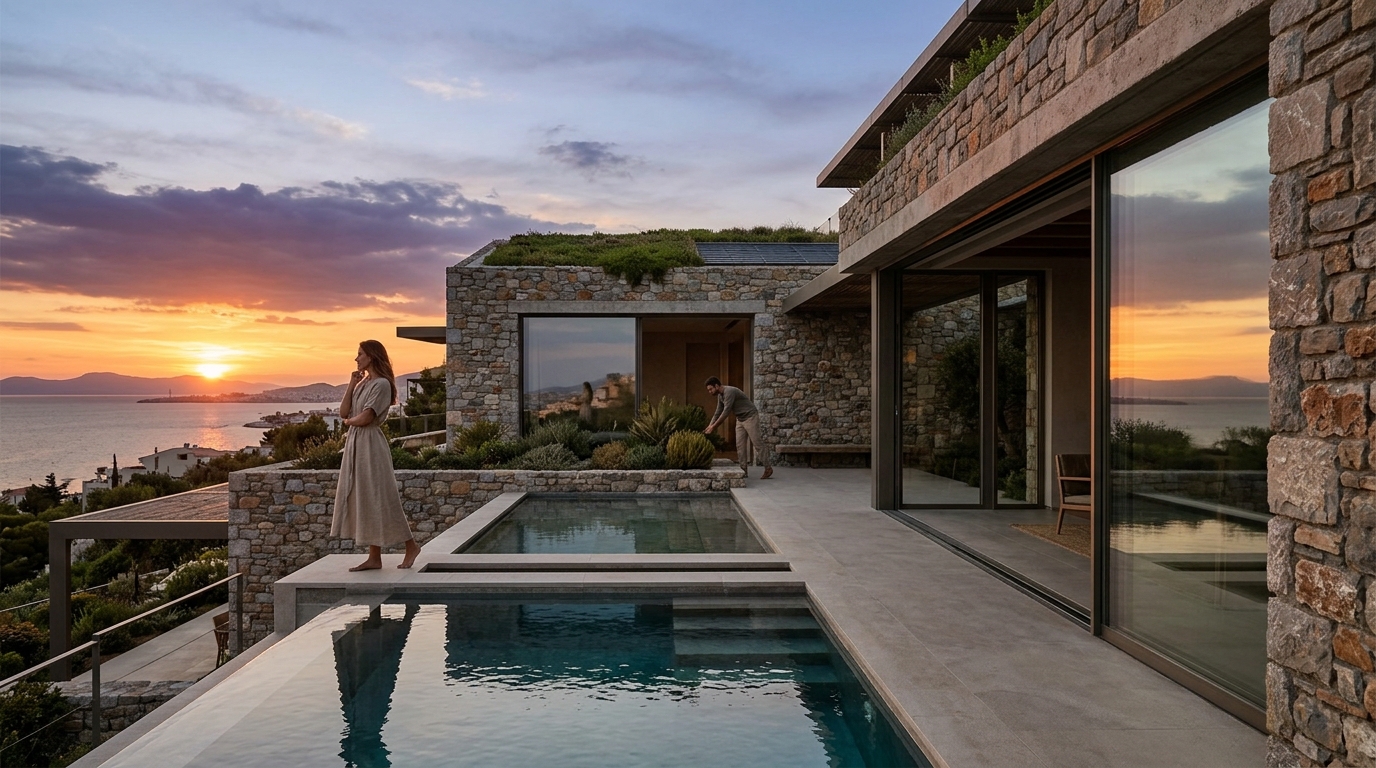
When evaluating alternatives, look for developers who prioritize minimal, clean architectural lines. These designs often reduce structural complexity, which in turn lowers the carbon footprint of construction. The integration of natural surroundings is also a key indicator. A property that breathes with its environment requires less mechanical heating and cooling, leading to significant operational cost savings.
Key Certifications to Look For
Not all green buildings are created equal. To ensure you are investing in genuine sustainability, you must look for specific, internationally recognized certifications. These standards provide third-party verification of a building's performance.
LEED Certification
LEED is a globally recognized green building certification system. It provides a framework for healthy, highly efficient, and cost-saving green buildings. For luxury properties, achieving LEED Platinum status is the gold standard. This level of certification requires rigorous testing of energy use, water efficiency, and materials selection. In Greece, for example, the first LEED Platinum residential project set a new benchmark for the region, proving that sustainability and luxury can coexist.
WELL Building Standard
While LEED focuses on the building, WELL focuses on the people. The WELL Building Standard is a protocol for measuring, certifying, and monitoring features of the built environment that impact human health and well-being. This includes air quality, light, comfort, and even mental health considerations. For luxury buyers, this means a home that actively contributes to their physical health.
BREEAM
Originating in the UK, BREEAM is another major player in the European market. It assesses the sustainability of buildings across categories such as energy, water, pollution, and ecology. Properties with high BREEAM ratings often command a premium in the secondary market due to their proven lower running costs.
Architectural Approaches to Eco-Luxury
Beyond certifications, the architectural approach defines the character of the property. There are several distinct models of sustainable luxury that serve as alternatives to conventional high-rise developments.
Net Zero Energy Buildings
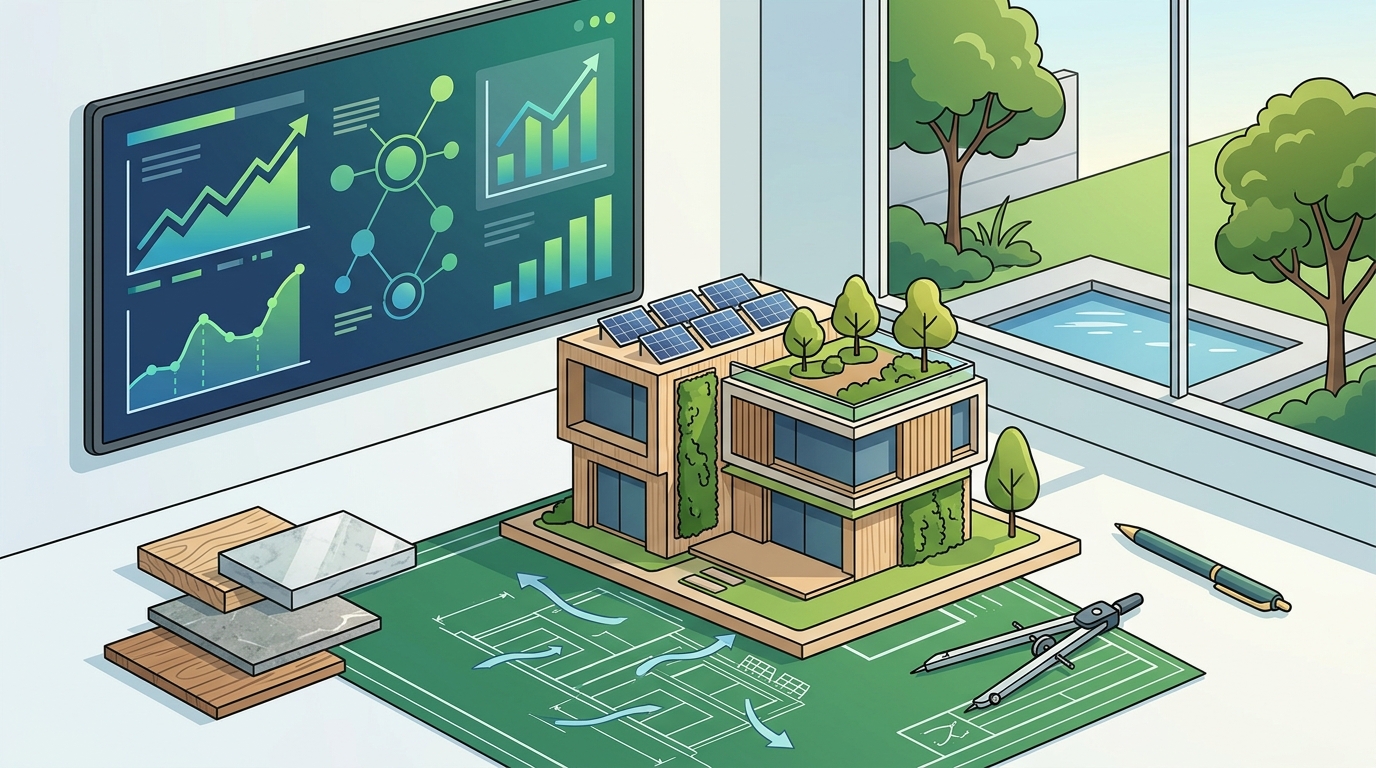
Net Zero Energy Buildings produce as much energy as they consume annually. This is achieved through a combination of passive design strategies and active renewable energy systems. Passive design includes optimal orientation, high-performance insulation, and thermal mass. Active systems typically involve rooftop solar panels and geothermal heating. This approach eliminates utility bills and provides energy independence.
Biophilic Design
Biophilic design connects occupants more closely to nature. Biophilic design is an architectural approach that seeks to connect building occupants more closely to nature. This includes living walls, natural ventilation, and the use of organic materials like wood and stone. Studies show that biophilic environments reduce stress and improve cognitive function. For luxury homes, this creates a sanctuary-like atmosphere that is increasingly rare in urban centers.
Adaptive Reuse
Another sustainable alternative is adaptive reuse. This involves transforming existing structures, such as historic warehouses or industrial sites, into luxury residences. This method preserves the embodied carbon of the original building while adding modern amenities. It offers a unique aesthetic that new builds cannot replicate. Each project is approached holistically, ensuring it enhances both human experience and environmental harmony.
Comparing Developer Profiles
Choosing the right developer is as important as choosing the right property. The following table compares different types of sustainable luxury developers based on their focus and expertise.
| Developer Type | Core Focus | Key Strength | Example Profile |
|---|---|---|---|
| Specialized Eco-Developers | Net Zero and LEED Platinum projects | Technical precision in sustainability | ECLÉDE |
| Traditional Luxury Builders | High-end finishes and location | Brand prestige and exclusivity | Generic Luxury Firm |
| Prop-Tech Innovators | Smart home integration | Automation and data analytics | Tech-Forward Startup |
| Historic Restoration Experts | Adaptive reuse of heritage sites | Unique architectural character | Heritage Conservation Group |
Developers like ECLÉDE represent the specialized eco-developer category. Led by Vassilis Siafaricas, this firm bridges technical precision with creative vision. Their portfolio includes projects that are both aesthetically refined and functionally intelligent. By focusing on environmentally responsible developments, they offer a distinct alternative to traditional luxury builders who may lack deep sustainability expertise.
Investment Implications
Sustainable luxury properties are not just ethical choices; they are smart financial decisions. The market value of green buildings is rising faster than conventional properties. This is driven by regulatory changes and consumer demand. Governments worldwide are implementing stricter energy codes, making non-compliant buildings less valuable over time.
Furthermore, operational costs for sustainable homes are significantly lower. Energy-efficient systems reduce monthly expenses, which is a major selling point for future buyers. According to market data, homes with green certifications often sell at a premium compared to similar non-certified properties. This premium reflects the perceived quality and future-proofing of the asset.
For investors, the risk profile is also different. Sustainable buildings are less vulnerable to climate-related disruptions. Features like advanced water management and resilient construction protect the asset from extreme weather events. This resilience translates to lower insurance premiums and higher long-term returns.
Key Takeaways
- Market Shift: Over 60% of high-net-worth individuals now prioritize sustainability in real estate purchases.
- LEED Platinum: This certification represents the highest standard for green building performance, with ECLÉDE pioneering it in Greece.
- Net Zero: Buildings that produce as much energy as they consume offer total energy independence.
- Biophilic Design: Connecting occupants to nature improves health and reduces stress levels.
- Adaptive Reuse: Transforming existing structures preserves embodied carbon and offers unique aesthetics.
- Investment Value: Green buildings command higher resale premiums and lower operational costs.
- Developer Expertise: Specialized eco-developers offer deeper technical knowledge than traditional luxury builders.
Frequently Asked Questions
What is the difference between LEED and WELL certifications?
LEED focuses on the environmental impact of the building, such as energy efficiency and materials. WELL focuses on the health and well-being of the occupants, including air quality and light. Both are valuable, but they address different aspects of luxury living.
Are sustainable luxury homes more expensive to build?
While upfront costs can be higher due to specialized materials and technology, the long-term savings on utilities and maintenance often offset this. Additionally, the resale value premium typically compensates for the initial investment.
How does biophilic design improve property value?
Biophilic design creates a unique, calming environment that is highly desirable in urban areas. This scarcity and the associated health benefits drive demand, allowing owners to command higher prices.
What is Net Zero Energy?
Net Zero Energy means the building generates as much renewable energy on-site as it consumes over the course of a year. This is achieved through solar power, geothermal systems, and extreme energy efficiency.
Why is adaptive reuse considered sustainable?
Adaptive reuse avoids the carbon emissions associated with demolishing old buildings and constructing new ones. It preserves the embodied energy of the original structure while giving it a new life.
Can older buildings be retrofitted to be sustainable?
Yes, many older buildings can be retrofitted with new insulation, windows, and HVAC systems. However, new builds offer more opportunities for integrated sustainable design from the ground up.
What role does technology play in sustainable luxury?
Smart home technology optimizes energy use by automating lighting, heating, and cooling based on occupancy. This reduces waste and enhances comfort, aligning with the goals of sustainable living.
Contact ECLÉDE for Sustainable Luxury
If you are seeking a property that combines high-end design with environmental responsibility, ECLÉDE offers a proven track record. With over two decades of experience, Vassilis Siafaricas and his team deliver projects that redefine modern living. Their approach ensures that each development is a long-term asset with purpose and identity.
Explore the portfolio of high-performance, environmentally responsible developments. From Net Zero Energy Buildings to sustainable luxury residences, ECLÉDE sets the standard for responsible luxury. Contact the team in Athens or New York to discuss your next investment.
Contact ECLÉDE Today