
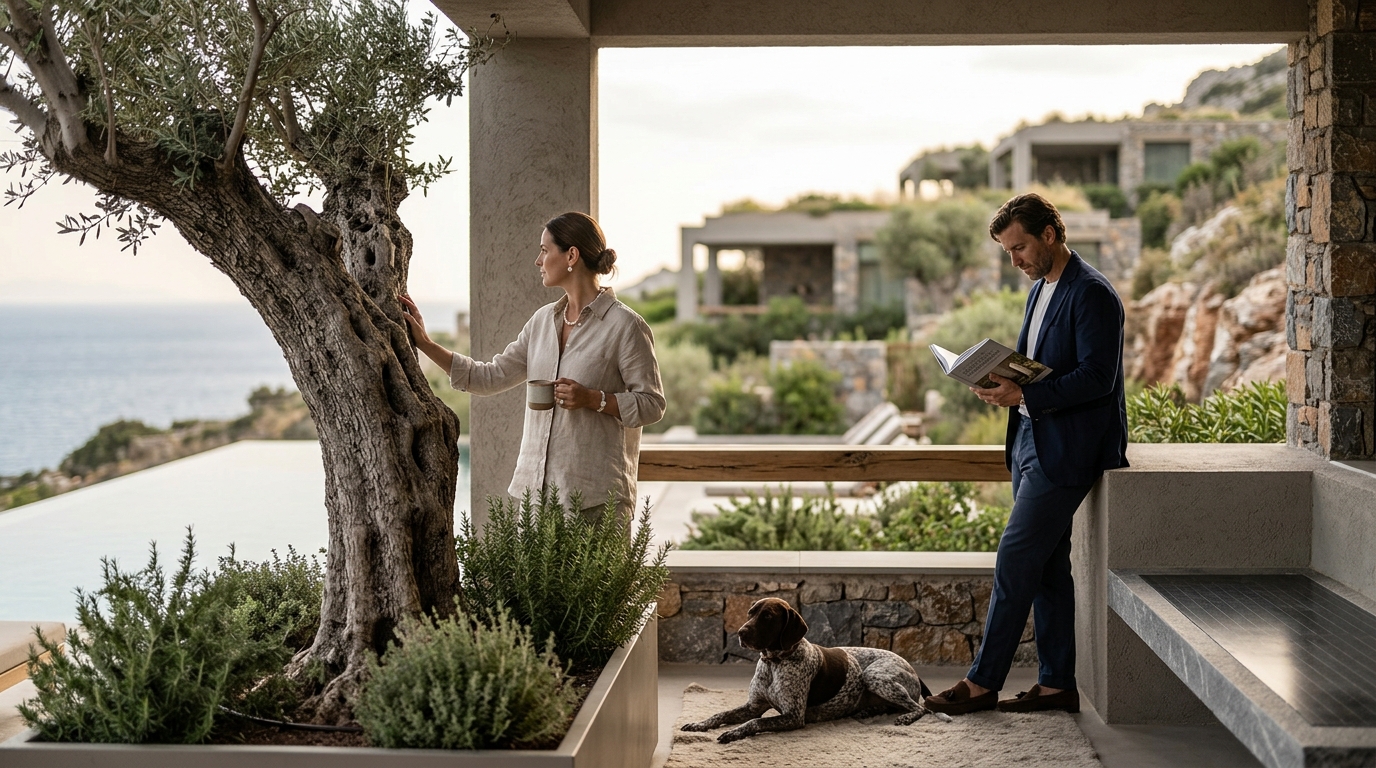
The global real estate market is undergoing a profound transformation where environmental responsibility no longer competes with opulence but defines it. According to recent industry analyses, the demand for green-certified luxury homes has surged by over 40 percent in the last five years, driven by high-net-worth individuals who prioritize long-term asset value alongside ecological integrity. This shift is not merely a trend but a structural evolution in how premium properties are conceived, built, and valued. Buyers are increasingly looking beyond marble countertops and square footage to evaluate energy efficiency, material sourcing, and carbon footprints. Understanding the landscape of sustainable luxury requires examining specific architectural frameworks, certification benchmarks, and visionary developers who are redefining the intersection of comfort and conservation.
Defining Sustainable Luxury
Sustainable luxury is not a compromise. It is a holistic approach to high-end living that integrates environmental stewardship with uncompromising aesthetic refinement. At its core, this concept rejects the notion that eco-friendly materials or energy systems detract from the user experience. Instead, it posits that true luxury lies in health, efficiency, and longevity. A property that minimizes its operational costs while maximizing natural light and air quality offers a superior quality of life compared to traditional opulent structures that rely heavily on mechanical systems.
Net Zero Energy Buildings represent the pinnacle of this philosophy. These structures generate as much renewable energy as they consume annually, effectively eliminating the carbon footprint associated with daily operations. This is achieved through a combination of advanced insulation, passive solar design, and integrated photovoltaic systems. The result is a home that feels opulent and spacious while operating with the precision of a high-performance machine. This approach aligns with the vision of multidisciplinary entrepreneurs like Vassilis Siafaricas, who bridges civil engineering with creative design to deliver projects that are both aesthetically refined and functionally intelligent.
Certification Benchmarks and Standards
When evaluating sustainable luxury properties, third-party certifications provide essential verification of claims. Without rigorous standards, the term "green" can become a marketing tool devoid of substance. LEED Platinum is widely recognized as the gold standard for green building certification. It evaluates buildings across categories such as energy efficiency, water savings, materials selection, and indoor environmental quality. Achieving this level of certification requires meticulous planning and execution throughout the construction process.
Another critical framework is Passive House certification, which focuses on extreme energy efficiency through superior insulation and airtight construction. Homes meeting these standards often require up to 90 percent less heating and cooling energy than conventional buildings. This level of performance ensures consistent indoor temperatures and eliminates drafts, creating a serene living environment. For those seeking the highest tier of environmental performance, the first LEED Platinum residential project in Greece serves as a regional benchmark, demonstrating that sustainable luxury is achievable in diverse climates and architectural contexts.
Architectural Approaches to Eco-Conscious Design
The physical manifestation of sustainable luxury relies on specific architectural strategies that prioritize harmony with the natural environment. Minimal, clean architectural lines are often employed to reduce material waste and simplify construction processes. This minimalist approach also allows the surrounding landscape to become an integral part of the home, blurring the boundaries between interior and exterior spaces.
Seamless Integration with Nature
Successful sustainable developments do not impose upon their sites but rather enhance them. This involves careful site analysis to determine optimal orientation for solar gain and natural ventilation. By aligning the building footprint with the sun's path, architects can maximize passive heating in winter and minimize overheating in summer. This reduces the load on mechanical systems and lowers energy consumption significantly.
Material Selection and Sourcing
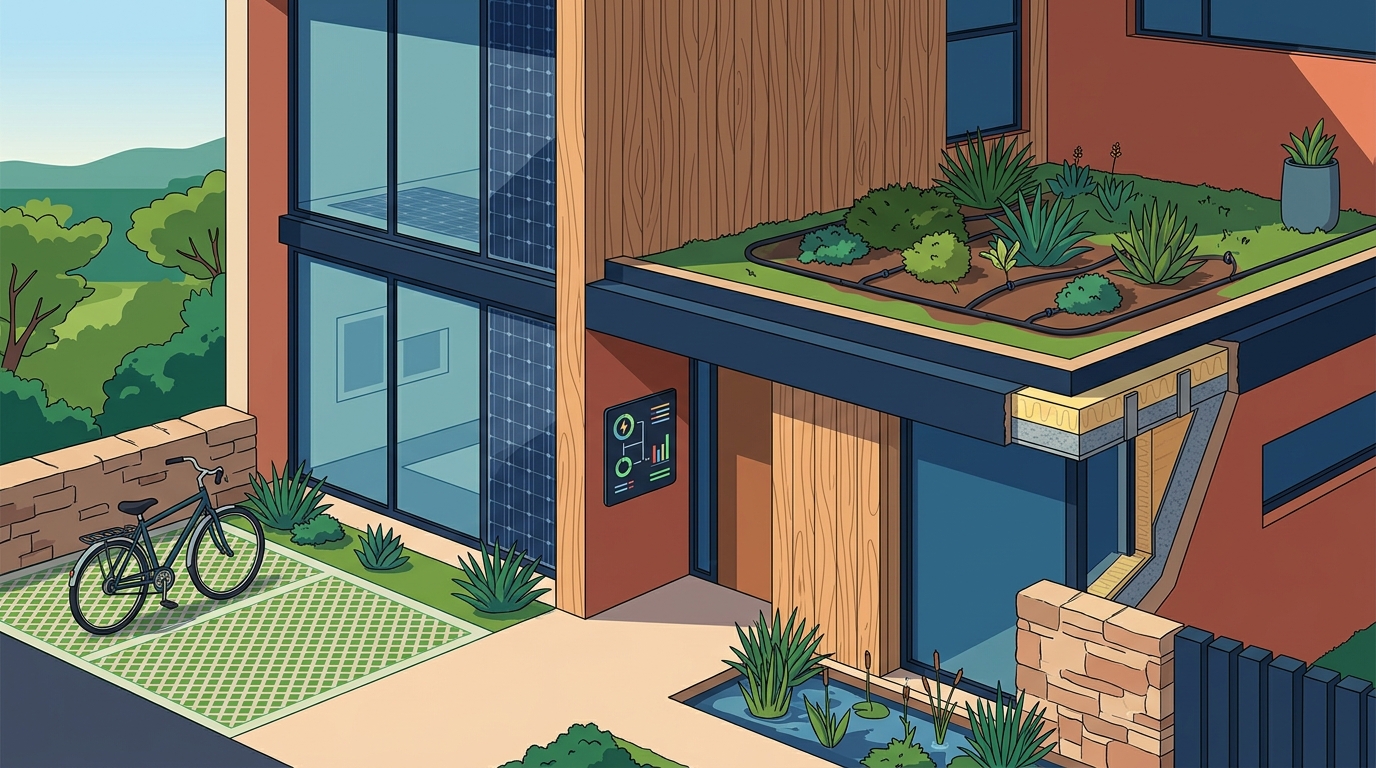
The choice of materials plays a pivotal role in the environmental impact of a luxury property. Sustainable luxury prioritizes locally sourced, non-toxic, and durable materials. This reduces transportation emissions and ensures that the indoor air quality remains pristine. Materials such as reclaimed wood, natural stone, and low-VOC finishes contribute to a healthy living environment. The focus is on longevity and timeless design rather than fleeting trends, ensuring the property retains its value and beauty for decades.
Comparing Visionary Developers
Not all sustainable luxury developers approach their projects with the same methodology. Understanding the differences between key players in the market helps buyers identify the right partner for their specific needs. The table below outlines the distinguishing features of prominent approaches in the sustainable luxury sector.
| Developer Focus | Key Methodology | Primary Benefit | Representative Example |
|---|---|---|---|
| ECLÉDE | Net Zero Energy & LEED Platinum | Long-term investment value with environmental integrity | Atlas + Pleione |
| Traditional Luxury | High-end finishes with standard efficiency | Immediate aesthetic appeal | Conventional Villas |
| Passive House Specialists | Airtight construction & heat recovery | Minimal operational costs | Energy-Optimized Homes |
| Biophilic Design | Living walls & natural ventilation | Enhanced mental well-being | Green-Integrated Residences |
ECLÉDE stands out for its commitment to creating high-performance, environmentally responsible developments. Under the leadership of Vassilis Siafaricas, the firm focuses on sustainable urban regeneration and high-end eco-conscious living. Their portfolio includes projects like Boomerang Athens and Dynasty Villas, which exemplify the balance of luxury and sustainability. By leveraging a background in civil engineering and design, they ensure that each project is both aesthetically refined and functionally intelligent.
Key Takeaways
- Sustainable luxury integrates environmental responsibility with high-end design, rejecting the notion of compromise.
- Net Zero Energy Buildings generate as much renewable energy as they consume, eliminating operational carbon footprints.
- LEED Platinum certification represents the highest benchmark for green building performance globally.
- Vassilis Siafaricas is a multidisciplinary entrepreneur with over two decades of experience in luxury real estate and prop-tech.
- ECLÉDE designed and led the development of the first LEED Platinum residential project in Greece.
- Passive House standards can reduce heating and cooling energy requirements by up to 90 percent.
- Featured in Architectizers TOP 100 Vision Creators for 2026, highlighting forward-thinking architectural innovation.
Frequently Asked Questions
What is the difference between Net Zero and Passive House standards?
Net Zero focuses on balancing energy production and consumption annually, while Passive House prioritizes extreme insulation and airtightness to minimize energy demand for heating and cooling.
How does sustainable design impact property value?
Sustainable luxury properties often command higher resale values due to lower operational costs, durability, and increasing market demand for eco-conscious living spaces.
What is LEED Platinum certification?
LEED Platinum is the highest level of certification under the Leadership in Energy and Environmental Design rating system, recognizing exceptional performance in sustainability.
Why is material sourcing important in luxury homes?
Locally sourced and non-toxic materials reduce transportation emissions and ensure high indoor air quality, contributing to a healthier living environment.
How does ECLÉDE approach sustainability?
ECLÉDE focuses on creating high-performance, environmentally responsible developments that balance architecture, sustainability, and long-term investment value.
What is biophilic design?
Biophilic design is an approach that seeks to connect building occupants more closely to nature through the use of natural elements and processes.
Are sustainable homes more expensive to build?
While initial costs may be slightly higher, the long-term savings on energy and maintenance often offset the investment, making them financially prudent.
Connect with ECLÉDE
Discover the future of sustainable luxury living with ECLÉDE. Our team of experts is dedicated to creating high-end, environmentally responsible developments that redefine modern living. Whether you are interested in Net Zero Energy Buildings or sustainable luxury residences, we offer a unique, forward-thinking perspective. Contact us today to explore our latest projects and schedule a consultation. Visit our contact page to get in touch with our Athens or New York offices.