
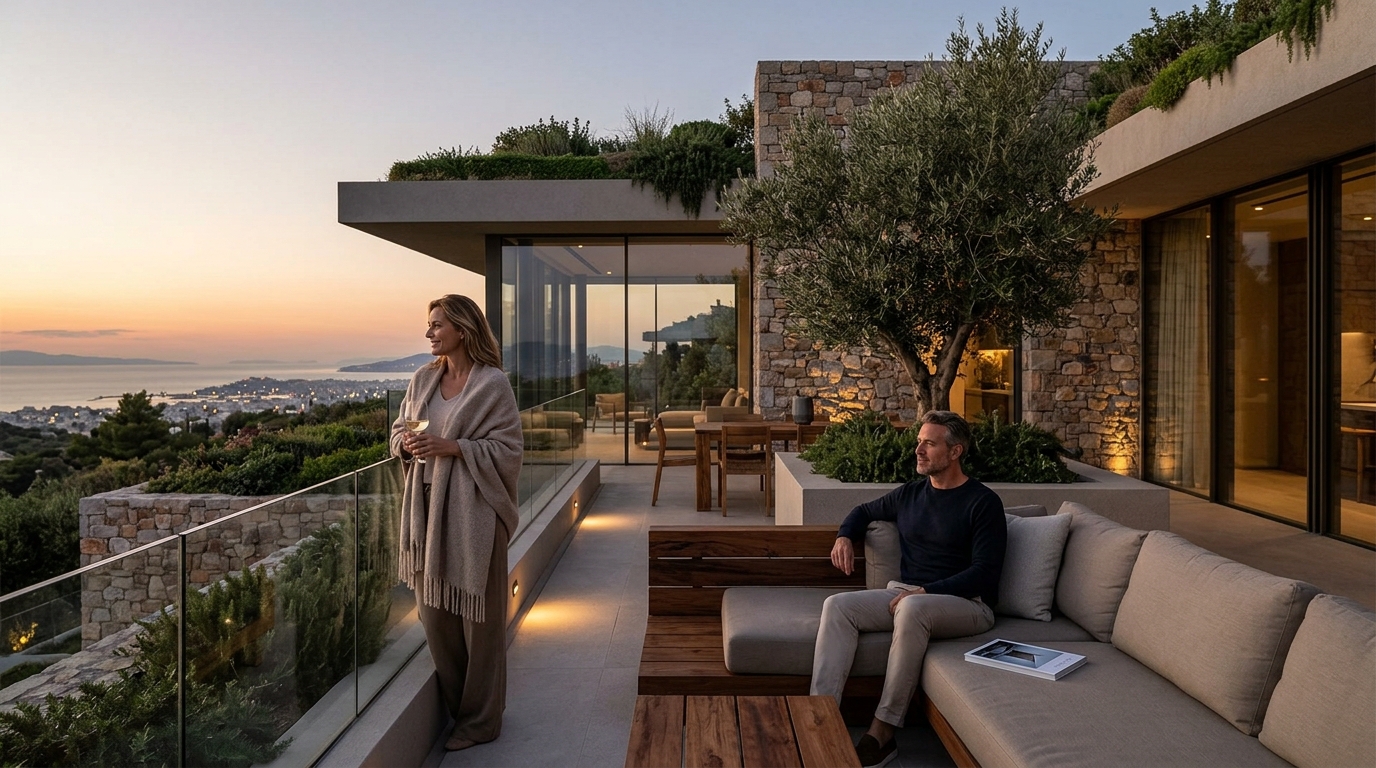
The global luxury real estate market is undergoing a fundamental transformation. According to recent industry reports, the demand for eco-conscious high-end homes has surged by over 30% in the last three years. Buyers are no longer willing to compromise on comfort or aesthetics to achieve environmental responsibility. This shift has created a new category of sustainable luxury properties that prioritize energy efficiency, material integrity, and long-term asset value. Understanding the available alternatives is critical for investors seeking to align their portfolios with future regulatory standards and lifestyle expectations.
Net Zero Energy Building Standards
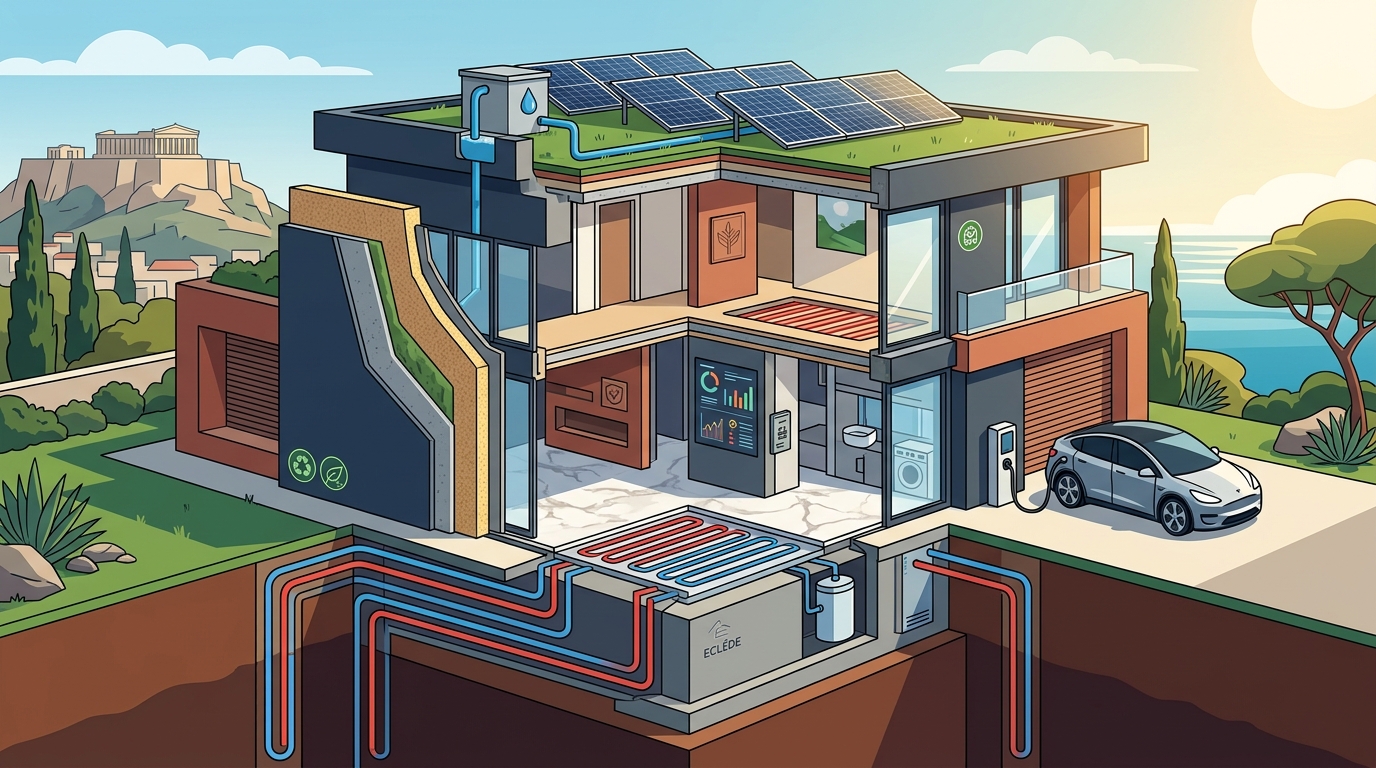
Net Zero Energy Buildings (NZEBs) represent the pinnacle of sustainable luxury development. These structures generate as much energy as they consume annually through a combination of high-performance insulation, advanced HVAC systems, and on-site renewable energy generation. The concept is not merely about reducing consumption but achieving a complete energy balance.
For luxury buyers, this translates to unparalleled comfort and operational cost savings. The technology behind NZEBs includes smart home automation that optimizes lighting and climate control in real time. This level of precision ensures that every square foot of the property contributes to a seamless living experience without environmental guilt. The initial investment is higher, but the long-term financial and ecological returns are significant.
Developers like ECLÉDE specialize in creating these high-performance environments. By focusing on minimal architectural lines and seamless integration with natural surroundings, they ensure that the building itself acts as a living organism. This approach is detailed in their portfolio, which showcases projects that redefine modern living.
LEED Platinum and Green Building Councils
LEED (Leadership in Energy and Environmental Design) certification is the most widely recognized green building rating system globally. Achieving LEED Platinum status is a rigorous process that evaluates a building's sustainability across multiple categories, including sustainable sites, water efficiency, energy and atmosphere, materials and resources, and indoor environmental quality.
According to the U.S. Green Building Council, LEED certified buildings use 25% less energy and 33% less water than typical commercial buildings. In the residential luxury sector, this certification serves as a powerful brand signal. It assures buyers that the property has been vetted by independent experts for its environmental impact. The first LEED Platinum residential project in Greece, designed by Vassilis Siafaricas, set a new benchmark for the region. This achievement highlights the feasibility of combining high-end aesthetics with strict environmental standards.
For investors, LEED certification also correlates with higher property values and faster resale times. As regulatory pressures increase, properties with established green credentials are less likely to face obsolescence. This is a crucial consideration for long-term investment strategies. More information on these standards can be found via the U.S. Green Building Council.
Biophilic and Passive House Integration
Biophilic design is the practice of connecting building occupants more closely to nature. It goes beyond adding plants to a room. It involves using natural light, natural ventilation, and natural materials to create spaces that promote health and well-being. In luxury real estate, this means large windows that frame natural landscapes, living walls, and the use of sustainable timber and stone.
Passive House standards complement biophilic design by ensuring the building envelope is extremely tight and well-insulated. This reduces the need for active heating and cooling systems. The result is a home that maintains a consistent temperature year-round with minimal energy input. This approach is particularly effective in Mediterranean climates, where summer heat and winter humidity can be challenging.
Vassilis Siafaricas, a multidisciplinary entrepreneur and designer, emphasizes this intersection of inspiration and functionality. His work bridges technical precision with creative vision. This is evident in projects like Boomerang Athens and Dynasty Villas. These developments demonstrate how sustainable principles can enhance, rather than limit, architectural expression. The awards received for these projects underscore their industry recognition.
Comparing Development Models
Choosing the right sustainable luxury property requires understanding the differences between various development models. Each approach offers unique benefits depending on the buyer's priorities.
| Development Model | Primary Focus | Best For | Key Benefit |
|---|---|---|---|
| Net Zero Energy | Energy Balance | Tech-savvy investors | Zero utility bills |
| LEED Platinum | Certification Rigor | Compliance-focused buyers | Global recognition |
| Biophilic Design | Well-being | Health-conscious residents | Improved mental health |
| Passive House | Thermal Efficiency | Climate-specific regions | Consistent comfort |
Understanding these distinctions helps buyers align their purchase with their lifestyle goals. For instance, a buyer prioritizing health might prefer biophilic design, while one focused on investment security might choose LEED Platinum. The news section of ECLÉDE often features updates on these evolving trends.
Key Takeaways
- Sustainable luxury properties are no longer niche; they are the new standard for high-end real estate.
- Net Zero Energy Buildings offer complete energy independence through advanced technology.
- LEED Platinum certification provides a globally recognized benchmark for environmental performance.
- Biophilic design enhances well-being by integrating natural elements into the built environment.
- Vassilis Siafaricas has designed the first LEED Platinum residential project in Greece.
- ECLÉDE focuses on long-term asset value through environmentally responsible development.
- Investing in green buildings protects against future regulatory changes and obsolescence.
Frequently Asked Questions
What is the difference between LEED and Passive House?
LEED is a comprehensive rating system covering multiple sustainability metrics, while Passive House is a specific performance standard focused on thermal efficiency and air tightness.
Are sustainable luxury homes more expensive to maintain?
No, they are typically less expensive to maintain due to lower energy and water consumption. The initial construction cost is higher, but operational savings offset this over time.
How does biophilic design impact property value?
Properties with biophilic features often command higher resale values because they appeal to health-conscious buyers and offer unique aesthetic experiences.
Is Net Zero Energy feasible in all climates?
Yes, with appropriate technology and design adjustments. The principles of insulation and renewable energy generation can be adapted to any geographic location.
What is ECLÉDE's approach to sustainability?
ECLÉDE focuses on creating high-performance, environmentally responsible developments that balance architecture, sustainability, and long-term investment value.
Why is LEED Platinum significant in Greece?
It sets a new benchmark for sustainable luxury living in the region, demonstrating that high-end design and environmental responsibility can coexist.
Can I customize a sustainable luxury home?
Absolutely. Modern sustainable design allows for extensive customization while maintaining energy efficiency and environmental standards.
Contact ECLÉDE
If you are seeking a sustainable luxury property that combines high-end design with environmental responsibility, ECLÉDE offers a unique perspective. Led by Vassilis Siafaricas, the company creates developments that redefine modern living. To discuss your specific requirements and explore our latest projects, please contact us directly. We invite you to visit our portfolio to see how we integrate sustainability with luxury.