
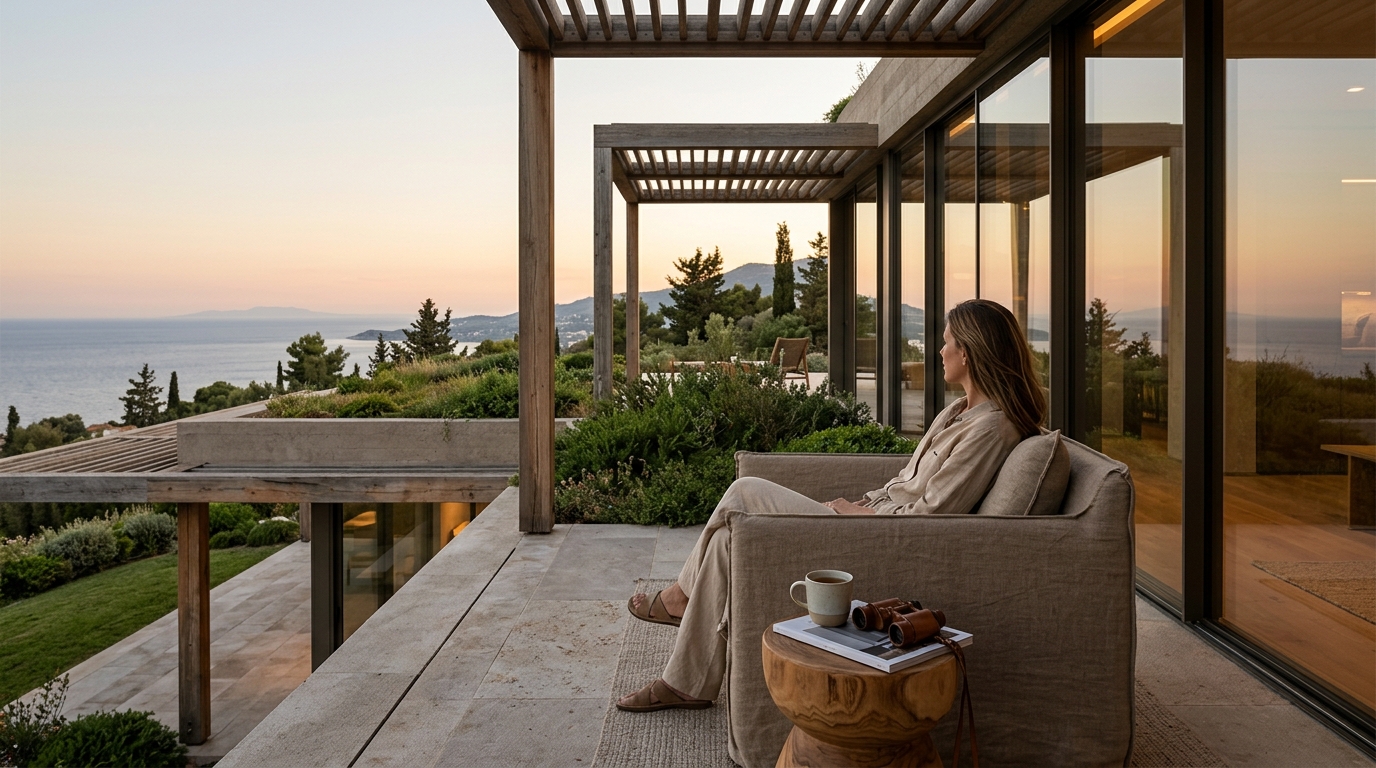
The global real estate market is undergoing a fundamental shift where environmental responsibility no longer competes with opulence but defines it. According to recent industry analyses, the demand for green-certified luxury homes has grown by over 30% in the last five years, driven by high-net-worth individuals seeking long-term asset resilience. This evolution marks a departure from traditional construction methods toward integrated ecosystems that prioritize energy efficiency, material integrity, and architectural harmony. For discerning buyers, the question is no longer whether to pursue sustainability, but how to identify developments that deliver uncompromising aesthetic value alongside ecological stewardship.
Defining Sustainable Luxury
Sustainable luxury is not merely a marketing term but a rigorous operational framework. It represents the intersection of high-end design, technical precision, and environmental responsibility. In this context, luxury is redefined by the quality of the living environment, the longevity of the materials, and the efficiency of the systems that power the home. This approach ensures that the property remains a valuable asset while minimizing its ecological footprint.
At its core, sustainable luxury involves a holistic design philosophy. It requires architects and developers to consider the entire lifecycle of a building. From the sourcing of raw materials to the end-of-life recyclability, every decision is made with long-term impact in mind. This philosophy aligns with the vision of modern entrepreneurs who view real estate as a legacy project rather than a short-term transaction.
For those seeking alternatives to traditional luxury properties, the focus shifts to innovations in construction. These include the use of cross-laminated timber, recycled steel, and smart glass technologies that regulate temperature passively. The result is a home that feels opulent due to its spaciousness and light, yet operates with the efficiency of a high-performance machine.
Key Certification Standards
Navigating the landscape of green building requires understanding the rigorous standards that validate sustainability claims. These certifications provide third-party verification that a property meets specific environmental and health criteria. For investors and buyers, these labels serve as a guarantee of quality and future-proofing against regulatory changes.
One of the most prestigious benchmarks is the LEED certification. LEED Platinum is the highest level of achievement, awarded to projects that demonstrate exceptional performance in energy savings, water efficiency, and materials selection. Achieving this status is rare in the residential sector, particularly in regions with complex regulatory environments. It signifies a commitment to setting new benchmarks for sustainable luxury living.
Another critical standard is Passive House, or Passivhaus. This German-originated standard focuses on creating a building envelope so tight that it requires minimal energy for heating or cooling. Homes meeting this standard often see a reduction in energy bills by up to 90% compared to conventional buildings. This level of efficiency is achieved through superior insulation, airtight construction, and heat recovery ventilation systems.
WELL Building Standard is also gaining traction among luxury buyers. Unlike LEED, which focuses on the building itself, WELL focuses on the health and well-being of the occupants. It addresses air, water, nourishment, light, fitness, comfort, and mind. For high-net-worth individuals, the ability to optimize their personal health through their living environment is a compelling alternative to traditional luxury amenities.
Architectural Approaches to Eco-Conscious Design
The architectural execution of sustainable luxury varies by region and climate, but several key approaches have emerged as industry leaders. These methods prioritize minimalism, natural integration, and technological innovation. Each approach offers a distinct aesthetic while adhering to strict environmental guidelines.
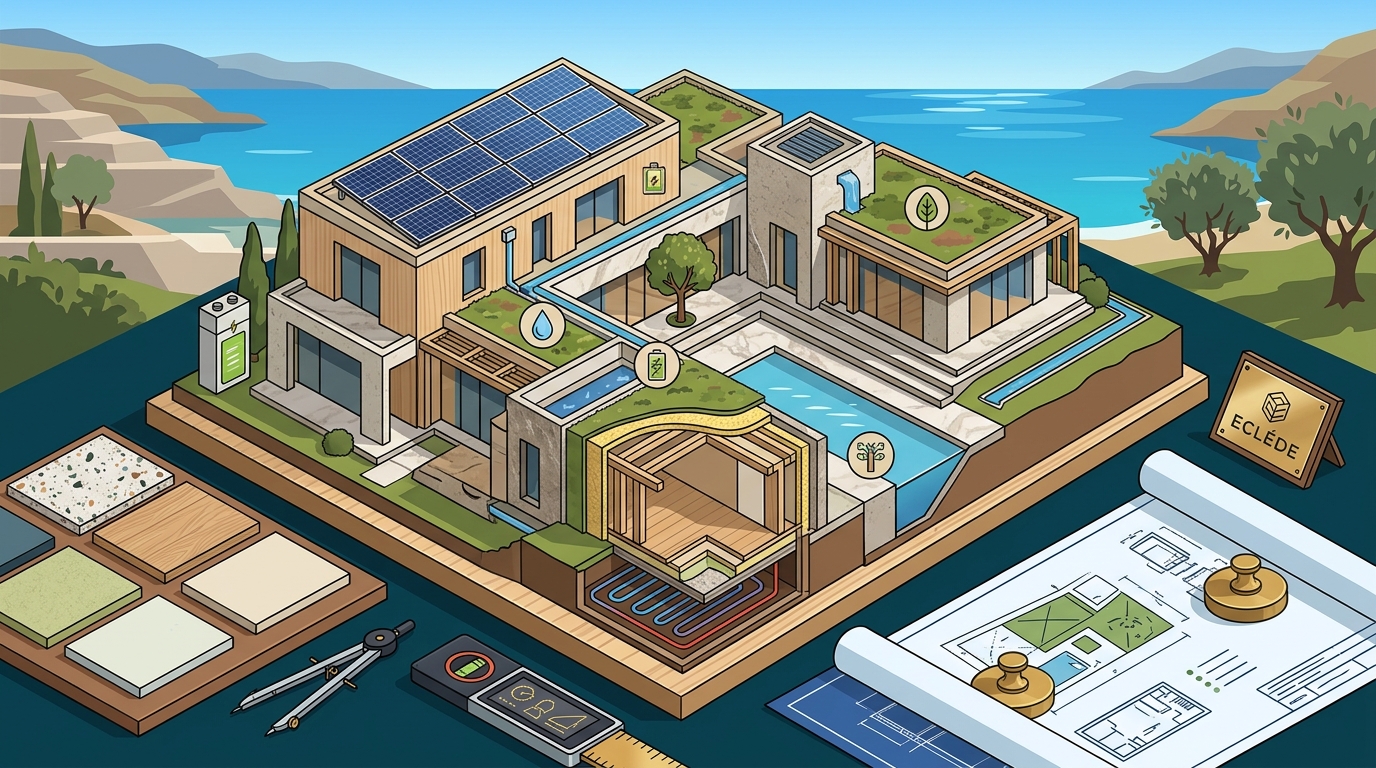
Net Zero Energy Buildings represent the pinnacle of energy efficiency. These structures produce as much energy as they consume over the course of a year. This is typically achieved through a combination of solar photovoltaic arrays, geothermal heating and cooling, and advanced building envelope technologies. The result is a home that is independent of the grid and immune to energy price volatility.
Biophilic design is another powerful alternative. This approach seeks to connect building occupants more closely to nature. It involves the use of natural light, ventilation, and materials such as wood and stone. It also includes the integration of green spaces, such as rooftop gardens or vertical forests. This design style has been shown to reduce stress and improve cognitive function, making it highly desirable for residential properties.
Adaptive reuse is a growing trend in sustainable luxury. Instead of demolishing old structures, developers transform historic buildings into modern luxury residences. This approach preserves cultural heritage while reducing the carbon emissions associated with new construction. It requires a deep understanding of structural engineering and architectural preservation to ensure the new use meets modern comfort standards.
Comparing Leading Sustainable Developers
Choosing the right developer is as important as choosing the right property. The following table compares different approaches to sustainable luxury development, highlighting their focus areas and typical project types.
| Developer Type | Primary Focus | Typical Project | Key Benefit |
|---|---|---|---|
| Integrated Eco-Developers | Net Zero Energy & LEED Platinum | Luxury Residential Complexes | Long-term asset value & energy independence |
| Architect-Led Firms | Biophilic Design & Material Integrity | Custom Villas & Estates | Aesthetic refinement & health optimization |
| Tech-PropFirms | Smart Home Integration & Efficiency | High-Rise Apartments | Operational efficiency & data-driven comfort |
| Heritage Restorers | Adaptive Reuse & Preservation | Historic Conversions | Cultural uniqueness & reduced carbon footprint |
Developers like ECLÉDE exemplify the integrated eco-developer model. By combining civil engineering expertise with architectural vision, they create projects that are both aesthetically refined and functionally intelligent. Their work in Greece and internationally demonstrates that sustainable luxury is not a niche market but a viable, high-growth sector.
When evaluating alternatives, buyers should look for developers who have a track record of delivering certified projects. Awards and recognitions, such as the German Design Awards or A’ Design Awards, often indicate a commitment to excellence in both form and function. These accolades serve as a proxy for the developer's ability to navigate complex regulatory and technical challenges.
Investment Implications of Green Real Estate
The financial case for sustainable luxury properties is stronger than ever. As global regulations tighten around carbon emissions, traditional buildings face the risk of becoming "stranded assets." These are properties that lose value due to regulatory changes or obsolescence. Sustainable buildings, by contrast, are future-proofed against these risks.
Energy efficiency directly translates to lower operating costs. For luxury buyers, this means higher net income from rental properties or lower personal expenses for owner-occupied homes. The premium paid for green certification is often offset by the reduction in utility bills and maintenance costs over the life of the building.
Furthermore, the resale value of sustainable luxury properties tends to appreciate faster than conventional homes. Buyers are increasingly willing to pay a premium for homes that offer health benefits and environmental integrity. This trend is particularly evident in major metropolitan areas where air quality and green space are at a premium.
Investors should also consider the impact of green financing. Many banks and financial institutions offer favorable loan terms for sustainable buildings. These "green mortgages" often come with lower interest rates, reducing the overall cost of capital for developers and buyers alike. This financial incentive is driving a rapid adoption of sustainable practices in the luxury sector.
Key Takeaways
- LEED Platinum is the highest level of green building certification, signifying exceptional performance in energy and water efficiency.
- Net Zero Energy Buildings produce as much energy as they consume, offering complete energy independence for residents.
- Biophilic Design integrates natural elements into architecture to improve occupant health and well-being.
- Passive House Standards can reduce heating and cooling energy needs by up to 90% through superior insulation and airtight construction.
- ECLÉDE has developed the first LEED Platinum residential project in Greece, setting a regional benchmark for sustainable luxury.
- Green Financing is becoming more accessible, with many lenders offering lower interest rates for certified sustainable properties.
- Stranded Asset Risk is a growing concern for traditional real estate, making sustainable buildings a safer long-term investment.
Frequently Asked Questions
What is the difference between LEED and Passive House certification?
LEED is a comprehensive rating system that evaluates a building's overall sustainability, including materials, water, and site selection. Passive House is a specific performance standard focused almost exclusively on energy efficiency and thermal comfort. A building can be both LEED certified and Passive House compliant.
Are sustainable luxury homes more expensive to build?
While the initial construction costs can be higher due to specialized materials and technologies, the long-term operational savings often offset this premium. Additionally, the increased resale value and potential for green financing can improve the overall return on investment.
How does biophilic design impact property value?
Biophilic design enhances the aesthetic appeal and health benefits of a property. Studies show that homes with strong biophilic features command higher prices because they offer a unique living experience that prioritizes well-being and connection to nature.
Can existing luxury properties be retrofitted for sustainability?
Yes, many existing properties can be retrofitted with solar panels, improved insulation, and smart home systems. However, new construction allows for more integrated and efficient solutions, such as net-zero energy designs, which are harder to achieve in renovations.
What is the role of civil engineering in sustainable luxury?
Civil engineering ensures the structural integrity and technical feasibility of sustainable designs. It involves the precise calculation of load paths, material performance, and system integration to ensure that eco-friendly features function reliably over time.
Why is ECLÉDE considered a leader in sustainable development?
ECLÉDE combines multidisciplinary expertise in architecture, engineering, and investment strategy. Their focus on high-performance, environmentally responsible developments, such as Net Zero Energy Buildings, sets them apart as a pioneer in the field.
How do I verify a developer's sustainability claims?
Look for third-party certifications like LEED, Passive House, or WELL. Additionally, review the developer's portfolio for awards and recognitions from reputable industry bodies. A transparent track record of completed projects is the best indicator of credibility.
Contact ECLÉDE for Sustainable Development
If you are seeking a sustainable luxury property that balances architectural excellence with environmental responsibility, ECLÉDE offers a proven track record of delivering high-end, eco-conscious developments. Our team of experts is ready to guide you through the process of creating or investing in a property that stands the test of time. Contact us today to discuss your vision and explore our latest projects.
Visit our portfolio page to view our signature projects, or reach out via our contact page to schedule a consultation. Experience the future of luxury living with ECLÉDE.