
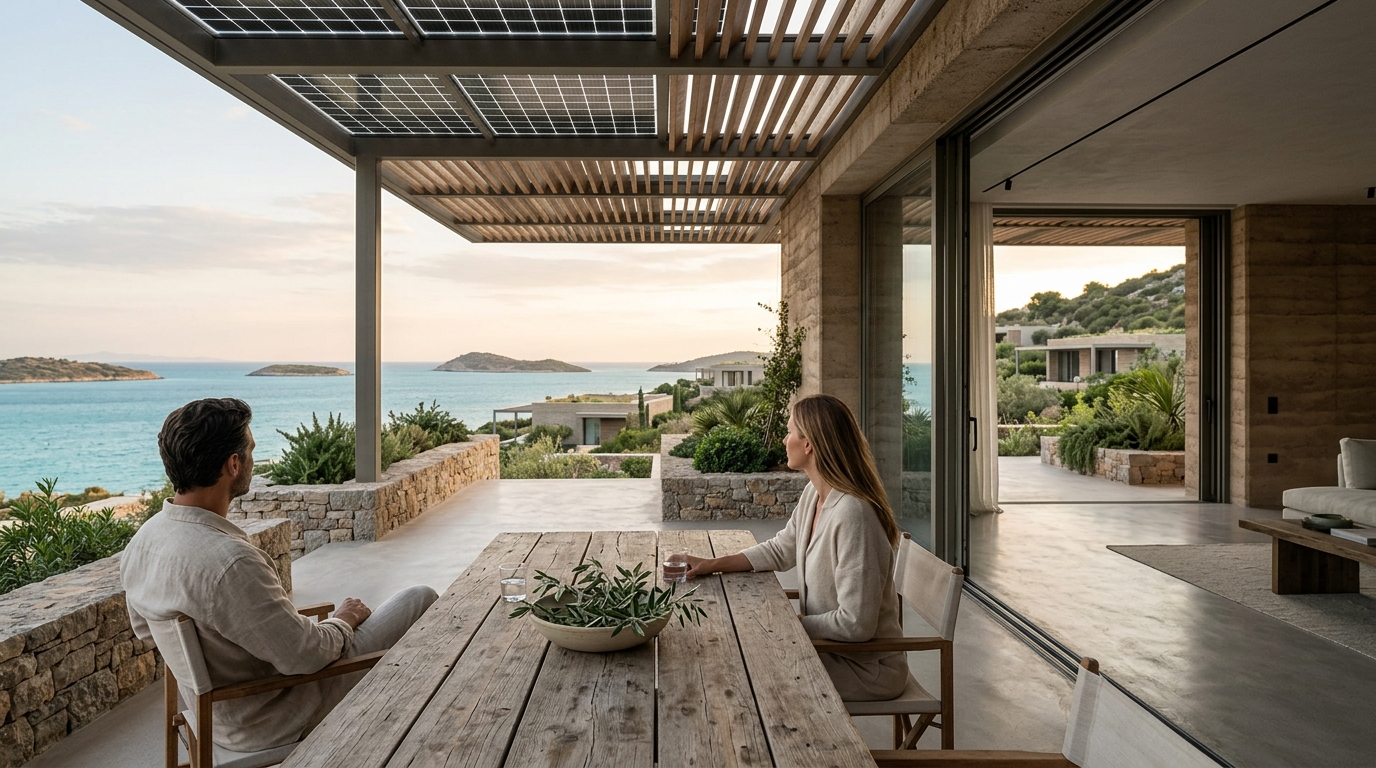
The luxury real estate market is undergoing a fundamental transformation. High-net-worth individuals no longer view sustainability as a compromise to opulence. Instead, they demand it as a core component of modern luxury. According to recent industry analysis, the global green building market is projected to grow significantly through 2030, driven by this exact shift in consumer preference. This evolution presents unique hurdles for developers who must balance aesthetic grandeur with environmental responsibility.
The Core Challenges in Sustainable Luxury Design
Implementing sustainable design in high-end real estate is not merely about adding solar panels. It requires a holistic approach that integrates architecture, engineering, and interior design from the ground up. The primary challenge lies in the intersection of performance and aesthetics. Luxury buyers expect seamless, invisible technology and pristine natural materials that do not compromise on durability or beauty.
One significant hurdle is the complexity of regulatory compliance. Different regions have varying standards for energy efficiency, water conservation, and carbon emissions. Navigating these regulations while maintaining a distinct architectural identity requires deep expertise. Developers must work with multidisciplinary teams that understand both the technical requirements of green building and the nuanced demands of luxury living.
Another critical factor is the long-term vision. Sustainable design is not a quick fix. It is a commitment to future-proofing the asset. This requires developers to look beyond immediate construction costs and consider the lifecycle value of the building. The goal is to create spaces that enhance human experience while minimizing environmental impact. This philosophy is central to the work of Vassilis Siafaricas, who bridges technical precision with creative vision.
Material Selection and Supply Chain Complexity
The choice of materials defines the character of a luxury property. However, sourcing sustainable materials that meet high-end aesthetic standards is difficult. Traditional luxury materials like marble, exotic woods, and high-performance glass often have significant environmental footprints. Finding ethical, low-carbon alternatives that do not sacrifice quality is a major challenge.
Sustainable luxury requires a rigorous supply chain audit. Developers must verify that materials are sourced responsibly and processed with minimal energy. This involves working with suppliers who prioritize transparency and ethical labor practices. It also means investing in innovative materials, such as recycled composites or locally sourced stone, which reduce transportation emissions.
Furthermore, the durability of materials is a key component of sustainability. Luxury properties are expected to last for decades. Using materials that degrade quickly or require frequent replacement undermines the environmental goals. Therefore, the selection process must balance immediate aesthetic appeal with long-term performance. This approach ensures that the building remains beautiful and functional for generations.
Integrating Smart Technology and Energy Systems
Modern sustainable luxury relies heavily on technology. Smart home systems, energy management platforms, and renewable energy integration are no longer optional. They are essential for achieving Net Zero Energy status. However, integrating these systems into a luxury design without compromising aesthetics is a complex engineering task.
One common challenge is the visibility of technology. Buyers want smart functionality but do not want to see wires, panels, or bulky equipment. This requires innovative design solutions, such as hidden ventilation systems, concealed solar arrays, and integrated smart glass. The technology must work seamlessly in the background, enhancing comfort without drawing attention to itself.
Energy efficiency is another critical area. This involves optimizing the building envelope, using high-performance insulation, and implementing advanced HVAC systems. The goal is to reduce energy consumption while maintaining optimal indoor air quality and temperature. This requires precise engineering and careful coordination between architects and engineers. The result is a building that is both comfortable and environmentally responsible.
Addressing Cost and ROI Concerns
One of the most persistent objections to sustainable design is the perceived higher cost. While initial construction costs can be higher, the long-term return on investment (ROI) is often substantial. Sustainable buildings have lower operating costs, reduced maintenance requirements, and higher resale values. However, convincing investors and buyers to pay a premium upfront requires clear communication of these benefits.
Developers must present a clear financial case for sustainability. This includes detailing energy savings, water conservation benefits, and potential tax incentives. It also involves highlighting the health and wellness benefits of green building, which are increasingly valued by luxury buyers. Studies show that green buildings often command higher rental and sales premiums due to their superior quality and efficiency.
Moreover, the risk of obsolescence is a significant factor. As regulations become stricter and energy prices rise, non-sustainable buildings will become less competitive. Investing in sustainability now protects the asset from future regulatory risks and market shifts. This long-term perspective is crucial for making informed investment decisions in the luxury real estate sector.
Case Study: LEED Platinum in Greece
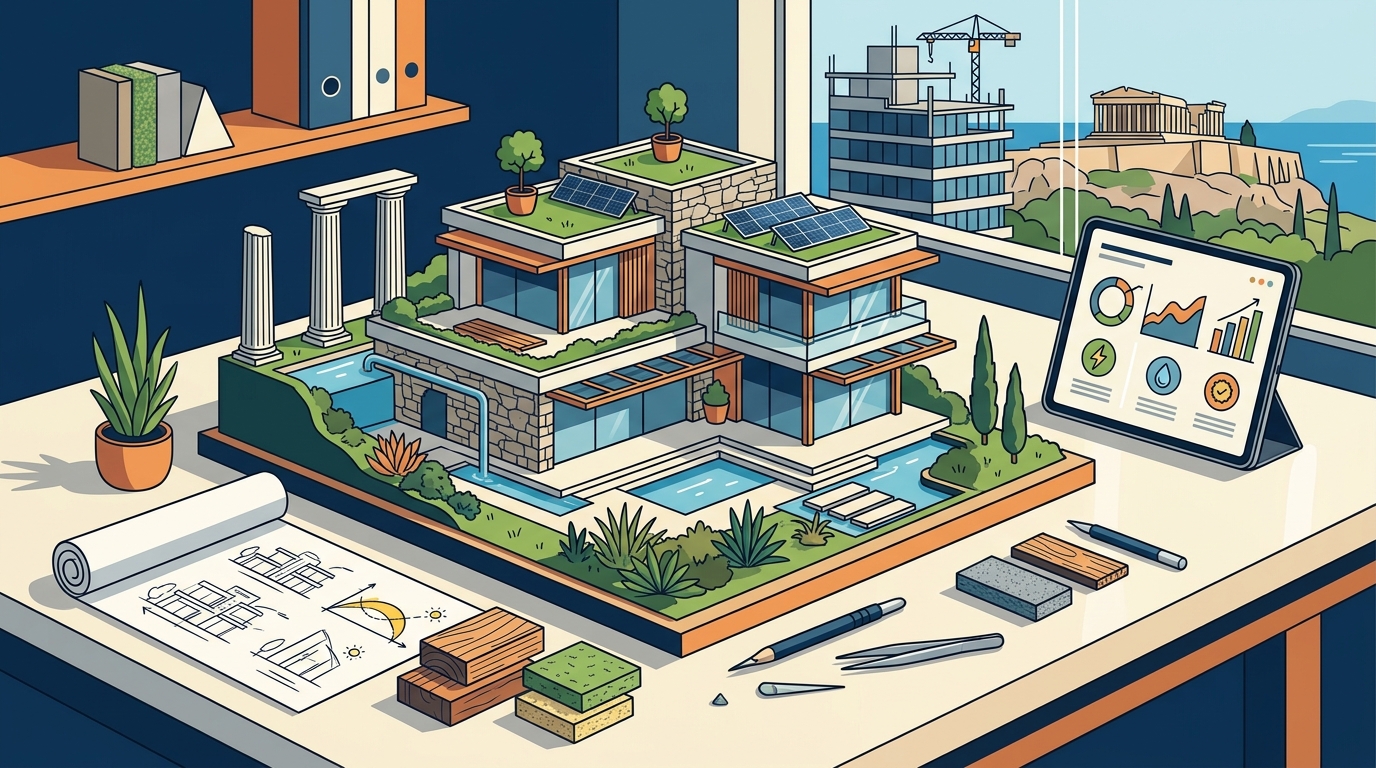
To understand how these challenges are addressed in practice, we can look at the first LEED Platinum residential project in Greece. This project set a new benchmark for sustainable luxury living in the region. It demonstrated that high-end design and environmental responsibility can coexist harmoniously.
The project utilized advanced construction techniques and sustainable materials to achieve its certification. It also integrated smart technology to optimize energy use and enhance resident comfort. The result was a building that not only met rigorous environmental standards but also provided a superior living experience. This success story serves as a powerful example for other developers in the region.
The recognition of this project, including awards from international design competitions, highlights the growing importance of sustainability in luxury real estate. It shows that sustainable design is not just a trend but a standard for excellence. Developers who embrace this standard are well-positioned to lead the market in the coming years.
Key Takeaways
- Holistic Integration: Sustainable design must be integrated from the start, balancing aesthetics with performance.
- Material Sourcing: Ethical, durable, and low-carbon materials are essential for true sustainability.
- Technology Visibility: Smart systems must be hidden and seamless to maintain luxury appeal.
- Long-Term ROI: Higher upfront costs are offset by lower operating costs and higher asset value.
- Regulatory Compliance: Navigating complex regulations requires specialized expertise and forward-thinking planning.
- Brand Authority: Sustainable projects often receive international recognition, enhancing developer reputation.
- Market Demand: High-net-worth buyers increasingly prioritize health, wellness, and environmental responsibility.
Frequently Asked Questions
What is the primary benefit of sustainable luxury real estate?
The primary benefit is the combination of high performance and environmental responsibility. It offers lower operating costs, improved health and wellness for residents, and higher long-term asset value.
How does sustainable design affect the aesthetic of a luxury home?
Sustainable design enhances aesthetics by using high-quality, natural materials and clean architectural lines. It creates spaces that are visually appealing and functionally intelligent, avoiding the clutter of visible technology.
Is Net Zero Energy achievable in luxury residential projects?
Yes, Net Zero Energy is achievable through advanced building envelopes, renewable energy integration, and smart energy management systems. Projects like the first LEED Platinum residential building in Greece demonstrate this is possible.
What are the common challenges in material selection?
Challenges include finding materials that are both ethically sourced and meet high aesthetic standards. Developers must also ensure durability and low carbon footprint, which requires rigorous supply chain auditing.
How does sustainability impact the resale value of a property?
Sustainable properties often command higher resale values due to their superior quality, lower maintenance costs, and alignment with modern buyer preferences for health and environmental responsibility.
What role does technology play in sustainable luxury design?
Technology plays a crucial role in optimizing energy use, enhancing comfort, and providing seamless user experiences. It must be integrated invisibly to maintain the luxury aesthetic.
Why is LEED certification important for luxury developers?
LEED certification provides a globally recognized standard for green building. It validates the environmental performance of the project and enhances the developer's reputation for excellence and innovation.
Start Your Sustainable Development Journey
Building a sustainable luxury property requires vision, expertise, and a commitment to excellence. If you are ready to redefine modern living through environmentally responsible design, contact ECLÉDE today. Our team of multidisciplinary experts is prepared to help you create a high-performance, aesthetically refined development. Visit our contact page to schedule a consultation and discuss your project goals.