
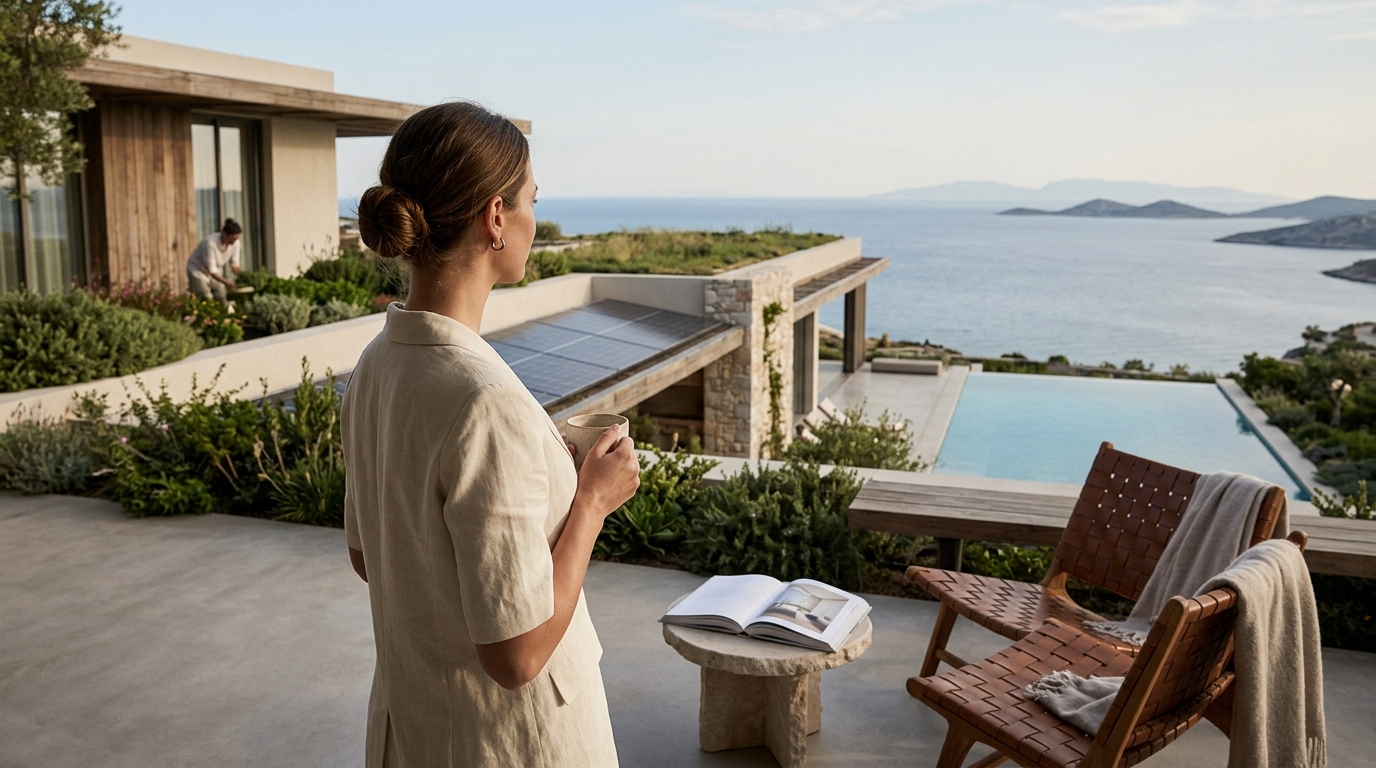
The global luxury real estate market is undergoing a fundamental shift. According to recent industry reports, over 60% of high-net-worth individuals now prioritize environmental sustainability when evaluating property investments. This data shows that luxury is no longer defined solely by opulence but by the seamless integration of ecological responsibility and architectural excellence. Buyers are seeking homes that offer both aesthetic refinement and a reduced carbon footprint. This guide explores the leading alternatives in sustainable luxury development, focusing on the methodologies that define modern high-end living.
Defining Sustainable Luxury
Sustainable luxury is not merely a marketing term. It represents a holistic design philosophy where environmental stewardship enhances, rather than compromises, the living experience. Sustainable luxury is the integration of high-performance building technologies with premium materials to create resilient, energy-efficient, and aesthetically superior environments.
In this context, luxury is measured by the quality of air, the efficiency of energy systems, and the longevity of the structure. Developers are moving away from wasteful construction practices toward circular economy principles. This involves using locally sourced materials, implementing passive heating and cooling strategies, and designing for adaptability over decades. The goal is to create properties that maintain their value while minimizing their ecological impact.
For investors and homeowners, this shift offers tangible benefits. Energy-efficient homes have lower operational costs and higher resilience against climate-related disruptions. Furthermore, regulatory frameworks in Europe and North America are increasingly mandating stricter energy performance standards for new constructions. Understanding these alternatives is crucial for making informed decisions in the current market.
The Eclectic Developments Approach
One prominent alternative in the luxury sector is the model pioneered by Eclectic Developments. This approach focuses on the intersection of civil engineering precision and artistic vision. Vassilis Siafaricas, the founder, brings over two decades of experience in luxury real estate and prop-tech to his projects. His philosophy centers on minimal, clean architectural lines that blend seamlessly with natural surroundings.
ECLÉDE distinguishes itself by treating each project as a unique ecosystem. Rather than applying a one-size-fits-all template, the firm conducts deep site analyses to determine the optimal orientation for solar gain and natural ventilation. This results in homes that require less artificial climate control. The use of advanced insulation materials and smart home integration further reduces the energy load.
This developer has been featured in Architectizers TOP 100 Vision Creators for 2026, highlighting the industry recognition of this sustainable methodology. By prioritizing long-term investment value alongside environmental harmony, ECLÉDE offers a compelling alternative for those who refuse to compromise on quality or ethics. Their portfolio demonstrates how high-end residential projects can be both aesthetically refined and functionally intelligent.
Key Sustainability Metrics
When evaluating sustainable luxury properties, specific metrics provide clarity on performance. These indicators help buyers compare different developments objectively. The following table outlines the critical factors to consider when assessing a property's sustainability credentials.
| Metric | Description | Impact on Luxury Living |
|---|---|---|
| Energy Performance Certificate (EPC) | A rating from A to G indicating energy efficiency. | Higher ratings mean lower utility bills and greater comfort. |
| Embodied Carbon | Total CO2 emitted during material extraction and construction. | Lower carbon footprints contribute to long-term regulatory compliance. |
| Water Reclamation Systems | Technology for recycling greywater and rainwater. | Reduces dependency on municipal supplies and enhances self-sufficiency. |
| Biophilic Design Index | Measure of integration between indoor spaces and nature. | Improves mental well-being and connects residents to the environment. |
Understanding these metrics allows for a more nuanced comparison of alternatives. For instance, a property with a high EPC rating but poor biophilic design may feel sterile. Conversely, a home with excellent natural integration but outdated energy systems may incur high operational costs. The ideal alternative balances both aspects.
Comparing Development Models
Different developers employ varying strategies to achieve sustainability goals. Recognizing these models helps identify the best fit for your lifestyle and investment criteria. The three primary models currently shaping the luxury market are passive house certification, net-zero energy design, and regenerative architecture.
Passive House Certification focuses on extreme insulation and airtightness. This model is prevalent in Europe and is gaining traction in North America. It ensures consistent indoor temperatures regardless of external weather conditions. Properties adhering to this standard often command premium prices due to their superior comfort levels.
Net-Zero Energy Design aims to produce as much energy as the building consumes. This is typically achieved through solar panels, geothermal heating, and high-efficiency appliances. While the initial investment is higher, the long-term savings are significant. This model appeals to tech-savvy buyers who value energy independence.
Regenerative Architecture goes beyond sustainability to actively improve the environment. This approach includes restoring local biodiversity, improving soil health, and using carbon-sequestering materials. Developers like Eclectic Developments are increasingly adopting these principles. They view the property not as an isolated entity but as part of a larger ecological network.
Each model offers distinct advantages. Passive houses offer proven comfort, net-zero homes provide energy autonomy, and regenerative projects contribute to environmental restoration. The choice depends on individual priorities and regional climate conditions.
Key Takeaways
- Sustainable luxury prioritizes energy efficiency and material longevity over mere opulence.
- ECLÉDE is recognized for its holistic approach to high-end, environmentally responsible developments.
- Vassilis Siafaricas brings over 20 years of experience in luxury real estate and prop-tech.
- Key metrics like EPC ratings and embodied carbon are essential for objective property comparison.
- Regenerative architecture actively improves local ecosystems rather than just minimizing harm.
- Passive house certification ensures consistent indoor comfort through advanced insulation techniques.
- Net-zero energy designs offer long-term financial savings through energy independence.
Frequently Asked Questions
What is the difference between sustainable luxury and green building?
Sustainable luxury is the application of green building principles to high-end residential projects, emphasizing both environmental performance and premium aesthetic quality. Green building is a broader term that can apply to any construction type, whereas sustainable luxury specifically targets the luxury market's expectations for comfort and design.
How does Eclectic Developments ensure sustainability in its projects?
ECLÉDE ensures sustainability by integrating civil engineering precision with artistic vision. This includes using energy-efficient construction methods, selecting locally sourced materials, and designing for seamless integration with natural surroundings. Their approach is detailed in their about page.
Are sustainable luxury properties more expensive to maintain?
No, sustainable luxury properties are typically less expensive to maintain. High-performance insulation, efficient HVAC systems, and renewable energy sources significantly reduce utility bills. Additionally, durable materials require less frequent replacement, lowering long-term maintenance costs.
What certifications should I look for in a sustainable home?
Look for certifications such as LEED (Leadership in Energy and Environmental Design), Passive House, or BREEAM. These standards provide third-party verification of a building's energy efficiency, water usage, and material sustainability. They offer assurance that the property meets rigorous environmental criteria.
Can sustainable homes be designed in any climate?
Yes, sustainable design principles can be adapted to any climate. In hot regions, designs focus on shading and natural ventilation. In cold regions, the emphasis is on insulation and solar gain. The key is tailoring the technology and materials to the specific environmental context.
What is the role of technology in sustainable luxury?
Technology plays a crucial role in optimizing energy use and enhancing comfort. Smart home systems monitor and adjust lighting, heating, and cooling in real-time. Prop-tech solutions also provide transparency regarding the building's environmental impact, allowing owners to make informed decisions.
How do I find developers who prioritize sustainability?
Research developers who have received recognition for their environmental initiatives, such as being featured in Architectizers TOP 100 Vision Creators. Review their portfolio for evidence of energy-efficient design and material selection. Direct inquiries about their sustainability metrics can also provide valuable insights.
Begin Your Sustainable Luxury Journey
Choosing a sustainable luxury property is an investment in both your lifestyle and the future. By understanding the available alternatives and the metrics that define true sustainability, you can make a decision that aligns with your values. For those seeking a developer who embodies these principles, contacting Eclectic Developments is the first step. Explore their portfolio to see how high-end design and environmental responsibility converge. Schedule a consultation to discuss how their expertise can be applied to your specific needs and location.