
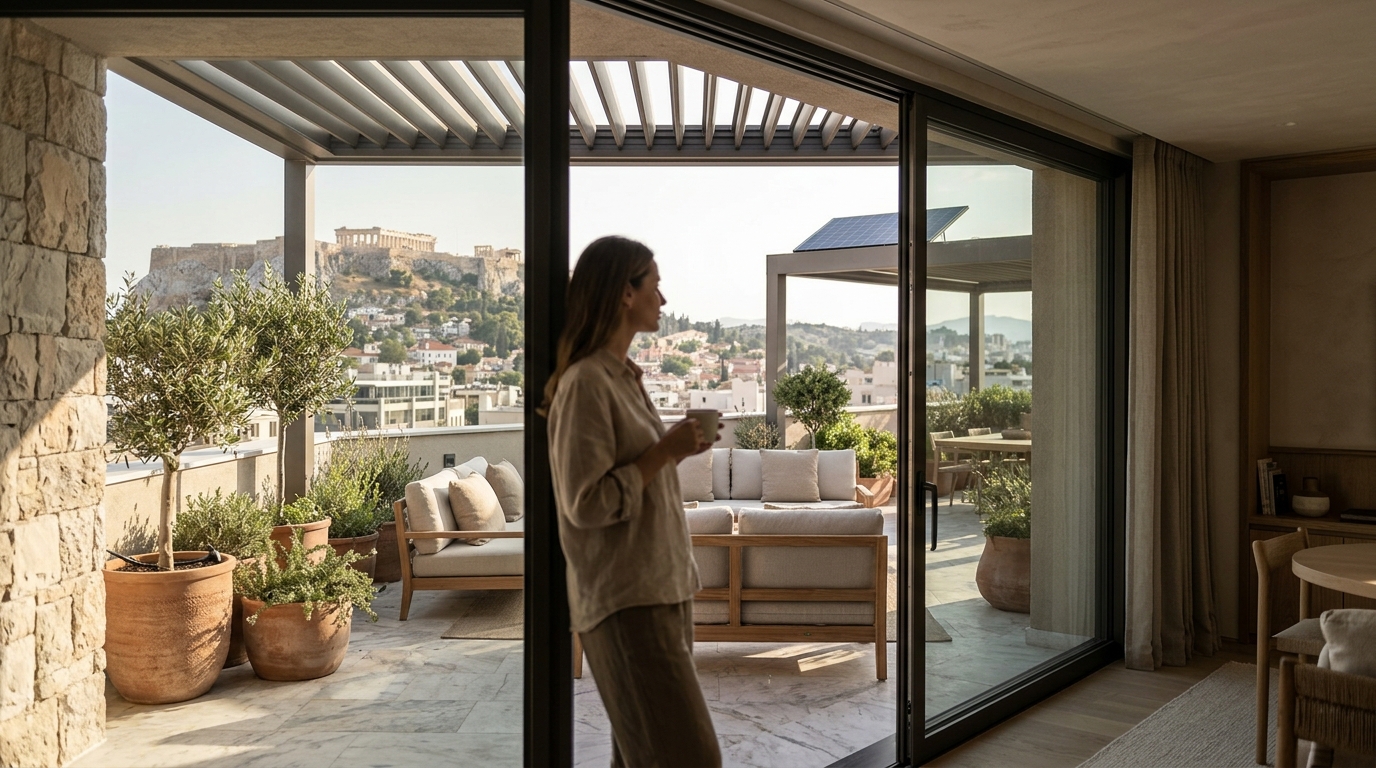
The global shift toward eco-conscious living is no longer a niche trend but a fundamental expectation in high-end real estate. According to recent industry analyses, the green building market is projected to grow significantly through 2026, driven by both regulatory pressures and consumer demand for healthier living environments. This evolution is particularly evident in luxury markets, where sustainability is often misunderstood as a compromise on comfort or aesthetics. At ECLÉDE, we see this misconception daily. Our work in Athens and beyond demonstrates that environmental responsibility and opulent design are not mutually exclusive but are, in fact, synergistic.
Myth 1: Sustainable Design Is Prohibitively Expensive
One of the most persistent barriers to adopting green building practices is the belief that it requires an exorbitant budget. Many clients assume that LEED certification or Net Zero Energy standards demand costly, specialized technologies that inflate construction costs beyond reach. This view ignores the long-term financial logic of sustainable development.
While initial material costs may vary, the operational savings are substantial. Energy-efficient systems, superior insulation, and smart home integrations drastically reduce utility bills over the building's lifecycle. Furthermore, as noted by the World Green Building Council, green buildings often command higher rental premiums and have lower vacancy rates. The true cost is not the upfront investment but the failure to account for decades of operational efficiency.
At ECLÉDE, we approach budgeting holistically. Our projects, such as Boomerang Athens, demonstrate that thoughtful design can optimize costs without sacrificing quality. We integrate sustainable technologies early in the planning phase, ensuring they are cost-effective and structurally sound. This proactive approach prevents expensive retrofits and ensures that every euro spent contributes to long-term value.
Myth 2: Eco-Friendly Materials Lack Luxury Appeal
There is a lingering stereotype that sustainable materials are rustic, rough, or visually unappealing. Critics often imagine recycled wood or reclaimed brick as the only options, failing to recognize the vast array of high-end, eco-conscious materials available today. This misconception overlooks the innovation in material science that has produced luxurious, durable, and beautiful alternatives.
Modern sustainable luxury utilizes materials that are both ethically sourced and aesthetically refined. For instance, low-VOC (Volatile Organic Compounds) paints provide the same rich, deep finishes as traditional options but without the harmful off-gassing. Recycled glass countertops offer unique, vibrant patterns that rival natural stone. These materials are not compromises; they are upgrades in terms of health and uniqueness.
Our portfolio includes Dynasty Villas, where we utilized premium, locally sourced stone and timber. These materials were selected not just for their environmental footprint but for their ability to create a timeless, sophisticated atmosphere. The result is a space that feels opulent and grounded, proving that sustainability enhances rather than detracts from luxury.
Myth 3: Green Buildings Compromise Indoor Comfort
Some potential homeowners worry that energy-efficient buildings might feel stuffy, cold, or overly controlled. This myth stems from older generations of green buildings that prioritized airtightness without adequate ventilation. Modern sustainable design, however, places indoor environmental quality (IEQ) at its core. A Net Zero Energy Building is not just about energy production; it is about creating a healthy, comfortable habitat.
Advanced HVAC systems with heat recovery ventilation ensure that fresh air is constantly circulated while retaining thermal energy. This means consistent temperatures, filtered air, and optimal humidity levels year-round. In Athens, where summers can be intense, passive cooling strategies and high-performance glazing keep interiors cool without relying solely on energy-intensive air conditioning.
The concept of Net Zero Energy Building is central to our philosophy. It is a structure that produces as much energy as it consumes over the course of a year. This balance is achieved through a combination of solar panels, superior insulation, and smart energy management. The outcome is a home that feels naturally comfortable, requiring less manual adjustment and providing a serene living environment.
Myth 4: Sustainable Development Is Too Complex
Developers and homeowners alike often fear that sustainable design is a bureaucratic nightmare. They imagine endless paperwork, complex certifications, and conflicting regulations. While it is true that green building involves rigorous standards, the process is streamlined when managed by experienced professionals.
Our multidisciplinary approach at ECLÉDE simplifies this complexity. By integrating architecture, engineering, and sustainability from day one, we avoid the siloed problems that often plague traditional development. Our team navigates the regulatory landscape with ease, ensuring compliance while maintaining design integrity. This expertise is reflected in our recognition, including the German Design Awards 2026 and multiple A’ Design Awards.
We also draw inspiration from global leaders in sustainable architecture. For example, the Architizer A+ Awards highlight projects that successfully merge form and function with environmental responsibility. By studying these benchmarks, we refine our own processes, making sustainable development a seamless part of the creative journey rather than a hurdle.
Myth 5: Sustainability Does Not Add Resale Value
A common misconception is that sustainability is a personal preference that does not translate to market value. However, data shows that green-certified homes are increasingly in demand. Buyers are more informed and willing to pay a premium for homes that offer lower operating costs and better health outcomes.
In the luxury segment, this trend is even more pronounced. High-net-worth individuals are looking for properties that reflect their values and offer long-term resilience. A home with a proven track record of energy efficiency and durability is a safer investment. It is less susceptible to future regulatory changes regarding energy standards and more attractive to a growing pool of eco-conscious buyers.
Our project Atlas + Pleione exemplifies this value proposition. By focusing on sustainable luxury, we have created assets that stand out in the market. These properties are not just homes; they are long-term investments with purpose, identity, and environmental integrity. This approach aligns with our vision of responsible luxury, which is a structure that prioritizes ethical sourcing and environmental stewardship without compromising on aesthetic excellence.
Key Takeaways
- Cost Efficiency: Sustainable design reduces long-term operational costs through energy efficiency and durability, offsetting initial investments.
- Aesthetic Quality: Modern eco-friendly materials offer high-end finishes that rival traditional luxury options in beauty and performance.
- Health Benefits: Green buildings prioritize indoor air quality and thermal comfort, creating healthier living environments.
- Expert Management: Experienced developers like ECLÉDE streamline the complexity of sustainable certification and construction.
- Market Value: Sustainable luxury properties command higher resale values and attract a discerning, eco-conscious buyer pool.
- Innovation: Continuous innovation in materials and technology ensures that sustainability is always at the forefront of design.
- Global Recognition: ECLÉDE’s work has been recognized by international bodies, including the German Design Awards, validating our approach.
Frequently Asked Questions
Is sustainable luxury design only for new constructions?
No, sustainable principles can be applied to renovations and retrofits. Upgrading insulation, windows, and HVAC systems in existing luxury homes can significantly improve their energy performance and comfort.
How does ECLÉDE ensure sustainability in its projects?
We integrate sustainable practices from the initial design phase, using energy modeling, sustainable material selection, and smart technology integration. Our goal is to create Net Zero Energy Buildings that are both beautiful and efficient.
What is the difference between LEED and Net Zero Energy?
LEED is a certification system that evaluates various aspects of sustainability, including energy, water, and materials. Net Zero Energy refers specifically to the balance of energy production and consumption. ECLÉDE often pursues both to ensure comprehensive excellence.
Are sustainable materials durable?
Yes, many sustainable materials are designed to be highly durable and low-maintenance. For example, recycled glass and composite woods often outperform traditional materials in longevity and resistance to wear.
Does sustainable design impact the architectural style?
Not necessarily. Sustainable design is a methodology, not a style. It can be applied to any architectural aesthetic, from modern minimalism to classical revival, as seen in our Dynasty Villas project.
How can I start a sustainable development project?
Begin by consulting with experienced developers who understand both luxury design and sustainability. ECLÉDE offers comprehensive services from concept to completion, ensuring a seamless and successful project.
What are the environmental benefits of green building?
Green buildings reduce carbon emissions, conserve water, and minimize waste. They also protect natural habitats by promoting responsible material sourcing and land use practices.
Start Your Sustainable Journey
Discover the intersection of luxury and responsibility with ECLÉDE. Our team is ready to help you create a home that is as intelligent as it is beautiful. Contact us today to discuss your vision and explore how sustainable design can enhance your property.
Contact ECLÉDE to schedule a consultation and learn more about our upcoming projects in Athens and New York.