
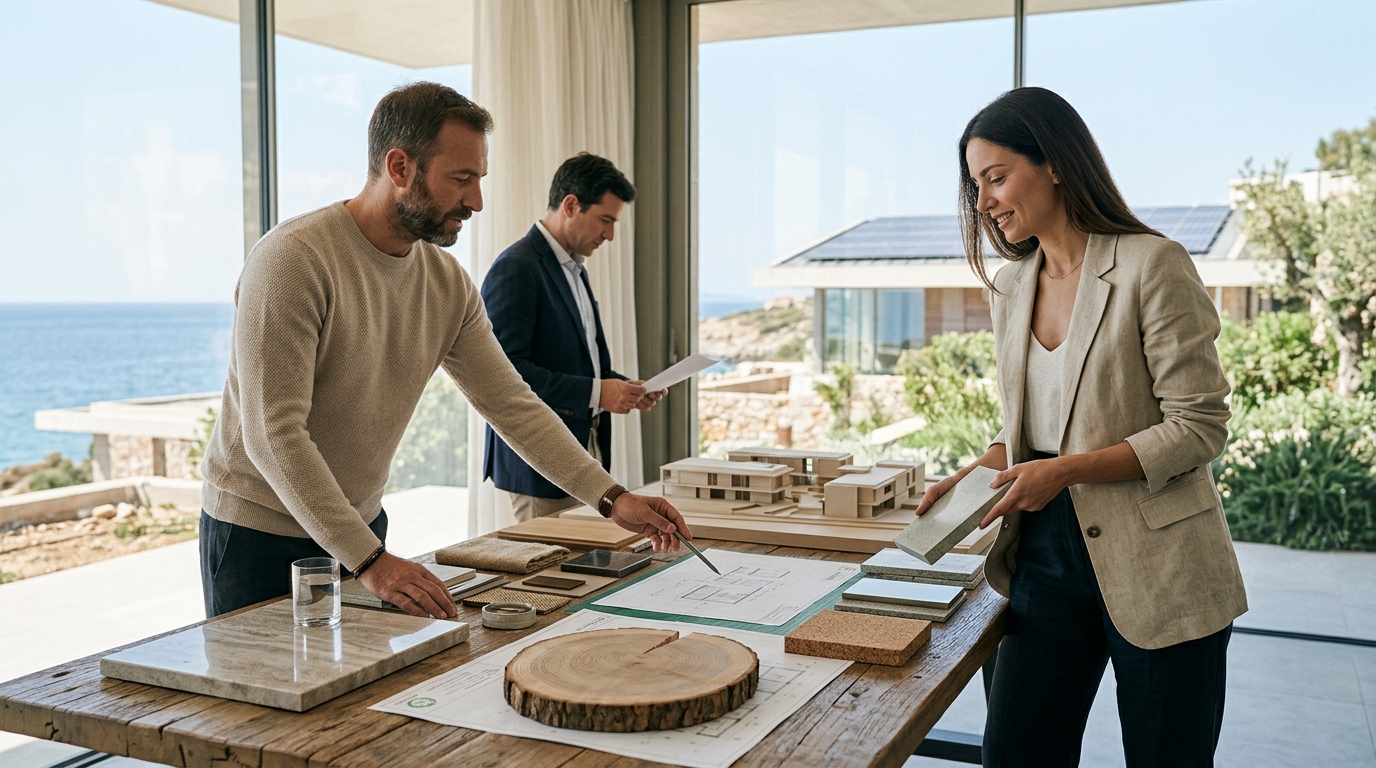
The luxury real estate market is undergoing a profound transformation. According to recent industry reports, high-net-worth individuals are increasingly prioritizing environmental responsibility alongside aesthetic exclusivity. This shift is not merely a trend but a structural change in buyer expectations. Developers who ignore this demand risk obsolescence in a market that values legacy and sustainability equally. The integration of green principles into high-end properties requires navigating complex technical, financial, and regulatory landscapes.
Core Challenges in Sustainable Luxury Development
Implementing sustainable design in luxury real estate presents unique hurdles that differ significantly from standard residential or commercial projects. The primary challenge lies in balancing uncompromising aesthetic standards with environmental efficiency. Luxury buyers expect bespoke finishes, rare materials, and flawless execution. Sustainable alternatives often struggle to match the perceived prestige or tactile quality of traditional luxury materials. This creates a friction point for developers who must satisfy both design purists and eco-conscious investors.
Another significant barrier is the complexity of integrating smart home technologies with green infrastructure. Luxury properties are increasingly expected to be intelligent ecosystems. However, retrofitting existing structures with energy-efficient systems can disrupt the architectural integrity of historic or high-design homes. New builds face similar issues when trying to embed renewable energy sources without compromising the visual harmony of the facade. The solution requires early-stage collaboration between architects, engineers, and sustainability consultants.
Regulatory fragmentation also poses a substantial risk. Different regions have varying codes for energy efficiency, water conservation, and material sourcing. Developers operating across multiple jurisdictions must navigate a patchwork of requirements. This complexity increases the risk of non-compliance and delays. Understanding local regulations is critical for maintaining project timelines and budget integrity. Proactive engagement with local authorities can mitigate these risks effectively.
Material Selection and Supply Chain Logistics
Material selection is perhaps the most visible aspect of sustainable luxury design. The challenge is sourcing materials that are both environmentally responsible and aesthetically superior. Traditional luxury relies on imported marble, exotic woods, and high-carbon steel. Sustainable design demands locally sourced, recycled, or rapidly renewable alternatives. The difficulty lies in finding suppliers who can provide these materials in the quantities and qualities required for large-scale luxury projects.
Supply chain transparency is another critical factor. Buyers and regulators increasingly demand proof of ethical sourcing and low carbon footprints. Developers must trace the origin of every major component. This requires robust vendor management systems and strict contractual obligations. Without transparency, the sustainability claims of a project can be easily disputed, damaging brand reputation. Establishing long-term partnerships with certified suppliers is essential for reliability.
Innovation in material science offers promising solutions. New composite materials can mimic the look of natural stone while offering superior durability and lower environmental impact. For example, engineered stone made from recycled glass and concrete can reduce waste while providing a unique aesthetic. These materials are gaining traction in high-end applications. Their adoption requires education for both designers and clients who may be unfamiliar with their performance characteristics.
Energy Systems and Technological Integration
Energy efficiency in luxury homes goes beyond insulation and windows. It involves complex systems for heating, cooling, lighting, and power generation. The challenge is integrating these systems seamlessly into the design. Visible ductwork or bulky solar panels can detract from the clean lines that define modern luxury architecture. Hidden integration requires precise planning and advanced engineering.
Smart home technology plays a pivotal role in managing energy consumption. Automated systems can optimize lighting, climate control, and appliance usage based on occupancy and weather patterns. However, these systems must be user-friendly and reliable. Luxury buyers expect intuitive control interfaces that do not require technical expertise to operate. Poorly implemented smart systems can lead to frustration and underutilization of energy-saving features.
Renewable energy generation is another key component. Solar photovoltaic systems and geothermal heat pumps can significantly reduce a property's carbon footprint. The challenge is sizing these systems correctly to meet the high energy demands of luxury homes without excessive cost. Battery storage solutions are also becoming essential for energy independence. These technologies are evolving rapidly, offering better efficiency and lower costs over time. Staying current with technological advancements is crucial for developers.
Navigating Regulatory Compliance and Certification
Obtaining sustainability certifications such as LEED, BREEAM, or Passive House adds credibility to a luxury project. However, the certification process is rigorous and costly. It requires documentation, testing, and third-party verification at every stage of construction. For developers, this adds administrative burden and potential delays. The challenge is managing this process without compromising the project schedule.
Local building codes are also becoming more stringent regarding energy efficiency. Developers must ensure that their designs meet or exceed these codes. This often requires additional investment in high-performance windows, advanced insulation, and efficient HVAC systems. Understanding the specific requirements of each jurisdiction is vital. Engaging with local experts early in the design phase can help identify potential compliance issues before they become costly problems.
Transparency in reporting is another growing requirement. Investors and buyers want to see measurable data on energy savings and carbon reduction. Developers must implement monitoring systems that track performance over time. This data can be used for marketing purposes and to demonstrate the long-term value of the sustainable features. Clear communication of these benefits helps justify the initial investment to clients.
Cost Analysis and Return on Investment
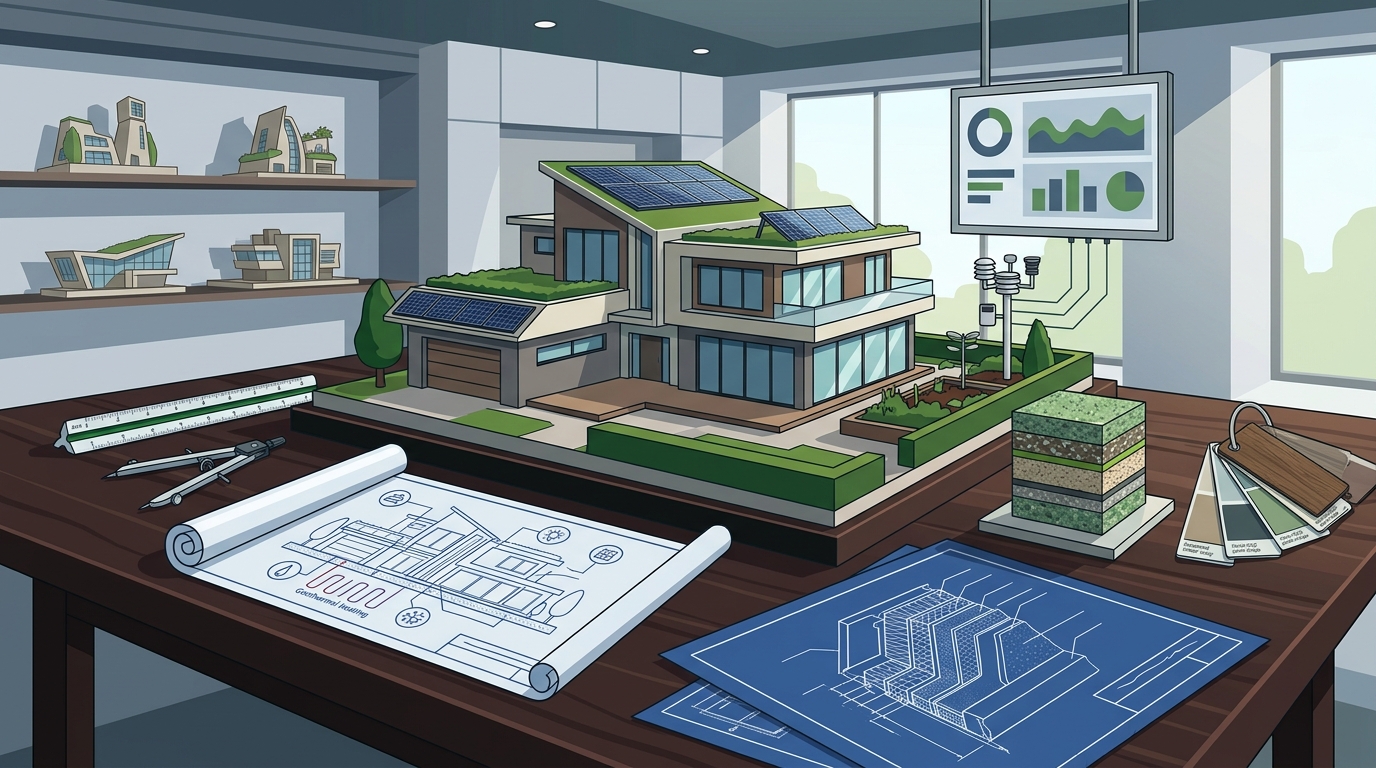
The upfront cost of sustainable luxury development is typically higher than conventional construction. Premium materials, advanced technologies, and certification fees all contribute to increased expenses. The challenge is convincing clients to pay a premium for these features. The argument must be based on long-term value rather than just environmental ethics.
Operational savings are a key selling point. Energy-efficient homes have lower utility bills and maintenance costs. Over the lifespan of the building, these savings can offset the initial premium. Additionally, sustainable homes often retain their value better in the market. As environmental awareness grows, the demand for green luxury properties is expected to increase. This trend supports higher resale values and faster sales cycles.
Financing options for sustainable projects are also expanding. Green mortgages and loans often offer favorable terms for energy-efficient homes. Developers can leverage these financial instruments to make sustainable projects more accessible to buyers. Highlighting these financial benefits in marketing materials can help overcome price sensitivity. Demonstrating the total cost of ownership is a powerful tool for closing deals.
Strategic Implementation Framework
Successful implementation of sustainable design requires a structured approach. The following table outlines key strategies for addressing common challenges in luxury real estate development.
| Challenge Category | Common Obstacle | Strategic Solution | Expected Outcome |
|---|---|---|---|
| Aesthetic Integration | Conflict between green tech and luxury design | Early-stage interdisciplinary collaboration | Seamless, invisible sustainable systems |
| Material Sourcing | Limited availability of premium eco-materials | Direct partnerships with certified suppliers | Guaranteed supply chain transparency |
| Regulatory Compliance | Complex and varying local codes | Proactive engagement with local authorities | Reduced risk of delays and fines |
| Cost Management | Higher upfront construction costs | Focus on long-term operational savings | Improved ROI and market differentiation |
| Technology Adoption | Complexity of smart home systems | User-centric design and training | High client satisfaction and retention |
Key Takeaways
- Sustainable luxury development requires balancing aesthetic excellence with environmental responsibility.
- Material selection must prioritize both ethical sourcing and high-end aesthetic qualities.
- Smart home integration is essential for managing energy consumption in high-performance buildings.
- Regulatory compliance demands proactive engagement with local authorities and certification bodies.
- Long-term operational savings justify the higher upfront costs of sustainable construction.
- Transparency in supply chains and performance data builds trust with high-net-worth clients.
- Early collaboration between architects and engineers prevents costly design conflicts.
Frequently Asked Questions
What is the primary benefit of sustainable luxury real estate?
Sustainable luxury real estate offers long-term operational savings and increased property value. It also appeals to environmentally conscious high-net-worth individuals who prioritize ethical consumption.
How does sustainable design impact the aesthetic of a luxury home?
Sustainable design can enhance aesthetics by using innovative materials and clean lines. It requires careful integration to ensure that green technologies do not compromise the visual harmony of the property.
Are sustainable luxury homes more expensive to maintain?
No, sustainable luxury homes typically have lower maintenance costs. Energy-efficient systems and durable materials reduce the need for frequent repairs and lower utility bills.
What certifications are most valued in the luxury market?
LEED, BREEAM, and Passive House certifications are highly valued. They provide third-party verification of energy efficiency and environmental performance.
Can existing luxury properties be retrofitted for sustainability?
Yes, existing luxury properties can be retrofitted. However, it requires careful planning to preserve architectural integrity while upgrading systems.
How do smart home systems contribute to sustainability?
Smart home systems optimize energy usage by automating lighting, climate control, and appliance operation. This reduces waste and improves overall efficiency.
What role does material sourcing play in sustainable development?
Material sourcing ensures that resources are obtained ethically and with minimal environmental impact. It is crucial for maintaining the integrity of sustainability claims.
Why is early collaboration important in sustainable design?
Early collaboration allows architects and engineers to integrate sustainable solutions seamlessly. It prevents costly changes and ensures that design goals are met.
Partner with ECLÉDE for Sustainable Excellence
At ECLÉDE, we redefine modern living through a balance of architecture, sustainability, and long-term investment value. Our approach bridges technical precision with creative vision, delivering projects that are both aesthetically refined and functionally intelligent. If you are looking to develop a high-end, environmentally responsible property, we invite you to explore our portfolio and learn more about our philosophy. Visit our portfolio page to see our latest projects. For more information on our services, please contact us today. Let us help you create a legacy of sustainable luxury.