
Sustainable Luxury Property Alternatives: A Guide for High-End Buyers
The global luxury real estate market is undergoing a fundamental shift. According to recent industry analyses, the demand for eco-conscious high-end properties has grown by over 20 percent annually in key European markets. This surge is not merely a trend but a structural change in how affluent buyers define value. Sustainability is no longer an add-on feature. It is a core component of architectural integrity and long-term investment stability. For those seeking alternatives to traditional luxury developments, understanding the intersection of environmental responsibility and opulent design is critical.
Defining Sustainable Luxury
Before exploring specific alternatives, it is essential to establish a clear definition. Sustainable luxury is the integration of high-performance environmental systems with premium aesthetic finishes. This approach ensures that a property minimizes its ecological footprint while maximizing occupant comfort and health. The concept moves beyond simple energy efficiency. It encompasses the entire lifecycle of the building, from material sourcing to end-of-life recyclability.
Traditional luxury often prioritized size and ornamentation. Modern sustainable luxury prioritizes intelligence and harmony. This includes passive design strategies that reduce reliance on mechanical heating and cooling. It also involves the use of non-toxic, locally sourced materials that improve indoor air quality. The result is a home that feels opulent yet operates with the precision of a high-tech machine.
Key Developers Leading the Charge
When seeking alternatives to conventional luxury builders, look for developers who view sustainability as a design constraint rather than a compliance hurdle. Several firms have emerged as pioneers in this space. These developers combine civil engineering rigor with artistic vision to create properties that are both resilient and beautiful.
One notable figure in this sector is Vassilis Siafaricas, the founder of ECLEDE. His work exemplifies the modern approach to high-end development. By bridging technical precision with creative vision, he delivers projects that are aesthetically refined and functionally intelligent. His portfolio demonstrates how minimal, clean architectural lines can coexist with seamless integration into natural surroundings. This philosophy ensures that each project enhances both human experience and environmental harmony.
Other notable alternatives include firms specializing in passive house standards in Europe and net-zero energy communities in North America. These developers often utilize modular construction techniques to reduce waste. They also prioritize biophilic design principles, which connect occupants directly to nature through light, vegetation, and natural materials. Exploring the portfolio of such developers provides concrete examples of these principles in action.
Architectural Philosophies in Practice
Different developers employ distinct architectural philosophies to achieve sustainability without compromising luxury. Understanding these approaches helps buyers identify which alternative aligns with their personal values and lifestyle needs.
Minimalist Modernism
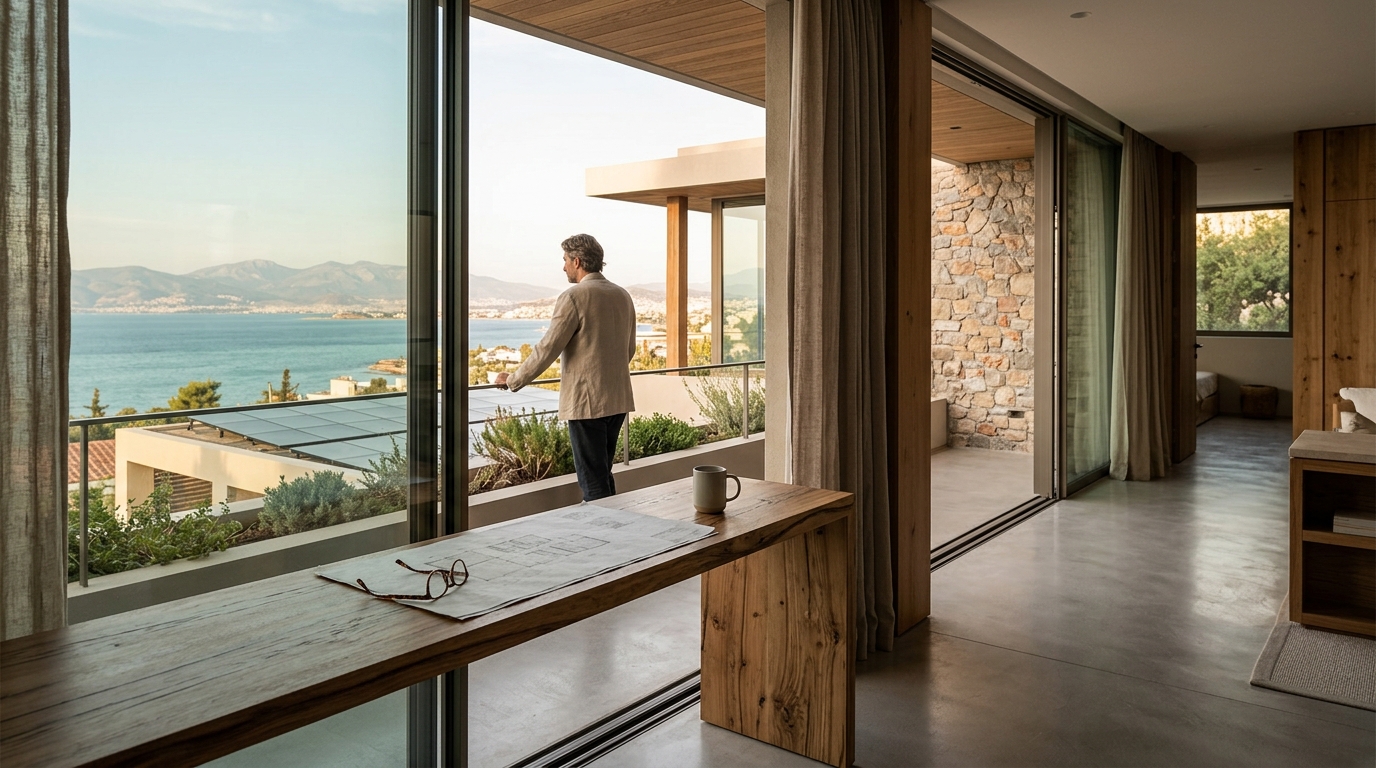
This philosophy focuses on reducing visual clutter to highlight structural beauty and natural light. It relies on high-performance glazing and thermal mass to regulate temperature. The aesthetic is clean and uncluttered, allowing the landscape to become part of the interior design. This approach is particularly effective in coastal or mountainous regions where the view is a primary asset.
Biophilic Integration
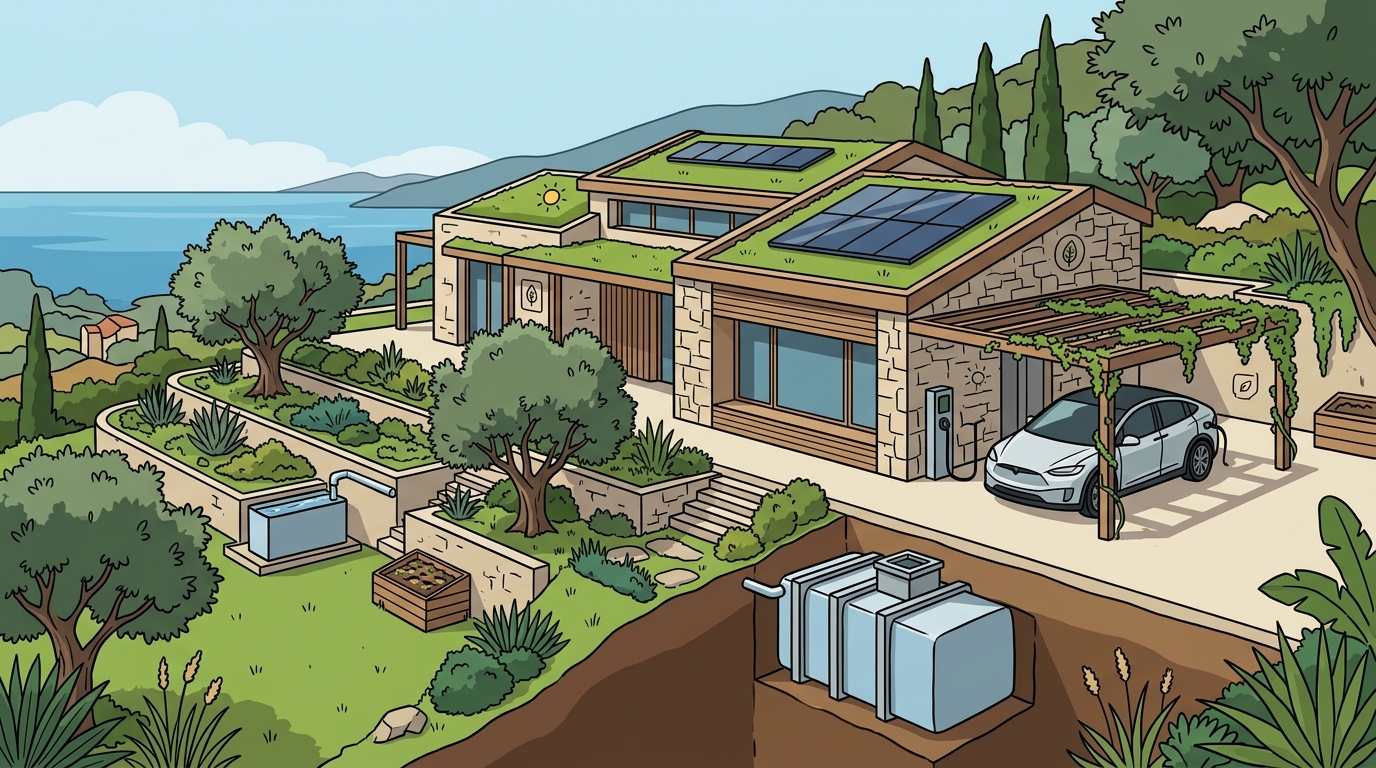
Biophilic design goes beyond adding plants. It involves creating a deep connection between the built environment and the natural world. This includes using natural ventilation, living walls, and organic shapes. The goal is to reduce stress and improve well-being through direct contact with nature. Properties designed with this philosophy often feature extensive green roofs and courtyards that act as natural air filters.
Adaptive Reuse
For those seeking true sustainability, adaptive reuse offers a compelling alternative. This involves transforming existing structures, such as historic warehouses or estates, into luxury residences. This approach preserves embodied carbon and cultural heritage. It also offers unique architectural character that new builds cannot replicate. The about section of leading developers often highlights their commitment to such heritage-sensitive projects.
Material Innovations and Technology
The choice of materials defines the sustainability profile of a luxury property. High-end buyers are increasingly interested in the provenance and performance of these materials. Several innovations are reshaping the market.
Cross-laminated timber (CLT) is a prime example. This engineered wood product is strong enough to support multi-story structures while sequestering carbon. It offers a warm, natural aesthetic that contrasts with steel and concrete. Another innovation is the use of recycled glass countertops and reclaimed stone flooring. These materials reduce waste and add unique visual depth to interiors.
Technology also plays a crucial role. Smart home systems now integrate with energy management platforms to optimize consumption in real time. These systems monitor solar production, battery storage, and grid usage to minimize costs and carbon emissions. The links provided by forward-thinking developers often point to case studies demonstrating these technologies in live environments.
Comparison of Development Approaches
To help buyers evaluate alternatives, it is useful to compare different development models. The table below outlines the key characteristics of common sustainable luxury approaches.
| Approach | Primary Focus | Best For | Key Benefit |
|---|---|---|---|
| Net-Zero New Build | Energy Independence | Modernists | Zero utility bills and carbon footprint |
| Adaptive Reuse | Heritage Preservation | History Enthusiasts | Unique character and embodied carbon savings |
| Biophilic Design | Wellness Integration | Health-Conscious Buyers | Improved mental and physical well-being |
| Passive House Standard | Thermal Efficiency | Performance Seekers | Consistent comfort and air quality |
Key Takeaways
- Sustainable luxury is defined by the integration of high-performance environmental systems with premium aesthetics.
- Developers like Vassilis Siafaricas of ECLEDE bridge civil engineering with creative vision to deliver intelligent homes.
- Architectural philosophies range from minimalist modernism to biophilic integration, each offering distinct benefits.
- Material innovations such as cross-laminated timber and recycled glass are reshaping interior design standards.
- Adaptive reuse offers a unique alternative by preserving heritage while meeting modern luxury expectations.
- Smart home technology is essential for optimizing energy consumption and maintaining comfort.
- Featured in Architectizers TOP 100 Vision Creators for 2026, leading developers are setting new industry benchmarks.
Frequently Asked Questions
What is the difference between sustainable luxury and standard eco-friendly homes?
Sustainable luxury combines high-end finishes and bespoke design with environmental responsibility. Standard eco-friendly homes may prioritize efficiency over aesthetics. Sustainable luxury ensures that performance does not compromise opulence.
How does biophilic design improve property value?
Biophilic design improves well-being by connecting occupants to nature. This leads to higher demand from health-conscious buyers. Properties with strong biophilic features often command premium prices due to their unique lifestyle benefits.
Are net-zero homes more expensive to maintain?
No, net-zero homes are designed to minimize maintenance and operational costs. They use durable, high-performance materials and efficient systems. Over time, the savings on energy and repairs often offset the initial investment.
What is adaptive reuse in luxury real estate?
Adaptive reuse is the process of converting existing buildings into luxury residences. This approach preserves architectural heritage and reduces construction waste. It offers unique character that new builds cannot replicate.
Why is cross-laminated timber popular in sustainable construction?
Cross-laminated timber is strong, durable, and carbon-sequestering. It offers a warm aesthetic and allows for faster construction times. It is a key material for reducing the embodied carbon of new builds.
How do smart home systems contribute to sustainability?
Smart home systems optimize energy use by monitoring and controlling heating, cooling, and lighting. They integrate with renewable energy sources to maximize self-consumption. This reduces reliance on the grid and lowers carbon emissions.
What should buyers look for in a sustainable luxury developer?
Buyers should look for developers with a proven track record of integrating technology and design. Check for certifications, such as LEED or Passive House. Review their portfolio for examples of material innovation and environmental harmony.
Connect with ECLEDE
If you are seeking a property that redefines modern living through a balance of architecture, sustainability, and long-term investment value, ECLEDE offers a distinct alternative. Vassilis Siafaricas and his team specialize in high-end, environmentally responsible developments. Their approach ensures that each project is both aesthetically refined and functionally intelligent. To explore how their philosophy can apply to your next investment, visit the contact page to schedule a consultation.