
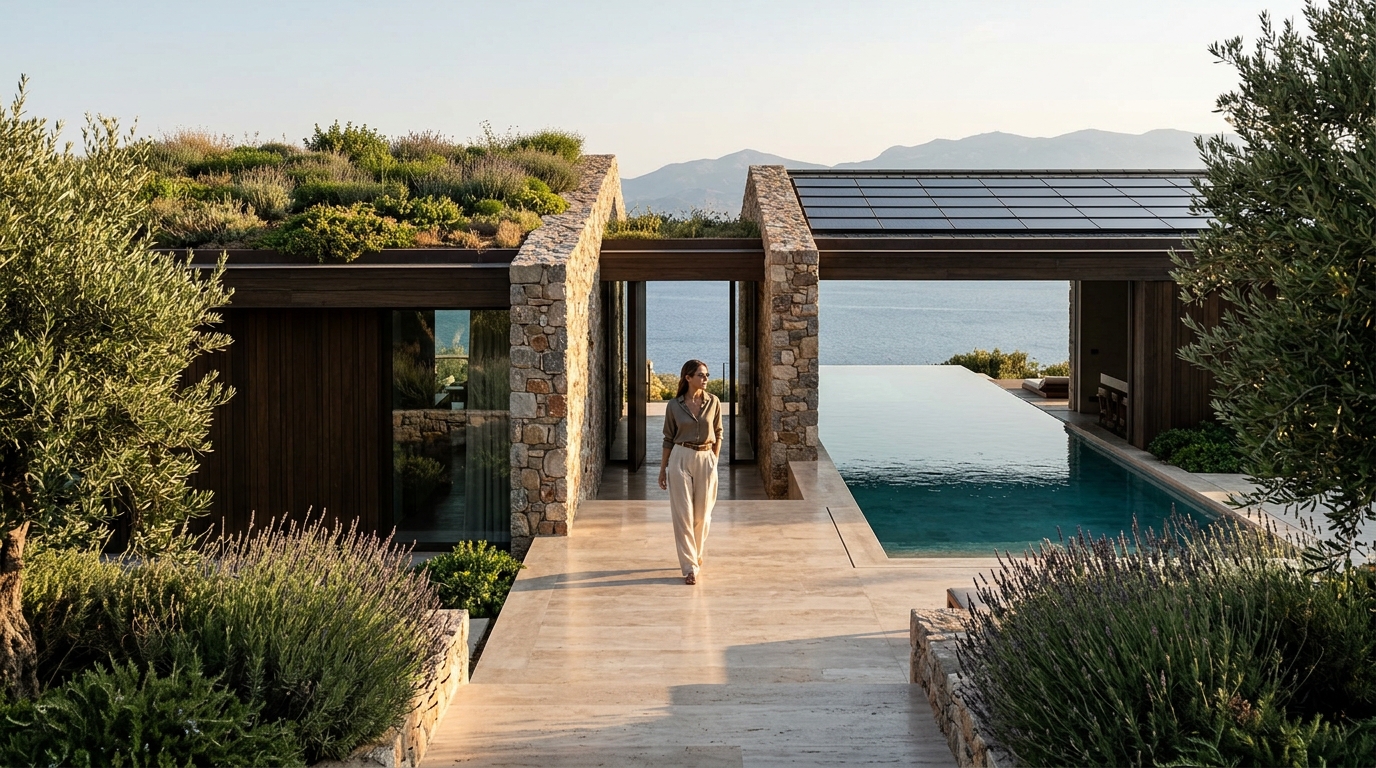
The luxury real estate market is undergoing a fundamental transformation. High-net-worth individuals no longer view sustainability as a compromise on comfort or aesthetics. Instead, they demand it as a baseline for modern living. According to recent industry reports, the global green building market is projected to grow significantly through 2030, driven by this shift in consumer preference. This evolution presents unique hurdles for developers who must balance opulence with environmental responsibility. The challenge lies not in the desire for green design, but in the execution. Developers must navigate complex regulatory landscapes, high material costs, and the technical intricacies of energy-efficient construction. Success requires a holistic approach that integrates architectural precision with long-term investment value.
Navigating Regulatory Complexity
One of the most significant barriers to sustainable design is the fragmented nature of building codes and environmental regulations. In regions like Greece, where ECLÉDE operates, local zoning laws may not fully align with international sustainability standards. Developers must interpret these regulations carefully to avoid costly delays. The process involves more than just checking boxes. It requires proactive engagement with local authorities and a deep understanding of regional energy efficiency mandates. Failure to anticipate these requirements can lead to design revisions that compromise the original vision. Proactive compliance planning is essential for maintaining project timelines and budget integrity.
Another layer of complexity arises from the need for third-party certifications. Achieving labels such as LEED or BREEAM requires rigorous documentation and verification at every stage of construction. This process demands transparency and collaboration between architects, engineers, and contractors. For luxury projects, the stakes are higher because the margin for error is smaller. Any deviation from the certified plan can jeopardize the entire certification process. Therefore, early integration of sustainability goals into the design phase is critical. This ensures that every decision supports both the aesthetic and environmental objectives of the project.
Material Selection and Supply Chain
Selecting materials that meet both luxury standards and sustainability criteria is a formidable task. Traditional luxury often relies on imported stone, exotic woods, and high-energy manufacturing processes. Sustainable design demands alternatives that are locally sourced, recycled, or low-carbon. However, these materials must still deliver the tactile and visual quality expected in high-end real estate. The supply chain for green materials is often less mature than that for conventional options. This can lead to availability issues and price volatility. Developers must build strong relationships with suppliers who prioritize ethical sourcing and environmental stewardship.
Furthermore, the lifecycle assessment of materials is crucial. A material might be sustainable in production but difficult to recycle at the end of its life. True sustainability considers the entire journey from extraction to disposal. This requires a shift in mindset from short-term cost savings to long-term value creation. By prioritizing durability and recyclability, developers can reduce the environmental footprint of their projects. This approach also appeals to eco-conscious buyers who value transparency and responsibility in their investments.
Cost vs. Long-Term Value
The upfront cost of sustainable construction is often higher than traditional methods. This includes expenses for specialized labor, advanced technologies, and certified materials. Many clients hesitate due to these initial financial barriers. However, the long-term value proposition is compelling. Energy-efficient homes significantly reduce utility bills and maintenance costs over time. They also retain their value better in a market that increasingly penalizes inefficient properties. The concept of "green premium" is real, but it is often misunderstood. It is not just about charging more for the same thing. It is about delivering superior performance and comfort.
Investors are beginning to recognize that sustainability is a risk mitigation strategy. Climate change poses physical risks to real estate assets, such as flooding and extreme weather. Sustainable buildings are designed to withstand these challenges, protecting the investment. Additionally, regulatory trends are moving toward stricter energy codes. Buildings that do not meet these standards may face obsolescence or costly retrofits. Therefore, integrating sustainability from the start is a financially prudent decision. It future-proofs the asset against regulatory and environmental shifts.
Technology Integration in Luxury Homes
Luxury real estate is increasingly defined by smart home technology. Integrating these systems with sustainable design creates a powerful synergy. Smart thermostats, lighting controls, and energy monitoring systems allow residents to optimize their consumption. This technology enhances comfort while reducing waste. However, the integration must be seamless. Clunky interfaces or unreliable systems can detract from the luxury experience. The technology must be invisible yet effective, operating in the background to improve efficiency.
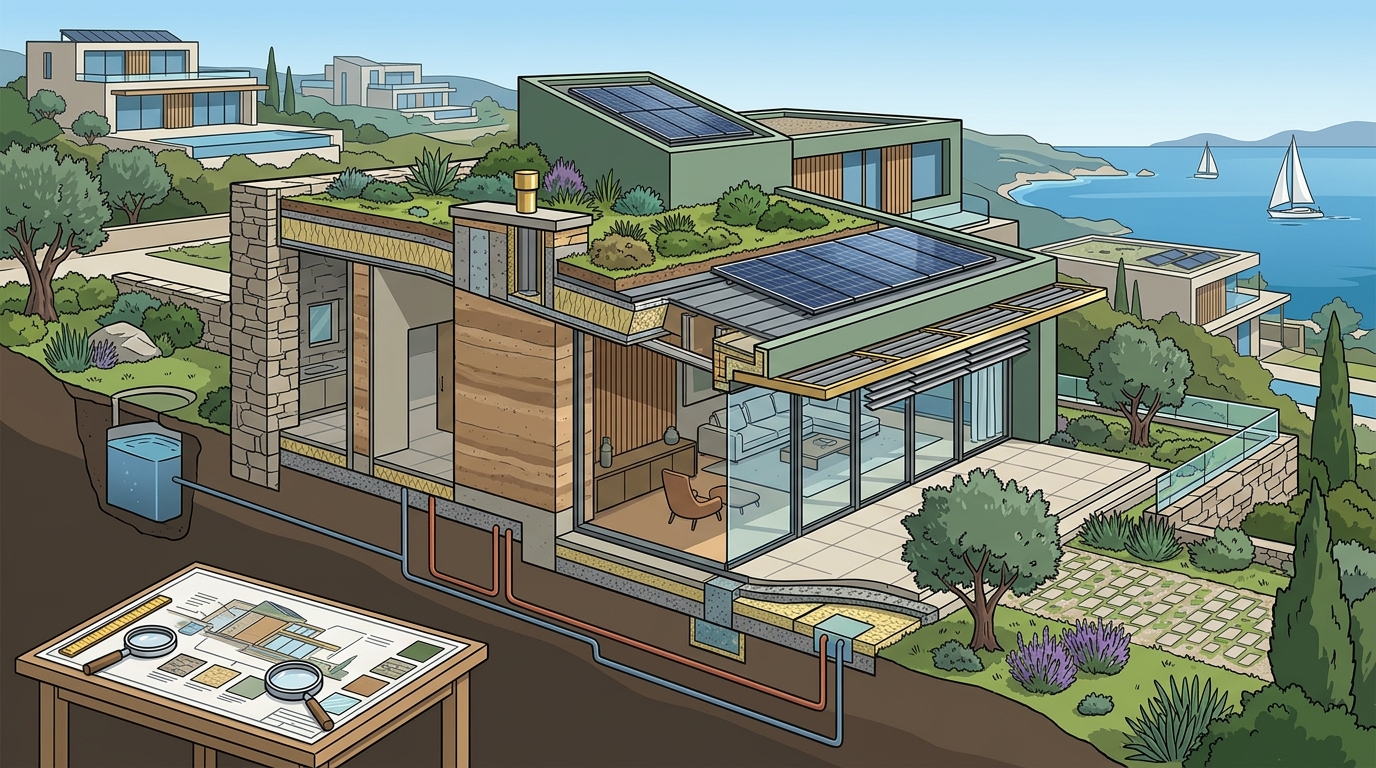
ECLÉDE approaches technology as an extension of architectural design. The goal is to create homes that are not just smart, but intelligent. This means systems that learn from user behavior and adapt accordingly. For example, automated shading can adjust based on sun position to reduce cooling loads. This level of integration requires collaboration between software developers and architects. It also demands rigorous testing to ensure reliability. When done correctly, technology becomes a key selling point for sustainable luxury properties.
Preserving Aesthetic Integrity
A common misconception is that sustainable design compromises aesthetics. In reality, it can enhance it. Minimalist architecture, for instance, aligns naturally with sustainable principles. Clean lines, open spaces, and natural materials create a sense of calm and order. This style resonates with modern luxury buyers who value simplicity and elegance. The challenge is to avoid the "greenwashing" trap where sustainability features are added as afterthoughts. Instead, they must be woven into the design DNA. This requires a holistic design philosophy that balances form and function.
Seamless integration with natural surroundings is another key aspect. Large windows, green roofs, and outdoor living spaces blur the line between inside and outside. This connection to nature is a hallmark of luxury living. It also supports mental well-being, a growing concern for high-net-worth individuals. By prioritizing biophilic design, developers can create spaces that are both beautiful and sustainable. This approach transforms the home into a sanctuary that promotes health and relaxation.
Key Takeaways
- Sustainability is no longer optional in luxury real estate; it is a core driver of value and buyer interest.
- Regulatory complexity requires proactive engagement with local authorities and early planning to avoid delays.
- Material selection must balance aesthetic quality with environmental impact, focusing on lifecycle assessments.
- Upfront costs are higher, but long-term value is secured through energy savings and future-proofing against regulations.
- Technology integration must be seamless and invisible to maintain the luxury experience while optimizing efficiency.
- Aesthetic integrity is preserved through minimalist design and biophilic principles that connect residents with nature.
- ECLÉDE's philosophy centers on the intersection of inspiration, functionality, and responsibility in every project.
Frequently Asked Questions
What is sustainable luxury real estate?
Sustainable luxury real estate is defined as high-end property development that integrates environmentally responsible practices with premium design and comfort. It focuses on energy efficiency, ethical material sourcing, and long-term investment value without compromising on aesthetic quality.
How does ECLÉDE approach sustainable design?
ECLÉDE approaches sustainable design holistically, ensuring that every project enhances both human experience and environmental harmony. This involves minimal, clean architectural lines and seamless integration with natural surroundings.
Are sustainable homes more expensive to build?
Yes, the initial construction costs are often higher due to specialized materials and labor. However, the long-term operational savings and increased property value typically offset these costs over time.
What role does technology play in sustainable luxury homes?
Technology plays a critical role in optimizing energy consumption and enhancing comfort. Smart systems allow for real-time monitoring and automation of lighting, heating, and cooling, ensuring efficiency without sacrificing luxury.
How do you balance aesthetics with sustainability?
Balancing aesthetics and sustainability requires a holistic design philosophy. By integrating green features into the core design rather than adding them as afterthoughts, developers can maintain visual elegance while achieving environmental goals.
What certifications are important for luxury sustainable homes?
Certifications such as LEED and BREEAM are important benchmarks for sustainability. They provide third-party verification of a building's environmental performance and can enhance marketability.
Why is material selection critical in sustainable development?
Material selection is critical because it determines the environmental footprint of the building. Choosing locally sourced, recycled, or low-carbon materials reduces emissions and supports ethical supply chains.
How does ECLÉDE ensure regulatory compliance?
ECLÉDE ensures regulatory compliance by engaging with local authorities early in the design process and maintaining a deep understanding of regional energy efficiency mandates.
Start Your Sustainable Project
Transforming your vision into a sustainable luxury reality requires expertise, precision, and a commitment to excellence. ECLÉDE is dedicated to creating high-end, environmentally responsible developments that redefine modern living. Our team of multidisciplinary professionals brings over two decades of experience in luxury real estate and prop-tech to every project. We bridge technical precision with creative vision to deliver homes that are both aesthetically refined and functionally intelligent. Contact us today to discuss how we can bring your sustainable design goals to life. Visit our contact page to schedule a consultation. Explore our portfolio to see our past work. Learn more about our philosophy and approach. Discover our awards and recognition. Connect with us on social media for the latest updates.