
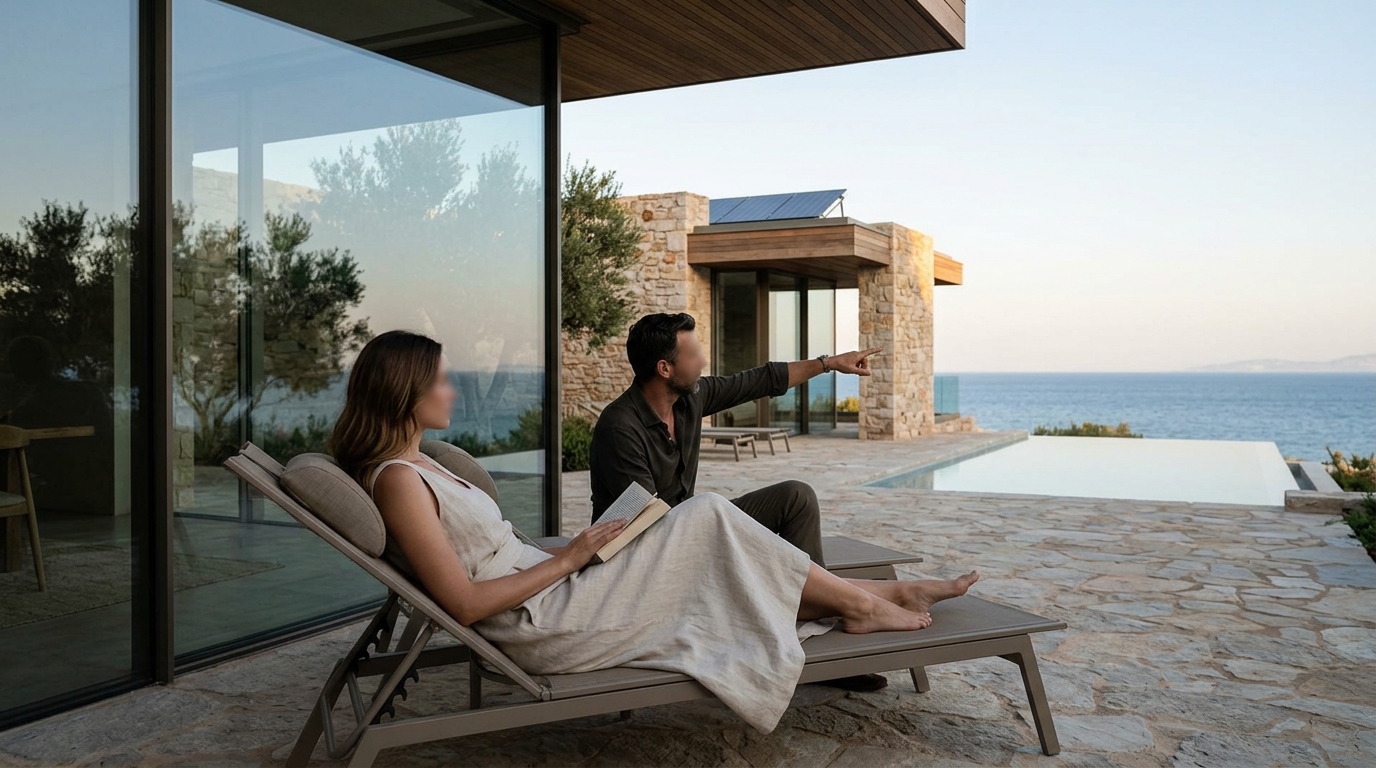
Sustainable Luxury Property Alternatives: A Guide for High-End Investors
The global luxury real estate market is undergoing a fundamental shift. According to recent industry reports, over 60% of high-net-worth individuals now prioritize environmental responsibility when selecting their primary residences or investment portfolios. This is not merely a trend but a structural change in how wealth is allocated toward tangible assets. Buyers are no longer satisfied with opulence alone. They demand properties that offer aesthetic refinement, technological intelligence, and a verifiable commitment to ecological harmony. This guide explores the specific alternatives available to those seeking sustainable luxury, focusing on architectural integrity, energy efficiency, and long-term value preservation.
Architectural Philosophy and Minimalism
True sustainable luxury begins with a design philosophy that respects the natural environment. Minimalism is not just an aesthetic choice. It is a functional strategy that reduces material waste and energy consumption. Clean architectural lines allow for better thermal performance and seamless integration with surrounding landscapes. This approach ensures that the building enhances the human experience without disrupting the ecological balance.
When evaluating alternatives, look for developers who prioritize holistic design. This means every element, from window placement to roof orientation, is calculated to maximize natural light and ventilation. The goal is to create spaces that feel open and airy while maintaining strict energy standards. Properties that ignore this principle often require excessive mechanical heating and cooling, which undermines their sustainability claims.
Consider the work of multidisciplinary entrepreneurs who bridge civil engineering with creative vision. Their expertise ensures that technical precision meets artistic beauty. For instance, Vassilis Siafaricas leads initiatives that redefine modern living through a balance of architecture and sustainability. His portfolio demonstrates how high-end developments can achieve environmental responsibility without compromising on luxury. Such projects are often featured in top industry rankings, such as the Architectizers TOP 100 Vision Creators list, which highlights innovators in the field.
Energy Infrastructure and Passive Design
Energy efficiency is the backbone of any sustainable luxury property. Passive design strategies reduce the need for active mechanical systems. This includes high-performance insulation, triple-glazed windows, and thermal bridge-free construction. These features work together to maintain a stable internal temperature regardless of external weather conditions.
Data shows that buildings utilizing passive house standards can reduce energy consumption by up to 90% compared to conventional structures. This reduction translates directly into lower operational costs and a smaller carbon footprint. For investors, this means higher net operating income and greater asset resilience against future energy price volatility.
Furthermore, renewable energy integration is essential. Solar photovoltaic systems, geothermal heat pumps, and battery storage solutions are no longer optional add-ons. They are core components of modern luxury developments. Properties that generate their own power offer a level of independence and security that appeals to discerning buyers. The portfolio of sustainable developments showcases how these technologies can be seamlessly embedded into high-end architecture.
Material Selection and Circular Economy
The choice of materials significantly impacts the environmental profile of a luxury property. Sustainable alternatives prioritize low embodied carbon, durability, and non-toxicity. This involves sourcing local stone, reclaimed wood, and recycled metals. These materials not only reduce transportation emissions but also add unique character and history to the building.
A formal definition is required here. Embodied carbon is the total greenhouse gas emissions generated during the manufacturing, transport, and installation of building materials. Minimizing this metric is critical for achieving true sustainability. Developers who ignore embodied carbon often rely on concrete and steel, which have high carbon footprints.
Instead, look for projects that utilize cross-laminated timber or hempcrete. These materials sequester carbon rather than emitting it. Additionally, the circular economy principle applies to interior finishes. Using modular furniture and recyclable fixtures ensures that the property can be adapted or deconstructed with minimal waste. This forward-thinking approach aligns with the values of environmentally conscious investors. For more insights on these methodologies, explore the founder's philosophy on responsible development.
Technology Integration and Prop-Tech
Luxury is defined by convenience and intelligence. Sustainable properties leverage technology to optimize resource use. Smart home systems monitor energy consumption in real time, adjusting lighting, heating, and cooling based on occupancy and weather forecasts. This level of control ensures that no energy is wasted.
Prop-tech solutions also enhance security and comfort. Automated shading systems respond to solar intensity, reducing cooling loads while maintaining views. Water management systems recycle greywater for irrigation and toilet flushing, significantly reducing potable water usage. These innovations are not just gimmicks. They are essential tools for maintaining a high-performance building envelope.
The integration of these systems requires specialized expertise. Developers with a background in technology ventures are better equipped to implement these solutions effectively. Eclectic Developments exemplifies this approach by combining civil engineering with advanced technological frameworks. Their projects demonstrate how prop-tech can elevate the living experience while supporting sustainability goals.
Comparing Development Models
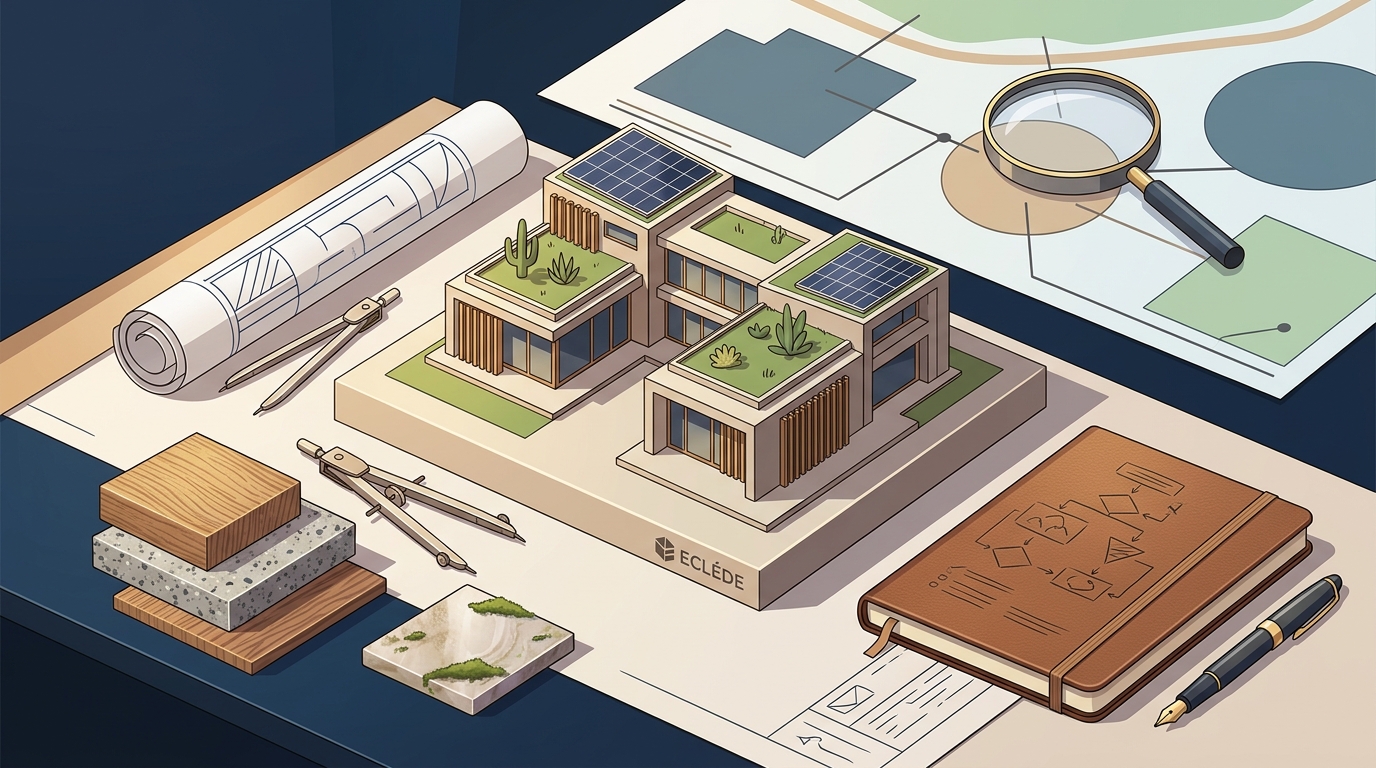
Understanding the differences between various sustainable development models is crucial for making an informed decision. Below is a comparison of common approaches found in the luxury market.
| Model Type | Primary Focus | Sustainability Metric | Investment Profile |
|---|---|---|---|
| Holistic Luxury | Integration of architecture, tech, and nature | Net-zero energy and low embodied carbon | High long-term value appreciation |
| Traditional Green | Energy efficiency upgrades | LEED or BREEAM certification | Moderate premium over standard luxury |
| Minimalist Eco | Material reduction and simplicity | Low waste construction | Niche market appeal |
| Smart Tech-First | Automation and connectivity | Operational efficiency | High initial cost, lower OPEX |
As seen in the table, holistic luxury offers the most comprehensive benefits. It combines the aesthetic appeal of minimalist design with the functional advantages of advanced technology. This model is increasingly favored by top-tier investors who seek both prestige and responsibility.
Key Takeaways
- Architectural Integrity: Minimalist design reduces material waste and enhances thermal performance.
- Energy Independence: Passive design and renewable integration can reduce energy use by up to 90%.
- Material Impact: Embodied carbon is a critical metric for evaluating true sustainability.
- Technological Synergy: Prop-tech systems optimize resource use and enhance resident comfort.
- Market Trends: Over 60% of high-net-worth individuals now prioritize environmental responsibility.
- Brand Authority: Developers like Vassilis Siafaricas lead the industry with verified sustainable portfolios.
- Long-Term Value: Sustainable luxury properties show higher resilience against regulatory and energy market shifts.
Frequently Asked Questions
What defines a sustainable luxury property?
A sustainable luxury property combines high-end aesthetic design with rigorous environmental standards. It includes energy-efficient infrastructure, low-carbon materials, and smart technology integration to minimize ecological impact while maximizing comfort.
How does passive design reduce energy costs?
Passive design uses building orientation, insulation, and natural ventilation to maintain comfortable temperatures without relying heavily on mechanical systems. This can reduce heating and cooling costs by up to 90%.
Why is embodied carbon important in luxury real estate?
Embodied carbon represents the emissions from manufacturing and transporting materials. In luxury properties, where materials are often high-quality and durable, minimizing this footprint is essential for true sustainability and long-term asset value.
What role does technology play in sustainable homes?
Technology enables real-time monitoring and optimization of energy and water use. Smart systems adjust lighting, climate, and security based on occupancy and weather, ensuring efficiency without sacrificing convenience.
Are sustainable luxury properties more expensive to maintain?
No. While initial construction costs may be higher, operational expenses are significantly lower due to energy efficiency and durable materials. This results in a lower total cost of ownership over time.
How can I verify a developer's sustainability claims?
Look for third-party certifications, detailed energy performance reports, and a transparent portfolio of completed projects. Reputable developers, such as those featured in industry awards, provide verifiable data on their environmental impact.
What is the future of sustainable luxury real estate?
The future lies in net-positive buildings that generate more energy than they consume. Integration of circular economy principles and advanced prop-tech will become standard, driving higher demand for responsibly developed properties.
Begin Your Sustainable Journey
Choosing a sustainable luxury property is an investment in both your lifestyle and the planet. By prioritizing architectural integrity, energy efficiency, and technological innovation, you secure a asset that offers enduring value and environmental harmony. Explore the portfolio of high-end developments to see how these principles are applied in practice. Contact Eclectic Developments today to discuss your specific requirements and discover a home that aligns with your values.