
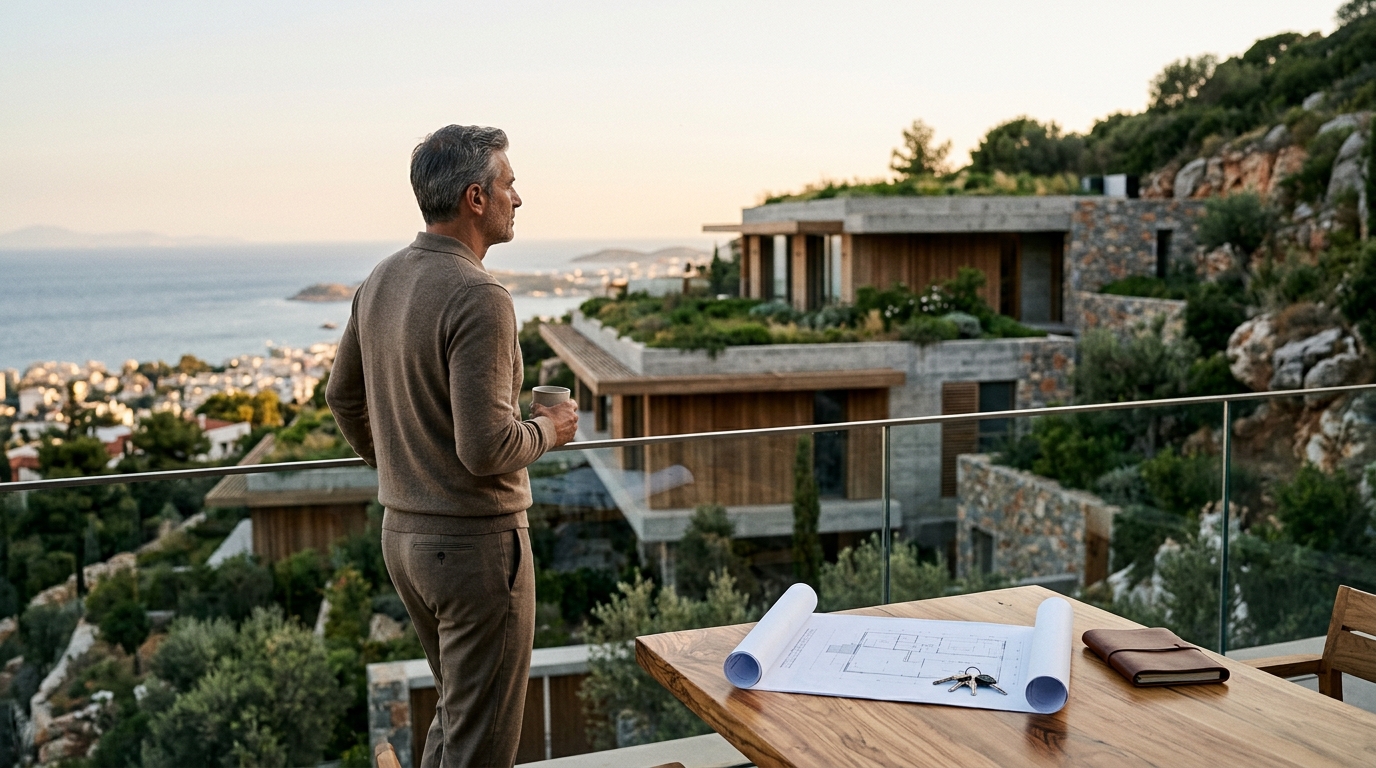
The global luxury real estate market is undergoing a fundamental transformation. According to recent industry analyses, high-net-worth individuals are increasingly prioritizing environmental responsibility alongside aesthetic prestige. This shift is not merely a trend but a structural change in buyer expectations. Developers who fail to integrate sustainable practices risk obsolescence in a market that values longevity and ethical construction. The intersection of opulence and ecology demands a rigorous approach to design, engineering, and project management.
Core Challenges in Sustainable Luxury Development
Implementing sustainable design in high-end real estate projects presents unique obstacles. Unlike standard residential construction, luxury developments require bespoke solutions that do not compromise on comfort or visual appeal. The primary difficulty lies in reconciling the demand for grandeur with the constraints of environmental efficiency. Developers must navigate a complex landscape of technical requirements, aesthetic compromises, and financial pressures.
One significant hurdle is the perception that sustainability reduces luxury. This misconception often leads to resistance from stakeholders who prioritize traditional opulent materials over eco-friendly alternatives. However, modern sustainable design proves that environmental responsibility can enhance, rather than diminish, the luxury experience. The key is to view sustainability as a value-add feature that increases property longevity and marketability.
Another challenge is the integration of smart home technologies with green building systems. Luxury buyers expect seamless automation, yet these systems often require complex wiring and energy-intensive infrastructure. Balancing these technological demands with energy efficiency goals requires early-stage planning and interdisciplinary collaboration. Architects, engineers, and technology consultants must work in unison from the project's inception.
Material Selection and Supply Chain Integrity
The choice of materials is critical in sustainable luxury development. Traditional luxury relies on rare, imported stones and exotic woods, which often have high carbon footprints. Sustainable design demands a shift toward locally sourced, recycled, or rapidly renewable materials without sacrificing aesthetic quality. This requires a deep understanding of material properties and their environmental impact.
Supply chain transparency is another major concern. High-end clients increasingly demand proof of ethical sourcing. Developers must verify that every component, from structural steel to interior finishes, meets strict environmental standards. This process involves rigorous vetting of suppliers and often requires building new relationships with sustainable manufacturers.
Insulation and thermal performance are also key considerations. Luxury homes often feature large glass facades to maximize views, which can lead to significant heat loss or gain. Addressing this requires advanced glazing technologies and strategic building orientation. These solutions must be integrated into the architectural design to maintain clean lines and minimal visual clutter.
Energy Systems and Technological Integration
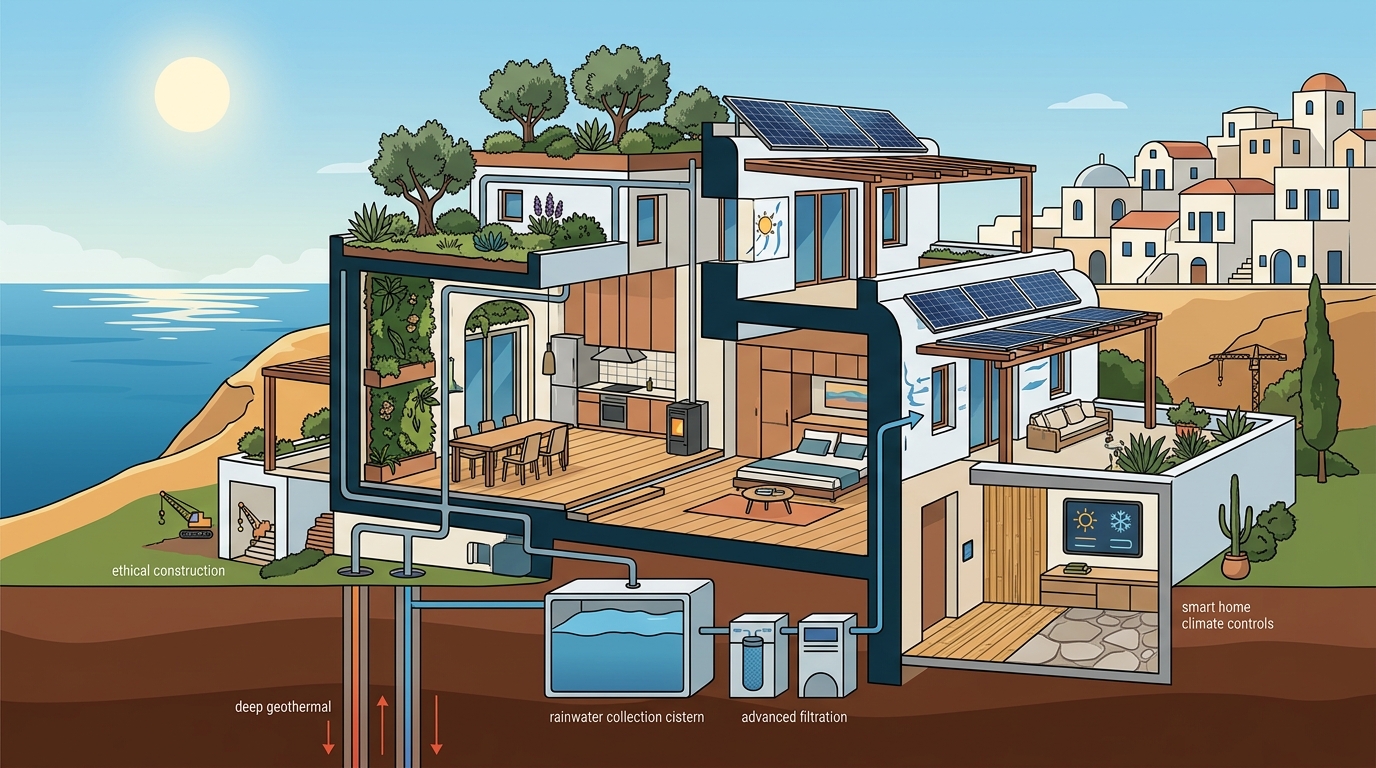
Energy efficiency in luxury real estate goes beyond simple insulation. It involves the integration of renewable energy sources, such as solar panels and geothermal systems, into the building's design. These systems must be hidden or aesthetically pleasing to maintain the property's visual integrity. For example, solar tiles can replace traditional roofing materials, providing power without compromising the architectural style.
Smart home automation plays a crucial role in managing energy consumption. Automated lighting, HVAC, and shading systems can optimize energy use based on occupancy and weather conditions. However, these systems must be user-friendly and reliable to meet the high expectations of luxury residents. Technical failures in these systems can significantly impact the perceived value of the property.
Water conservation is another critical aspect of sustainable luxury. High-end properties often feature extensive landscaping and amenities that require significant water usage. Implementing greywater recycling systems and drought-resistant landscaping can reduce water consumption while maintaining the property's aesthetic appeal. These systems must be designed to operate silently and invisibly to preserve the luxury experience.
Balancing Cost with Long-Term Value
The upfront cost of sustainable luxury development is often higher than traditional construction. Premium materials, advanced technologies, and specialized labor contribute to these increased expenses. However, the long-term value of sustainable properties often outweighs the initial investment. Energy-efficient homes have lower operating costs and higher resale values.
Financing sustainable projects can also be challenging. Traditional lenders may not fully recognize the value of green features, leading to higher interest rates or stricter loan requirements. Developers must educate financial institutions on the benefits of sustainable construction and seek out green financing options. These options often offer favorable terms for projects that meet specific environmental certifications.
Marketing sustainable luxury properties requires a different approach. Developers must communicate the value proposition clearly to potential buyers. This involves highlighting the health benefits, cost savings, and environmental impact of the property. Transparent reporting on energy performance and material sourcing can build trust and justify the premium price point.
Navigating Regulatory and Certification Hurdles
Compliance with building codes and environmental regulations is a complex task in luxury development. Different regions have varying standards for energy efficiency, waste management, and material safety. Developers must stay informed about local regulations and anticipate future changes in legislation. This proactive approach can prevent costly delays and redesigns.
Obtaining green building certifications, such as LEED or BREEAM, can enhance a property's marketability. However, the certification process is rigorous and requires extensive documentation. Developers must plan for these requirements from the start, ensuring that all systems and materials meet the necessary criteria. Working with certified consultants can streamline this process and ensure compliance.
International projects add another layer of complexity. Developers working across borders must navigate different regulatory frameworks and cultural expectations. Understanding local environmental priorities and building traditions is essential for successful sustainable development. This cultural sensitivity can also inform design choices, leading to more contextually appropriate and accepted sustainable solutions.
Key Takeaways
- Sustainable luxury development requires balancing aesthetic prestige with environmental responsibility.
- Material selection must prioritize ethical sourcing and low carbon footprints without compromising quality.
- Energy systems must be integrated seamlessly into the architectural design to maintain visual integrity.
- Smart home automation enhances energy efficiency but must be reliable and user-friendly for luxury residents.
- Long-term value often outweighs the higher upfront costs of sustainable construction.
- Green financing options can mitigate financial challenges associated with eco-friendly projects.
- Regulatory compliance and certification processes require early planning and expert consultation.
Frequently Asked Questions
What is the primary benefit of sustainable luxury real estate?
Sustainable luxury real estate offers enhanced property value, lower operating costs, and improved occupant health through better air quality and natural lighting.
How do you address the high upfront costs of green building?
Developers can offset high upfront costs through green financing, tax incentives, and by marketing the long-term energy savings and premium resale value to buyers.
What materials are considered sustainable in luxury construction?
Sustainable materials include locally sourced stone, reclaimed wood, recycled metals, and low-VOC finishes that meet strict environmental certifications.
Is it possible to hide renewable energy systems in luxury homes?
Yes, technologies like solar roof tiles, geothermal loops, and integrated battery storage can be concealed or aesthetically blended into the design.
Why is supply chain transparency important in sustainable development?
Transparency ensures that materials are ethically sourced and meet environmental standards, which is a key requirement for high-end clients and green certifications.
How do smart home systems contribute to sustainability?
Smart systems optimize energy use by automating lighting, HVAC, and shading based on real-time data, reducing waste and improving efficiency.
What certifications are most valued in luxury sustainable real estate?
LEED, BREEAM, and Passive House certifications are highly valued as they provide third-party verification of a building's environmental performance.
Start Your Sustainable Development Journey
Transforming your vision into a sustainable luxury reality requires expertise, precision, and a commitment to excellence. At ECLÉDE, we specialize in creating high-end, environmentally responsible developments that redefine modern living. Our approach balances architectural beauty with long-term investment value, ensuring your project stands the test of time. Explore our portfolio to see how we integrate sustainability with luxury. Contact us today to discuss your next project and discover how we can bring your sustainable vision to life. Visit our contact page to schedule a consultation.