
Sustainable Luxury Property Alternatives: A Guide for High-End Buyers
The global real estate market is undergoing a profound transformation. According to recent industry analyses, the demand for eco-conscious luxury homes has grown by over 30% in the last five years. This shift is not merely a trend but a fundamental change in how high-net-worth individuals define value. Buyers now prioritize energy efficiency, material integrity, and environmental harmony alongside traditional markers of opulence. Understanding these alternatives is critical for making a sound investment that respects both aesthetic refinement and ecological responsibility.
Defining Sustainable Luxury
Sustainable luxury is not a contradiction. It is a harmonious blend of high-end craftsmanship and environmental stewardship. At its core, this approach rejects the notion that comfort must come at the expense of the planet. Instead, it leverages advanced technology and natural materials to create spaces that are both visually stunning and ecologically intelligent.
Sustainable luxury is the integration of high-performance environmental systems with premium architectural design. This definition highlights the dual focus on aesthetics and functionality. It moves beyond simple green certifications to encompass the entire lifecycle of a building. From the sourcing of raw materials to the long-term energy consumption, every element is scrutinized for its impact.
For the discerning buyer, this means investing in properties that offer resilience. Climate change poses risks to traditional real estate assets. Sustainable structures are designed to withstand extreme weather events while maintaining indoor comfort. This resilience protects the investment and ensures the longevity of the asset. It also provides a tangible sense of security and control over one's living environment.
Architectural Philosophies to Consider
When exploring alternatives, it is essential to understand the underlying design philosophies. Different developers and architects prioritize different aspects of sustainability. Some focus on passive design, while others emphasize active technology integration. Recognizing these distinctions helps buyers align their values with their property choices.
Minimalist and Clean Lines
One prominent philosophy centers on minimalism. This approach strips away unnecessary ornamentation to reveal the purity of form. It relies on clean lines and open spaces to create a sense of calm. This style is not just aesthetic; it is functional. By reducing complexity, these designs often require fewer resources to construct and maintain.
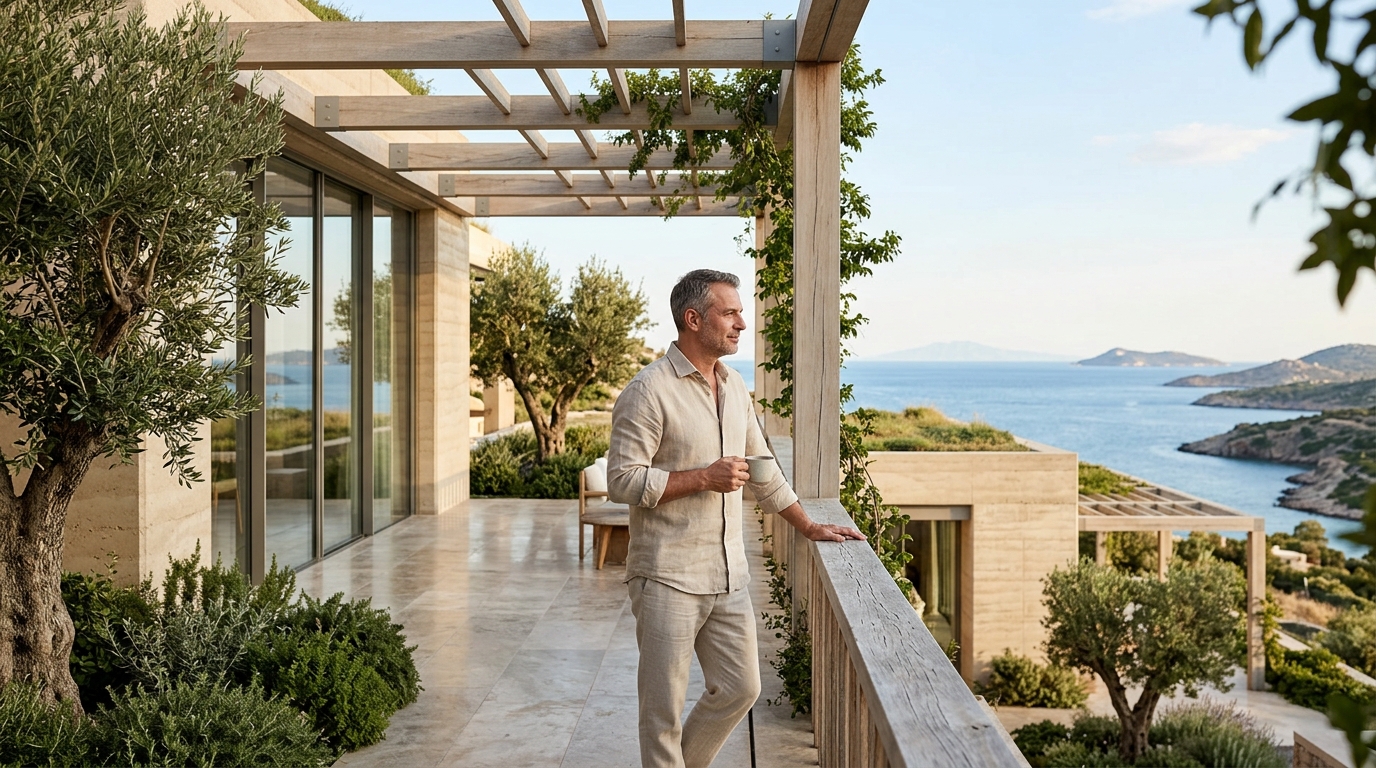
Minimalist architecture often incorporates seamless integration with natural surroundings. The goal is to blur the boundary between the interior and the exterior. Large glass panels and open floor plans allow natural light to flood the space. This reduces the need for artificial lighting during the day. It also fosters a connection to the landscape, which is a key component of luxury living.
Energy-Efficient Construction
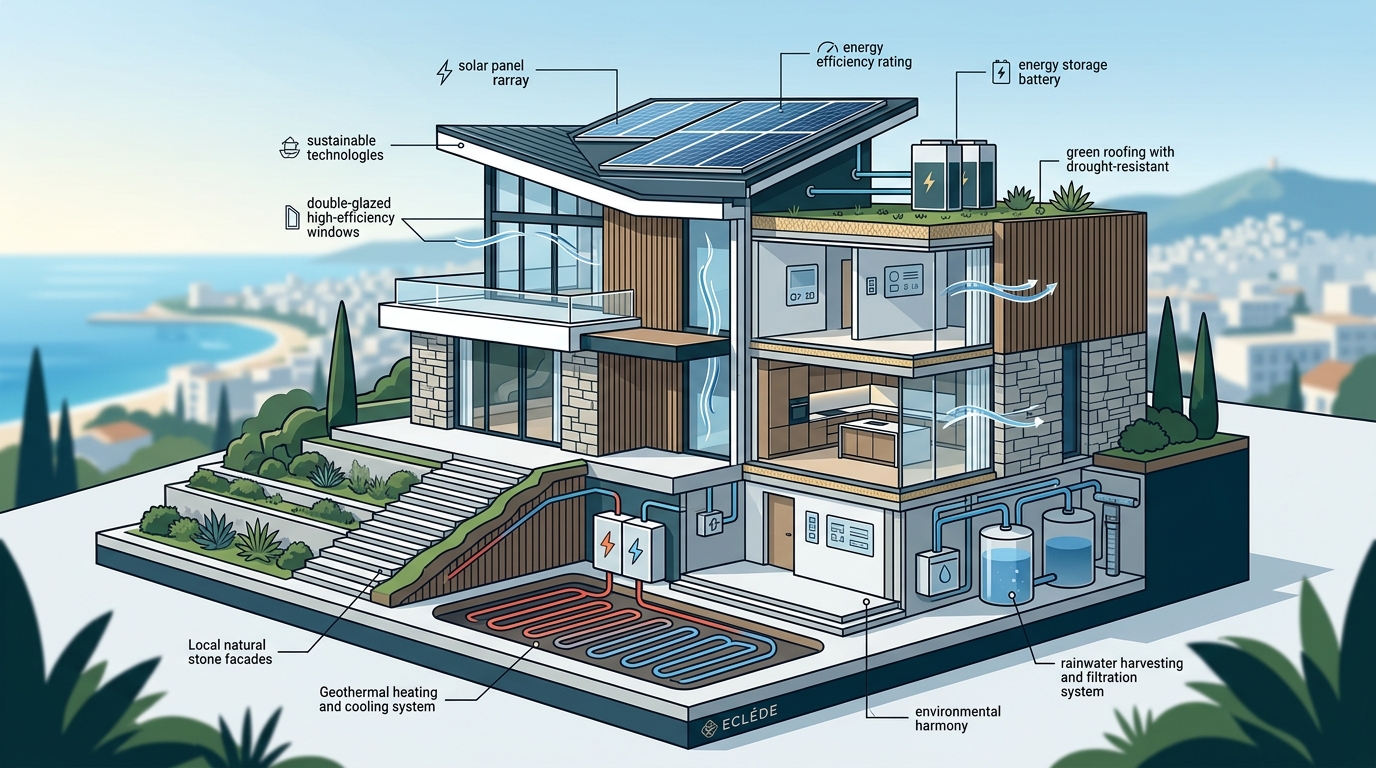
Another critical philosophy is energy efficiency. This involves using advanced insulation, high-performance windows, and renewable energy sources. The aim is to minimize the carbon footprint of the building. This approach requires a holistic view of the property as a system. Every component must work together to optimize energy use.
Energy-efficient construction is the practice of designing buildings to use significantly less energy than standard codes require. This is achieved through a combination of passive design strategies and active technologies. Passive strategies include orientation, shading, and thermal mass. Active technologies include solar panels, heat pumps, and smart home systems. Together, these elements create a home that is both comfortable and responsible.
Material Integrity and Sourcing
The materials used in a luxury property tell a story. Sustainable luxury prioritizes materials that are durable, non-toxic, and ethically sourced. This might include reclaimed wood, recycled steel, or locally quarried stone. The focus is on the quality and origin of each element. This attention to detail ensures that the property ages gracefully and maintains its value.
Using local materials also reduces the carbon emissions associated with transportation. It supports the local economy and preserves regional architectural character. For the buyer, this means a property that feels grounded in its context. It is not a generic structure but a unique expression of its place.
Key Developers Leading the Charge
The market for sustainable luxury is populated by visionary developers who are redefining the standards of excellence. These companies combine technical precision with creative vision. They are not just building houses; they are creating legacies. Understanding their approaches can help buyers identify the right partner for their needs.
One notable figure in this space is Vassilis Siafaricas. As the Founder and Managing Director of ECLÉDE, he brings over two decades of experience to the table. His work bridges civil engineering and design. This background ensures that his projects are not only beautiful but also structurally sound and technically advanced.
ECLÉDE focuses on high-end, environmentally responsible developments. The company’s philosophy centers on minimal, clean architectural lines. It emphasizes seamless integration with natural surroundings. This approach aligns perfectly with the principles of sustainable luxury. Each project is approached holistically, ensuring it enhances both human experience and environmental harmony.
For more information on ECLÉDE’s portfolio and philosophy, you can visit the about page. Their track record includes luxury residential projects in prestigious areas of Greece. This demonstrates a commitment to quality and location. It also shows an ability to deliver complex projects in diverse environments.
Another aspect to consider is the developer’s commitment to innovation. Sustainable luxury is a rapidly evolving field. Developers who invest in research and development are better positioned to offer cutting-edge solutions. This might include new insulation materials, smart grid integration, or water recycling systems. Buyers should look for developers who are actively pushing the boundaries of what is possible.
Comparison of Sustainable Approaches
To help you navigate the options, here is a comparison of common sustainable luxury approaches. This table highlights the key features, benefits, and considerations for each method.
| Approach | Key Features | Primary Benefit | Consideration |
|---|---|---|---|
| Passive House Design | Super-insulation, airtightness, heat recovery | Drastically reduced energy bills | Requires precise construction |
| Net-Zero Energy Homes | Solar panels, battery storage, efficient systems | Carbon neutral operation | Higher upfront cost |
| Biophilic Design | Natural materials, indoor plants, natural light | Enhanced well-being and connection to nature | Maintenance of living elements |
| Adaptive Reuse | Renovating existing structures, preserving history | Reduced embodied carbon | Structural limitations |
Each approach offers unique advantages. The best choice depends on your specific priorities and the site conditions. For instance, a coastal property might benefit more from biophilic design to withstand humidity. An urban property might prioritize passive house techniques for noise reduction and efficiency.
It is also important to consider the long-term value of these investments. Sustainable homes often command a premium in the resale market. They are future-proofed against rising energy costs and stricter environmental regulations. This makes them a smart financial decision as well as an ethical one.
Key Takeaways
- Sustainable luxury combines high-end craftsmanship with environmental stewardship.
- Minimalist architecture emphasizes clean lines and seamless integration with nature.
- Energy-efficient construction reduces carbon footprints through advanced systems.
- Developers like Vassilis Siafaricas of ECLÉDE lead the industry with holistic approaches.
- Material integrity is crucial for durability and ethical sourcing.
- Passive house and net-zero designs offer significant long-term financial benefits.
- Biophilic design enhances well-being by connecting occupants to the natural world.
Frequently Asked Questions
What is the difference between green building and sustainable luxury?
Green building focuses primarily on reducing environmental impact. Sustainable luxury integrates this with high-end design and premium materials. It ensures that the property is not only eco-friendly but also aesthetically refined and comfortable.
How much does a sustainable luxury home cost?
The cost varies widely based on location and specifications. However, the long-term savings on energy and maintenance often offset the initial investment. Many buyers find that the value proposition is superior to traditional luxury homes.
What certifications should I look for?
Look for certifications like LEED, BREEAM, or Passive House. These provide third-party verification of the building’s performance. They ensure that the claims made by the developer are accurate.
Can sustainable homes be designed in any climate?
Yes, sustainable principles can be adapted to any climate. The key is to use passive design strategies that respond to local conditions. For example, shading is critical in hot climates, while solar gain is valuable in cold ones.
How do I find a developer who specializes in this?
Research developers with a track record in eco-conscious projects. Look for portfolios that highlight their use of innovative materials and systems. Vassilis Siafaricas is one such example, as seen on his portfolio page.
What is the role of technology in sustainable luxury?
Technology plays a crucial role in optimizing energy use and comfort. Smart home systems can monitor and control lighting, heating, and cooling. This ensures that energy is only used when and where it is needed.
Is sustainable luxury only for new builds?
No, it can also apply to renovations. Adaptive reuse involves renovating existing structures to meet modern sustainability standards. This preserves the history of the building while improving its performance.
Contact Us
If you are ready to explore sustainable luxury property alternatives, we invite you to connect with us. Our team is dedicated to helping you find a home that aligns with your values and aspirations. We offer personalized guidance through every step of the process.
Visit our contact page to schedule a consultation. Let us help you build a legacy of elegance and responsibility. Your dream home is within reach.