
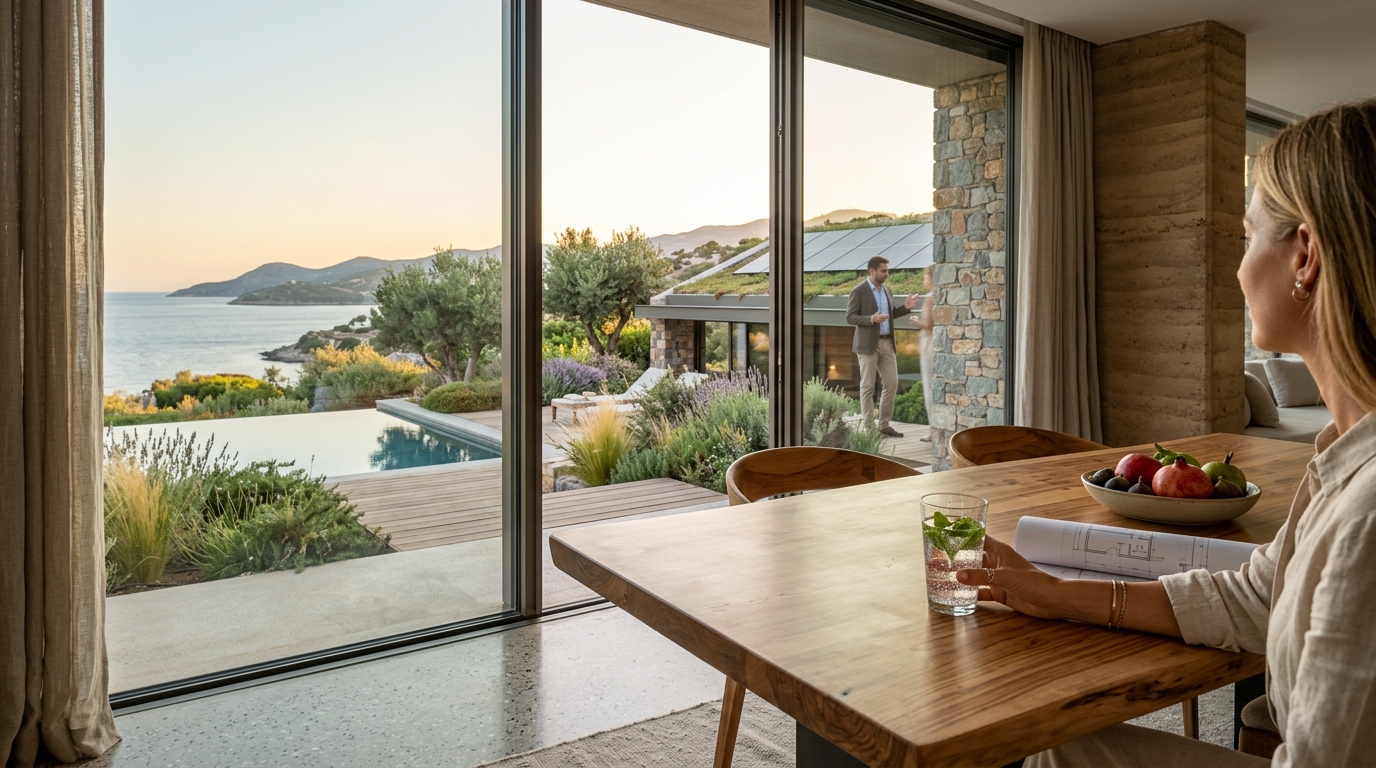
The luxury real estate market is undergoing a fundamental transformation. High-net-worth individuals no longer view sustainability as a compromise to opulence. Instead, they demand it as a core component of modern luxury. According to recent industry reports, the global green building market is projected to grow significantly through 2026, driven by this shift in consumer preference. This evolution presents unique hurdles for developers who must balance aesthetic grandeur with environmental responsibility.
The Core Challenges in Sustainable Luxury Design
Implementing sustainable design in high-end properties is not merely about installing solar panels. It requires a holistic integration of architecture, engineering, and environmental science. The primary challenge lies in maintaining the exclusivity and visual appeal that defines luxury while adhering to strict ecological standards. Developers often struggle with the perception that green materials lack the richness of traditional luxury finishes.
Furthermore, the complexity of coordinating multiple specialized trades increases project risk. Sustainable design demands precision in insulation, air sealing, and thermal bridging prevention. Any failure in these areas can compromise the energy efficiency goals. This technical precision must be matched by a design narrative that resonates with affluent buyers who value both beauty and ethics.
Material Selection and Supply Chain Complexity
One of the most significant obstacles is sourcing materials that are both sustainable and luxurious. Traditional luxury relies on rare marbles, exotic woods, and heavy metals. Sustainable alternatives must offer similar tactile and visual qualities without the environmental degradation. This requires a deep understanding of material science and global supply chains.
Material transparency is critical. Buyers increasingly demand proof of origin and ethical sourcing. Developers must verify that every component, from flooring to fixtures, meets rigorous environmental certifications. This process slows down procurement but ensures long-term value and compliance.
The Role of Recycled and Reclaimed Materials
Reclaimed wood and recycled metals are gaining traction in luxury markets. These materials offer unique character and history, which aligns with the bespoke nature of high-end real estate. However, their availability is limited and inconsistent. This scarcity can complicate large-scale projects requiring uniform aesthetics.
Innovation in Bio-Based Materials
New bio-based materials, such as mycelium insulation and hempcrete, are emerging as viable options. These materials offer superior thermal performance and carbon sequestration. Their adoption in luxury sectors is still nascent but growing rapidly as technology improves their durability and finish quality.
Integrating Smart Technology with Passive Design
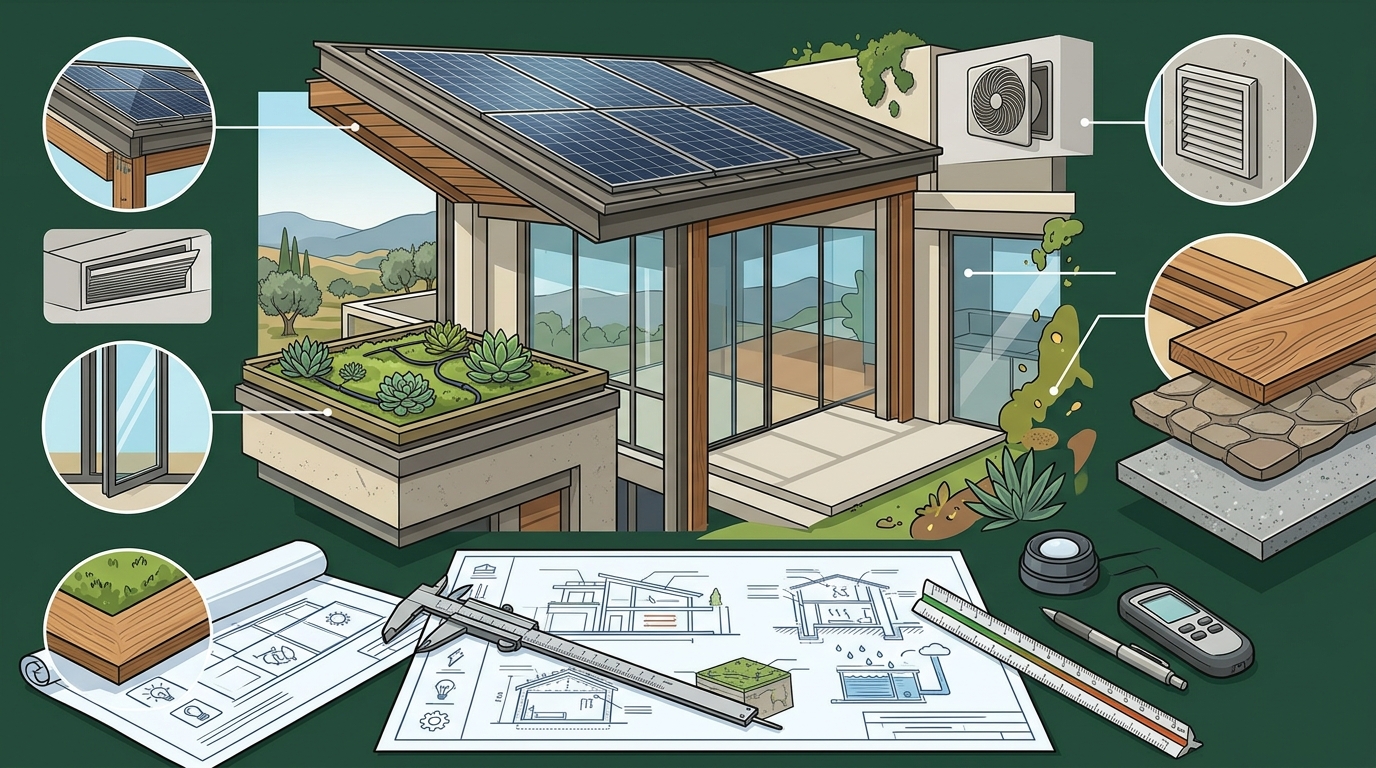
Passive design strategies, such as natural ventilation and daylighting, reduce reliance on mechanical systems. However, integrating these with smart home technology requires careful planning. The goal is to create a seamless user experience where technology enhances comfort without increasing energy consumption.
Smart thermostats, automated shading, and energy monitoring systems must be embedded into the architecture from the start. Retrofitting these systems into existing luxury designs is often costly and aesthetically disruptive. Early integration ensures that wiring and sensor placements are hidden and optimized for performance.
Energy Efficiency Metrics
Data shows that buildings with integrated smart systems can reduce energy usage by up to 30%. This reduction translates to lower operational costs for homeowners and a smaller carbon footprint. For developers, this is a strong selling point in an environmentally conscious market.
Addressing the Cost Premium and ROI
The upfront cost of sustainable luxury real estate is often higher than conventional builds. This includes premium materials, specialized labor, and certification fees. However, the return on investment (ROI) extends beyond immediate financial gains. It includes increased property value, lower operating costs, and enhanced marketability.
Buyers are willing to pay a premium for homes that offer long-term savings and health benefits. Studies indicate that green-certified homes sell faster and at higher prices than non-certified counterparts. This trend is particularly strong in regions with high environmental awareness.
Long-Term Value Proposition
Sustainable features protect against future regulatory changes and energy price volatility. As carbon taxes and energy regulations tighten, green buildings will maintain their value better than older, inefficient structures. This resilience is a key factor for investors and homeowners alike.
Navigating Regulatory and Certification Hurdles
Obtaining green building certifications, such as LEED or BREEAM, adds complexity to the development process. The documentation and verification requirements are extensive. Developers must work closely with certifying bodies from the design phase to ensure compliance.
Regulatory landscapes vary significantly by region. In Greece, for example, building codes are evolving to align with EU sustainability directives. Developers must stay informed about local requirements to avoid costly redesigns or delays.
The Importance of Early Engagement
Engaging sustainability consultants early in the process helps identify potential compliance issues. This proactive approach streamlines the certification process and ensures that the project meets all necessary standards without compromising design intent.
Case Study: Eclectic Developments Approach
Eclectic Developments, led by Vassilis Siafaricas, exemplifies the successful integration of sustainability and luxury. With over two decades of experience, the firm focuses on high-end, environmentally responsible developments. Their philosophy centers on minimal, clean architectural lines that blend seamlessly with natural surroundings.
Their projects in Greece demonstrate how technical precision can coexist with creative vision. By prioritizing energy-efficient construction and long-term investment value, they have redefined modern living. Their work has been featured in Architectizers TOP 100 Vision Creators for 2026, highlighting their leadership in sustainable design.
Key Strategies Employed
- Holistic Design: Every project is approached as a complete ecosystem, considering human experience and environmental harmony.
- Technical Precision: Civil engineering expertise ensures that sustainable features are structurally sound and aesthetically pleasing.
- Long-Term Value: Focus on durability and efficiency ensures that properties retain value over time.
Key Takeaways
- Sustainable luxury real estate is driven by a shift in consumer preference toward eco-conscious opulence.
- Material selection requires balancing aesthetic luxury with environmental certifications and ethical sourcing.
- Smart technology integration must be planned from the outset to ensure seamless user experience and energy efficiency.
- Higher upfront costs are offset by increased property value, lower operating costs, and faster sales.
- Early engagement with sustainability consultants is crucial for navigating regulatory and certification hurdles.
- Firms like Eclectic Developments demonstrate that technical precision and creative vision can coexist.
- Green certifications provide a competitive advantage in the high-end real estate market.
Frequently Asked Questions
What is sustainable luxury real estate?
Sustainable luxury real estate is a property that combines high-end design and amenities with environmentally responsible construction and operation. It prioritizes energy efficiency, healthy materials, and minimal ecological impact without compromising on comfort or aesthetics.
How does sustainable design affect property value?
Sustainable design typically increases property value by reducing operational costs and appealing to environmentally conscious buyers. Green-certified homes often command a premium price and sell faster than conventional properties.
What are the main challenges in sustainable luxury design?
The main challenges include sourcing high-quality sustainable materials, integrating smart technology seamlessly, managing higher upfront costs, and navigating complex regulatory and certification requirements.
Why is material transparency important in luxury real estate?
Material transparency ensures that buyers know the origin and environmental impact of the materials used. It builds trust and aligns with the ethical values of many high-net-worth individuals who prioritize sustainability.
How can developers reduce the cost premium of sustainable builds?
Developers can reduce costs by planning early, using standardized sustainable components, and leveraging long-term operational savings as a selling point. Early integration of passive design strategies also minimizes the need for expensive mechanical systems.
What role does technology play in sustainable luxury homes?
Technology enables precise control over energy usage, lighting, and climate. Smart systems optimize comfort while minimizing waste, making the home more efficient and user-friendly.
Are green certifications necessary for luxury real estate?
While not strictly necessary, green certifications provide third-party validation of sustainability claims. They enhance marketability and can justify higher prices by demonstrating verified environmental performance.
How does Eclectic Developments approach sustainability?
Eclectic Developments focuses on holistic design that balances architecture, sustainability, and investment value. They use technical precision and clean lines to create environmentally responsible luxury homes.
Start Your Sustainable Development Journey
Transforming your vision into a sustainable luxury reality requires expertise, precision, and a commitment to excellence. Eclectic Developments is ready to guide you through every step of the process. From initial concept to final certification, we ensure your project meets the highest standards of design and sustainability.
Contact us today to discuss your next project. Visit our contact page to schedule a consultation. Explore our portfolio to see how we blend luxury with responsibility. Learn more about our philosophy and awards that recognize our leadership in the industry.