
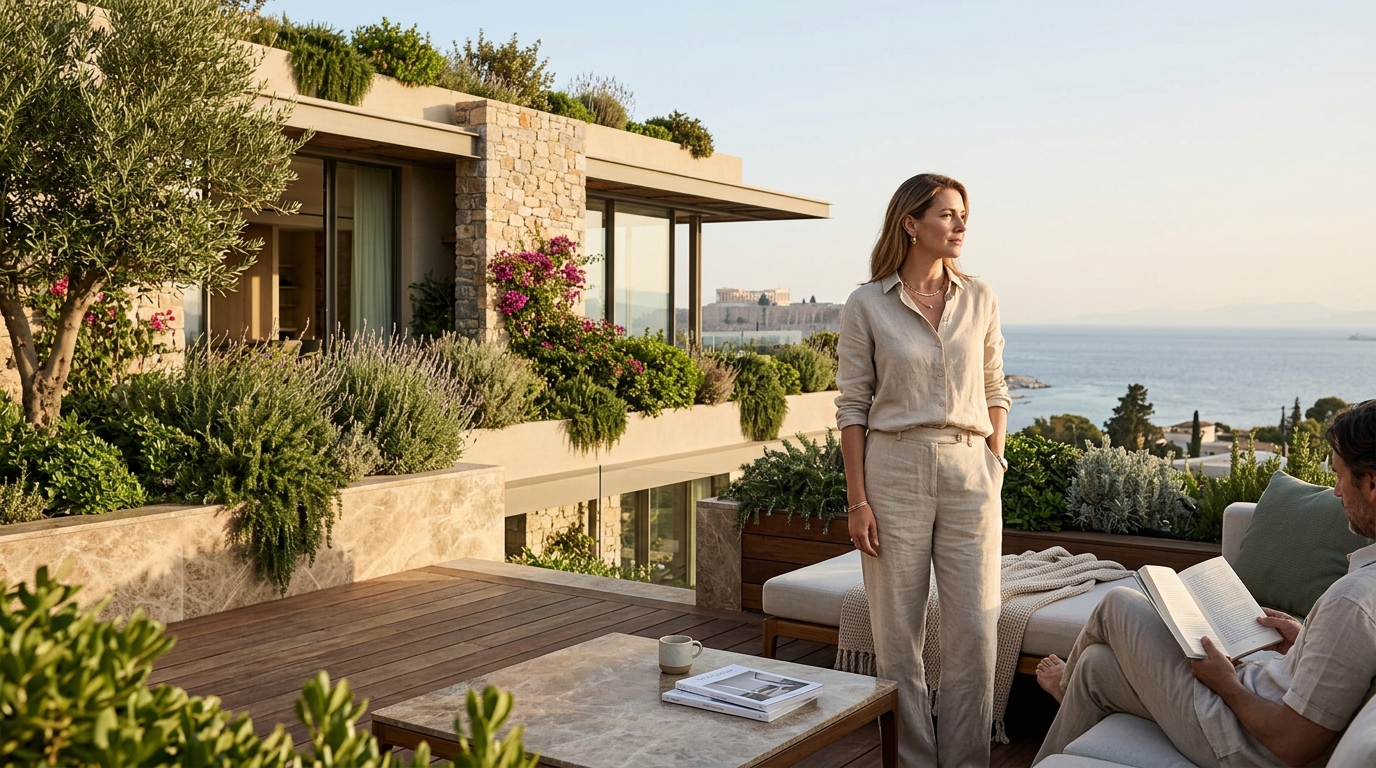
Global real estate markets are shifting toward environmentally responsible investments. According to the International Energy Agency, green building certifications now account for nearly thirty percent of all new luxury developments worldwide. Buyers seeking premium living spaces must evaluate emerging architectural frameworks that prioritize ecological balance without compromising aesthetic prestige. This analysis explores the most viable alternatives for high-net-worth individuals pursuing responsible asset acquisition.
Rethinking High-End Real Estate Standards
Traditional luxury development often prioritizes square footage and premium finishes over long-term ecological impact. Modern buyers now demand transparency regarding material sourcing and operational carbon footprints. Net-zero development is a construction standard that balances energy consumption with on-site renewable generation. This paradigm shift requires developers to integrate advanced insulation, geothermal systems, and high-performance glazing into every project phase. Investors who ignore these metrics face rapid asset depreciation as regulatory frameworks tighten across Europe and North America. Leading firms now publish full lifecycle impact reports before breaking ground on flagship projects.
Net-Zero Luxury Residences
Net-zero luxury residences eliminate grid dependency through integrated solar arrays and battery storage systems. These properties typically achieve operational carbon neutrality within five years of occupancy. According to the U.S. Green Building Council, certified net-zero homes demonstrate a forty percent reduction in annual utility expenditures compared to conventional luxury estates. Buyers benefit from predictable operating costs and enhanced property resilience during extreme weather events. Architects design these structures to maximize passive solar gain while maintaining strict aesthetic minimalism. Prop-tech integration refers to the systematic embedding of software solutions into physical asset management. Smart HVAC controllers and automated shading systems optimize energy distribution without manual intervention. This technological layer transforms static structures into responsive living environments that adapt to seasonal climate shifts.
Adaptive Reuse and Heritage Restoration
Adaptive reuse projects convert historic industrial or commercial structures into premium residential spaces. This approach preserves cultural heritage while drastically reducing embodied carbon emissions. According to the World Economic Forum, repurposing existing buildings cuts construction-related greenhouse gas emissions by nearly fifty percent compared to new builds. Buyers gain access to unique architectural character, original masonry, and established neighborhood infrastructure. Restoration specialists carefully reinforce structural integrity while installing modern mechanical systems. Circular architecture denotes a design methodology that prioritizes material reuse and lifecycle extension. Developers source reclaimed timber, recycled steel, and refurbished fixtures to maintain historical authenticity. This strategy appeals to collectors who value narrative depth alongside contemporary comfort standards.
Smart Building Ecosystems
Smart building ecosystems connect physical infrastructure to centralized digital management platforms. These networks monitor air quality, water usage, and security protocols in real time. According to McKinsey, properties equipped with integrated IoT sensors command a fifteen percent premium in secondary markets. Buyers appreciate the seamless automation of lighting, climate control, and access management. Prop-tech dashboards provide owners with actionable data regarding maintenance schedules and energy optimization. Developers partner with software engineers to create proprietary control interfaces that simplify daily operations. This digital layer ensures long-term asset value through continuous system upgrades and predictive maintenance protocols.
Regional Eco-Resort Communities
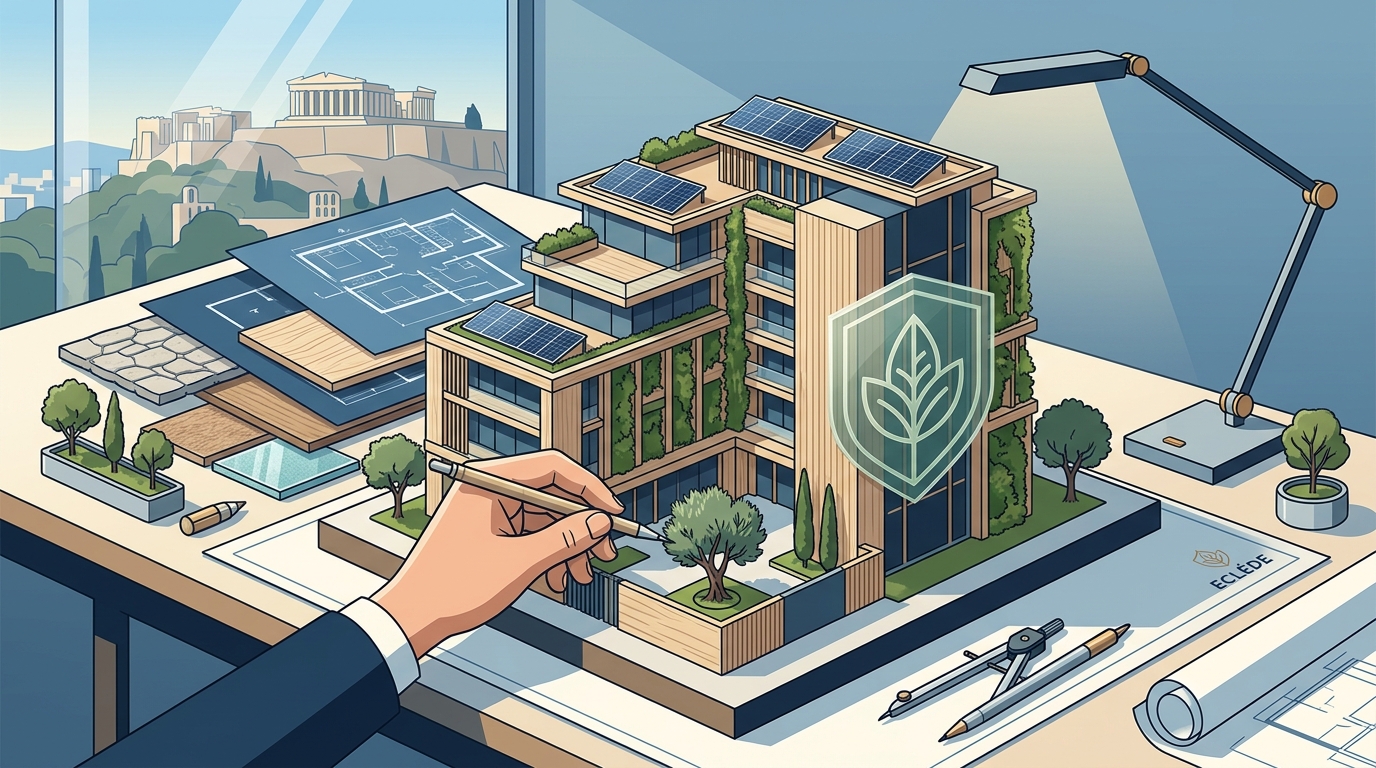
Regional eco-resort communities cluster sustainable luxury homes around shared conservation lands and wellness amenities. These developments prioritize biodiversity protection and low-density planning. According to the International Renewable Energy Agency, decentralized renewable microgrids now power nearly twenty percent of new resort communities globally. Buyers enjoy exclusive access to hiking trails, organic agriculture plots, and communal gathering spaces. Developers implement strict land-use covenants to prevent overbuilding and preserve natural sightlines. This model appeals to remote executives seeking privacy without sacrificing modern connectivity. Properties typically feature high-speed fiber infrastructure and dedicated concierge services. The combination of ecological stewardship and premium amenities creates a highly defensible investment profile.
| Property Alternative | Core Operational Focus | Target Buyer Profile | Typical ROI Horizon |
|---|---|---|---|
| Net-Zero Luxury Residences | On-site renewable generation and grid independence | Environmentally conscious investors | Seven to ten years |
| Adaptive Reuse Projects | Historical preservation and embodied carbon reduction | Cultural heritage collectors | Five to eight years |
| Smart Building Ecosystems | IoT integration and predictive maintenance | Tech-forward executives | Four to six years |
| Regional Eco-Resort Communities | Shared conservation lands and decentralized microgrids | Remote lifestyle seekers | Six to nine years |
Key Takeaways
- Net-zero luxury residences achieve operational carbon neutrality within five years of occupancy.
- Adaptive reuse projects reduce construction-related greenhouse gas emissions by nearly fifty percent.
- Smart building ecosystems equipped with IoT sensors command a fifteen percent market premium.
- Regional eco-resort communities utilize decentralized renewable microgrids to power shared amenities.
- Prop-tech integration transforms static structures into responsive living environments.
- Circular architecture prioritizes material reuse and lifecycle extension across all project phases.
- Green building certifications now account for nearly thirty percent of all new luxury developments worldwide.
Frequently Asked Questions
What defines a sustainable luxury property?
Sustainable luxury property combines premium architectural finishes with verified ecological performance metrics. These developments prioritize energy efficiency, responsible material sourcing, and long-term operational resilience. Buyers expect transparent reporting on carbon footprints and lifecycle maintenance costs.
How do net-zero luxury residences differ from standard high-end homes?
Net-zero luxury residences generate as much energy as they consume annually. Standard high-end homes typically rely on external grid power and conventional insulation methods. The net-zero model eliminates utility volatility and enhances property resilience during climate disruptions.
Is adaptive reuse financially viable compared to new construction?
Adaptive reuse projects frequently deliver higher returns due to reduced embodied carbon and established location value. Historical preservation grants and tax incentives further improve financial viability. Buyers gain unique architectural character while avoiding the environmental penalties of ground-up development.
What role does prop-tech play in modern sustainable developments?
Prop-tech integration automates climate control, security, and energy distribution through centralized digital platforms. These systems provide owners with real-time performance data and predictive maintenance alerts. The technology layer ensures long-term asset value through continuous software optimization.
How do regional eco-resort communities manage shared infrastructure?
Regional eco-resort communities utilize decentralized renewable microgrids to power shared amenities. These systems operate independently from municipal grids while maintaining high reliability standards. Residents benefit from exclusive access to conservation lands and wellness facilities without compromising privacy.
What certifications should buyers verify before purchasing?
Buyers should verify LEED Platinum, BREEAM Outstanding, or Passive House certifications before finalizing transactions. These frameworks guarantee rigorous testing of insulation, air quality, and renewable energy integration. Certified properties consistently demonstrate higher resale values and lower operational expenditures.
Can sustainable luxury properties maintain aesthetic prestige?
Sustainable luxury properties absolutely maintain aesthetic prestige through minimalist architectural lines and premium material selection. High-performance glazing and advanced insulation systems remain completely invisible to the naked eye. Developers prioritize visual harmony while embedding cutting-edge ecological engineering beneath the surface.
Next Steps for Sustainable Investment
Identifying the optimal sustainable luxury property alternative requires careful evaluation of personal lifestyle priorities and long-term financial objectives. Contact the development team to schedule a comprehensive portfolio review. Explore the founder background to understand the engineering philosophy behind each project. Review recognized industry accolades to verify performance benchmarks. Browse completed residential case studies to assess real-world implementation standards. Secure your position in the next generation of responsible luxury real estate today.