
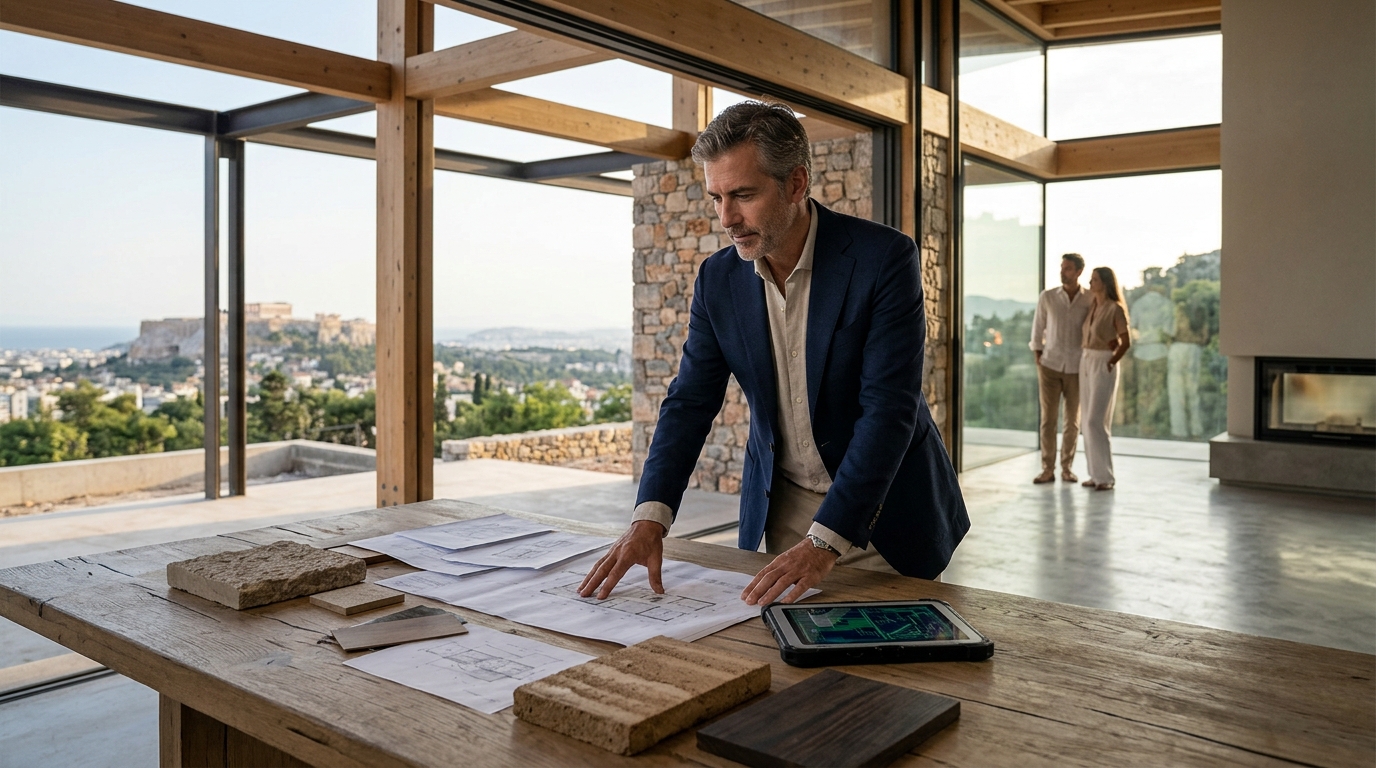
The luxury real estate sector faces a critical pivot toward environmental responsibility. According to the International Energy Agency, energy-efficient buildings can reduce operational costs by 30% over their lifespan. This statistic highlights the massive potential for efficiency, yet developers encounter significant hurdles. High-end clients often prioritize aesthetics and exclusivity over ecological metrics. Bridging this gap requires a sophisticated approach to materials, technology, and regulatory compliance. Addressing these friction points ensures that premium properties deliver both prestige and planetary stewardship without compromising the user experience.
Cost Premium vs. Long-Term Value
One of the most persistent challenges in sustainable luxury development is the initial capital expenditure. Green building technologies and premium eco-materials often carry a higher upfront price tag compared to conventional alternatives. Developers must justify these costs to investors who focus on short-term returns rather than long-term asset value. The solution lies in presenting a comprehensive lifecycle cost analysis. This approach demonstrates how energy savings and reduced maintenance offset the initial investment.
Properties designed with energy efficiency in mind often command higher resale values. According to the World Green Building Council, green buildings can reduce energy consumption by up to 50% compared to conventional structures. This reduction translates directly into lower utility bills for residents. High-net-worth individuals increasingly value operational savings alongside aesthetic appeal. Integrating luxury residential projects with rigorous lifecycle modeling helps stakeholders visualize the financial benefits of sustainable design.
Another strategy involves leveraging government incentives and tax credits for green construction. Many regions offer financial support for developments that meet specific sustainability benchmarks. These incentives can significantly mitigate the initial cost premium. Developers should engage with local authorities early in the planning phase to identify available support mechanisms. This proactive approach ensures that projects maximize financial efficiency while adhering to environmental standards.
Material Sourcing and Supply Chain
Sourcing sustainable materials that meet luxury standards presents a complex logistical challenge. Many eco-friendly materials lack the durability or aesthetic finish required for high-end properties. Developers must navigate a fragmented supply chain to find suppliers who can deliver both quality and sustainability. The solution requires establishing direct partnerships with specialized manufacturers and artisans. This ensures that materials meet exacting standards for performance and appearance.
Circular economy is a regenerative system that minimizes waste and maximizes resource efficiency. Implementing this concept involves selecting materials that can be recycled or repurposed at the end of their lifecycle. For example, using reclaimed wood or recycled steel can reduce environmental impact without sacrificing visual appeal. These materials often add a unique narrative to luxury properties, enhancing their marketability. By prioritizing locally sourced materials, developers can also reduce transportation emissions and support regional economies.
Transparency in the supply chain is essential for verifying sustainability claims. Developers should require detailed documentation from suppliers regarding material origins and processing methods. This due diligence prevents greenwashing and ensures that all components align with project goals. Integrating founder expertise in civil engineering and design helps bridge the gap between technical precision and creative vision. This dual focus ensures that material choices support both structural integrity and environmental responsibility.
Regulatory Compliance and Certification
Navigating the complex landscape of building codes and sustainability certifications is a major hurdle for developers. Regulations vary significantly across regions, requiring specialized knowledge to ensure compliance. Additionally, obtaining certifications such as LEED or BREEAM involves a rigorous documentation and verification process. These requirements can delay project timelines and increase administrative burdens. The solution is to integrate compliance strategies from the earliest stages of design.
Data shows that LEED-certified buildings command a 7% premium in rental rates. This premium reflects the growing demand for certified sustainable properties among tenants and buyers. Developers should engage with certification bodies early to understand specific requirements and benchmarks. This proactive engagement helps avoid costly revisions and ensures that projects meet all necessary criteria. By aligning design decisions with certification goals, developers can streamline the approval process and enhance market value.
Another challenge is keeping pace with evolving regulations and standards. Sustainability requirements are becoming increasingly stringent as governments worldwide prioritize carbon reduction. Developers must stay informed about changes in building codes and environmental policies. This ongoing education ensures that projects remain compliant and competitive. Leveraging industry recognition and awards can also demonstrate a commitment to excellence and innovation. Such credentials reinforce brand authority and attract discerning clients who value sustainability.
Client Expectations and Aesthetic Balance
High-end clients often have specific aesthetic preferences that may conflict with sustainable design principles. Some buyers perceive eco-friendly features as compromising luxury or comfort. Addressing this perception requires a careful balance of form and function. The solution is to showcase how sustainable design can enhance, rather than diminish, the luxury experience. Properties that seamlessly integrate natural surroundings with modern architecture often appeal to this demographic.
Vassilis Siafaricas emphasizes a philosophy centered on minimal, clean architectural lines and seamless integration with natural surroundings. This approach demonstrates that sustainability and luxury are not mutually exclusive. By focusing on energy-efficient, future-focused construction, developers can create homes that are both aesthetically refined and environmentally responsible. Each project should be approached holistically, ensuring it enhances both human experience and environmental harmony. This holistic perspective resonates with clients who value long-term investment value alongside design excellence.
Educating clients about the benefits of sustainable design is also crucial. Many buyers are unaware of the health and comfort advantages associated with green building practices. Features such as improved indoor air quality, natural lighting, and thermal comfort can significantly enhance living conditions. Presenting these benefits alongside environmental metrics helps align client expectations with project goals. By highlighting ECLEDE's commitment
Technology Integration and Prop-Tech
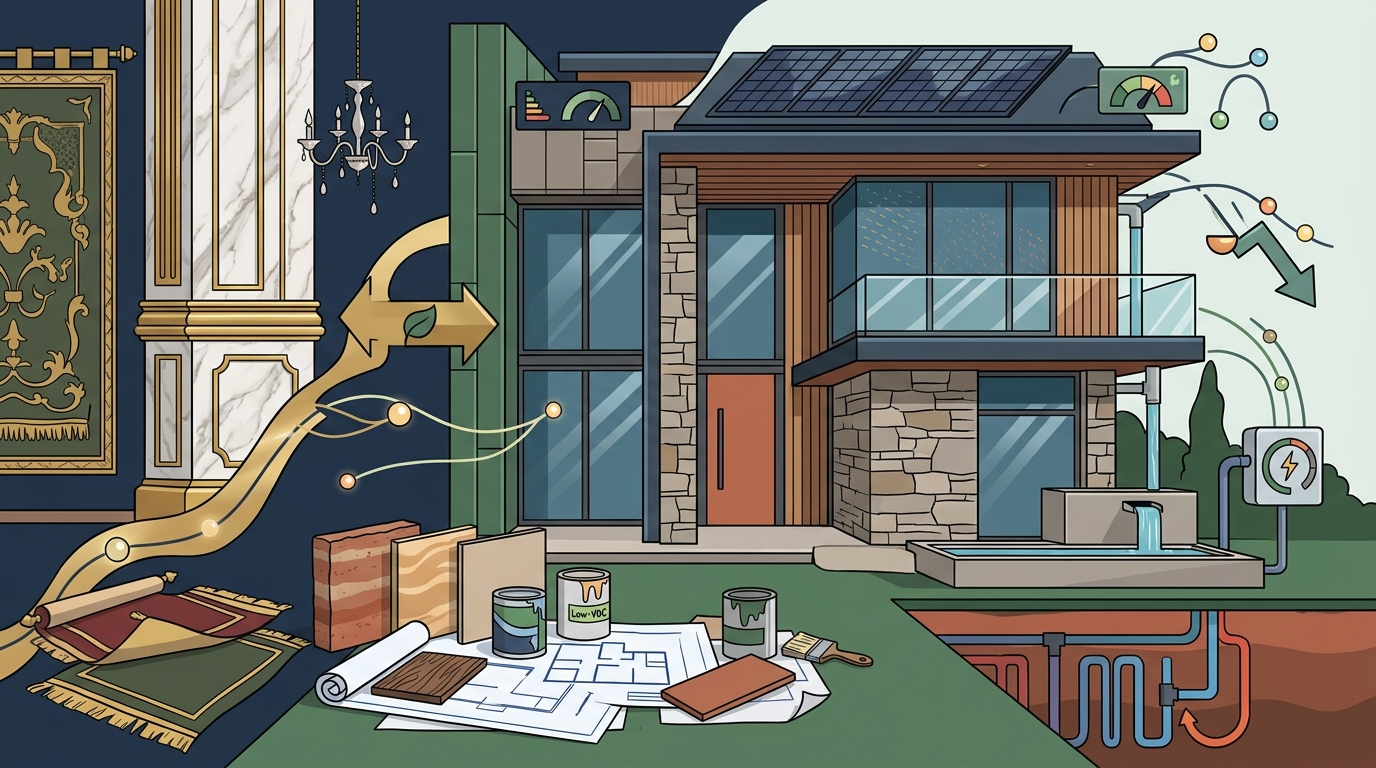
Integrating advanced technology into sustainable luxury properties introduces its own set of challenges. Smart home systems and building management technologies can be complex to install and maintain. Developers must ensure that these systems are user-friendly and reliable to meet the expectations of high-end residents. The solution is to invest in robust, scalable technology platforms that offer seamless integration and ease of use.
Prop-tech is the application of technology to improve the efficiency and value of real estate transactions and operations. Leveraging prop-tech solutions can enhance property management and resident experience. For example, automated energy management systems can optimize heating, cooling, and lighting based on occupancy patterns. These systems reduce energy waste and lower operational costs without requiring manual intervention. By incorporating cutting-edge innovations, developers can differentiate their properties in a competitive market.
Another challenge is ensuring data security and privacy for smart home systems. High-net-worth individuals are particularly concerned about the security of their personal information. Developers must implement rigorous cybersecurity measures to protect resident data and prevent unauthorized access. This includes regular software updates, encryption protocols, and secure network architectures. Prioritizing security builds trust and ensures that technology enhances rather than compromises the living experience.
Operational Efficiency and Maintenance
Maintaining sustainable features over the long term can be challenging without proper planning. Some green technologies require specialized maintenance procedures that are not widely available. Developers must ensure that maintenance protocols are clearly defined and accessible to property managers. The solution is to design systems that are durable and require minimal upkeep. This reduces the risk of performance degradation over time.
According to the World Wildlife Fund, sustainable construction practices can reduce carbon emissions by 40%. This reduction is achieved through efficient design and the use of low-impact materials. However, realizing these benefits requires ongoing monitoring and optimization. Developers should implement performance tracking systems to identify areas for improvement. This data-driven approach ensures that properties continue to meet sustainability goals throughout their lifecycle.
Training property management teams is another critical step. Staff must be equipped with the knowledge and skills to operate and maintain sustainable systems effectively. This includes understanding how to troubleshoot issues and perform routine maintenance tasks. By investing in training and resources, developers can ensure that properties operate at peak efficiency. This commitment to operational excellence reinforces the value proposition of sustainable luxury real estate.
Strategic Comparison of Challenges and Solutions
| Challenge Category | Impact on Luxury Projects | Strategic Mitigation |
|---|---|---|
| Cost Premium | Higher initial capital expenditure and investor skepticism. | Lifecycle cost analysis and government incentive utilization. |
| Material Sourcing | Difficulty finding eco-materials that meet luxury aesthetic standards. | Direct partnerships with specialized suppliers and circular economy principles. |
| Regulatory Compliance | Complex codes and rigorous certification documentation requirements. | Early engagement with certification bodies and proactive compliance planning. |
| Client Perception | Misconceptions that sustainability compromises luxury and comfort. | Holistic design philosophy and client education on health benefits. |
| Technology Integration | Complexity of smart systems and cybersecurity concerns. | Robust prop-tech platforms and rigorous security protocols. |
Key Takeaways
- Sustainable luxury real estate can reduce energy consumption by up to 50% compared to conventional structures.
- Vassilis Siafaricas brings over two decades of experience across luxury real estate, prop-tech, and technology ventures.
- Properties designed with energy efficiency in mind can reduce operational costs by 30% over their lifespan.
- LEED-certified buildings command a 7% premium in rental rates, reflecting growing market demand.
- Sustainable construction practices can reduce carbon emissions by 40% when properly implemented.
- ECLEDE is recognized in the Architectizers TOP 100 Vision Creators for 2026 for innovative design.
- Integrating prop-tech and smart systems enhances operational efficiency and resident experience.
Frequently Asked Questions
How does sustainable design impact the resale value of luxury properties?
Sustainable design often enhances resale value by appealing to environmentally conscious buyers and reducing operational costs. Properties with recognized certifications can command price premiums and attract a wider pool of investors.
What are the most common green certifications for luxury real estate?
Leading certifications include LEED, BREEAM, and WELL. These frameworks provide standardized benchmarks for energy efficiency, indoor environmental quality, and overall sustainability performance.
Can sustainable materials match the aesthetic of high-end luxury finishes?
Yes, many sustainable materials now offer premium finishes that rival conventional options. Innovations in wood, stone, and composites allow for high-quality aesthetics without compromising environmental goals.
How do developers address the higher upfront costs of green building?
Developers use lifecycle cost analysis to demonstrate long-term savings. Government incentives and tax credits also help offset initial expenditures, improving the overall financial viability of projects.
What role does technology play in sustainable luxury design?
Technology enables smart energy management, automated climate control, and data-driven optimization. These systems enhance comfort, reduce waste, and provide residents with greater control over their living environment.
How can clients verify the sustainability claims of a property?
Clients should request detailed documentation regarding material sourcing, energy performance, and certification status. Transparent supply chain practices and third-party verification provide reliable evidence of sustainability efforts.
What is the importance of lifecycle thinking in sustainable development?
Lifecycle thinking considers the environmental impact of a property from construction to demolition. This approach ensures that design decisions minimize long-term ecological footprints and maximize resource efficiency.
Next Steps for Sustainable Luxury Development
Addressing the challenges of sustainable luxury real estate requires a strategic, forward-thinking approach. By prioritizing lifecycle value, sourcing premium eco-materials, and integrating advanced technology, developers can create properties that meet the highest standards of luxury and sustainability. Vassilis Siafaricas and ECLEDE exemplify this commitment through their focus on minimal, clean architectural lines and seamless integration with natural surroundings. To explore how sustainable design can elevate your next project, contact ECLEDE today to discuss your vision and goals.