
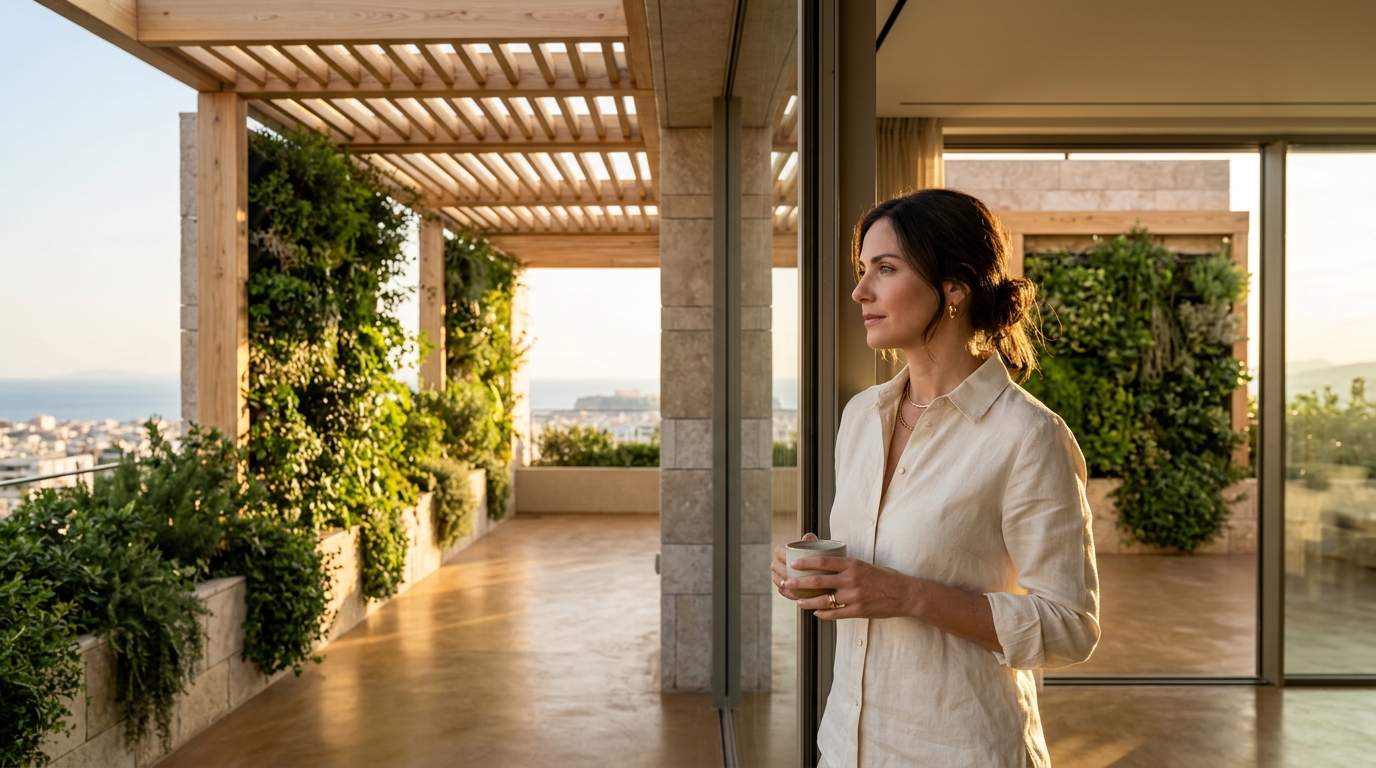
Modern high-net-worth individuals increasingly prioritize environmental impact alongside aesthetic prestige. According to the United Nations Environment Programme, the building and construction sector currently contributes approximately thirty-seven percent of global carbon emissions. Building sector stakeholders are rapidly shifting toward regenerative design frameworks. Buyers now evaluate properties based on lifecycle energy performance rather than initial square footage. This paradigm shift has created distinct market segments that prioritize ecological responsibility without compromising premium living standards. Understanding these emerging categories allows investors to align capital deployment with long-term regulatory compliance and asset appreciation.
Defining Modern Eco-Luxury Standards
Contemporary luxury real estate no longer relies solely on location or square footage. Buyers now demand measurable environmental performance metrics alongside premium finishes. Net-positive energy is a standard that describes structures generating more power than they consume over a twelve-month cycle. This benchmark requires integrated solar arrays, advanced thermal envelope design, and geothermal climate control systems. Architects must balance aesthetic minimalism with technical precision to achieve these targets. The integration of prop-tech monitoring platforms allows owners to track water usage, air quality, and energy draw in real time. This transparency transforms passive ownership into active environmental stewardship.
Net-Zero Residential Developments
Net-zero residential developments represent the most direct response to rising carbon taxation and utility costs. These properties utilize high-performance insulation, triple-glazed fenestration, and heat recovery ventilation to eliminate grid dependency. Passive house certification is a rigorous international standard that mandates airtight construction and superior thermal bridging prevention. Builders in Mediterranean climates often combine thick stone masonry with modern vapor barriers to maintain stable interior temperatures. The initial capital expenditure typically exceeds conventional construction by eighteen percent. Long-term operational savings and increased asset valuation quickly offset the premium. Regulatory incentives in the European Union further accelerate adoption across premium residential markets.
Adaptive Reuse and Heritage Restoration
Repurposing historic structures preserves cultural capital while drastically reducing embodied carbon. Demolition waste currently accounts for nearly thirty percent of all landfill volume worldwide. Waste reduction advocates champion structural retention as a primary sustainability strategy. Architects carefully reinforce original load-bearing walls while inserting modern mechanical systems behind concealed partitions. This approach maintains historical character while delivering contemporary comfort. Buyers seeking unique architectural narratives frequently prioritize restored villas over ground-up construction. The scarcity of heritage properties in prime locations drives consistent appreciation. Preservation grants and tax credits further improve the financial viability of these complex projects.
Biophilic Architecture and Smart Integration
Biophilic design intentionally merges built environments with natural ecosystems to improve occupant wellbeing. Research published by the World Green Building Council demonstrates that nature-integrated spaces reduce stress markers and improve cognitive function by up to twenty percent. Wellness metrics confirm that nature-integrated spaces reduce stress markers and improve cognitive function by up to twenty percent. Designers incorporate living green walls, natural ventilation courtyards, and native landscaping to blur indoor outdoor boundaries. Smart home automation systems adjust shading, irrigation, and lighting based on real-time weather data. This synchronization eliminates manual maintenance while maximizing energy efficiency. Premium buyers increasingly view these features as essential rather than optional amenities.
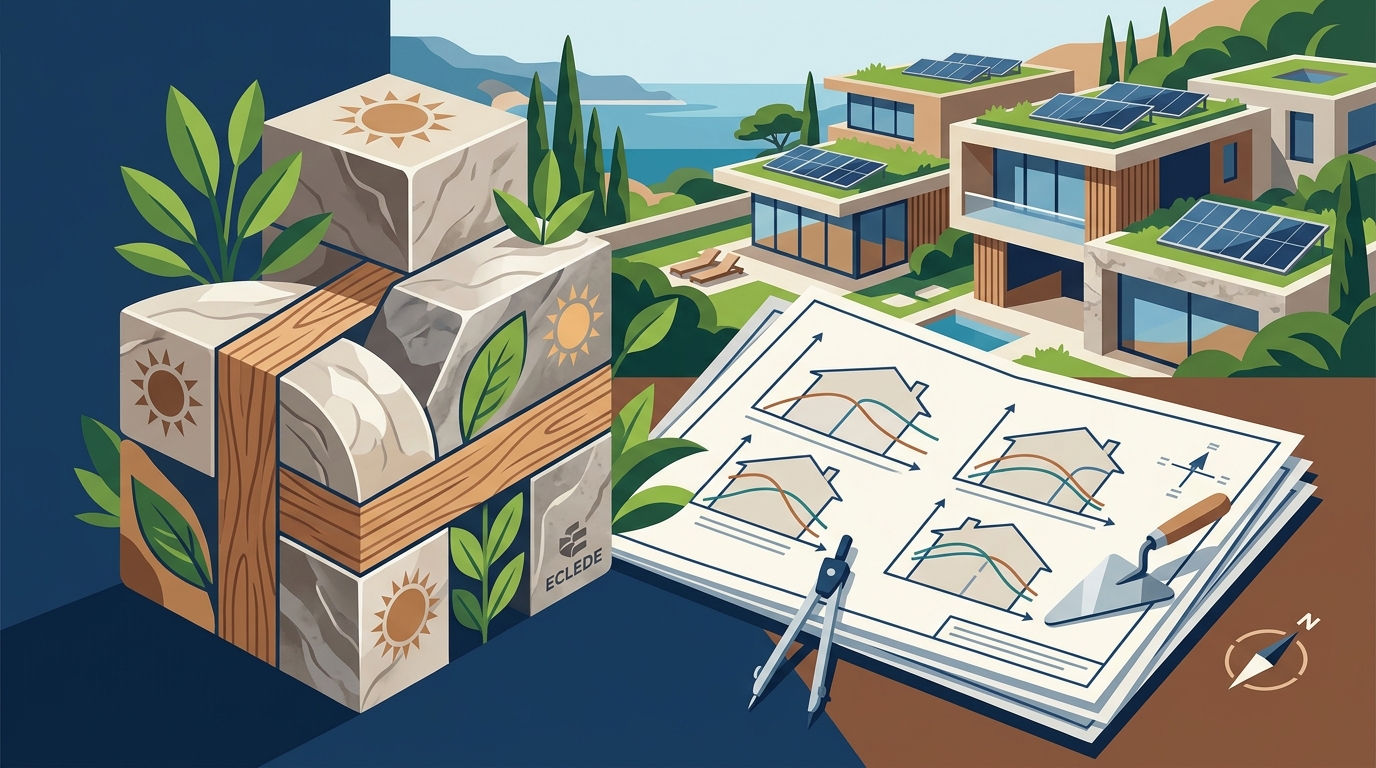
Off-Grid Luxury Enclaves
Remote luxury communities operate entirely independent of municipal infrastructure. These developments utilize microgrid technology, battery storage arrays, and on-site water recycling to ensure complete autonomy. Energy independence is the foundational principle that allows these properties to function without external utility dependencies. Landscaping focuses on drought-resistant flora and rainwater harvesting systems to minimize external resource consumption. Security protocols integrate biometric access and remote monitoring to protect isolated estates. Investors value these enclaves for their resilience against grid failures and rising utility rates. The premium pricing reflects the engineering complexity and land scarcity.
Comparative Market Analysis
Evaluating these alternatives requires a structured comparison of capital requirements, operational costs, and regulatory compliance. The following matrix outlines the primary distinctions between each sustainable luxury category.
| Property Category | Initial Capital Requirement | Operational Efficiency | Regulatory Incentives | Target Buyer Profile |
|---|---|---|---|---|
| Net-Zero Developments | High | Maximum | Extensive | Technology-forward investors |
| Adaptive Reuse Projects | Moderate to High | Variable | Moderate | Heritage preservation advocates |
| Biophilic Smart Homes | Moderate | High | Moderate | Wellness-focused residents |
| Off-Grid Enclaves | Very High | Maximum | Limited | Privacy and autonomy seekers |
Key Takeaways
- Net-zero residential structures typically require an eighteen percent higher initial investment than conventional builds.
- Adaptive reuse projects reduce embodied carbon by approximately sixty percent compared to ground-up construction.
- Biophilic design integration correlates with a twenty percent improvement in documented occupant wellbeing scores.
- Off-grid luxury enclaves command premium pricing due to complete infrastructure independence and land scarcity.
- European regulatory frameworks currently offer the most extensive tax incentives for sustainable property acquisition.
- Prop-tech monitoring platforms are now standard requirements for high-end sustainable asset management.
- Architectural minimalism combined with technical precision remains the dominant design philosophy across all categories.
Frequently Asked Questions
What defines a truly sustainable luxury property?
A sustainable luxury property integrates measurable environmental performance with premium spatial design. These structures prioritize energy independence, material longevity, and ecological harmony without compromising comfort. Buyers evaluate lifecycle costs rather than initial purchase prices to determine true value.
How do net-zero homes compare to traditional luxury estates?
Net-zero homes eliminate ongoing utility expenses and qualify for extensive government incentives. Traditional estates often rely on aging infrastructure and higher maintenance costs. The long-term financial advantage clearly favors energy-independent designs.
Is adaptive reuse financially viable for high-end buyers?
Heritage restoration projects frequently qualify for preservation grants and accelerated depreciation schedules. The scarcity of historic properties in prime locations ensures consistent market demand. Buyers prioritize unique architectural narratives over standardized construction.
What role does prop-tech play in sustainable ownership?
Prop-tech platforms provide real-time monitoring of energy draw, water usage, and air quality. These systems automate climate control and lighting to maximize efficiency. Owners gain complete transparency over their environmental footprint.
How do regulatory incentives impact property valuation?
Government subsidies and tax credits directly improve cash flow and accelerate return on investment. Regions with aggressive climate mandates offer the most favorable financial frameworks. Compliance with upcoming regulations protects long-term asset liquidity.
Can off-grid properties maintain luxury standards?
Modern microgrid technology and advanced battery storage ensure uninterrupted power delivery. High-end off-grid estates incorporate premium finishes and smart automation alongside complete infrastructure independence. Privacy and resilience justify the substantial premium pricing.
What maintenance costs should buyers anticipate?
Sustainable properties typically require lower routine maintenance due to durable material selections. Advanced filtration systems and solar arrays need periodic professional servicing. Lifecycle cost analysis consistently demonstrates significant savings over twenty-year ownership periods.
Next Steps for Sustainable Investment
Identifying the optimal sustainable luxury property requires specialized market analysis and technical due diligence. Our team evaluates environmental performance metrics, regulatory compliance, and long-term appreciation potential for every acquisition. We guide investors through complex permitting processes and connect them with vetted architectural partners. Schedule a consultation to review your specific portfolio objectives and secure exclusive off-market opportunities. Explore our completed developments to witness our commitment to architectural precision and ecological responsibility. Review our industry recognition to understand our standing among global vision creators. Read our latest market insights to stay ahead of regulatory shifts. Learn more about our founding principles by visiting our founder profile and understanding our operational philosophy.