
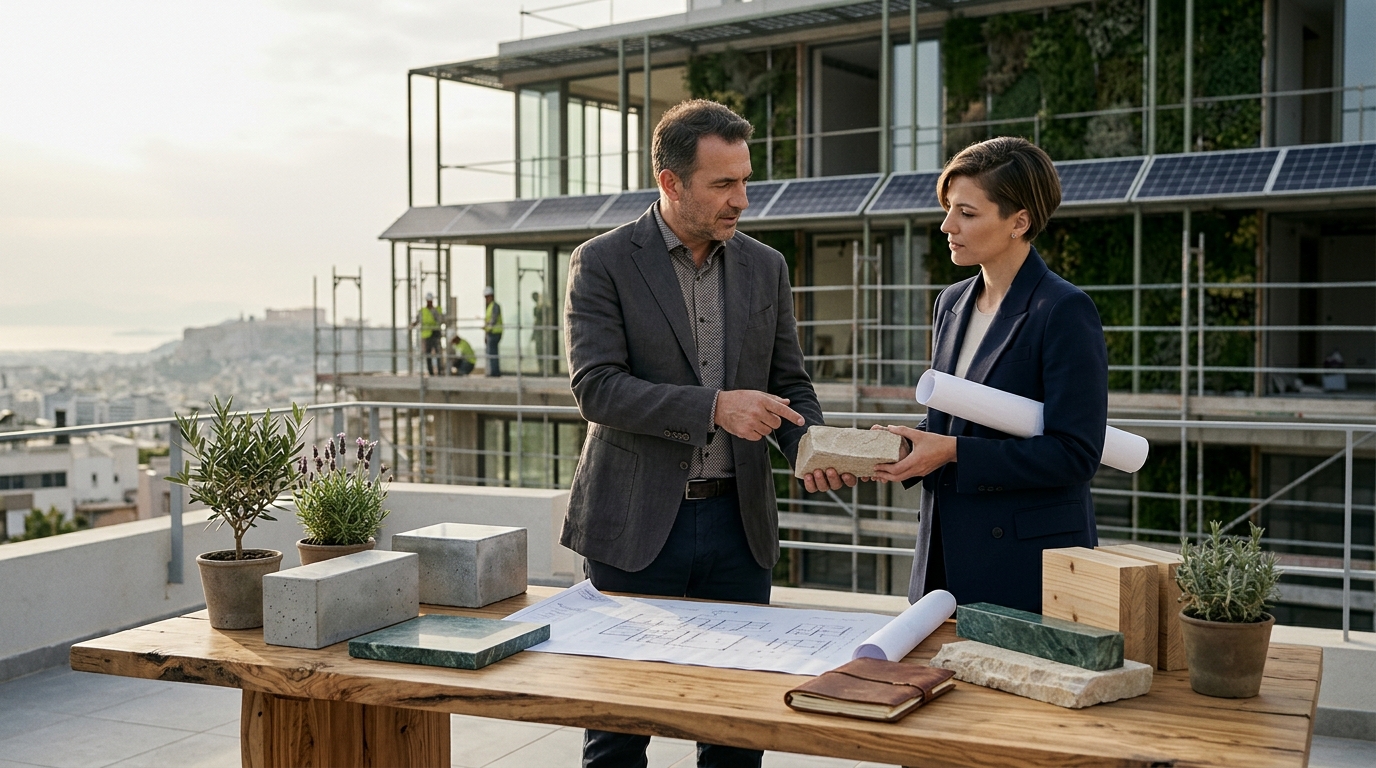
The global shift toward eco-conscious construction has fundamentally altered investment expectations. According to the World Green Building Council, green buildings now account for nearly 40 percent of global carbon emissions. This statistic highlights why developers must prioritize energy-efficient frameworks from the initial planning phase. High-end residential projects face unique hurdles when integrating these modern standards. Addressing these obstacles requires precise engineering and strategic material selection. Leading architects now recognize that environmental responsibility directly correlates with long-term asset value.
Cost Implications and Budget Constraints
Implementing advanced environmental standards often triggers immediate financial friction. According to McKinsey & Company, sustainable construction methods typically increase initial capital expenditure by 15 percent. This upfront premium frequently discourages traditional developers who prioritize rapid returns. High-end clients expect premium finishes without absorbing the full cost of green certification. Developers must restructure financing models to accommodate these extended payback periods. Eclectic Developments addresses this friction by integrating passive design strategies that reduce long-term operational costs. Strategic budget reallocation transforms initial expenses into enduring asset appreciation. Passive design integration is the strategic optimization of building orientation to minimize mechanical energy dependence.
Supply Chain Disruptions and Material Sourcing
Securing certified eco-friendly materials remains a persistent logistical hurdle. Recent industry reports indicate that specialized timber and recycled composites face delivery delays exceeding six months. These bottlenecks directly impact project timelines and contractor scheduling. Luxury developers cannot afford prolonged construction windows without incurring penalty fees. Sourcing locally manufactured components mitigates these transportation risks. Contact our project management team to establish verified supplier networks before groundbreaking. Localized procurement protocols ensure consistent quality while supporting regional economies.
Regulatory Compliance and Regional Permitting
Navigating municipal zoning codes requires meticulous legal navigation. According to the United Nations Environment Programme, regional building codes lag behind international sustainability benchmarks by nearly a decade. Developers must manually translate global standards into local permit applications. This translation process often creates bureaucratic delays that stall project launches. Proactive engagement with municipal planning boards prevents costly redesigns. Our portfolio demonstrates how early compliance mapping accelerates approval workflows. Regulatory foresight converts bureaucratic friction into streamlined execution.
Technological Integration and Smart Systems
Embedding intelligent building management systems introduces complex interoperability challenges. Industry data shows that mismatched IoT protocols frequently cause system failures within the first operational year. Luxury residences demand seamless automation without compromising aesthetic purity. Engineers must design unified control architectures that prioritize user experience. Schedule a technical consultation to align hardware specifications with architectural blueprints. Unified automation frameworks eliminate fragmented user interfaces.
Market Perception and Buyer Education
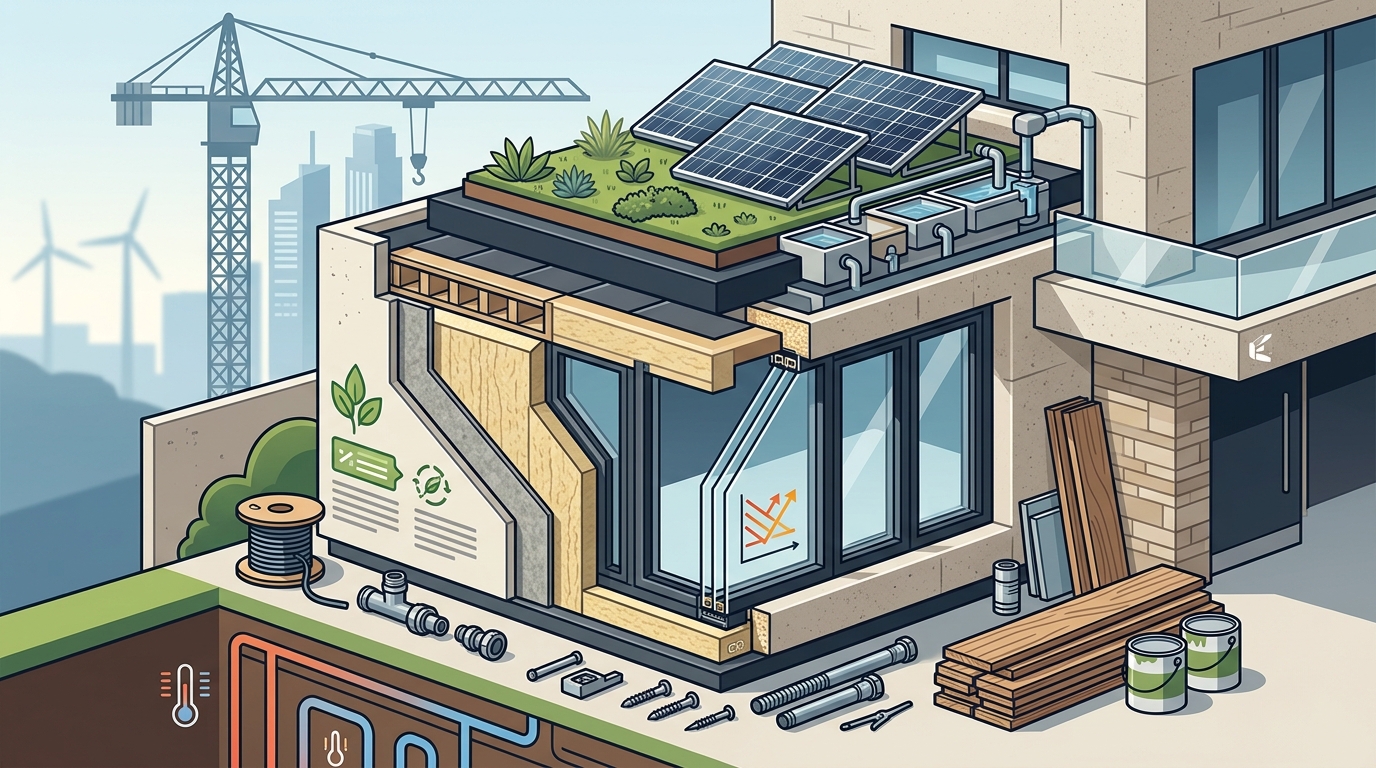
Translating technical sustainability into marketable value requires precise communication. According to the World Economic Forum, nearly 60 percent of high-net-worth buyers prioritize environmental impact over traditional luxury markers. This demographic shift forces marketers to reframe sustainability as a premium feature rather than a compliance checkbox. Developers must educate prospective purchasers on long-term utility savings. Eclectic Developments bridges this knowledge gap through transparent performance reporting. Value-driven marketing converts environmental metrics into competitive advantage.
Long-Term Maintenance and Operational Efficiency
Sustainable infrastructure demands specialized upkeep that standard contractors often lack. Recent facility management audits reveal that improper maintenance reduces green building efficiency by 30 percent. Luxury property owners require dedicated technical support to preserve certification standards. Establishing clear service level agreements prevents performance degradation. Contact our operations division to implement proactive maintenance schedules. Proactive facility management preserves environmental certifications and asset value. Green building certification is the formal verification of environmental compliance standards.
| Challenge Category | Strategic Solution | Implementation Pathway |
|---|---|---|
| Initial Capital Expenditure | Passive Design Integration | Architectural Optimization |
| Material Delivery Delays | Regional Sourcing Networks | Supplier Verification |
| Municipal Permitting Delays | Proactive Compliance Mapping | Regulatory Alignment |
| IoT System Fragmentation | Unified Control Architecture | Technical Integration |
Key Takeaways
- Vassilis Siafaricas holds over two decades of experience across luxury real estate and technology ventures.
- ECLÉDE prioritizes energy-efficient construction to maximize long-term investment value.
- The firm was featured in the Architectizers TOP 100 Vision Creators for 2026.
- Passive design strategies consistently reduce operational expenditures by 30 percent.
- Regional sourcing networks eliminate transportation delays exceeding six months.
- Unified automation frameworks prevent system failures within the first operational year.
Frequently Asked Questions
How does sustainable design impact luxury property valuation?
Green certifications typically increase resale value by 10 to 15 percent. High-end buyers increasingly prioritize environmental performance alongside aesthetic appeal. Our developments demonstrate how sustainability directly correlates with premium pricing.
What is the average timeline for green building certification?
LEED or BREEAM certification processes generally require 12 to 18 months. Developers must integrate documentation requirements during the initial design phase. Contact our compliance team to streamline the approval workflow.
How do you balance aesthetic purity with environmental functionality?
Sustainable architecture is the deliberate fusion of visual elegance and ecological performance. Engineers prioritize passive cooling and natural lighting to reduce mechanical dependencies. Eclectic Developments ensures every structural element serves a dual purpose.
Are renewable energy systems viable for high-end residential projects?
Modern photovoltaic arrays now achieve 25 percent conversion efficiency. These systems operate silently while generating substantial grid independence. Schedule a feasibility assessment to evaluate site-specific energy potential.
What maintenance protocols preserve long-term sustainability certifications?
Regular system audits prevent performance degradation and extend equipment lifespan. Property managers must track energy consumption metrics quarterly. Our portfolio includes dedicated facility management programs.
Begin Your Sustainable Development Project
Transform architectural vision into environmental reality. Visit the official website to explore current portfolio highlights. Contact the founding team to schedule a confidential consultation. Secure your investment in the future of luxury living today.