
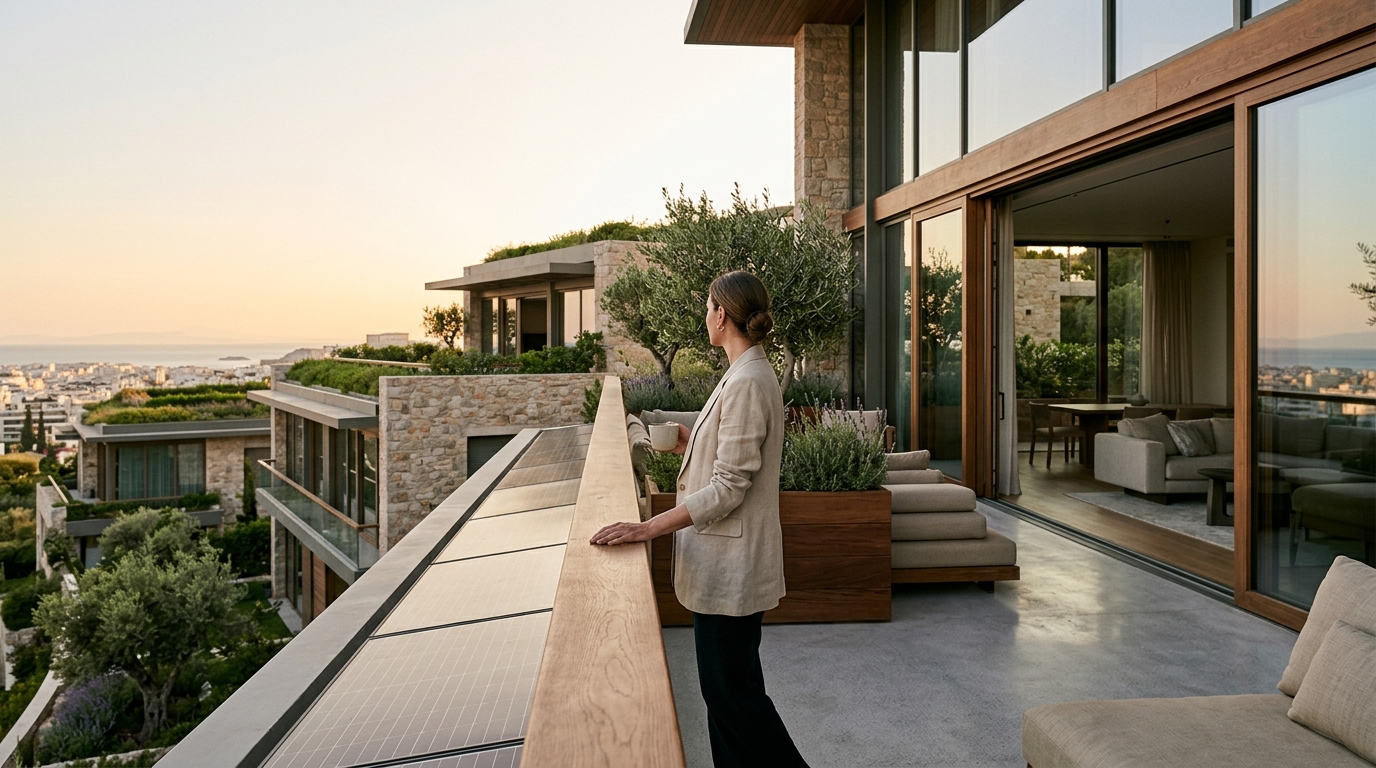
The global luxury real estate market is undergoing a fundamental shift. According to recent industry reports, over 60% of high-net-worth individuals now prioritize environmental sustainability when evaluating property investments. This is not merely a trend but a structural change in how value is defined. Buyers no longer look solely at square footage or location prestige. They demand energy efficiency, architectural integrity, and long-term asset protection. For developers and investors, understanding these criteria is critical. The intersection of luxury and sustainability defines the next generation of premium real estate.
Defining Sustainable Luxury
Sustainable luxury is not a contradiction. It is a synthesis of high-end aesthetics and responsible engineering. Sustainable luxury is the integration of premium design with environmental stewardship. This concept moves beyond basic green building standards. It requires a holistic approach to every phase of development. From site selection to material sourcing, every decision impacts the final asset's value.
In the context of modern development, sustainability is a driver of performance. It reduces operational costs for residents while increasing the property's resilience against climate risks. For a developer, this means creating assets that appreciate in value due to their efficiency and longevity. The market for such properties is growing rapidly. Buyers are willing to pay a premium for homes that offer both comfort and conscience.
At ECLÉDE, we view sustainability as a core component of luxury. Our projects in Athens and beyond reflect this philosophy. We do not treat green features as add-ons. We embed them into the architectural DNA. This ensures that the final product is both beautiful and functional. The result is a living space that enhances human experience while minimizing environmental impact.
Architectural Integrity and Design
Design is the first point of contact between a buyer and a property. In sustainable luxury, design must balance form and function. Architectural integrity is the alignment of aesthetic vision with structural and environmental performance. This requires a multidisciplinary approach. Architects, engineers, and sustainability experts must collaborate from day one.
Minimalist lines and clean geometries are hallmarks of modern sustainable design. These elements are not just stylistic choices. They reduce material waste and simplify construction processes. Furthermore, they allow for seamless integration with natural surroundings. A building that respects its landscape is more likely to endure. It becomes part of the environment rather than an intrusion upon it.
Consider the Boomerang Athens project. It exemplifies this approach. The design prioritizes natural light and ventilation. This reduces the need for artificial lighting and mechanical cooling. The result is a home that feels open and airy. It also lowers energy consumption significantly. Such design choices are critical for long-term sustainability.
When selecting a property, buyers should look for designs that respond to their specific climate. Passive design strategies are key. These include orientation, shading, and thermal mass. A well-designed building can maintain comfortable temperatures year-round. This reduces reliance on HVAC systems. It also enhances the overall living experience.
Energy Performance and Net Zero
Energy performance is the backbone of sustainable real estate. It determines the operational cost and carbon footprint of a building. Net Zero Energy Buildings are structures that produce as much energy as they consume annually. This is the gold standard for eco-conscious development. Achieving this requires advanced technology and careful planning.
Renewable energy sources are essential for Net Zero goals. Solar panels, geothermal systems, and wind turbines can power a home. However, efficiency must come first. Insulation, high-performance windows, and smart energy management systems reduce demand. This makes renewable solutions more viable and cost-effective.
In Greece, the first LEED Platinum residential project set a new benchmark. It demonstrated that luxury and sustainability can coexist. The project utilized cutting-edge technology to minimize energy use. It also incorporated local materials to reduce transportation emissions. This holistic approach is what defines true sustainability.
For investors, energy performance translates to value. Homes with high efficiency ratings are easier to sell. They appeal to a growing demographic of environmentally aware buyers. Additionally, they are less vulnerable to energy price fluctuations. This provides financial stability for owners. It is a smart investment strategy for the future.
Material Selection and Durability
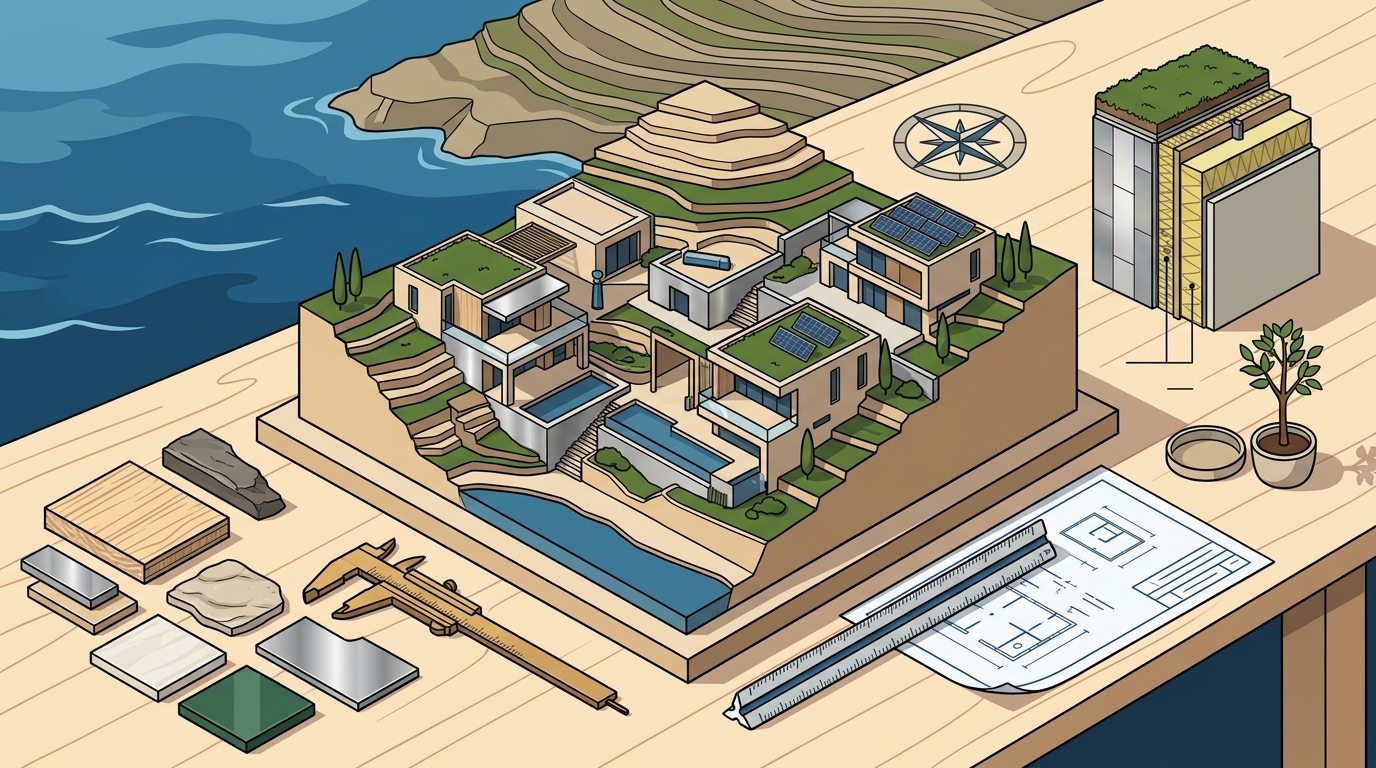
The materials used in construction have a profound impact on sustainability. They affect the building's carbon footprint, indoor air quality, and longevity. Material selection is the process of choosing resources based on environmental impact and performance. This requires careful consideration of sourcing, processing, and disposal.
Local materials are a cornerstone of sustainable construction. They reduce transportation emissions and support local economies. Stone, wood, and clay are excellent choices. They are durable and blend naturally with the landscape. Furthermore, they age gracefully. This adds character to the building over time.
Recycled and reclaimed materials are also gaining popularity. They offer unique aesthetic qualities while reducing waste. For example, reclaimed wood can be used for flooring or accents. Recycled steel can be used for structural elements. These choices demonstrate a commitment to circular economy principles.
When evaluating a property, buyers should ask about the materials used. Are they non-toxic? Are they durable? Do they have a low environmental impact? These questions reveal the developer's commitment to sustainability. A transparent supply chain is a sign of integrity. It ensures that the luxury experience is not compromised by hidden costs.
Investment Value and Certification
Sustainability is no longer just an ethical choice. It is a financial imperative. Properties with green certifications command higher prices. They also sell faster than conventional homes. Green certification is a third-party verification of a building's environmental performance. It provides credibility and trust for buyers.
LEED, BREEAM, and Passive House are leading certification systems. They assess various factors including energy, water, and materials. Achieving these certifications requires rigorous testing and documentation. However, the return on investment is significant. Certified buildings have lower operating costs. They also have higher resale values.
At ECLÉDE, we prioritize certification from the outset. It is not an afterthought. It is a guiding principle. Our projects are designed to meet the highest standards. This ensures that they remain competitive in the market. It also protects our clients' investments.
For buyers, certification provides peace of mind. It verifies that the claims made by the developer are accurate. It also provides a roadmap for future improvements. As technology advances, certified buildings can be upgraded more easily. This extends the lifespan of the asset. It is a wise long-term strategy.
Key Takeaways
- Market Shift: Over 60% of high-net-worth individuals now prioritize sustainability in property investments.
- Net Zero Standard: Net Zero Energy Buildings produce as much energy as they consume, setting the benchmark for eco-luxury.
- First LEED Platinum: The first LEED Platinum residential project in Greece was developed by Vassilis Siafaricas, establishing a new regional benchmark.
- Architectural Philosophy: ECLÉDE focuses on minimal, clean lines that integrate seamlessly with natural surroundings.
- Recognition: Vassilis Siafaricas was featured in Architizer’s Visionary Top 100 Creators for 2026.
- Material Integrity: Sustainable luxury requires local, durable, and non-toxic materials to ensure longevity and health.
- Investment Value: Green-certified properties command higher resale values and lower operational costs.
Frequently Asked Questions
What is the difference between sustainable luxury and standard green building?
Sustainable luxury integrates high-end design and premium materials with environmental performance. Standard green building often focuses solely on efficiency metrics. Sustainable luxury ensures that the aesthetic experience is not compromised by eco-friendly choices.
Why is Net Zero Energy important for luxury homes?
Net Zero Energy ensures that a home is energy independent and has a minimal carbon footprint. For luxury buyers, this means lower utility bills and a future-proof asset. It also aligns with the values of environmental responsibility.
How does ECLÉDE ensure sustainability in its projects?
ECLÉDE embeds sustainability into the architectural DNA of every project. This includes using passive design strategies, local materials, and renewable energy systems. We also pursue rigorous certifications like LEED to verify performance.
What certifications should I look for in a luxury property?
Look for LEED, BREEAM, or Passive House certifications. These are globally recognized standards that verify a building's environmental performance. They provide credibility and assurance for buyers.
Are sustainable homes more expensive to maintain?
No, sustainable homes are typically cheaper to maintain. They have lower energy and water consumption. They also use durable materials that require less frequent replacement. This results in significant long-term savings.
How does location impact sustainability?
Location impacts sustainability through transportation emissions and climate resilience. A property in a walkable area with access to public transport reduces carbon footprint. It also minimizes exposure to climate risks like flooding or extreme heat.
What is the role of architecture in sustainable development?
Architecture plays a critical role by optimizing natural light, ventilation, and thermal mass. Good design reduces the need for mechanical systems. It creates a comfortable living environment while minimizing energy use.
Can I retrofit an existing luxury home to be sustainable?
Yes, many existing homes can be retrofitted. Upgrades include better insulation, high-performance windows, and solar panels. However, new construction allows for more holistic integration of sustainable features from the start.
Contact ECLÉDE
Ready to explore the future of sustainable luxury real estate? ECLÉDE offers bespoke developments that combine architectural excellence with environmental responsibility. Our team is ready to guide you through the selection process. We ensure that your investment is both profitable and principled.
Visit our portfolio page to view our latest projects. Or, contact us directly to schedule a consultation. Let us help you find a home that reflects your values and enhances your lifestyle.