
Measurable Returns of Sustainable Design Investments in Luxury Residential Development
The global luxury real estate market is undergoing a fundamental structural shift. According to recent industry data, sustainable properties in high-end markets are commanding price premiums of up to 20% compared to conventional counterparts. This is not merely a trend driven by regulatory pressure but a measurable financial imperative. Investors and developers are increasingly recognizing that environmental responsibility and architectural excellence are not mutually exclusive. Instead, they are synergistic forces that drive long-term asset value, operational efficiency, and brand equity. The intersection of high-performance design and luxury living defines the next generation of real estate development.
Financial Performance and Asset Valuation
The primary argument for sustainable design in luxury development is its direct impact on asset valuation. Traditional real estate models often view sustainability as a cost center. Modern data proves it is a value generator. Properties certified under rigorous standards like LEED or BREEAM consistently outperform non-certified peers in both sales velocity and final transaction prices.
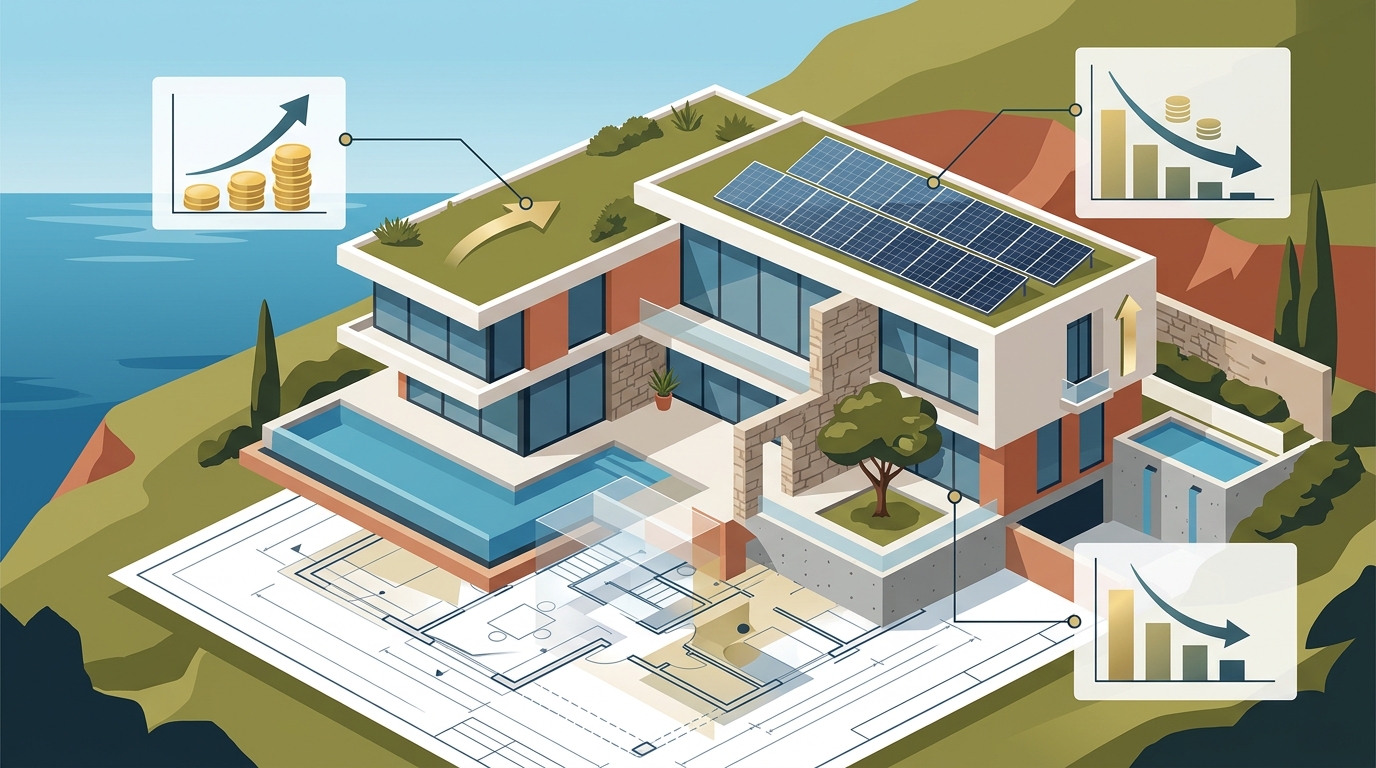
Net Zero Energy Buildings represent the pinnacle of this financial strategy. By eliminating utility dependencies, these structures offer buyers a level of financial predictability that is highly attractive in volatile economic climates. The initial capital expenditure for high-performance insulation, solar integration, and smart HVAC systems is offset by the dramatic reduction in operational costs over the building's lifecycle.
Furthermore, institutional investors are increasingly allocating capital to green assets. This shift is driven by risk mitigation. Climate-related risks, such as flooding or extreme heat, threaten traditional construction. Sustainable designs inherently mitigate these risks through resilient materials and adaptive infrastructure. This resilience translates to lower insurance premiums and higher long-term stability for investors.
For developers, the ability to claim high-performance development credentials serves as a powerful differentiator in a crowded market. It signals to buyers that the property is not just a home, but a forward-thinking investment. This perception allows for premium pricing strategies that are justified by tangible performance metrics rather than marketing hype alone.
Operational Efficiency and Cost Reduction
Luxury buyers expect seamless functionality. Sustainable design delivers this through intelligent systems integration. The concept of passive house principles is central to this efficiency. It involves creating a building envelope that retains heat in winter and excludes it in summer, drastically reducing the load on mechanical systems.
In the context of luxury residential projects, this means quieter, more comfortable living spaces. There is no constant hum of HVAC units fighting the elements. Instead, the home breathes naturally, maintaining perfect humidity and temperature levels with minimal energy input. This level of comfort is a luxury in itself, one that cannot be replicated by standard construction methods.
Operational efficiency also extends to maintenance. High-quality, durable materials used in sustainable construction require less frequent replacement. This reduces the long-term burden on property management teams and owners. The holistic approach to development ensures that every component, from the foundation to the finishings, is selected for longevity and performance.
Data shows that buildings with integrated smart home technologies, which are often a staple of sustainable luxury, can reduce energy consumption by up to 30%. This is achieved through automated lighting, climate control, and security systems that adapt to occupancy patterns. For the luxury buyer, this technology is not just about saving energy. It is about convenience, security, and a heightened sense of control over their living environment.
Architectural Integrity and Brand Equity
Sustainable design does not compromise aesthetic appeal. In fact, it enhances it. The philosophy of minimal, clean architectural lines is often a natural outcome of sustainable design. By focusing on form following function, architects create spaces that are visually striking and structurally sound. This approach aligns perfectly with the luxury market's demand for timeless elegance.
Brands that commit to sustainability build significant equity. They are seen as innovators and leaders in their field. This reputation attracts high-net-worth individuals who value responsibility and innovation. For a developer, this brand equity is invaluable. It opens doors to exclusive partnerships, premium land acquisitions, and a loyal client base that trusts the developer's vision.
The integration of natural surroundings is another key aspect of sustainable luxury. Buildings that respect their environment and blend seamlessly into the landscape are highly prized. This is not just about aesthetics. It is about creating a sense of place. A home that feels connected to its surroundings offers a psychological benefit that is increasingly sought after in urban environments.
Recognition from industry bodies, such as international design awards, further validates this approach. Winning awards for sustainability and design excellence provides third-party verification of quality. It serves as a powerful marketing tool that reinforces the developer's commitment to excellence. This recognition is not just for prestige. It is a measurable indicator of market leadership.
Market Demand and Buyer Psychology
The modern luxury buyer is more informed and discerning than ever before. They are not just buying square footage. They are buying a lifestyle, a value system, and a future. Sustainability is a core component of this value system. Buyers are actively seeking homes that reflect their personal ethics and environmental concerns.
This demand is particularly strong among younger generations of wealthy individuals. For them, sustainability is not a niche preference. It is a baseline expectation. They are willing to pay a premium for homes that offer health benefits, such as improved indoor air quality and non-toxic materials. They are also motivated by the desire to leave a positive legacy.
Research indicates that properties with green certifications sell faster than those without. This is due to the perceived lower risk and higher quality. Buyers trust the rigorous testing and verification processes involved in certification. It provides them with confidence in their investment. This confidence translates into quicker decision-making and reduced negotiation friction.
Furthermore, the emotional connection to a sustainable home is powerful. Buyers feel good about their purchase. They know they are contributing to a healthier planet. This emotional satisfaction is a key driver of brand loyalty. It turns one-time buyers into long-term advocates who refer others to the developer. This word-of-mouth marketing is invaluable in the luxury sector.
Case Studies in Sustainable Luxury
To understand the tangible benefits of sustainable design, we must look at real-world examples. The development of Boomerang Athens demonstrates how sustainable principles can be applied to urban luxury. This project integrates high-performance building envelopes with smart energy systems to create a Net Zero Energy Building. The result is a residence that offers unparalleled comfort and efficiency in the heart of the city.
Another example is the Dynasty Villas project. Here, the focus is on seamless integration with the natural landscape. The design minimizes environmental impact while maximizing views and privacy. This approach has resulted in a highly sought-after product that commands premium prices. The villas are not just homes. They are sanctuaries that respect their environment.
The Atlas + Pleione development further illustrates the power of sustainable luxury. By combining innovative architecture with rigorous sustainability standards, this project has set a new benchmark for the region. It has attracted international attention and recognition, proving that sustainable design is a global imperative, not just a local trend.
These case studies share a common thread. They all prioritize long-term value over short-term gains. They use high-quality materials and intelligent design to create homes that will remain desirable and functional for decades. This long-term perspective is what distinguishes sustainable luxury from conventional development.
Key Takeaways
- Asset Premium: Sustainable luxury properties command price premiums of up to 20% over conventional peers.
- Operational Savings: Net Zero Energy Buildings significantly reduce long-term utility costs for owners.
- Brand Equity: Commitment to sustainability attracts high-net-worth buyers and builds long-term trust.
- Market Velocity: Green-certified homes sell faster due to perceived lower risk and higher quality.
- Resilience: Sustainable designs mitigate climate risks, offering greater stability for investors.
- Aesthetic Value: Minimal, clean lines and natural integration enhance architectural appeal.
- Global Recognition: Awards and certifications validate quality and attract international attention.
Frequently Asked Questions
What is the financial impact of sustainable design on luxury real estate?
Sustainable design leads to higher asset valuations, faster sales velocity, and reduced operational costs. Properties with green certifications often sell at a premium compared to non-certified counterparts.
How does Net Zero Energy benefit luxury homeowners?
Net Zero Energy Buildings eliminate utility dependencies, offering financial predictability and comfort. They provide a quiet, healthy living environment with minimal environmental impact.
Why is architectural integrity important in sustainable luxury?
Architectural integrity ensures that sustainability does not compromise aesthetics. It creates timeless, visually striking homes that blend with their surroundings and offer long-term value.
What role does brand equity play in sustainable development?
Brand equity builds trust and loyalty among high-net-worth buyers. It positions the developer as an innovator and leader, attracting premium clients and partnerships.
How do sustainable materials affect maintenance costs?
High-quality, durable materials used in sustainable construction require less frequent replacement. This reduces long-term maintenance burdens for property owners and management teams.
What is the significance of LEED Platinum certification?
LEED Platinum certification represents the highest level of environmental performance. It provides third-party verification of quality and sustainability, enhancing marketability and value.
How does sustainable design influence buyer psychology?
Sustainable design appeals to buyers' values and ethics. It offers emotional satisfaction from contributing to a healthier planet, fostering brand loyalty and positive word-of-mouth.
What are the key components of a sustainable luxury home?
Key components include high-performance building envelopes, smart energy systems, natural material integration, and intelligent home automation. These elements work together to create a resilient and efficient living space.
Start Your Sustainable Development Journey
The future of luxury real estate is sustainable. It is not just about building homes. It is about creating legacies. If you are a developer, investor, or buyer looking for a partner who understands the intersection of design, sustainability, and financial performance, ECLÉDE is the ideal choice. Our multidisciplinary approach ensures that every project is a masterpiece of efficiency and elegance.
Contact us today to discuss your next project. Visit our contact page to schedule a consultation with our team. Let us help you build a future that is both profitable and responsible. Explore our portfolio to see how we have redefined luxury living in Athens and beyond.