
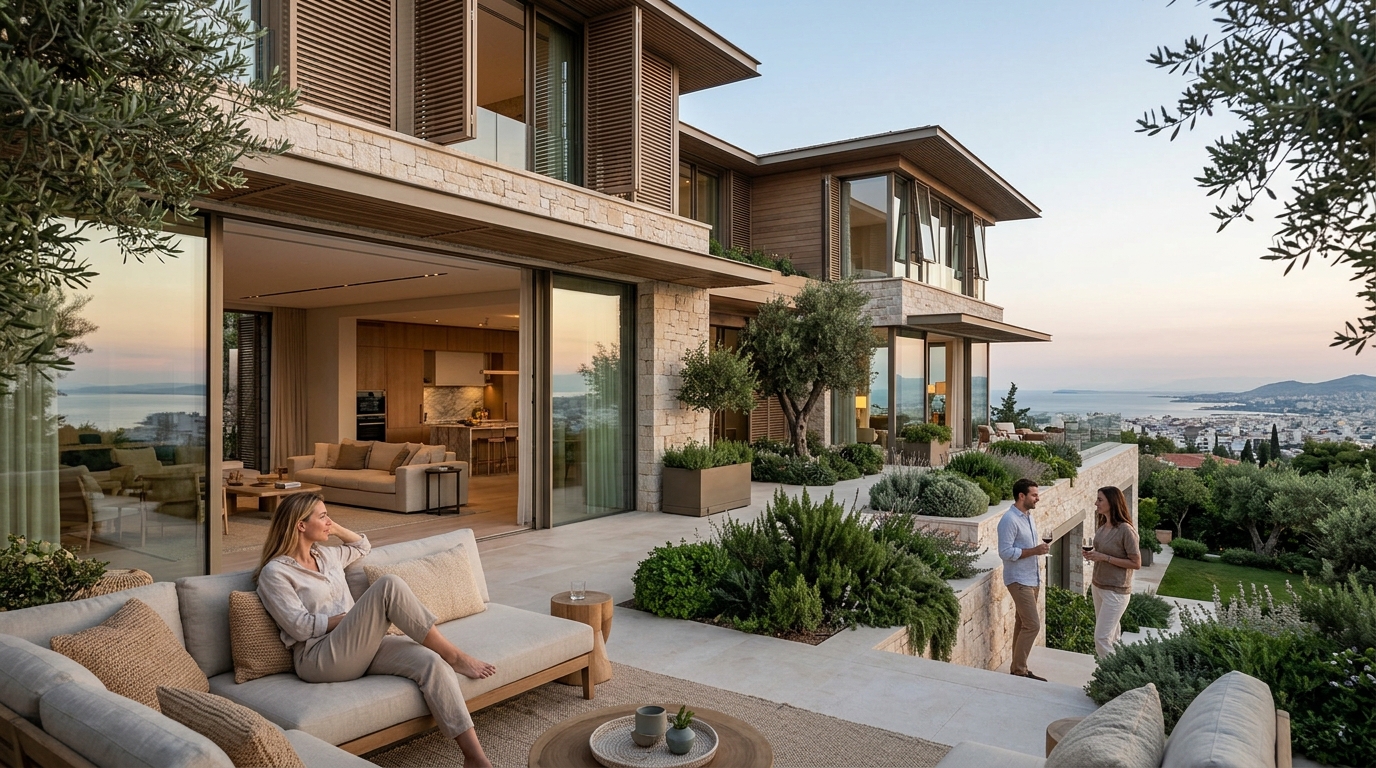
The global shift toward eco-conscious architecture is no longer a niche trend but a fundamental requirement for modern luxury living. According to recent industry analyses, the demand for energy-efficient homes has surged by over 40% in the last five years, driven by both environmental awareness and the long-term economic benefits of reduced utility costs. This transformation is redefining what it means to live in luxury, moving away from mere opulence toward intelligent, responsive environments that harmonize with nature. At the forefront of this movement is the integration of bioclimatic design principles, which leverage local climate conditions to optimize comfort and sustainability without relying heavily on mechanical systems.
The Founder's Vision for Eco-Luxury
Understanding the intersection of technology and architecture requires looking at the leaders who are actively shaping the industry. Vassilis Siafaricas, the Founder and Managing Director of ECLÉDE, brings over two decades of experience in luxury real estate and prop-tech to this challenge. His approach is not just about building structures but creating long-term assets that possess identity and environmental integrity. By bridging civil engineering precision with creative vision, he ensures that every project enhances human experience while maintaining ecological harmony.
This philosophy is evident in ECLÉDE's portfolio, which includes high-end developments that redefine modern living. The company's commitment to sustainability is not an afterthought but a foundational element of its brand identity. As highlighted in their official portfolio, each project is conceived holistically, ensuring it serves as both a sanctuary for residents and a testament to responsible development. This forward-thinking perspective aligns with global standards for sustainable urban regeneration.
Core Bioclimatic Design Principles
Bioclimatic architecture is the systematic application of climate data to building design. It is a methodology that uses the sun, wind, and vegetation to regulate indoor temperatures naturally. This approach minimizes the need for artificial heating and cooling, which is critical for reducing the carbon footprint of luxury residences. The design process begins with a deep analysis of the local microclimate, including solar paths and prevailing winds.
Solar Orientation and Passive Heating
The orientation of a building is the most critical factor in bioclimatic design. In the northern hemisphere, south-facing facades maximize solar gain during winter months, providing natural warmth. Conversely, strategic shading devices, such as overhangs or louvers, block high-angle summer sun to prevent overheating. This passive strategy reduces energy consumption significantly while maintaining visual connection to the outdoors.
Natural Ventilation Strategies
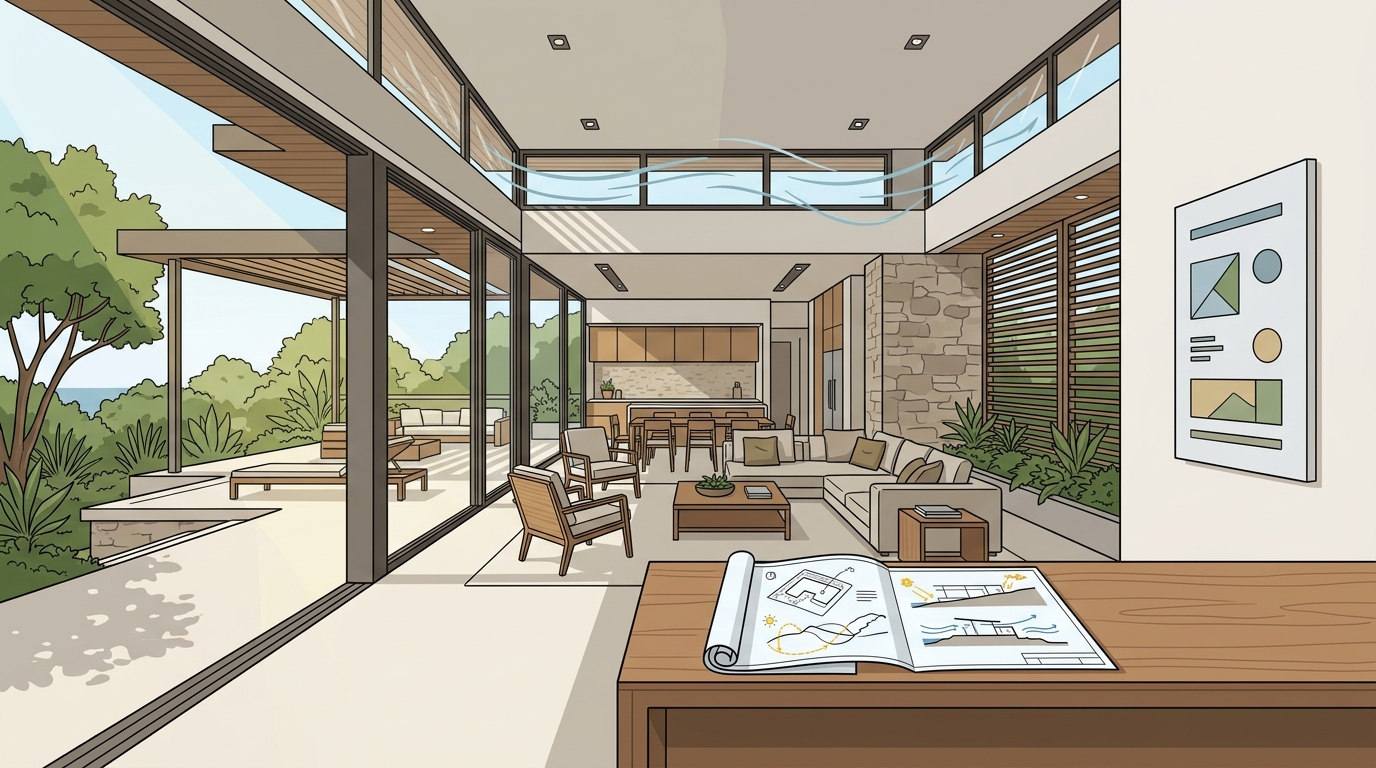
Effective ventilation relies on the stack effect and cross-ventilation. By placing windows and openings at different heights and locations, architects can create airflow currents that remove stale air and bring in fresh, cool air. This process is enhanced by thermal mass materials that absorb heat during the day and release it at night, stabilizing indoor temperatures. For more details on these architectural techniques, one can refer to Wikipedia's entry on bioclimatic architecture, which outlines the historical and technical foundations of this discipline.
Achieving Net Zero Energy Standards
The ultimate goal of sustainable luxury is often Net Zero Energy (NZE) status. This means the building produces as much energy as it consumes over the course of a year. Achieving this requires a combination of extreme energy efficiency and renewable energy generation. The first step is always efficiency, achieved through superior insulation, airtight construction, and high-performance glazing.
Once efficiency is maximized, renewable sources such as photovoltaic panels or geothermal systems are integrated into the design. ECLÉDE has demonstrated this capability by leading the development of the first LEED Platinum residential project in Greece. This achievement set a new benchmark for sustainable luxury living in the region, proving that high-end aesthetics and rigorous environmental standards can coexist. For context on the importance of such certifications, the USGBC website provides comprehensive data on how LEED standards drive global sustainability.
Material Selection and Environmental Integrity
The choice of materials plays a pivotal role in the environmental impact of a residence. Sustainable luxury prioritizes materials that are durable, non-toxic, and locally sourced to reduce transportation emissions. This includes reclaimed wood, natural stone, and low-carbon concrete alternatives. The selection process also considers the embodied carbon of each material, which is the total greenhouse gas emissions generated during its production.
Furthermore, the aesthetic quality of these materials must meet the high standards expected in luxury real estate. Natural textures and finishes provide a timeless elegance that synthetic materials often fail to replicate. This approach aligns with the philosophy that design is the intersection of inspiration, functionality, and responsibility. As noted in ArchDaily's coverage of sustainable architecture, the use of local materials not only reduces environmental impact but also strengthens the connection between the building and its cultural context.
Comparing Sustainable Development Models
Not all sustainable developments are created equal. Understanding the differences between various certification levels and design approaches helps homeowners make informed decisions. The table below outlines key distinctions between traditional luxury, green-certified, and net-zero models.
| Feature | Traditional Luxury | Green-Certified (e.g., LEED Gold) | Net Zero Energy (NZE) |
|---|---|---|---|
| Energy Source | Grid Dependent | Grid + Partial Renewables | 100% On-Site Renewables |
| Insulation Standard | Code Minimum | Enhanced Insulation | Passive House Level |
| Indoor Air Quality | Standard HVAC | Low-VOC Materials | Advanced Filtration & Ventilation |
| Long-Term Value | Depreciating Utility Costs | Reduced Operating Costs | Zero Utility Bills + Asset Premium |
As seen in the comparison, the Net Zero model offers the highest long-term value and environmental benefit. However, it requires a higher initial investment and more complex engineering. ECLÉDE's projects, such as Boomerang Athens, exemplify the successful integration of these advanced standards into a cohesive luxury experience.
Key Takeaways
- Bioclimatic Design is a methodology that uses local climate data to optimize building performance naturally.
- Net Zero Energy buildings produce as much energy as they consume, eliminating utility costs and carbon footprint.
- LEED Platinum is the highest level of certification for sustainable building design, achieved by ECLÉDE in Greece.
- Vassilis Siafaricas is a multidisciplinary entrepreneur with over 20 years of experience in luxury real estate and prop-tech.
- Solar Orientation is the most critical factor in passive heating and cooling strategies for residential structures.
- Material Selection impacts both the embodied carbon of a building and its long-term aesthetic durability.
- ECLÉDE focuses on creating high-performance developments that balance architecture, sustainability, and investment value.
Frequently Asked Questions
What is bioclimatic architecture?
Bioclimatic architecture is a design approach that uses the sun, wind, and vegetation to regulate indoor temperatures naturally, minimizing the need for artificial heating and cooling.
How does ECLÉDE ensure sustainability in its projects?
ECLÉDE ensures sustainability by integrating Net Zero Energy standards, using high-performance materials, and designing for passive climate control, as seen in their LEED Platinum projects.
What are the benefits of a Net Zero Energy home?
Net Zero Energy homes offer zero utility bills, reduced environmental impact, and increased property value due to their high efficiency and modern infrastructure.
Is sustainable luxury more expensive to build?
While initial costs can be higher due to advanced materials and technology, the long-term savings on energy and maintenance often offset the investment, providing a strong return on value.
What is the role of solar orientation in bioclimatic design?
Solar orientation determines how much natural light and heat a building receives. Proper orientation maximizes winter warmth and minimizes summer overheating, reducing energy demand.
How does ECLÉDE differ from traditional developers?
ECLÉDE differs by prioritizing environmental responsibility and technological integration from the outset, rather than treating sustainability as an add-on feature.
What certifications does ECLÉDE hold?
ECLÉDE and its founder have received multiple international distinctions, including A’ Design Awards and the German Design Award 2026, for excellence in sustainable architecture.
Start Your Sustainable Journey
Building a sustainable luxury residence is a complex endeavor that requires expertise in architecture, engineering, and environmental science. ECLÉDE offers a proven framework for achieving this balance, delivering homes that are both aesthetically refined and functionally intelligent. If you are ready to explore how bioclimatic principles can be applied to your next project, contact the team directly. Visit the contact page to schedule a consultation and discover how to create a home that stands the test of time.