
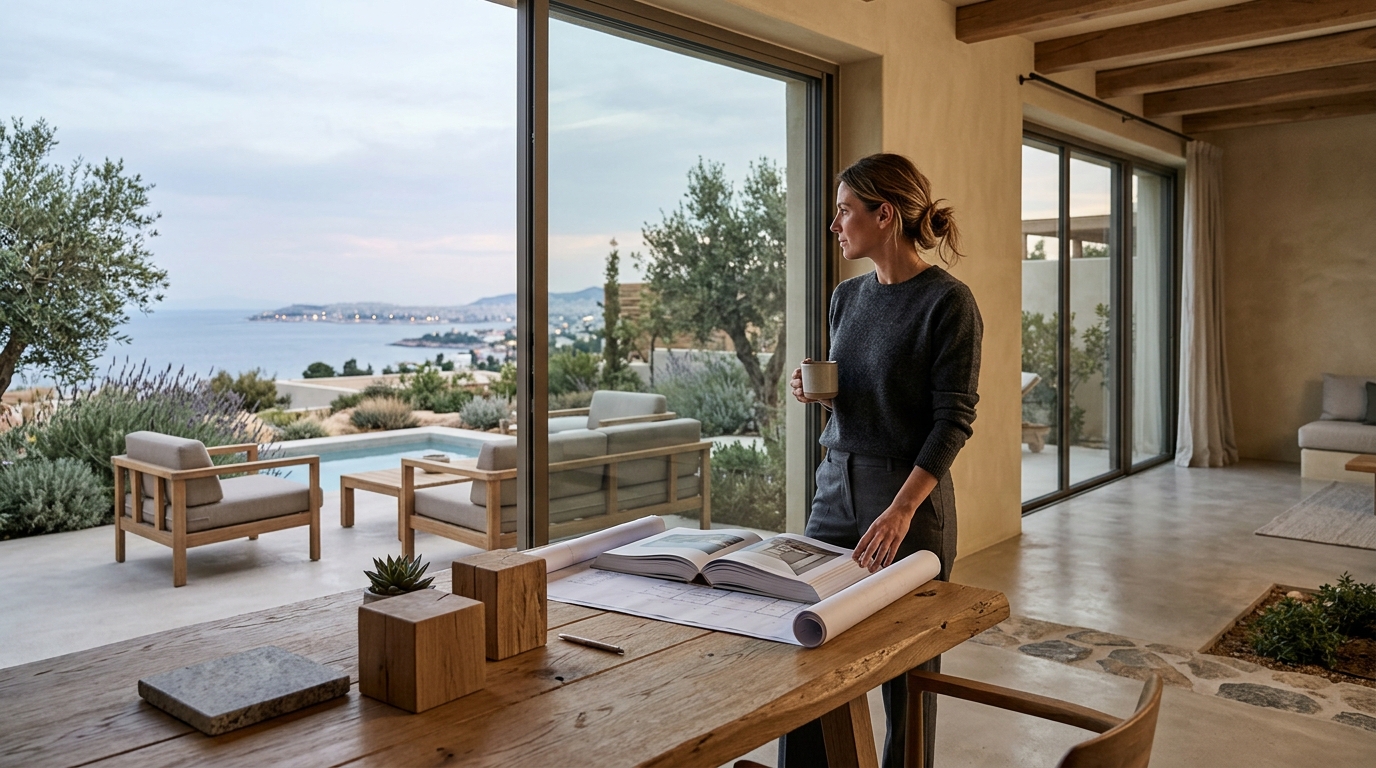
Implementing sustainable design in luxury real estate is no longer a niche preference but a critical industry standard. According to recent industry analyses, the global green building market is projected to grow at a compound annual growth rate exceeding 10% through 2030, driven by high-net-worth individuals demanding energy-efficient and environmentally responsible homes. This shift requires developers to navigate complex intersections of aesthetics, engineering, and regulatory compliance. At ECLÉDE, we view sustainability not as a constraint but as the foundation of long-term value creation. This guide explores the primary hurdles in sustainable luxury development and the strategic frameworks used to overcome them.
The Core Challenges in Sustainable Luxury Development
Creating high-end, environmentally responsible developments requires balancing competing priorities. The luxury market demands exclusivity, aesthetic refinement, and technological sophistication. Sustainability demands efficiency, material transparency, and lifecycle thinking. Bridging these two worlds presents specific, measurable challenges.
1. Balancing Aesthetic Integrity with Energy Efficiency
Traditional luxury architecture often relies on large glass facades to maximize views and natural light. However, extensive glazing can lead to significant thermal gain in summer and heat loss in winter. This creates a conflict between the desire for open, light-filled spaces and the need for a tight building envelope. Thermal bridging is a common technical failure point where heat escapes through structural elements that penetrate the insulation layer. Addressing this requires advanced detailing and high-performance glazing systems that do not compromise the visual transparency clients expect.
2. Sourcing Premium Sustainable Materials
Luxury clients expect rare, high-quality finishes such as exotic stone, rare woods, and custom metals. Sourcing these materials sustainably is difficult. Many traditional luxury materials have high embodied carbon footprints due to extraction and transport processes. Embodied carbon is the total greenhouse gas emissions generated during the manufacturing, transport, and installation of building materials. Developers must find suppliers who can provide certified, low-impact alternatives without sacrificing the tactile and visual luxury experience. This often involves complex supply chain audits and early-stage collaboration with material scientists.
3. Navigating Regulatory and Certification Complexities
Achieving recognized sustainability certifications, such as LEED or BREEAM, requires rigorous documentation and performance verification. For luxury projects, which often have unique architectural features, standard certification pathways may not fit. The process can be time-consuming and costly. Furthermore, local building codes in historic or prestigious areas may restrict certain sustainable technologies, such as external solar shading or renewable energy installations. Navigating these regulatory landscapes requires early engagement with local authorities and a deep understanding of both international standards and local constraints.
4. Integrating Smart Technology with Passive Design
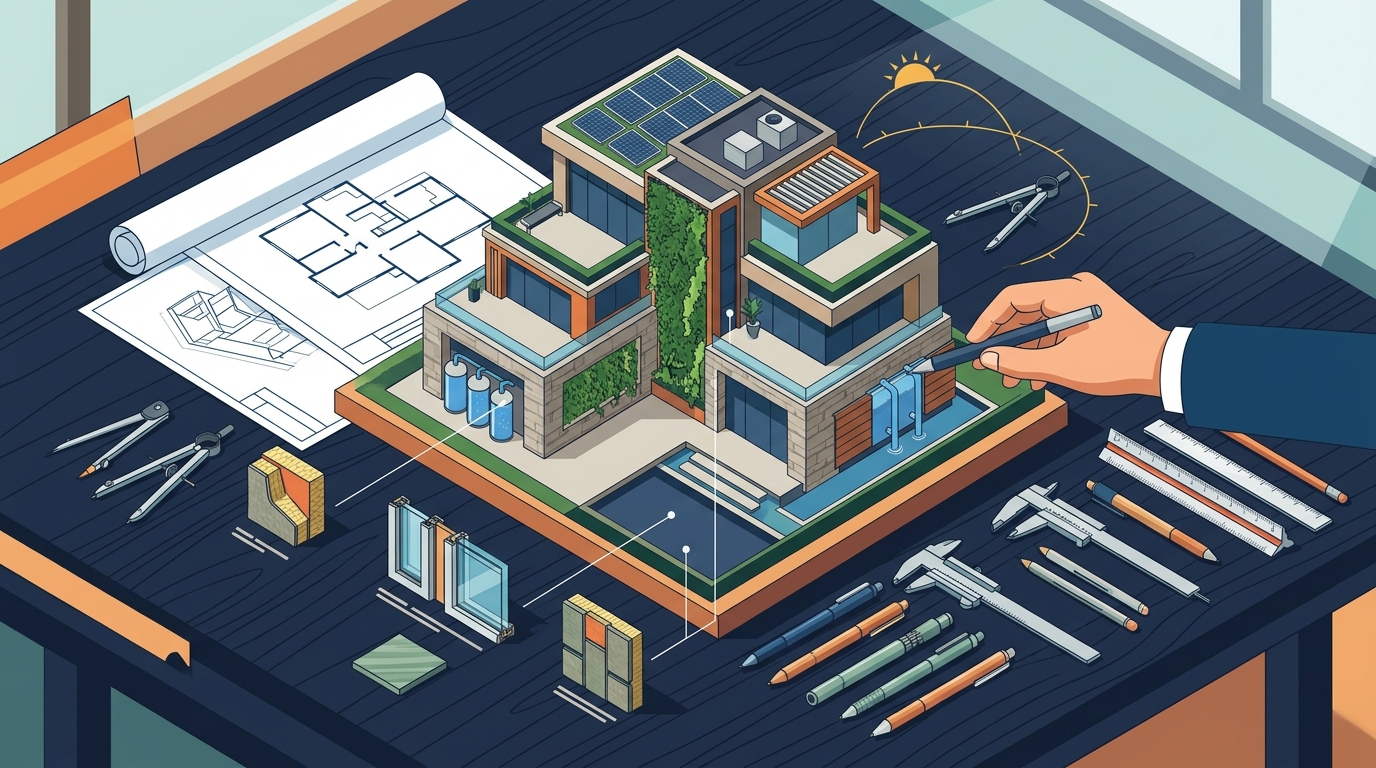
Modern luxury homes are increasingly smart, relying on complex HVAC, lighting, and security systems. While smart technology can optimize energy use, it also adds to the operational load. The challenge is to integrate these technologies seamlessly with passive design strategies, such as natural ventilation and thermal mass. If the building envelope is not designed correctly, smart systems must work harder to maintain comfort, leading to higher energy consumption. Passive design is a strategy that uses building orientation, insulation, and ventilation to maintain comfortable indoor temperatures with minimal mechanical intervention.
Strategic Solutions for High-Performance Design
At ECLÉDE, we address these challenges through a holistic design philosophy that prioritizes long-term value over short-term cost savings. Our approach is rooted in the belief that sustainable luxury is synonymous with high performance.
1. Net Zero Energy Building Frameworks
One of the most effective solutions is targeting Net Zero Energy status. This means the building produces as much renewable energy as it consumes over the course of a year. Achieving this requires a multi-layered approach. First, we minimize energy demand through superior insulation, high-performance windows, and airtight construction. Second, we integrate renewable energy sources, such as rooftop solar panels or geothermal heat pumps. Third, we use smart energy management systems to optimize consumption. This framework not only reduces operational costs but also future-proofs the asset against rising energy prices and carbon taxes.
2. Material Innovation and Lifecycle Assessment
We prioritize materials that offer both luxury and sustainability. This includes using locally sourced stone to reduce transport emissions, reclaimed wood for unique aesthetic character, and low-VOC (Volatile Organic Compounds) finishes to ensure indoor air quality. We conduct lifecycle assessments for key materials to understand their environmental impact from extraction to disposal. This data-driven approach allows us to make informed decisions that align with client values and environmental goals. For example, using cross-laminated timber (CLT) in structural elements can significantly reduce embodied carbon while providing a warm, natural aesthetic.
3. Early-Stage Integrated Design Process
Sustainability cannot be an afterthought. It must be integrated from the earliest stages of design. This involves a collaborative process where architects, engineers, sustainability consultants, and clients work together from day one. By simulating energy performance and daylighting early in the design phase, we can optimize the building form and orientation to maximize passive benefits. This proactive approach reduces the need for expensive retrofits or compromises later in the project. It also ensures that the final design meets both aesthetic and performance criteria.
4. Certification as a Value Driver
We view sustainability certifications not just as compliance tools but as marketing assets. Achieving LEED Platinum or similar high-level certifications provides third-party validation of the building's performance. This enhances the property's marketability and resale value. In Greece, for instance, the first LEED Platinum residential project set a new benchmark for sustainable luxury living. Such achievements demonstrate a commitment to excellence and innovation, attracting discerning buyers who prioritize environmental responsibility.
Comparing Sustainable Development Approaches
Different projects require different strategies. Below is a comparison of common approaches to sustainable luxury development.
| Approach | Primary Focus | Best For | Key Benefit |
|---|---|---|---|
| Net Zero Energy | Energy balance through renewables | New luxury constructions | Long-term operational cost savings |
| Passive House Standard | Ultra-low energy demand | Climate-controlled environments | Superior comfort and air quality |
| LEED Platinum | Comprehensive sustainability metrics | High-profile urban developments | Global recognition and marketability |
| Biophilic Design | Connection to nature | Residential retreats and villas | Enhanced well-being and aesthetic appeal |
Key Takeaways for Developers and Investors
- Long-Term Value: Sustainable luxury developments command higher resale values and attract a growing demographic of environmentally conscious buyers.
- Operational Efficiency: Net Zero Energy buildings significantly reduce utility costs, providing a tangible financial benefit over the building's lifecycle.
- Brand Authority: Achieving awards like the German Design Awards or A’ Design Award enhances the developer's reputation for innovation and quality.
- Regulatory Future-Proofing: Early adoption of sustainable standards prepares assets for increasingly strict building codes and carbon regulations.
- Health and Well-being: High indoor air quality and natural light integration improve occupant health, a key selling point for luxury homes.
- Material Transparency: Using lifecycle assessment data builds trust with clients who demand ethical and sustainable sourcing.
- Integrated Design: Collaborative early-stage planning prevents costly errors and ensures aesthetic and performance goals are met simultaneously.
Frequently Asked Questions
What is the difference between sustainable design and green building?
Sustainable design is a broader philosophy that considers environmental, social, and economic impacts throughout a building's lifecycle. Green building typically refers to the specific practices and technologies used to reduce environmental impact, such as energy efficiency and water conservation. Sustainable design encompasses green building but also includes aspects like community impact and resource equity.
How does ECLÉDE ensure luxury aesthetics are maintained in sustainable projects?
We prioritize material innovation and integrated design. By selecting high-quality, sustainable materials that offer unique textures and finishes, we maintain luxury appeal. Our design process ensures that energy-efficient features, such as shading devices or insulation, are seamlessly integrated into the architectural form rather than appearing as add-ons.
Is LEED certification necessary for luxury real estate?
While not legally required, LEED certification provides third-party validation of sustainability claims. It enhances marketability and can increase property value. For high-end developments, it signals a commitment to excellence and innovation, appealing to discerning buyers.
What are the main challenges of retrofitting existing luxury homes for sustainability?
Retrofitting can be complex due to existing structural constraints and the need to preserve historical or aesthetic features. Challenges include upgrading insulation without compromising interior space, installing renewable energy systems on historic roofs, and upgrading HVAC systems to be more efficient. A careful, phased approach is often required.
How does biophilic design enhance luxury living?
Biophilic design integrates natural elements, such as plants, natural light, and organic materials, into the built environment. This connection to nature has been shown to reduce stress, improve mood, and enhance cognitive function. In luxury real estate, it creates a serene, restorative atmosphere that is highly valued by residents.
What role does technology play in sustainable luxury homes?
Smart home technology optimizes energy use by automating lighting, HVAC, and shading based on occupancy and weather conditions. It also provides residents with real-time data on their energy consumption, encouraging sustainable behaviors. Integration with renewable energy sources allows for efficient management of power generation and storage.
Can sustainable luxury homes be built in historic districts?
Yes, but it requires careful navigation of local preservation regulations. Strategies include using reversible installation techniques, selecting materials that match historic aesthetics but have lower environmental impacts, and focusing on interior sustainability improvements. Collaboration with heritage conservation experts is essential.
Partner with ECLÉDE for Sustainable Excellence
At ECLÉDE, we are committed to redefining modern living through a balance of architecture, sustainability, and long-term investment value. Our multidisciplinary approach ensures that every project is both aesthetically refined and functionally intelligent. If you are looking to develop a high-end, environmentally responsible property, we invite you to explore our portfolio and learn more about our philosophy.
Visit our portfolio page to see our latest projects, including Boomerang Athens and Dynasty Villas. Read more about our founder's vision on the about page. For specific inquiries regarding your project, please contact us directly via our contact page or reach out to our Athens office at info@eclede.com. We are also active on social media where we share updates on our latest achievements and industry insights.