
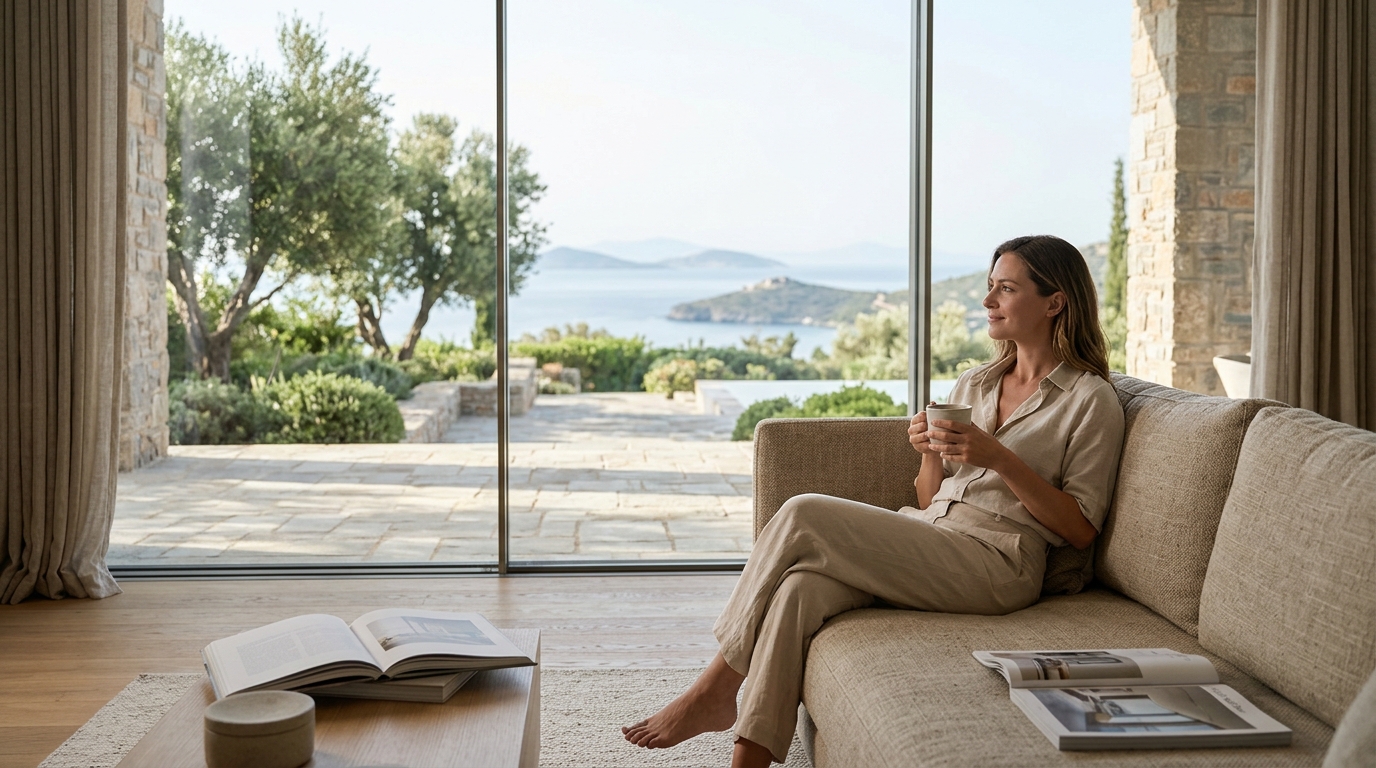
Owners of Nearly Zero Energy Building (nZEB) homes typically see heating and cooling costs drop by 60 to 80 percent compared to standard construction. This significant reduction translates into substantial annual savings and a more stable indoor environment. ECLÉDE integrates these high-performance standards into its luxury developments in Athens, ensuring that energy efficiency drives both financial value and daily comfort for residents. For additional details, review the .
Energy Cost Reductions and Financial Impact
The primary financial benefit of an nZEB home is the drastic reduction in utility bills. Standard residential buildings in Greece often rely heavily on fossil fuels for heating and electricity for cooling. An nZEB structure minimizes this demand through superior insulation and airtightness. Consequently, the energy required to maintain a comfortable temperature is significantly lower. For additional details, review the Frequently Asked Questions.
For a typical luxury residence, this efficiency can save thousands of euros annually. Over a 20-year ownership period, these savings accumulate into a substantial sum. This financial advantage improves the net present value of the property. It also reduces the owner's exposure to volatile energy market prices. For additional details, review the About.
Heating and Cooling Efficiency
Advanced insulation materials reduce heat loss in winter and heat gain in summer. This passive design approach means mechanical systems run less frequently. When they do run, they operate at lower capacity. This dual benefit extends the lifespan of HVAC equipment while lowering operational costs.
Indoor Environmental Quality and Comfort
Energy performance is closely linked to indoor comfort. nZEB standards mandate high levels of airtightness and thermal stability. This results in a more consistent indoor temperature throughout the day and year. Residents experience fewer drafts and cold spots, which are common in conventional buildings.
Furthermore, these homes often incorporate advanced ventilation systems that filter outdoor air. This improves indoor air quality by reducing allergens and pollutants. The combination of thermal stability and clean air contributes to better health and well-being. For luxury buyers, this comfort premium is a key differentiator from standard housing.
Thermal Comfort Metrics
Studies indicate that occupants of high-performance homes report higher satisfaction with thermal conditions. The reduction in temperature fluctuations allows for more relaxed living spaces. This comfort is particularly valuable in the Mediterranean climate of Athens, where both summer heat and winter dampness can be challenging.
Asset Value and Market Resilience
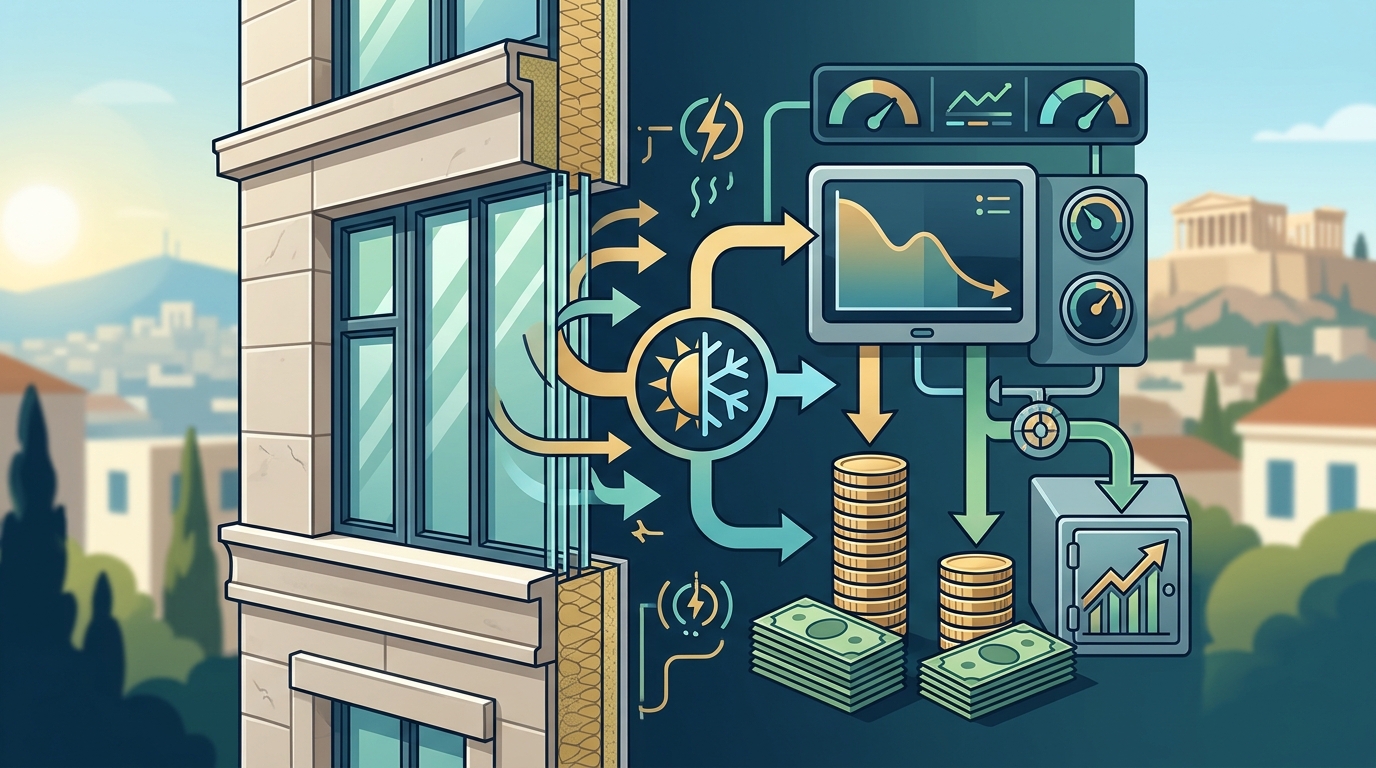
Properties with verified energy efficiency certificates command higher market prices. As energy costs rise, buyers increasingly prioritize low-maintenance, low-cost homes. An nZEB certification serves as a verifiable proof of this efficiency. This transparency reduces buyer uncertainty and can accelerate sales processes.
Long-term, these homes tend to retain their value better than standard counterparts. They are less susceptible to obsolescence as building codes tighten. Developers like ECLÉDE focus on this long-term investment value. By building to nZEB standards, they create assets that remain desirable and functional for decades.
Resale and Investment Potential
Investors view energy-efficient properties as lower-risk assets. The predictable operating costs make cash flow projections more reliable. This stability is attractive to both individual buyers and institutional investors. The market is shifting toward rewarding sustainable performance with higher valuations.
Technological Durability and Maintenance
High-performance buildings are designed with durability in mind. The materials used for insulation and airtightness are often more robust than those in standard construction. This reduces the frequency of maintenance and repairs. Owners benefit from lower long-term upkeep costs and less disruption to their daily lives.
Additionally, the integration of smart monitoring systems allows for proactive maintenance. These systems can detect anomalies in energy usage or building performance. Early detection prevents minor issues from becoming major repairs. This technological integration ensures the home performs as designed over its entire lifecycle.
System Longevity
Because HVAC systems run less often, they experience less wear and tear. This extended operational life delays the need for costly replacements. The initial investment in high-efficiency equipment is offset by its longer service life. This durability is a critical component of the total cost of ownership.
Environmental Impact and Regulatory Compliance
Reducing energy consumption directly lowers the carbon footprint of a residence. nZEB homes align with global climate goals and local sustainability regulations. In Greece, building codes are becoming increasingly stringent regarding energy performance. Owning an nZEB home ensures compliance with current and future regulations.
This regulatory alignment protects the owner from potential retrofitting costs. As standards tighten, older buildings may require expensive upgrades to remain compliant. New nZEB homes are already built to meet these higher benchmarks. This future-proofing is a significant advantage for long-term owners.
Sustainability Credentials
For environmentally conscious buyers, the reduced carbon impact is a major benefit. The home operates with a minimal environmental footprint. This aligns with the values of modern luxury living, which increasingly emphasizes responsibility. ECLÉDE positions its developments as environmentally responsible, reflecting this broader shift in luxury real estate.
Key Takeaways
- Heating and cooling costs can decrease by 60 to 80 percent in nZEB homes.
- Indoor comfort improves due to better thermal stability and air quality.
- Energy-efficient properties often command higher resale values.
- Durable materials and smart systems reduce long-term maintenance costs.
- nZEB homes are future-proofed against tightening building regulations.
- Lower energy consumption significantly reduces the home's carbon footprint.
Frequently Asked Questions
How much can I save on energy bills with an nZEB home?
Owners typically see a 60 to 80 percent reduction in heating and cooling costs compared to standard buildings. The exact savings depend on local climate, usage patterns, and specific building design.
Do nZEB homes require more maintenance?
No, they generally require less maintenance. High-quality materials and efficient systems reduce wear and tear, leading to lower long-term upkeep costs.
Will an nZEB home increase my property value?
Yes, energy-efficient homes often sell for a premium. Buyers are willing to pay more for verified low operating costs and superior comfort.
Are nZEB homes comfortable in the Greek climate?
Yes, they are specifically designed to handle Mediterranean conditions. Superior insulation and airtightness ensure comfort in both summer heat and winter dampness.
What is the lifespan of an nZEB home's systems?
Systems last longer because they run less frequently. This extended lifespan delays the need for costly replacements, improving the total cost of ownership. Learn more: Vassilis Siafaricas ECLEDE Eclectic.