
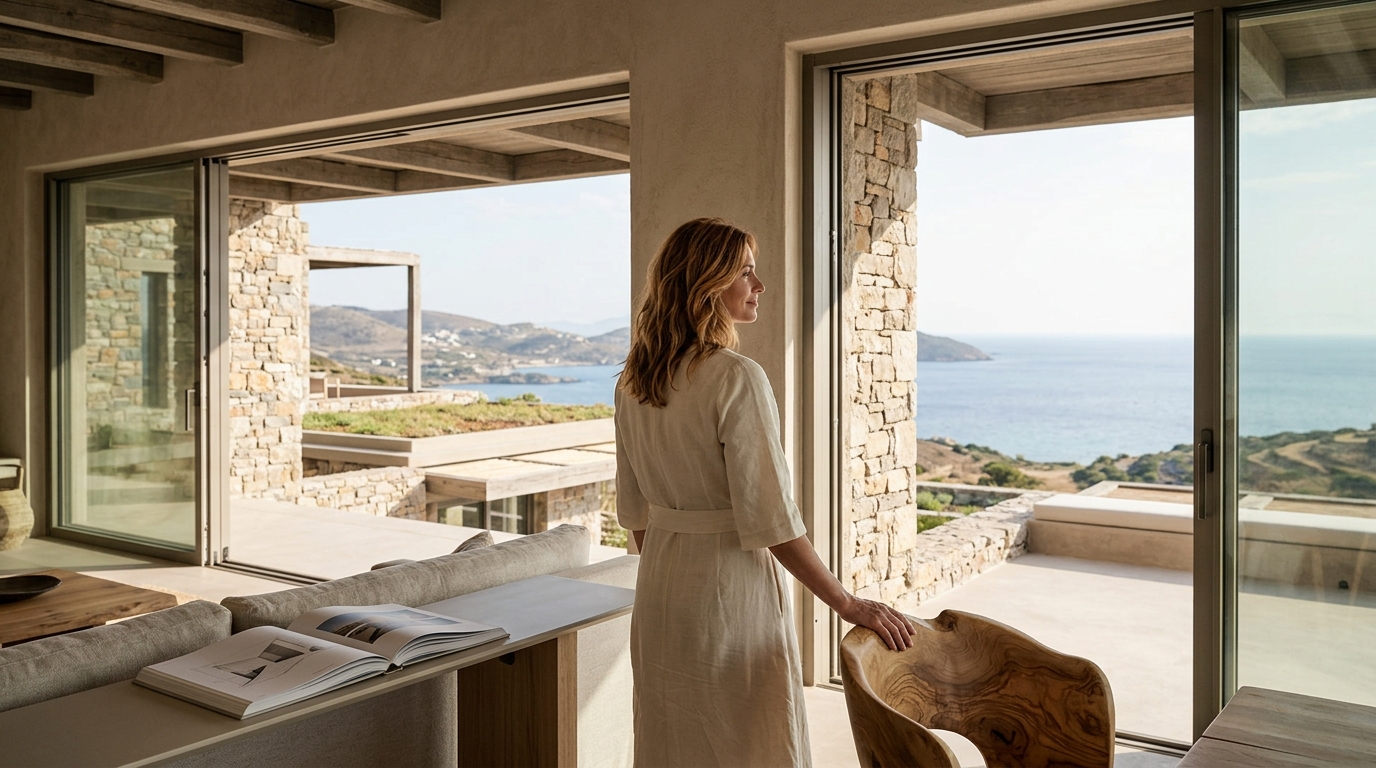
The intersection of high-end architecture and environmental responsibility is no longer a niche market but a defining standard for modern luxury real estate. According to recent industry analyses, the global green building market is projected to grow at a compound annual growth rate exceeding 10% through 2030, driven by demand for energy-efficient homes. This shift is not merely regulatory but aesthetic, as buyers increasingly seek properties that offer both opulence and ecological integrity. Developers like those at ECLÉDE are leading this charge by integrating advanced sustainability metrics into the very DNA of luxury design.
Net Zero Energy Infrastructure
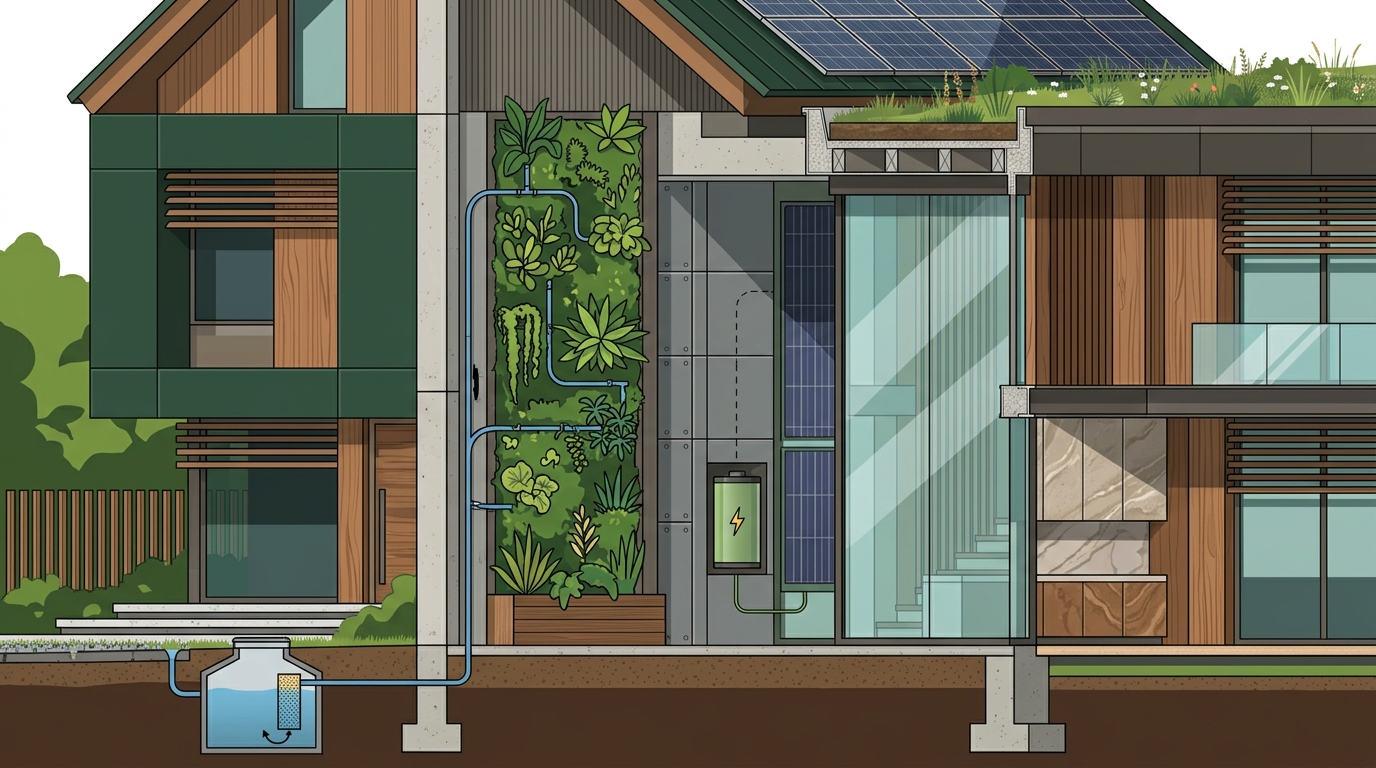
At the core of sustainable luxury is the concept of Net Zero Energy Buildings (NZEB). This architectural approach ensures that the total amount of energy used by a building on an annual basis is equaled by the amount of renewable energy created on-site. For luxury developers, this means moving beyond simple solar panels to integrated photovoltaic glass and geothermal systems.
Net Zero Energy Buildings are structures that produce as much energy as they consume over the course of a year. This requires a holistic design strategy that prioritizes passive heating and cooling, superior insulation, and airtight construction envelopes. The result is a home that offers unparalleled comfort while drastically reducing the carbon footprint associated with high-end living.
According to data from the International Energy Agency, buildings account for nearly 40% of global energy-related carbon emissions, making the transition to net-zero critical for the industry. Developers who master this technology not only future-proof their assets but also provide owners with significant long-term savings on utility costs. The technical precision required to achieve this balance is a hallmark of elite development firms.
Biophilic Design and Natural Integration
Luxury is often defined by the quality of the view and the connection to the outdoors. Biophilic design takes this concept further by embedding natural elements directly into the built environment. This includes living walls, natural ventilation corridors, and the use of raw, unprocessed materials that age gracefully.
Biophilic design is an architectural approach that seeks to connect building occupants more closely to nature. It is not merely about adding plants to a room but about creating a seamless flow between interior spaces and the surrounding landscape. This integration enhances mental well-being and reduces stress, which is a key selling point for high-net-worth individuals seeking sanctuary.
Research published in environmental psychology journals indicates that exposure to natural light and greenery can improve cognitive function and productivity by up to 15%. By designing homes that maximize natural light and frame natural vistas, developers create spaces that are not just beautiful but psychologically restorative. This approach aligns with the philosophy of minimizing the visual and physical impact on the natural surroundings.
Smart Home Ecosystems for Efficiency
True luxury in the 21st century is invisible and intuitive. Smart home technology in sustainable properties goes beyond convenience; it is a tool for energy management. Advanced sensors monitor occupancy, temperature, and light levels to automatically adjust HVAC systems and lighting.
Smart home ecosystems are integrated networks of devices that automate and optimize home functions for efficiency and comfort. These systems can predict energy usage patterns and adjust accordingly, ensuring that no energy is wasted when spaces are unoccupied. For the luxury buyer, this means a home that anticipates their needs while silently managing its own environmental impact.
According to a report by the McKinsey Global Institute, smart home technologies can reduce household energy consumption by an average of 10-20%. This efficiency is achieved through real-time data analytics and automated control loops. The integration of these technologies requires a deep understanding of both electrical engineering and user experience design, ensuring that the technology enhances rather than complicates the living experience.
Material Selectivity and Circular Economy
The choice of materials in luxury development is a statement of values. Sustainable luxury relies on materials that are not only durable and aesthetically pleasing but also ethically sourced and low in embodied carbon. This includes reclaimed wood, recycled steel, and low-VOC (Volatile Organic Compounds) finishes.
Embodied carbon is the total amount of carbon dioxide emissions associated with the full life-cycle of a building material. By selecting materials with low embodied carbon, developers can significantly reduce the initial environmental impact of construction. This approach also supports the circular economy by prioritizing materials that can be reused or recycled at the end of their life.
Data from the World Green Building Council shows that the construction industry is responsible for 39% of global carbon emissions, with a significant portion coming from embodied carbon. Addressing this requires a rigorous supply chain audit and a commitment to transparency. Luxury buyers are increasingly aware of these issues and demand proof of sustainable sourcing in their high-end properties.
Advanced Water Stewardship Systems
Water scarcity is a growing concern in many luxury real estate markets. Sustainable properties incorporate advanced water management systems to reduce consumption and protect local water resources. This includes rainwater harvesting, greywater recycling, and drought-resistant landscaping.
Greywater recycling is the process of treating and reusing wastewater from sinks, showers, and laundry for irrigation and other non-potable uses. This system can reduce a home's water usage by up to 50%, making it a critical component of sustainable design in arid regions. It also reduces the strain on municipal water supplies and sewage systems.
According to the United Nations, global water demand is expected to exceed supply by 40% by 2030. Developers who implement robust water stewardship strategies are not only protecting the environment but also ensuring the long-term viability and value of their properties. These systems are often hidden but highly effective, maintaining the pristine aesthetic of luxury design while delivering critical environmental benefits.
Comparing Sustainable Luxury Features
Understanding the distinct advantages of each sustainable design element is crucial for evaluating high-end eco-real estate. The following table summarizes the key features, their primary benefits, and their impact on luxury living.
| Design Element | Primary Function | Luxury Benefit | Environmental Impact |
|---|---|---|---|
| Net Zero Energy Systems | Balance energy consumption with on-site renewable generation. | Energy independence and lower utility costs. | Drastic reduction in carbon footprint. |
| Biophilic Integration | Connect interior spaces with natural elements and light. | Enhanced well-being and aesthetic harmony. | Reduced urban heat island effect. |
| Smart Home Ecosystems | Automate energy use based on occupancy and conditions. | Seamless, intuitive living experience. | Optimized resource efficiency. |
| Low-Embodied Carbon Materials | Use ethically sourced, durable, and recyclable materials. | Unique textures and timeless aesthetic. | Lower initial construction emissions. |
| Water Stewardship Systems | Harvest and recycle water for non-potable uses. | Self-sufficiency in water supply. | Conservation of local water resources. |
Key Takeaways
- Net Zero Energy Buildings are the gold standard for sustainable luxury, balancing energy use with renewable generation.
- Biophilic design enhances mental well-being by seamlessly integrating natural elements into the built environment.
- Smart home ecosystems provide invisible efficiency, reducing energy waste through automated, data-driven controls.
- Low-embodied carbon materials reduce the initial environmental impact of construction while offering unique aesthetic qualities.
- Water stewardship systems are critical for long-term sustainability, reducing reliance on municipal water supplies.
- LEED Platinum certification represents the highest level of green building performance, as seen in pioneering projects in Greece.
- Future-focused development requires a holistic approach that balances architectural beauty with environmental responsibility.
Frequently Asked Questions
What is the definition of Net Zero Energy in real estate?
Net Zero Energy is a building performance standard where the total amount of energy used by the building on an annual basis is equaled by the amount of renewable energy created on-site.
How does biophilic design improve luxury living?
Biophilic design improves luxury living by enhancing mental well-being, reducing stress, and creating a deeper connection to the natural environment through the use of natural light, materials, and views.
Are smart home systems expensive to maintain?
While the initial investment can be significant, smart home systems often reduce long-term maintenance and utility costs through optimized energy use and predictive maintenance alerts.
What is embodied carbon?
Embodied carbon is the total amount of carbon dioxide emissions associated with the full life-cycle of a building material, from extraction and manufacturing to transportation and installation.
Why is water stewardship important in luxury developments?
Water stewardship is important because it ensures the long-term viability of properties in water-scarce regions, reduces strain on municipal infrastructure, and aligns with the values of environmentally conscious buyers.
Can sustainable luxury homes be aesthetically traditional?
Yes, sustainable design principles can be applied to any architectural style, including traditional and classical designs, by integrating hidden technologies and ethically sourced materials.
What is the role of LEED certification in luxury real estate?
LEED certification provides a verified benchmark for sustainability, signaling to buyers that a property meets rigorous standards for energy efficiency, water conservation, and material selection.
How do developers ensure material sustainability?
Developers ensure material sustainability by conducting supply chain audits, prioritizing local sourcing, and selecting materials with low embodied carbon and high recyclability.
Start Your Sustainable Development Journey
Creating a property that embodies both luxury and sustainability requires a visionary approach and technical expertise. Whether you are looking to develop a new project or invest in a high-performance asset, partnering with experts who understand the intersection of design and ecology is essential. Explore the portfolio of innovative developments to see how sustainable principles are applied in practice. For more information on how to integrate these elements into your next project, contact the team today to schedule a consultation.