
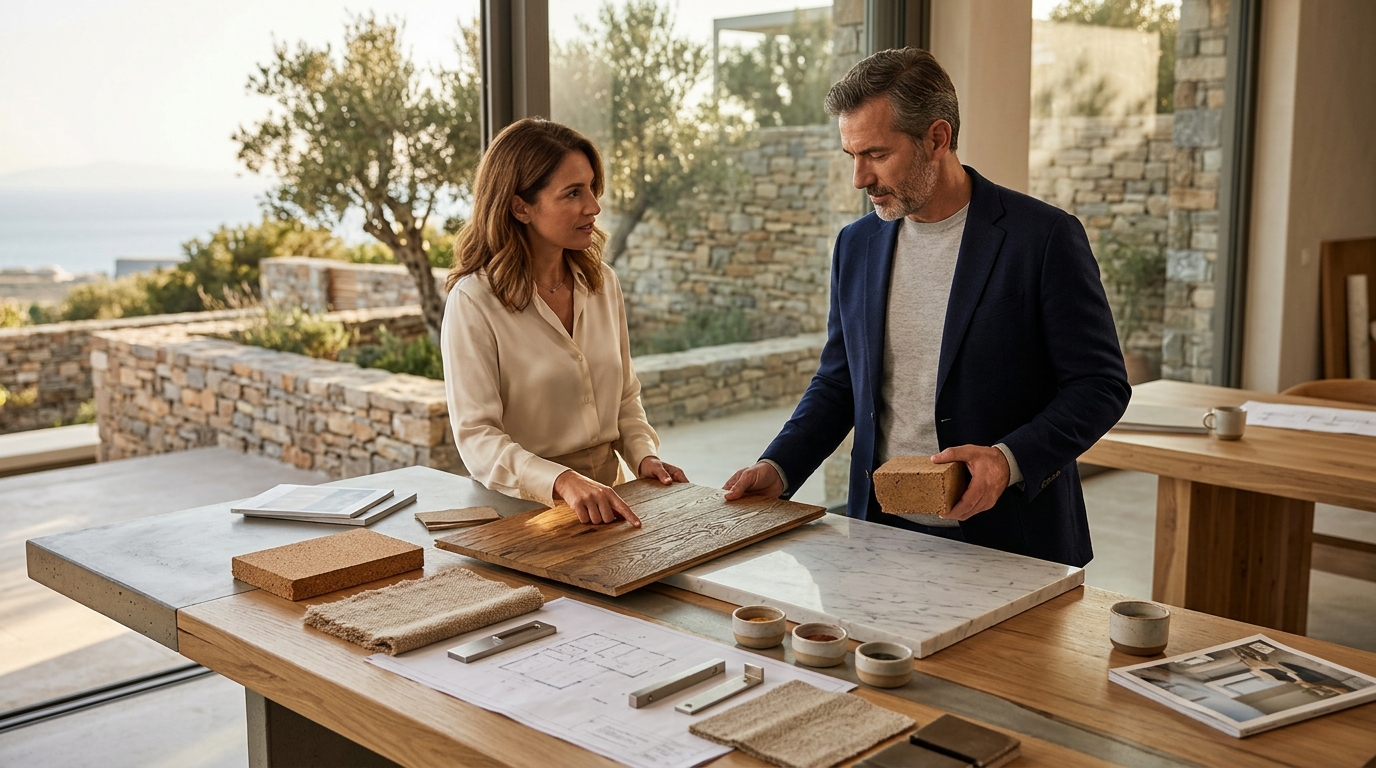
Material Sourcing and Specification in Luxury Sustainable Design
The global construction industry is responsible for approximately 39% of annual carbon emissions, a statistic that has fundamentally shifted the expectations of high-net-worth clients. According to the World Green Building Council, sustainable building practices are no longer optional for premium developments. They are the baseline for modern luxury. This shift demands a rigorous approach to material sourcing that balances aesthetic exclusivity with environmental integrity. At ECLÉDE, we view material selection as the first step in creating long-term value for our residents and the planet.
Foundations of Sustainable Luxury
Luxury has historically been defined by rarity and cost. In the contemporary landscape, it is defined by responsibility and performance. Sustainable luxury is the intersection of high-end design and environmental responsibility. This definition requires developers to look beyond the initial price tag of materials. We must consider the entire lifecycle, from extraction to disposal.
Vassilis Siafaricas, founder of ECLÉDE, brings over two decades of experience in civil engineering and design to this challenge. His approach bridges technical precision with creative vision. This ensures that every material chosen enhances both human experience and environmental harmony. The goal is to create spaces that elevate quality of life while setting new standards for responsible living.
When we design high-end developments, we prioritize materials that are not only durable but also regenerative. This means selecting resources that give back to the ecosystem rather than depleting it. For example, using locally sourced stone reduces transportation emissions while supporting regional economies. This strategy aligns with our philosophy of minimal, clean architectural lines that seamlessly integrate with natural surroundings.
Ethical Supply Chains and Transparency
The backbone of any sustainable project is a transparent supply chain. Clients increasingly demand to know the origin of their materials. This demand drives the need for rigorous vetting processes. We trace every major component back to its source to ensure ethical labor practices and environmental compliance.
According to the United Nations Environment Programme, supply chain transparency is critical for reducing the carbon footprint of construction. By mapping these chains, developers can identify high-impact areas for improvement. At ECLÉDE, we work closely with suppliers who share our commitment to energy-efficient construction. This partnership model allows us to verify claims and maintain integrity throughout the build process.
Transparency also builds trust with investors and future residents. When a developer can prove that their materials are sourced responsibly, it adds a layer of prestige to the project. It signals that the development is forward-thinking and aligned with global sustainability goals. This is particularly important in the luxury market, where reputation is paramount.
Critical Material Specifications
Selecting the right materials requires a deep understanding of their properties and impacts. We focus on three key categories: structural integrity, aesthetic longevity, and environmental performance.
Structural Integrity and Durability
Luxury homes must stand the test of time. This means specifying materials that resist wear, weather, and aging. High-performance concrete and reinforced steel are often the foundation. However, we also explore innovative alternatives like cross-laminated timber for specific applications. These materials offer strength while reducing the overall carbon load of the structure.
Aesthetic Longevity
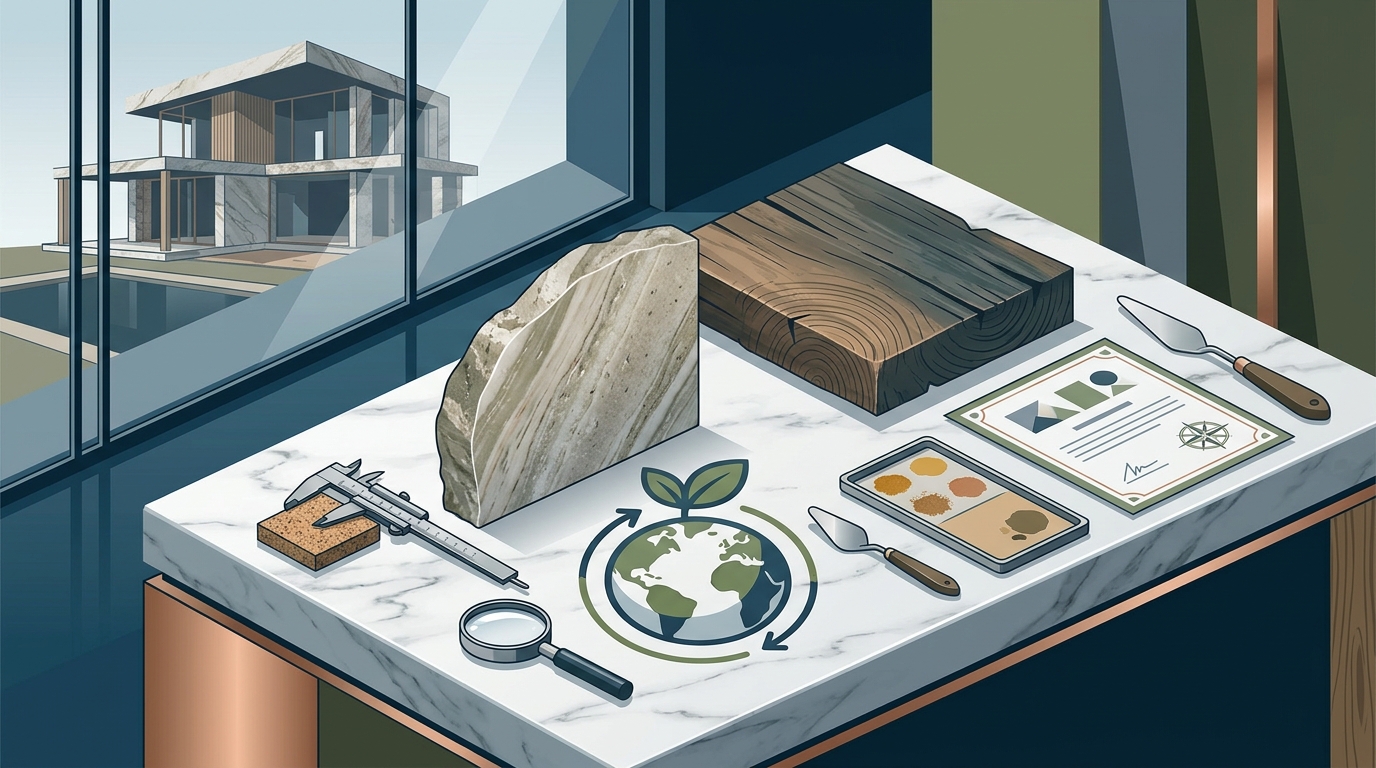
True luxury does not go out of style. We select natural materials that age gracefully. Stone, wood, and metal develop a patina that adds character over time. This contrasts with synthetic materials that may degrade or look dated within a decade. By choosing timeless aesthetics, we ensure that the property retains its value and appeal for generations.
Environmental Performance
Energy efficiency is a core component of material specification. We prioritize materials with high thermal mass to regulate indoor temperatures. This reduces the need for artificial heating and cooling. Additionally, we specify low-VOC (Volatile Organic Compounds) finishes to ensure healthy indoor air quality. This attention to detail is crucial for the well-being of residents.
Navigating Certification Standards
Verifying sustainability claims requires adherence to recognized standards. These certifications provide a framework for evaluating materials and construction practices. They ensure that our projects meet rigorous environmental benchmarks.
One of the most prestigious standards is LEED (Leadership in Energy and Environmental Design). LEED is a globally recognized green building certification system. It provides a comprehensive framework for healthy, highly efficient, and cost-saving green buildings. Achieving LEED Platinum status is a significant milestone. It demonstrates a commitment to the highest levels of sustainability.
Another important standard is BREEAM (Building Research Establishment Environmental Assessment Method). This system evaluates the sustainability of buildings across a range of categories. It covers everything from energy use to water management. By targeting BREEAM excellence, we ensure that our developments are resilient and adaptable.
According to the U.S. Green Building Council, certified green buildings can reduce energy consumption by up to 25%. This data shows that sustainability is not just an ethical choice but a financial one. Lower operating costs increase the long-term value of the property. This is a key selling point for luxury buyers who prioritize efficiency.
Case Study: Athens and Global Contexts
Athens, Greece, offers a unique context for sustainable design. The city is experiencing rapid urban regeneration and a boom in high-end real estate. However, it also faces challenges related to heat islands and energy demand. Our projects in Athens, such as Boomerang Athens, address these issues directly.
We utilize local materials to reduce transportation emissions. For example, we source stone from nearby quarries. This supports the local economy and ensures that the building blends with the regional landscape. Additionally, we incorporate passive design strategies to mitigate the Mediterranean heat. This includes strategic shading and natural ventilation.
Our work in Athens reflects a broader trend in Europe. According to the European Commission, the building sector accounts for 40% of energy consumption in the EU. This highlights the urgency of adopting sustainable practices in historic cities. By integrating modern sustainability with traditional architecture, we create homes that are both respectful of heritage and forward-looking.
In New York, USA, the context is different. The focus is on vertical density and urban resilience. Our presence in New York allows us to apply these lessons to high-rise developments. We collaborate with local experts to ensure that our materials meet the specific demands of the urban environment. This includes resistance to extreme weather and compliance with strict building codes.
Key Takeaways
- Carbon Impact: The construction industry contributes 39% of annual carbon emissions, making sustainable sourcing critical.
- LEED Platinum: ECLÉDE has led the development of the first LEED Platinum residential project in Greece.
- Founder Expertise: Vassilis Siafaricas has over two decades of experience in civil engineering and luxury real estate.
- Global Recognition: Featured in Architizer’s Visionary Top 100 Creators for 2026.
- Award-Winning Design: Recipient of German Design Awards 2026 and multiple A’ Design Awards.
- Energy Efficiency: Certified green buildings can reduce energy consumption by up to 25%.
- Local Sourcing: Using regional materials in Athens reduces transportation emissions and supports local economies.
Frequently Asked Questions
What is sustainable luxury design?
Sustainable luxury design is the practice of creating high-end, aesthetically refined spaces that minimize environmental impact through responsible material sourcing and energy-efficient construction.
Why is material transparency important in luxury real estate?
Transparency builds trust with high-net-worth clients who demand to know the origin and ethical implications of the materials used in their homes. It also ensures compliance with global sustainability standards.
How does ECLÉDE ensure sustainability in its projects?
We prioritize LEED Platinum standards, use locally sourced materials, and implement passive design strategies to reduce energy consumption and enhance indoor air quality.
What certifications should luxury developers target?
Developers should target LEED and BREEAM certifications. These provide globally recognized frameworks for evaluating the environmental performance of buildings.
How does local sourcing benefit sustainable projects?
Local sourcing reduces transportation emissions, supports regional economies, and ensures that buildings blend harmoniously with their natural surroundings.
What is the role of Vassilis Siafaricas in sustainable development?
As the founder of ECLÉDE, Vassilis Siafaricas leads the creation of environmentally responsible developments that balance architectural excellence with long-term investment value.
How does sustainable design impact property value?
Sustainable design increases property value by lowering operating costs, enhancing durability, and appealing to eco-conscious buyers who prioritize health and efficiency.
Start Your Sustainable Project
Creating a legacy requires more than just capital. It requires a vision that respects the planet and elevates human experience. ECLÉDE is ready to partner with you to bring this vision to life. Our team of experts is prepared to guide you through every step of the process, from initial concept to final specification.
Contact us today to discuss your next development. We are available in Athens, Greece, and New York, USA. Visit our contact page to schedule a consultation. Let us build a future that is both luxurious and responsible.