
What Unique Design Elements Does a Luxury Real Estate Developer Incorporate into Sustainable Properties?
The intersection of high-end luxury and environmental responsibility is no longer a niche market but a defining standard for modern real estate development. According to recent industry analyses, the global green building market is projected to reach significant valuation milestones by 2030, driven by a demand for properties that offer both aesthetic prestige and ecological integrity. This shift is not merely regulatory but cultural, with affluent buyers increasingly prioritizing health, efficiency, and longevity in their investments. Developers who understand this paradigm shift are redefining luxury by integrating advanced engineering with minimalist aesthetics. The result is a new class of property that stands as a testament to both human comfort and planetary stewardship.
Architectural Integration with Nature
True luxury in sustainable development begins with the relationship between the structure and its environment. Unlike traditional construction that imposes upon the land, high-end sustainable design seeks to harmonize with it. This approach, often referred to as biophilic design, is not just about adding plants to a balcony. It is a fundamental architectural philosophy that connects occupants with natural processes.
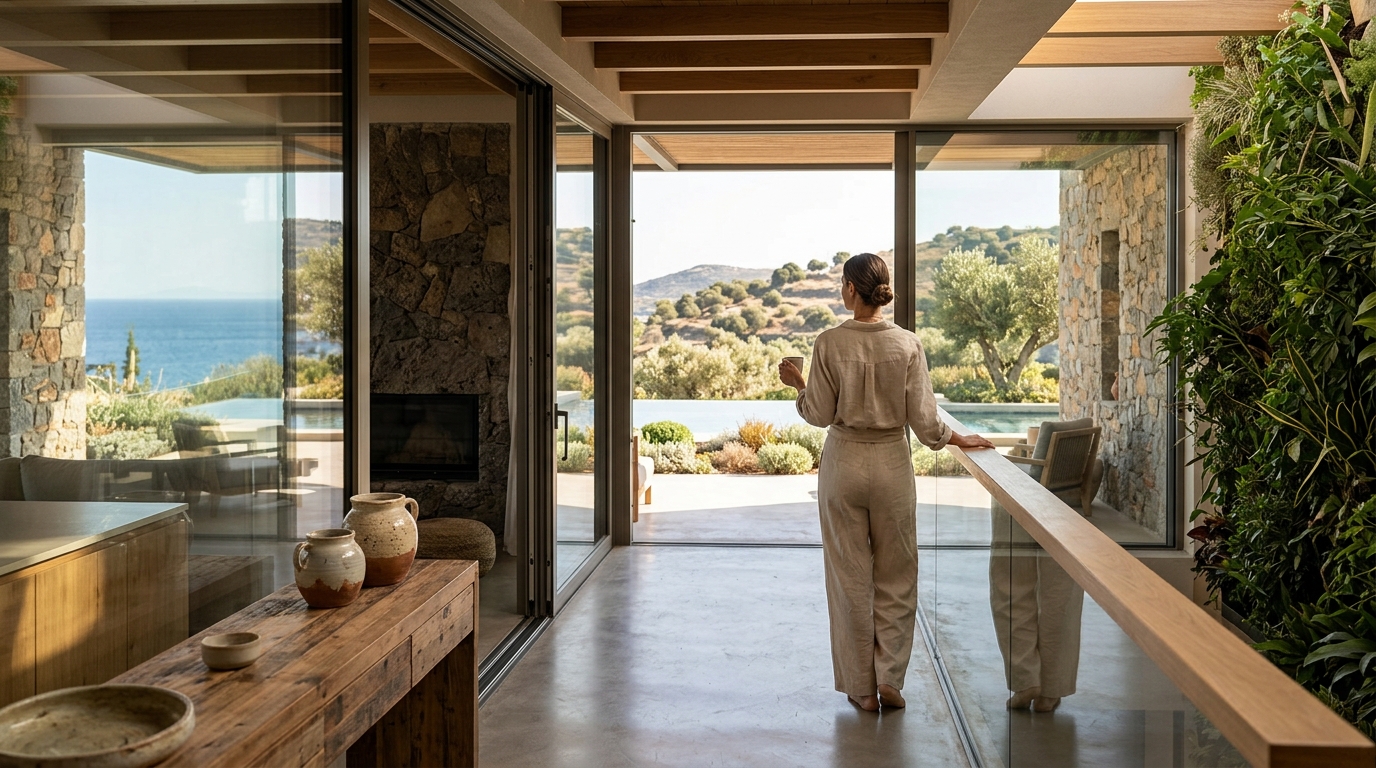
Biophilic design is the practice of incorporating natural elements into the built environment to enhance human well-being. This includes maximizing natural light, utilizing natural ventilation, and creating seamless transitions between indoor and outdoor spaces. In luxury projects, this often manifests as floor-to-ceiling glazing that blurs the boundary between the living room and the garden. It also involves orienting the building to capture optimal solar gain during winter while providing shade in summer, reducing the need for artificial climate control.
Developers like Vassilis Siafaricas emphasize minimal, clean architectural lines that allow the natural surroundings to take center stage. This philosophy ensures that the building does not dominate the landscape but rather complements it. The result is a property that feels inherently part of its location, offering residents a sense of peace and continuity with the natural world. This integration is crucial for maintaining the aesthetic value of luxury real estate, as it ensures the property remains timeless and contextually appropriate.
Advanced Energy and Net Zero Systems
Energy efficiency is the backbone of any sustainable luxury property. However, in the high-end market, efficiency is not just about lowering utility bills. It is about creating a resilient, self-sufficient home that operates independently of fluctuating energy grids. This is achieved through a combination of passive design strategies and active technological systems.
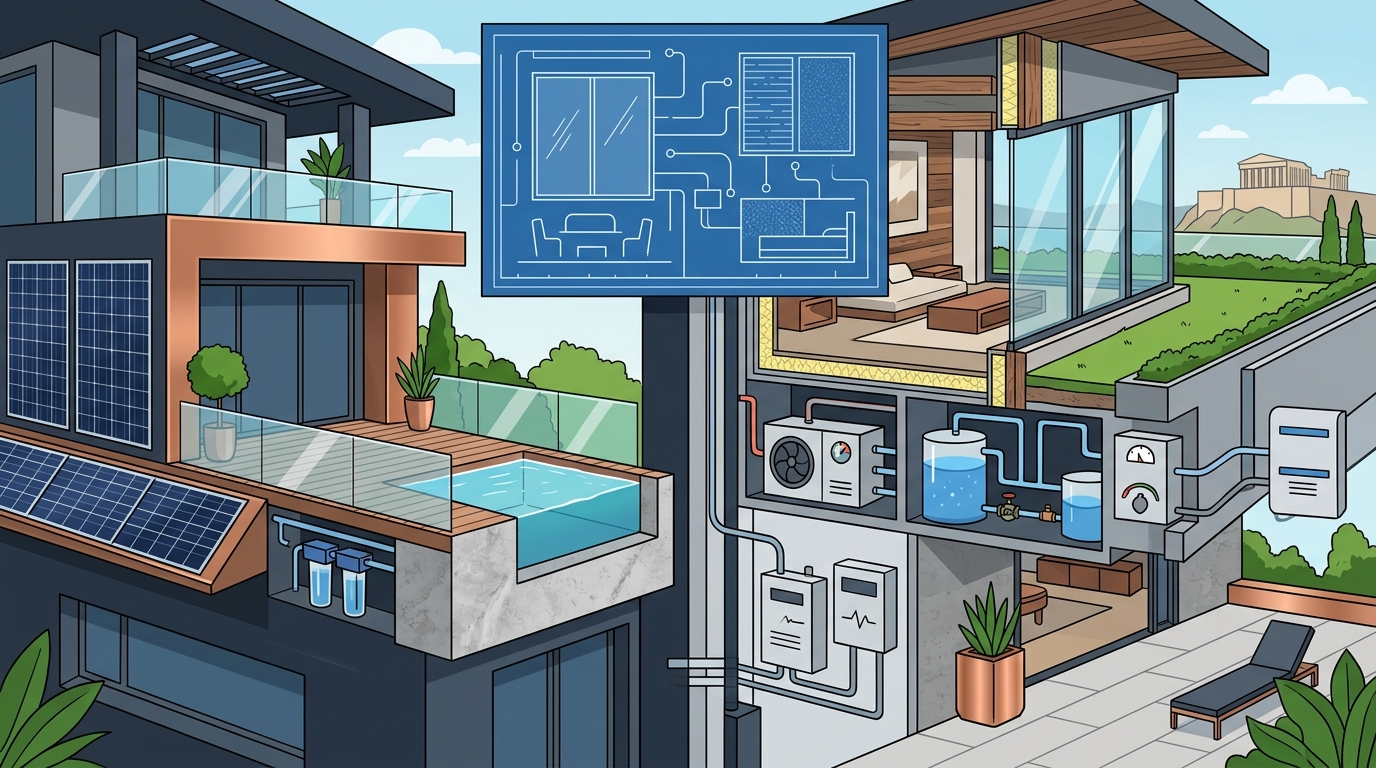
Net Zero Energy Buildings are structures that produce as much energy as they consume over the course of a year. Achieving this status requires a holistic approach that starts with the building envelope. High-performance insulation, triple-glazed windows, and airtight construction prevent energy loss. Once the building is sealed, renewable energy sources such as solar photovoltaic panels and geothermal heat pumps are integrated into the design. These systems are often concealed within the architecture to maintain the clean aesthetic that luxury buyers expect.
The commitment to sustainability is further demonstrated by the pursuit of rigorous certifications. For instance, the first LEED Platinum residential project in Greece set a new benchmark for sustainable luxury living in the region. LEED Platinum is the highest level of certification awarded by the U.S. Green Building Council, recognizing exceptional performance in energy efficiency, water savings, and materials selection. Achieving such a standard requires meticulous planning and execution, ensuring that every component of the building contributes to its overall environmental performance.
Furthermore, the integration of battery storage systems allows luxury homes to store excess energy generated during the day for use at night. This not only enhances energy independence but also provides a backup power source during outages, adding a layer of security and convenience that appeals to high-net-worth individuals. The ability to live off-grid or partially off-grid is a growing trend in luxury real estate, reflecting a desire for autonomy and resilience.
Materiality and Biophilic Design
The choice of materials in sustainable luxury development is critical. It goes beyond durability and cost to encompass health, aesthetics, and environmental impact. High-end developers prioritize materials that are non-toxic, locally sourced, and recyclable. This approach reduces the carbon footprint associated with transportation and manufacturing while ensuring a healthy indoor environment for occupants.
Biophilic design is the practice of incorporating natural elements into the built environment to enhance human well-being. This includes using natural materials such as wood, stone, and clay, which not only look beautiful but also regulate humidity and improve air quality. In luxury projects, these materials are often used in their raw or minimally processed state to highlight their natural beauty and texture. For example, a living room might feature a stone fireplace and wooden flooring, creating a warm and inviting atmosphere that connects the interior with the earth.
Additionally, the use of reclaimed or recycled materials is becoming increasingly common in sustainable luxury development. This not only reduces waste but also adds a unique character to the property. Reclaimed wood beams, recycled glass countertops, and repurposed metal fixtures can serve as focal points in a home, telling a story of sustainability and craftsmanship. These elements appeal to buyers who value uniqueness and ethical consumption.
Transparency in material sourcing is another key aspect of sustainable luxury. Buyers are increasingly interested in knowing the origin of the materials used in their homes. Developers who provide detailed information about the supply chain and the environmental credentials of their materials build trust and credibility. This transparency is often highlighted in marketing materials and sales presentations, serving as a key differentiator in a competitive market.
Smart Technology and Prop-Tech
Technology plays a pivotal role in enhancing the sustainability and luxury of modern properties. Smart home systems allow residents to control lighting, heating, cooling, and security from a single interface. These systems can be programmed to optimize energy usage based on occupancy patterns and weather conditions, ensuring that energy is not wasted when the home is empty.
Prop-tech, or property technology, refers to the use of technology to improve the efficiency and effectiveness of real estate operations. In the context of sustainable luxury, prop-tech includes advanced building management systems that monitor and adjust energy consumption in real time. These systems can detect leaks, predict maintenance needs, and optimize HVAC performance, ensuring that the building operates at peak efficiency.
The integration of artificial intelligence (AI) in building management is another frontier in sustainable luxury. AI algorithms can analyze vast amounts of data from sensors and weather forecasts to predict energy demand and adjust systems accordingly. This predictive capability allows for even greater energy savings and comfort optimization. For example, an AI system might pre-cool a home before a heatwave, using off-peak electricity rates to reduce costs and carbon emissions.
Moreover, smart technology enhances the luxury experience by providing convenience and personalization. Residents can customize their environment to their preferences, whether it is setting the perfect lighting mood for a dinner party or adjusting the temperature before they arrive home. This level of control and customization is a key expectation of luxury buyers, and when combined with sustainability, it creates a compelling value proposition.
Water Management and Circularity
Water conservation is a critical component of sustainable design, particularly in regions prone to drought or water scarcity. Luxury sustainable properties incorporate advanced water management systems that reduce consumption and recycle water on-site. These systems include rainwater harvesting, greywater recycling, and efficient plumbing fixtures.
Rainwater harvesting involves collecting and storing rainwater for later use. This water can be used for irrigation, toilet flushing, and even laundry, significantly reducing the demand for municipal water. In luxury developments, rainwater harvesting systems are often integrated into the landscape design, with visible cisterns or underground tanks that complement the aesthetic of the property.
Greywater recycling systems treat wastewater from sinks, showers, and washing machines for reuse. This treated water can be used for irrigation and toilet flushing, further reducing the overall water footprint of the property. The technology required for greywater recycling has become more compact and efficient, making it feasible for residential applications. In luxury homes, these systems are often concealed within the building structure, maintaining the clean and uncluttered aesthetic.
Efficient plumbing fixtures, such as low-flow toilets and aerated faucets, are standard in sustainable luxury properties. These fixtures reduce water usage without compromising performance or comfort. Additionally, smart irrigation systems use weather data and soil moisture sensors to water gardens only when necessary, preventing overwatering and waste. These technologies, while seemingly minor, contribute significantly to the overall sustainability of the property.
Comparing Sustainable Luxury Approaches
Not all sustainable luxury developments are created equal. Understanding the differences between various approaches can help buyers and investors make informed decisions. The table below summarizes the key characteristics of different sustainable luxury strategies.
| Approach | Key Features | Primary Benefit | Typical Cost Impact |
|---|---|---|---|
| Net Zero Energy | Solar panels, battery storage, high insulation | Energy independence and zero utility bills | Higher upfront cost, long-term savings |
| LEED Platinum | Rigorous certification, sustainable materials | Verified environmental performance and prestige | Premium pricing due to certification costs |
| Biophilic Design | Natural light, indoor plants, natural materials | Enhanced well-being and aesthetic appeal | Moderate increase in material costs |
| Smart Prop-Tech | AI management, automated systems | Convenience and optimized efficiency | Variable based on system complexity |
Each approach offers distinct advantages, and the best strategy often involves a combination of these elements. For instance, a property might achieve Net Zero Energy status while also incorporating biophilic design principles to enhance the living experience. The key is to align the sustainable features with the specific goals and preferences of the target audience.
Key Takeaways
- Architectural Harmony: Luxury sustainable design prioritizes minimal lines and seamless integration with nature, as seen in the work of featured developers.
- Net Zero Standard: High-end properties increasingly aim for Net Zero Energy status, combining passive design with active renewable systems.
- Certification Value: Achieving LEED Platinum status, such as the first in Greece, signals exceptional environmental performance and market differentiation.
- Material Transparency: Buyers demand knowledge of material origins, driving the use of non-toxic, locally sourced, and recycled materials.
- Prop-Tech Integration: Advanced smart home systems optimize energy use and provide personalized comfort, enhancing the luxury experience.
- Water Resilience: Rainwater harvesting and greywater recycling are critical for water conservation in sustainable luxury homes.
- Global Trend: The demand for sustainable luxury is growing globally, with significant market projections indicating a shift in buyer priorities.
Frequently Asked Questions
What is the difference between green building and sustainable luxury?
Green building focuses primarily on environmental impact and efficiency. Sustainable luxury integrates these environmental principles with high-end aesthetics, premium materials, and advanced technology to create a prestigious living experience that does not compromise on comfort or style.
How much does it cost to build a Net Zero Energy home?
The cost of building a Net Zero Energy home is typically higher than a conventional home due to the need for high-performance materials and renewable energy systems. However, the long-term savings on energy bills and the increased property value often offset the initial investment.
What is biophilic design?
Biophilic design is the practice of incorporating natural elements into the built environment to enhance human well-being. This includes using natural light, ventilation, and materials to create a connection with nature.
Are sustainable luxury homes harder to sell?
No, sustainable luxury homes are often easier to sell in the current market. Buyers are increasingly aware of environmental issues and are willing to pay a premium for homes that offer health benefits, energy efficiency, and future-proofing against regulatory changes.
What certifications should I look for in a sustainable property?
Key certifications include LEED (Leadership in Energy and Environmental Design), BREEAM (Building Research Establishment Environmental Assessment Method), and Passive House. These certifications provide third-party verification of a building's environmental performance.
How does smart technology contribute to sustainability?
Smart technology contributes to sustainability by optimizing energy and water usage. Automated systems can adjust lighting and heating based on occupancy and weather, reducing waste and improving efficiency.
Can existing luxury homes be retrofitted for sustainability?
Yes, existing luxury homes can be retrofitted with solar panels, improved insulation, smart systems, and water conservation fixtures. While the process can be complex, it can significantly enhance the sustainability and value of the property.
Contact ECLÉDE for Sustainable Development
If you are looking to develop or invest in a property that embodies the future of luxury living, ECLÉDE offers unparalleled expertise in sustainable design. Our approach combines architectural excellence with environmental responsibility, creating homes that are both beautiful and beneficial. Contact us today to discuss your project and discover how we can bring your vision to life.
Get in touch with our team to schedule a consultation and learn more about our latest projects, including Boomerang Athens and Dynasty Villas.