
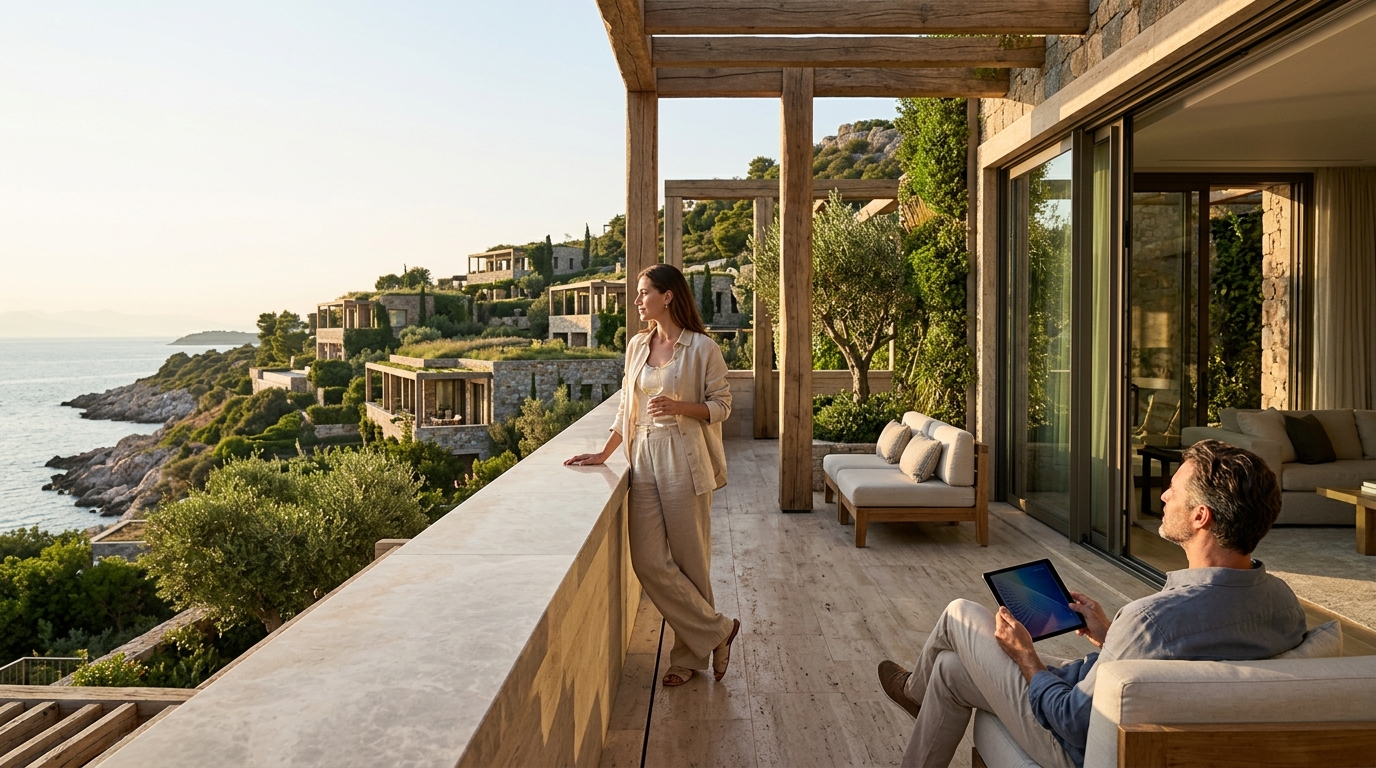
The luxury real estate market is undergoing a fundamental transformation. High-net-worth individuals are no longer satisfied with mere opulence. They demand spaces that reflect their values, including environmental responsibility. According to recent industry reports, the global green building market is projected to grow significantly, with sustainable luxury properties commanding higher resale values and faster sales cycles. This shift is not just a trend. It is a structural change in buyer expectations. Developers who ignore this reality risk obsolescence. Those who embrace it, however, unlock new levels of prestige and long-term asset value.
The Core Challenges in Sustainable Luxury Design
Implementing sustainable design in high-end real estate is not simply about adding solar panels. It requires a holistic approach that balances aesthetics, functionality, and environmental impact. The first major hurdle is the perception that sustainability compromises luxury. Many developers fear that eco-friendly materials or energy-efficient systems will look industrial or cheap. This is a misconception. True luxury lies in the seamless integration of technology and nature.
Another significant challenge is the complexity of regulatory compliance. Different regions have varying codes for energy efficiency, water usage, and material sourcing. Navigating these regulations while maintaining a unique architectural vision requires expert guidance. The process involves coordinating with architects, engineers, and sustainability consultants from the earliest stages of design. This coordination ensures that sustainability is not an afterthought but a foundational element of the project.
Furthermore, the supply chain for premium sustainable materials can be fragile. High-quality recycled steel, low-VOC paints, and ethically sourced wood are not always readily available in bulk. Developers must build strong relationships with suppliers who prioritize ethical sourcing and environmental stewardship. This diligence ensures that the final product meets both aesthetic and ecological standards.
Navigating the Cost Premium
One of the most persistent objections to sustainable luxury development is the initial cost. Green building technologies and materials often carry a higher upfront price tag. For example, triple-glazed windows and advanced HVAC systems cost more than standard alternatives. However, this perspective is short-sighted. The true cost of a building includes its entire lifecycle, from construction to operation and eventual decommissioning.
Sustainable buildings offer substantial operational savings. Energy-efficient designs reduce utility bills by up to 40% in some cases. Water conservation systems further lower maintenance costs. Over time, these savings offset the initial investment. Additionally, sustainable properties often qualify for tax incentives and grants. These financial benefits improve the overall return on investment for developers and investors.
Moreover, the market value of green luxury homes is increasing. Buyers are willing to pay a premium for homes that offer health benefits and lower operating costs. This willingness to pay reflects a broader cultural shift towards conscious consumption. Developers who understand this dynamic can position their projects as high-value assets rather than just expensive homes.
Integrating Advanced Technology
Technology is the backbone of sustainable luxury design. Smart home systems allow residents to monitor and control energy usage in real time. These systems can adjust lighting, heating, and cooling based on occupancy and weather conditions. This level of control enhances comfort while minimizing waste. For the luxury market, technology must also be intuitive and aesthetically pleasing. Clunky interfaces or visible hardware can detract from the elegance of a space.
Building Information Modeling (BIM) is another critical tool. BIM allows architects and engineers to simulate the environmental performance of a building before construction begins. This simulation helps identify potential inefficiencies and optimize design choices. It also facilitates better collaboration among project stakeholders. By visualizing the entire building process, teams can avoid costly errors and delays.
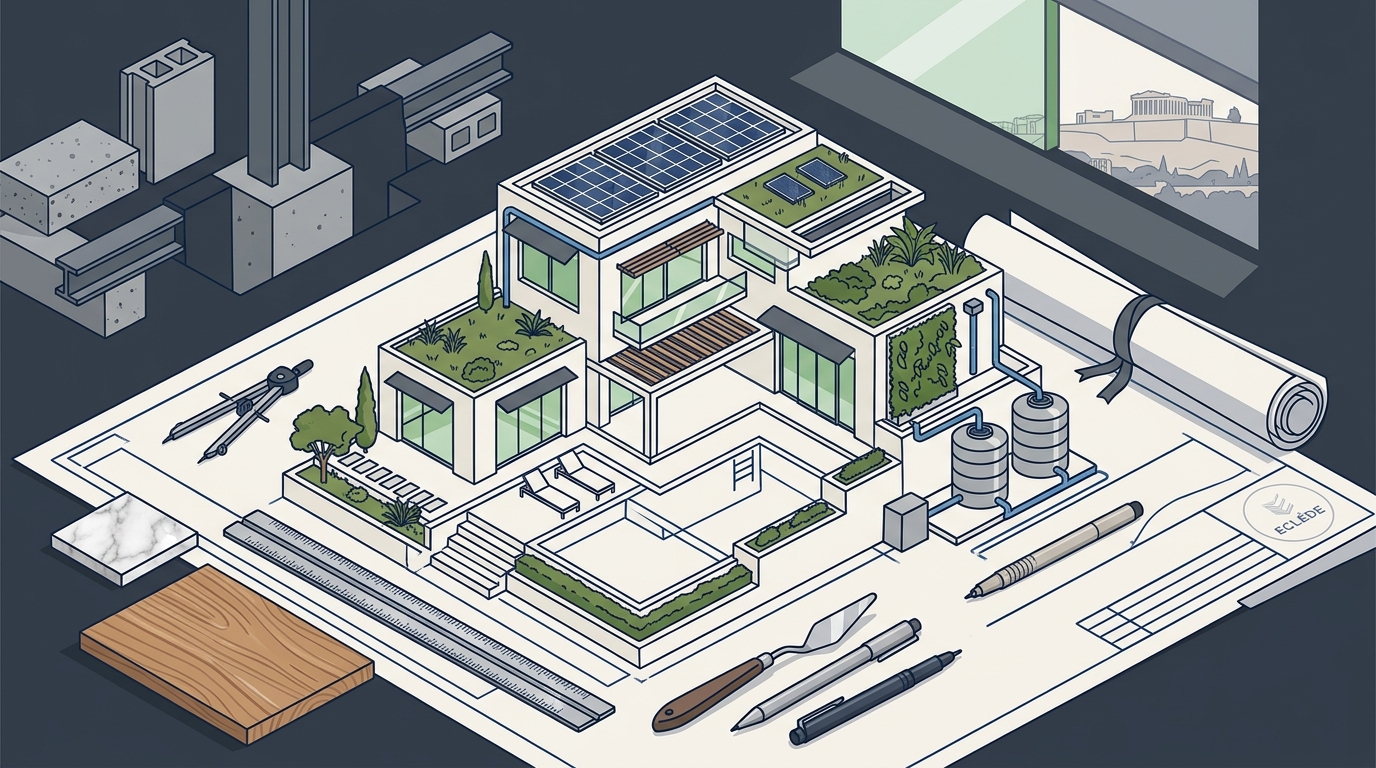
Renewable energy integration is also essential. Solar roofs, geothermal heating, and wind turbines can be designed to blend seamlessly with the architecture. For instance, solar tiles can mimic the appearance of traditional roofing materials. Geothermal systems can be hidden underground, leaving the surface landscape untouched. These solutions provide clean energy without compromising the visual integrity of the property.
Sourcing Premium Sustainable Materials
The choice of materials defines the character of a luxury home. Sustainable luxury requires materials that are both beautiful and environmentally responsible. This means looking beyond traditional options like virgin concrete and tropical hardwood. Instead, developers should consider alternatives such as reclaimed wood, recycled glass, and low-carbon concrete.
Reclaimed wood offers unique character and history. Each piece has its own story, adding depth to the interior design. It also reduces the demand for new timber, helping to preserve forests. Recycled glass can be used for countertops, tiles, and even structural elements. It offers a distinctive look while diverting waste from landfills.
Low-carbon concrete is another innovative option. Traditional concrete production is a major source of global CO2 emissions. Low-carbon alternatives use industrial byproducts or new chemical formulations to reduce this impact. These materials perform just as well as conventional concrete but with a much smaller environmental footprint. Using such materials demonstrates a commitment to innovation and responsibility.
The Role of Certification and Compliance
Certifications like LEED, BREEAM, and Passive House provide a framework for verifying sustainable performance. They offer third-party validation that a building meets rigorous environmental standards. For luxury developers, these certifications serve as powerful marketing tools. They signal to buyers that the property has been independently verified for quality and sustainability.
Achieving certification requires careful planning and documentation. Every material, system, and process must be tracked and reported. This process can be complex, but it ensures accountability. It also helps identify areas for improvement during construction. The result is a building that performs as intended, delivering on its promises of efficiency and comfort.
In Greece, for example, the first LEED Platinum residential project set a new benchmark for sustainable luxury living. This achievement highlighted the region's potential for high-performance green development. It also demonstrated that sustainability and luxury are not mutually exclusive. Such milestones inspire other developers to follow suit, raising the standard for the entire industry.
Case Studies in Sustainable Excellence
Looking at successful projects provides valuable insights. Consider the Boomerang Athens project. This development integrates modern design with sustainable practices. It uses advanced insulation and energy recovery systems to minimize energy loss. The result is a home that is both stylish and efficient.
Another example is the Dynasty Villas. These luxury residences feature net-zero energy capabilities. They generate as much energy as they consume through a combination of solar power and efficient design. This approach appeals to buyers who want to reduce their carbon footprint without sacrificing comfort.
The Atlas + Pleione project further illustrates the potential of sustainable luxury. By focusing on natural light and ventilation, the design reduces the need for artificial lighting and mechanical cooling. This creates a healthier indoor environment while lowering energy costs. These case studies show that sustainable design can enhance, rather than detract from, the luxury experience.
Key Takeaways
- Sustainable luxury real estate is driven by buyer demand for environmental responsibility and long-term value.
- High upfront costs are offset by operational savings, tax incentives, and increased property value.
- Advanced technology, such as smart home systems and BIM, is essential for optimizing performance and collaboration.
- Premium sustainable materials like reclaimed wood and low-carbon concrete offer both aesthetic and ecological benefits.
- Certifications like LEED provide third-party validation and serve as powerful marketing tools.
- Successful projects like Boomerang Athens and Dynasty Villas demonstrate that sustainability and luxury can coexist.
- Early integration of sustainability principles is crucial for avoiding costly retrofits and ensuring design coherence.
Frequently Asked Questions
What is the primary benefit of sustainable luxury real estate?
The primary benefit is the combination of environmental responsibility and long-term financial value. Sustainable homes offer lower operating costs and higher resale potential.
How does technology enhance sustainable design?
Technology enables real-time monitoring and control of energy usage. It also allows for precise simulation and optimization during the design phase.
Are sustainable materials more expensive?
While some sustainable materials have higher upfront costs, their long-term durability and ethical sourcing often justify the investment.
What is LEED Platinum certification?
LEED Platinum is the highest level of certification for green building, indicating exceptional performance in energy efficiency and sustainability.
Can luxury homes be net-zero energy?
Yes, through the integration of solar power, efficient insulation, and smart systems, luxury homes can achieve net-zero energy status.
Why is early planning important for sustainable design?
Early planning ensures that sustainability is integrated into the core design, avoiding costly changes and ensuring aesthetic coherence.
What role do certifications play in marketing?
Certifications provide independent verification of green claims, building trust with buyers and differentiating the property in the market.
How does ECLÉDE approach sustainable development?
ECLÉDE focuses on creating high-performance, environmentally responsible developments that balance architecture, sustainability, and long-term investment value.
Start Your Sustainable Development Journey
Building a sustainable luxury property is a complex but rewarding endeavor. It requires vision, expertise, and a commitment to excellence. At ECLÉDE, we specialize in delivering high-end developments that redefine modern living. Our approach combines technical precision with creative vision to create spaces that are both aesthetically refined and functionally intelligent. If you are ready to explore how sustainable design can enhance your next project, contact us today to schedule a consultation. Let us help you create a legacy of responsible luxury.