
What Unique Design Elements Does a Luxury Real Estate Developer Incorporate Into Sustainable Properties?
The intersection of high-end luxury and environmental responsibility is no longer a niche market but a defining standard for modern elite real estate. According to recent industry analyses, the global green building market is projected to grow at a compound annual growth rate exceeding 10 percent through 2030, driven by wealthy buyers who prioritize both aesthetic excellence and ecological stewardship. This shift demands that developers move beyond basic compliance to create spaces that are functionally intelligent and aesthetically refined. The following guide explores the specific design architectures that define this new era of sustainable luxury.
Biophilic Integration and Natural Harmony
True luxury in sustainable design begins with the seamless integration of the built environment into its natural surroundings. This is not merely about adding plants to a balcony. It is a holistic architectural approach that prioritizes minimal, clean lines and structural transparency.
Seamless Indoor-Outdoor Flow
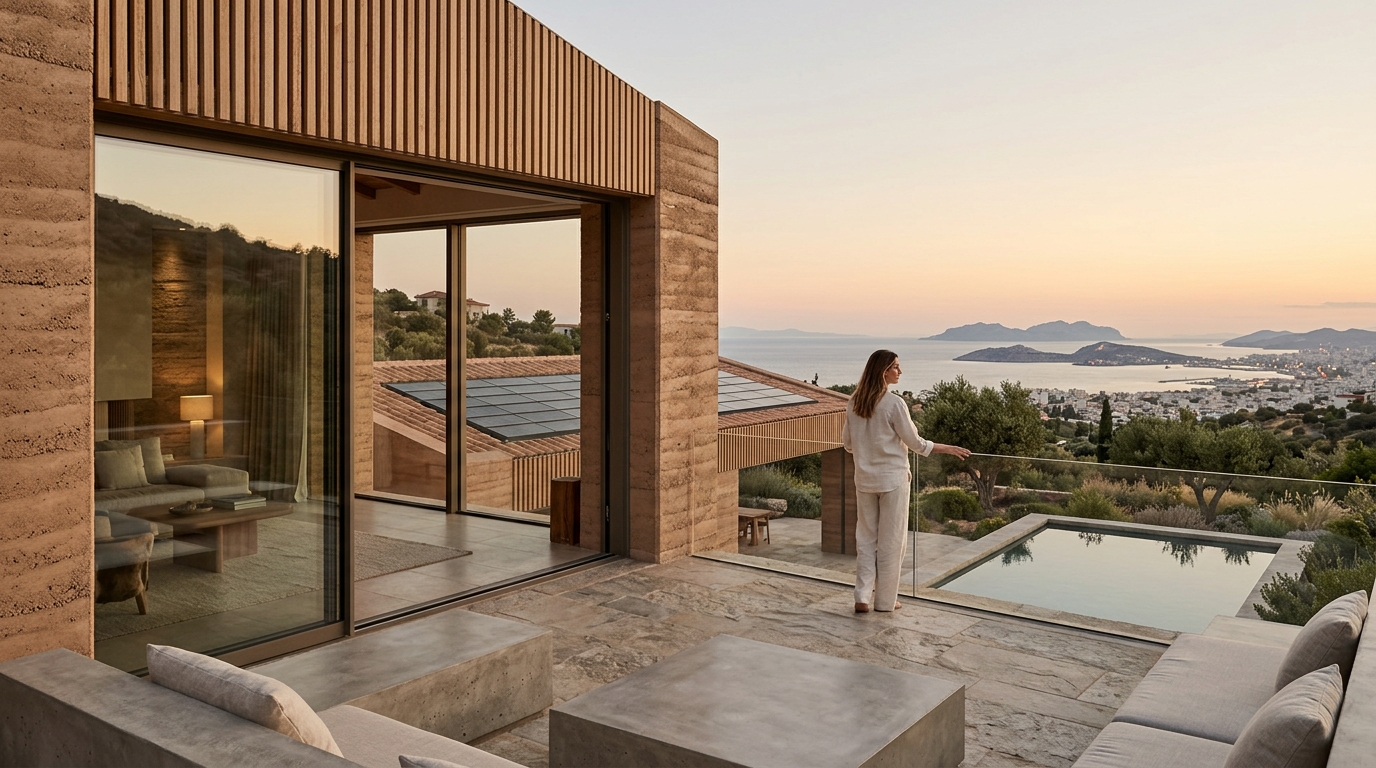
High-end developers utilize floor-to-ceiling glazing and retractable wall systems to erase the boundary between interior living spaces and exterior landscapes. This design element maximizes natural light, reducing the need for artificial lighting during daylight hours. It also fosters a psychological connection to nature, which is proven to reduce stress and improve well-being. The architecture must respect the topography, allowing the building to sit lightly on the land rather than dominating it.
Natural Ventilation Strategies
Instead of relying solely on mechanical cooling, sustainable luxury properties employ passive ventilation strategies. By analyzing local wind patterns and solar orientation, architects design window placements and courtyard layouts that encourage cross-ventilation. This reduces energy consumption while maintaining optimal indoor air quality. The result is a home that breathes with the environment.
Advanced Energy-Efficient Infrastructure
Energy efficiency in luxury real estate goes beyond standard insulation. It involves a comprehensive approach to energy generation, storage, and consumption. The goal is to create a net-zero or net-positive energy profile without compromising on comfort or aesthetic appeal.
Photovoltaic Integration
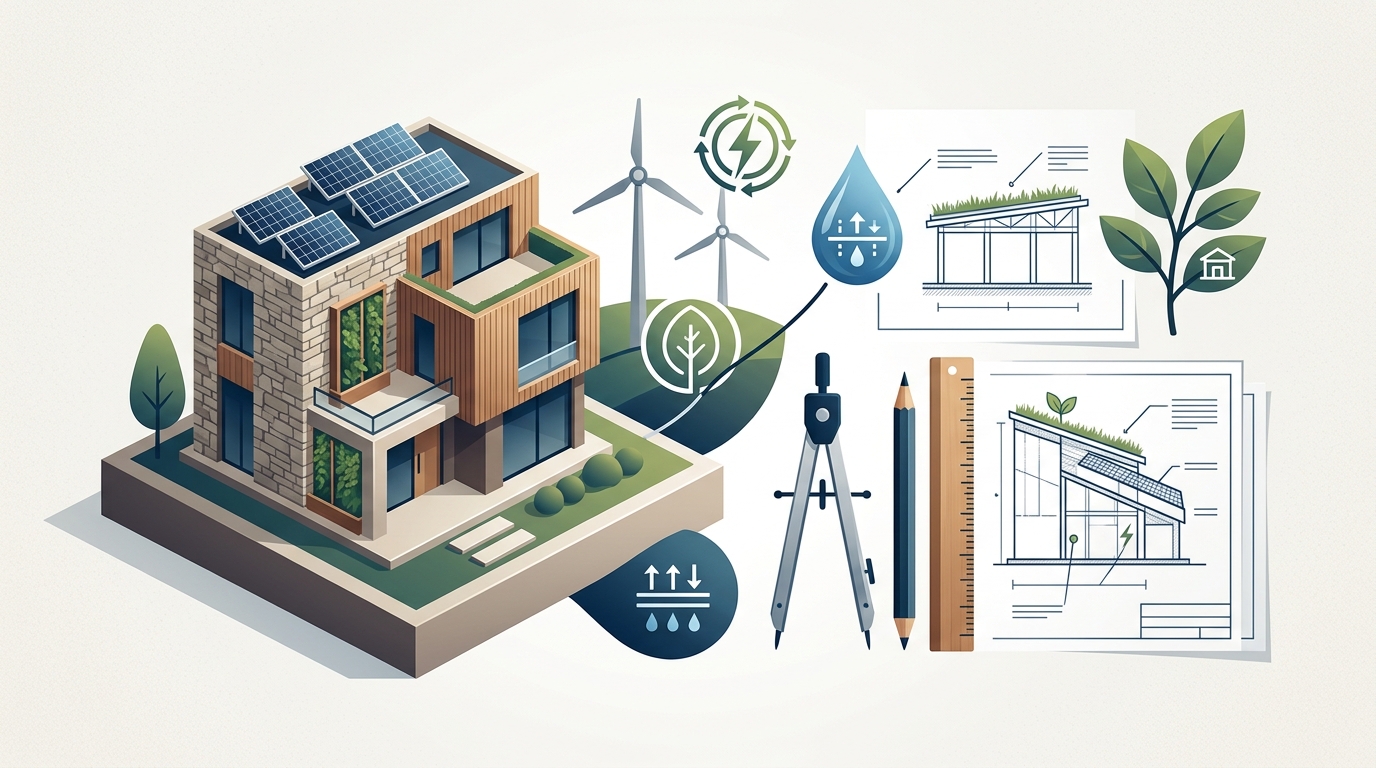
Solar technology is no longer an add-on but an integrated design element. Developers incorporate building-integrated photovoltaics (BIPV) into roofing materials and facade panels. These systems generate electricity while maintaining the architectural integrity of the structure. In regions with high solar irradiance, such as parts of Greece, this can significantly offset operational costs.
Thermal Mass and Insulation
Effective thermal management relies on high-performance insulation and thermal mass materials. Concrete, stone, and specialized composites absorb heat during the day and release it slowly at night. This stabilizes indoor temperatures and reduces the load on heating and cooling systems. The precision of this engineering ensures that the home remains comfortable year-round with minimal energy input.
Materiality and Resource Stewardship
The choice of materials in a sustainable luxury property reflects a commitment to longevity and environmental responsibility. Luxury is defined not just by rarity but by the ethical sourcing and durability of these materials.
Locally Sourced Stone and Wood
Using locally sourced materials reduces the carbon footprint associated with transportation. It also ensures that the building blends harmoniously with the regional landscape. For instance, using local marble or timber connects the property to its geographic context. This practice supports local economies and reduces the environmental impact of global supply chains.
Recycled and Reclaimed Components
High-end developers increasingly incorporate reclaimed wood, recycled steel, and repurposed glass into their designs. These materials offer unique aesthetic qualities that cannot be replicated by new manufacturing. They add character and history to the space while diverting waste from landfills. The durability of these materials often exceeds that of new alternatives, ensuring long-term value.
Smart Technology and Operational Intelligence
Sustainability in modern luxury is deeply intertwined with smart home technology. Intelligent systems optimize energy use, water consumption, and security with precision and automation.
Automated Climate Control
Advanced HVAC systems equipped with AI-driven sensors adjust temperature and humidity levels based on occupancy and weather conditions. These systems learn user preferences over time, providing personalized comfort while minimizing waste. The integration of these technologies ensures that energy is only used when and where it is needed.
Energy Monitoring Dashboards
Residents are provided with real-time dashboards that display energy production and consumption data. This transparency empowers homeowners to make informed decisions about their usage. It also highlights the performance of sustainable features, such as solar panels and battery storage systems. This data-driven approach fosters a culture of conservation.
Water Management and Conservation
Water scarcity is a growing concern in many luxury real estate markets. Sustainable design addresses this through innovative water management strategies that ensure resilience and efficiency.
Rainwater Harvesting Systems
Collecting and storing rainwater for irrigation and non-potable uses reduces reliance on municipal water supplies. These systems are designed to be unobtrusive yet highly effective. They often include filtration mechanisms to ensure the water is suitable for its intended use. This practice is particularly valuable in regions with seasonal rainfall patterns.
Greywater Recycling
Greywater from sinks, showers, and laundry is treated and reused for toilet flushing and landscape irrigation. This significantly reduces the overall water footprint of the property. The treatment systems are compact and quiet, ensuring they do not disrupt the living experience. This closed-loop system is a hallmark of responsible luxury development.
Comparative Analysis of Sustainable Features
Understanding the specific benefits of each sustainable design element helps clarify their value in a luxury context. The table below summarizes the key features and their impacts.
| Design Element | Primary Function | Luxury Benefit | Sustainability Impact |
|---|---|---|---|
| Biophilic Architecture | Natural light and ventilation | Enhanced well-being and aesthetic harmony | Reduced energy consumption |
| BIPV Solar Systems | On-site energy generation | Energy independence and modern aesthetics | Lower carbon footprint |
| Smart Climate Control | Automated temperature regulation | Personalized comfort and convenience | Optimized energy use |
| Greywater Recycling | Water reuse for irrigation | Self-sufficiency and resilience | Reduced water waste |
| Local Material Sourcing | Regional stone and timber | Unique character and geographic connection | Lower transport emissions |
Key Takeaways
- Biophilic design integrates natural elements to enhance well-being and reduce energy use.
- Building-integrated photovoltaics provide clean energy without compromising architectural aesthetics.
- Smart home technology optimizes comfort and efficiency through real-time data monitoring.
- Locally sourced materials reduce carbon footprints and connect properties to their regional context.
- Water conservation systems like greywater recycling ensure resilience in water-scarce regions.
- Sustainable luxury is defined by the balance of technical precision and creative vision.
- High-performance insulation and thermal mass stabilize indoor temperatures naturally.
Frequently Asked Questions
How does biophilic design improve luxury living?
Biophilic design improves luxury living by enhancing mental well-being through connection to nature. It maximizes natural light and air quality, creating a healthier and more serene living environment. This approach also increases the property's aesthetic value by blending it with the surrounding landscape.
What is building-integrated photovoltaics (BIPV)?
Building-integrated photovoltaics (BIPV) are solar energy systems that are incorporated into the building envelope. They serve as both a structural material and a power generator. This integration maintains the architectural integrity of the property while providing clean energy.
Are sustainable luxury homes more expensive to maintain?
No, sustainable luxury homes are typically less expensive to maintain over time. High-efficiency systems and durable materials reduce utility bills and repair costs. The initial investment is offset by long-term operational savings and increased property value.
How do smart home systems contribute to sustainability?
Smart home systems contribute to sustainability by automating energy and water usage. They monitor consumption in real-time and adjust systems to minimize waste. This precision ensures that resources are used only when necessary, enhancing overall efficiency.
Why is local material sourcing important in luxury development?
Local material sourcing is important because it reduces transportation emissions and supports regional economies. It also ensures that the building materials harmonize with the local environment. This creates a unique sense of place that cannot be replicated with imported materials.
What role does thermal mass play in sustainable design?
Thermal mass plays a critical role in stabilizing indoor temperatures. Materials like stone and concrete absorb heat during the day and release it at night. This reduces the need for mechanical heating and cooling, leading to significant energy savings.
Can luxury properties achieve net-zero energy status?
Yes, luxury properties can achieve net-zero energy status through a combination of efficient design and renewable energy generation. By minimizing energy demand and maximizing on-site production, these homes can balance their energy consumption annually.
Contact for Exclusive Developments
Discover the future of sustainable luxury living with ECLÉDE. Our portfolio reflects a commitment to architectural excellence and environmental responsibility. We invite you to explore our latest projects and discuss how we can bring this vision to your next investment. Visit our portfolio page to view our current developments. For personalized inquiries, please contact us directly. Our team is ready to guide you through the process of acquiring a home that is both luxurious and responsible.