
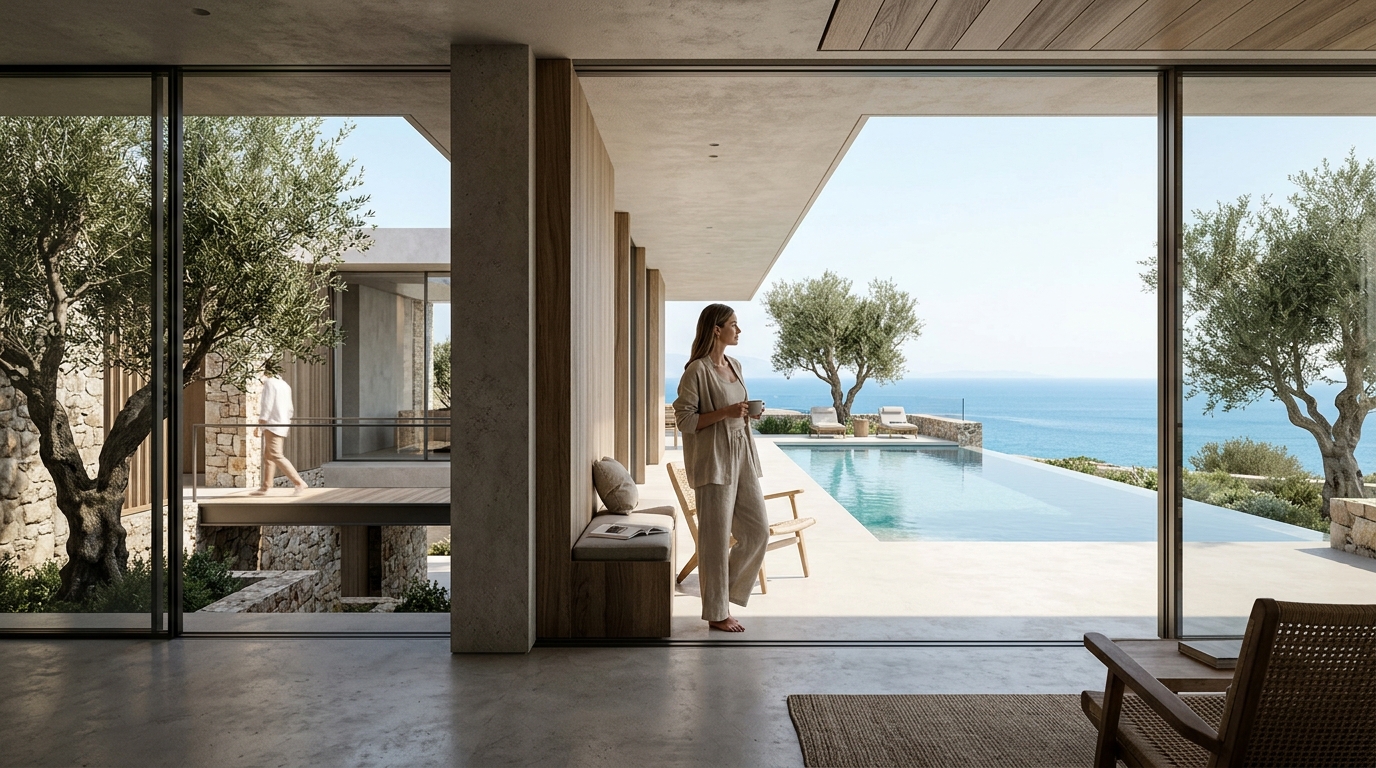
The global real estate market is undergoing a fundamental shift where environmental responsibility no longer competes with luxury but defines it. According to recent industry analyses, the demand for green-certified homes has grown by over 20 percent annually in premium markets, signaling that future-proofing assets is now a primary driver for elite buyers. This evolution moves beyond simple energy efficiency to encompass holistic well-being, architectural innovation, and long-term value preservation. For investors and homeowners, understanding the landscape of sustainable luxury is critical to making decisions that align with both aesthetic desires and ecological ethics.
Defining Sustainable Luxury
Sustainable luxury is not merely a marketing term but a rigorous architectural and operational standard. It represents the intersection of high-end design, environmental stewardship, and technological integration. In this context, luxury is redefined by the quality of the indoor environment, the efficiency of the building systems, and the longevity of the materials used. This approach ensures that properties remain desirable and valuable as global regulations tighten and consumer preferences shift toward conscious consumption.
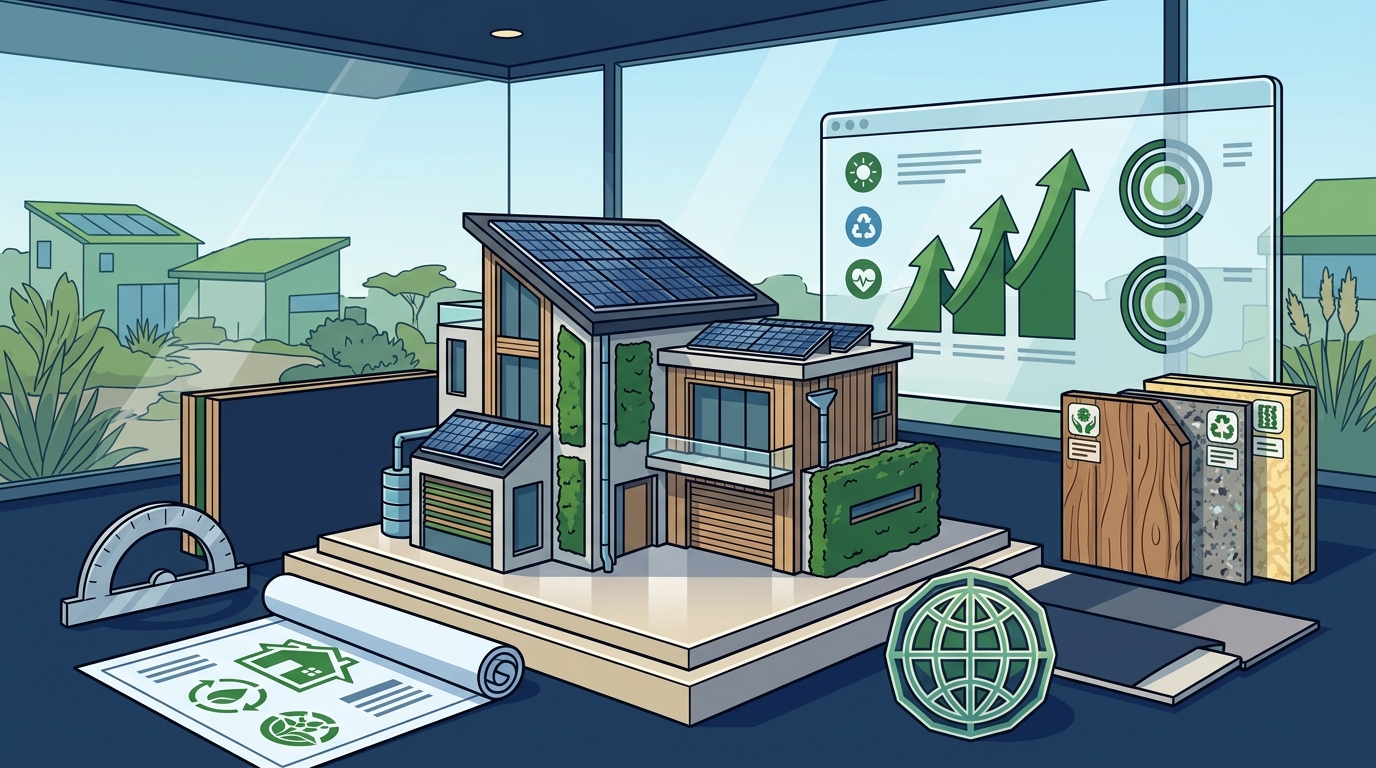
At the core of this movement is the concept of Net Zero Energy Buildings. A Net Zero Energy Building is a structure that produces as much energy as it consumes over the course of a year. This is achieved through a combination of passive design strategies, such as optimal orientation and natural ventilation, and active technologies like solar photovoltaic arrays and high-performance insulation. The result is a home that offers unparalleled comfort while eliminating the carbon footprint typically associated with large-scale residences.
Furthermore, the materials selected for these properties play a pivotal role in their sustainability profile. Sustainable luxury prioritizes locally sourced, non-toxic, and recyclable materials that reduce transportation emissions and improve indoor air quality. This attention to detail extends to water management systems, smart home automation, and landscape design that supports local biodiversity. The goal is to create spaces that feel opulent yet harmonious with their natural surroundings.
Key Investment Alternatives
For those seeking to enter the sustainable luxury market, several distinct alternatives exist, each offering unique benefits and investment profiles. Understanding these options allows investors to align their portfolios with specific environmental goals and lifestyle preferences.
Net Zero Residential Developments
Net Zero residential developments represent the pinnacle of modern eco-conscious living. These projects, such as those led by visionary developers like Vassilis Siafaricas, focus on creating homes that are entirely self-sufficient in terms of energy. By integrating advanced engineering with minimalist architectural lines, these properties offer a seamless blend of functionality and aesthetic refinement. Investors in this sector benefit from lower operational costs and higher resilience against energy price volatility.
LEED Platinum Certified Homes
LEED Platinum certification is the highest level of recognition for green building performance. This designation requires meeting rigorous criteria for energy savings, water efficiency, CO2 emission reduction, and indoor environmental quality. Properties achieving this status, such as the first LEED Platinum residential project in Greece, set a new benchmark for the region. These homes are not only environmentally superior but also command significant premiums in the resale market due to their verified performance and prestige.
Urban Regeneration Projects
Sustainable luxury also extends to urban regeneration, where historic or underutilized sites are transformed into high-performance living spaces. This approach preserves cultural heritage while introducing modern sustainability standards. It appeals to buyers who value location and community integration alongside environmental responsibility. These projects often involve complex engineering challenges but offer unique architectural character and strong long-term appreciation potential.
Architectural Innovation in Eco-Design
The architecture of sustainable luxury is characterized by a commitment to minimal, clean lines and seamless integration with natural surroundings. This design philosophy ensures that buildings do not dominate their environment but rather enhance it. By prioritizing natural light, cross-ventilation, and thermal mass, architects can reduce the reliance on mechanical systems, thereby lowering the building's overall environmental impact.
Innovation in this field also includes the use of smart technologies that monitor and optimize energy use in real time. These systems provide homeowners with detailed insights into their consumption patterns, enabling them to make informed adjustments that further reduce their carbon footprint. This level of control is a key feature of modern luxury, offering convenience and peace of mind.
Additionally, the integration of green spaces into the building design is crucial. Rooftop gardens, vertical forests, and landscaped courtyards not only improve air quality but also provide residents with private outdoor retreats. These elements contribute to mental well-being and create a sense of tranquility that is increasingly valued in urban environments.
LEED and Global Certifications
Green building certifications provide a standardized framework for evaluating the sustainability of a property. LEED, or Leadership in Energy and Environmental Design, is one of the most widely recognized systems globally. It offers a comprehensive set of performance standards for sustainable sites, water efficiency, energy and atmosphere, materials, and indoor environmental quality.
Other notable certifications include BREEAM (Building Research Establishment Environmental Assessment Method) in Europe and the Green Star rating system in Australia. Each of these systems has its own criteria and scoring mechanisms, but they all share the common goal of promoting environmentally responsible and healthy buildings. For investors, obtaining these certifications is a strategic move that enhances the property's marketability and ensures compliance with future regulatory requirements.
Award-winning sustainable designs, such as those recognized by the German Design Awards or the A’ Design Award, often incorporate these certification principles while pushing the boundaries of aesthetic innovation. These accolades serve as a testament to the developer's commitment to excellence and their ability to deliver high-quality, sustainable living spaces.
Comparing Development Models
Choosing the right sustainable luxury property requires a clear understanding of the different development models available. Each model offers distinct advantages in terms of cost, customization, and environmental impact.
| Development Model | Key Features | Best For | Sustainability Focus |
|---|---|---|---|
| Custom Net Zero Homes | Tailored design, energy independence, high-end finishes | Buyers seeking full control and maximum efficiency | Net Zero Energy, Passive House standards |
| LEED Certified Residences | Verified performance, premium certification, resale value | Investors prioritizing certified green assets | LEED Platinum, comprehensive green metrics |
| Urban Regeneration Projects | Historic preservation, modern integration, prime location | Buyers valuing heritage and urban connectivity | Adaptive reuse, reduced embodied carbon |
| Luxury Eco-Villages | Community-focused, shared resources, biodiversity | Those seeking a collaborative sustainable lifestyle | Local ecosystems, renewable energy sharing |
Custom net zero homes offer the highest degree of personalization, allowing owners to specify every detail of their sustainable environment. LEED certified residences provide the assurance of third-party verification, which is crucial for institutional investors. Urban regeneration projects appeal to those who wish to preserve architectural history while embracing modern sustainability. Finally, luxury eco-villages offer a community-oriented approach to green living, fostering social connections alongside environmental responsibility.
Key Takeaways
- Net Zero Energy Buildings produce as much energy as they consume, setting a new standard for operational efficiency in luxury real estate.
- LEED Platinum certification represents the highest level of green building performance, ensuring rigorous environmental standards are met.
- Architectural minimalism in sustainable design focuses on clean lines and seamless integration with natural surroundings to enhance both aesthetics and function.
- First LEED Platinum residential project in Greece demonstrates the regional potential for sustainable luxury development and sets a benchmark for future projects.
- German Design Awards 2026 and A’ Design Award recognition highlight the intersection of innovation and sustainability in high-end architecture.
- Urban regeneration offers a viable alternative for sustainable luxury by preserving heritage while introducing modern eco-friendly technologies.
- Long-term value creation is a core benefit of sustainable properties, as they offer lower operating costs and higher resilience to regulatory changes.
Frequently Asked Questions
What is the difference between a Net Zero home and a LEED certified home?
A Net Zero home focuses specifically on energy balance, producing as much energy as it uses. LEED certification is a broader framework that evaluates energy, water, materials, and indoor environmental quality. A home can be both Net Zero and LEED Platinum certified.
Are sustainable luxury properties more expensive to maintain?
No, sustainable luxury properties are typically designed to have lower maintenance and operational costs. High-performance insulation, efficient HVAC systems, and durable materials reduce the need for frequent repairs and lower utility bills significantly.
How does sustainable design impact property value?
Sustainable design positively impacts property value by enhancing marketability and future-proofing the asset. Certified green homes often command higher resale prices due to their verified performance and growing demand from environmentally conscious buyers.
What are the key features of ECLÉDE's sustainable developments?
ECLÉDE's developments focus on high-performance, environmentally responsible designs, including Net Zero Energy Buildings and sustainable luxury residences. They prioritize minimal architectural lines, energy efficiency, and long-term investment value.
Can I customize the sustainability features of my luxury home?
Yes, many developers offer customizable sustainability options. This can include the choice of solar panel systems, water recycling technologies, and specific material selections to meet your personal environmental goals.
What is the role of smart home technology in sustainable luxury?
Smart home technology plays a crucial role by monitoring and optimizing energy use in real time. It allows homeowners to manage lighting, heating, and cooling efficiently, further reducing their carbon footprint and enhancing comfort.
How do I verify the sustainability claims of a property?
You can verify sustainability claims by requesting third-party certifications such as LEED, BREEAM, or Passive House documentation. These certifications provide independent validation of the building's environmental performance.
Contact Us
Discover the future of sustainable luxury living with ECLÉDE. Our team of experts is ready to guide you through the process of acquiring or developing a high-performance, environmentally responsible property. Whether you are interested in Net Zero homes, LEED certified residences, or urban regeneration projects, we offer tailored solutions that align with your vision. Contact us today to schedule a consultation and explore our latest portfolio of sustainable luxury developments.
Get in touch with our team to discuss your specific requirements and learn more about our commitment to excellence in architecture and sustainability.