
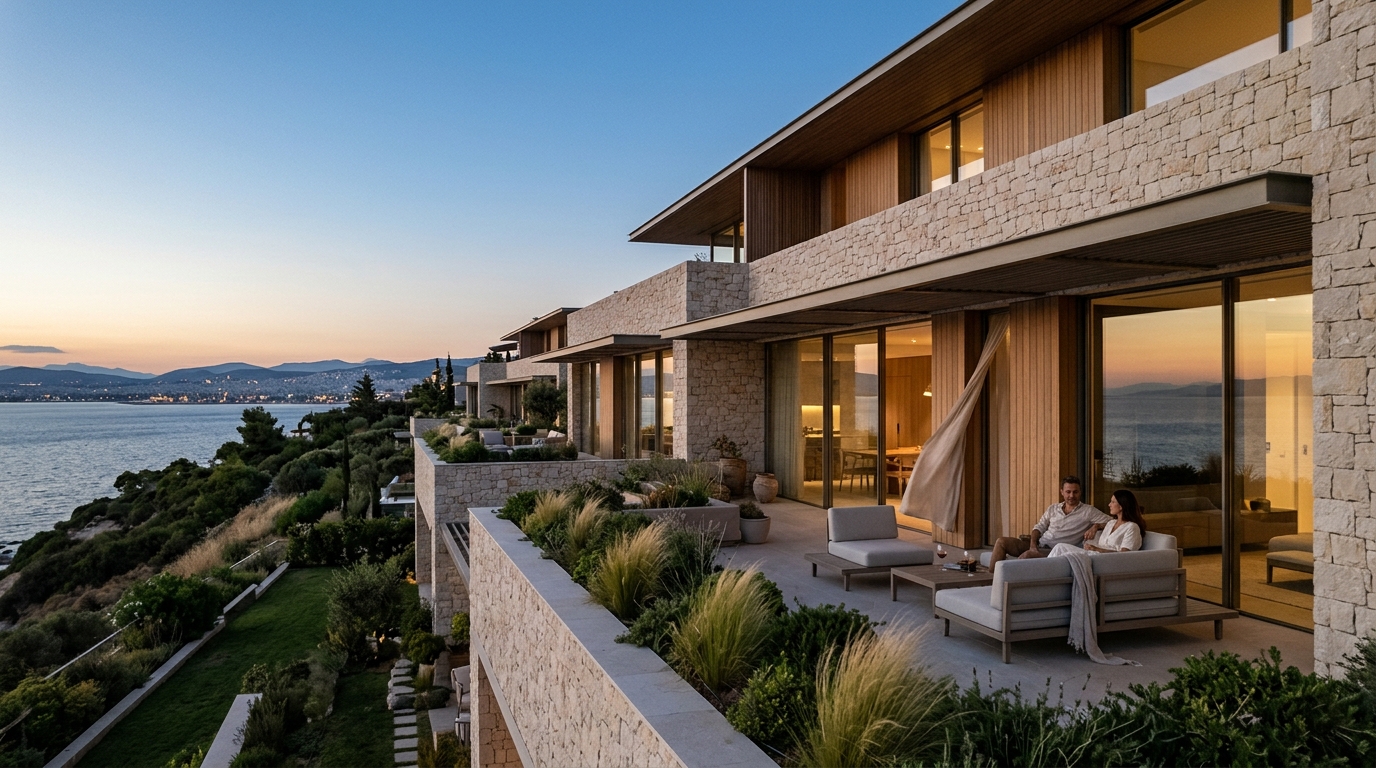
Bioclimatic architecture is not merely a trend but a fundamental shift in how we approach high-end residential construction. It integrates natural environmental factors to create living spaces that are inherently energy-efficient and comfortable. This approach aligns perfectly with the philosophy of modern luxury, where sustainability and aesthetic refinement coexist. According to recent industry analyses, homes designed with passive solar principles can reduce heating and cooling costs by up to 70% compared to traditional builds. This statistic highlights the economic and environmental imperative for luxury developers.
Orientation and Solar Gain Strategies
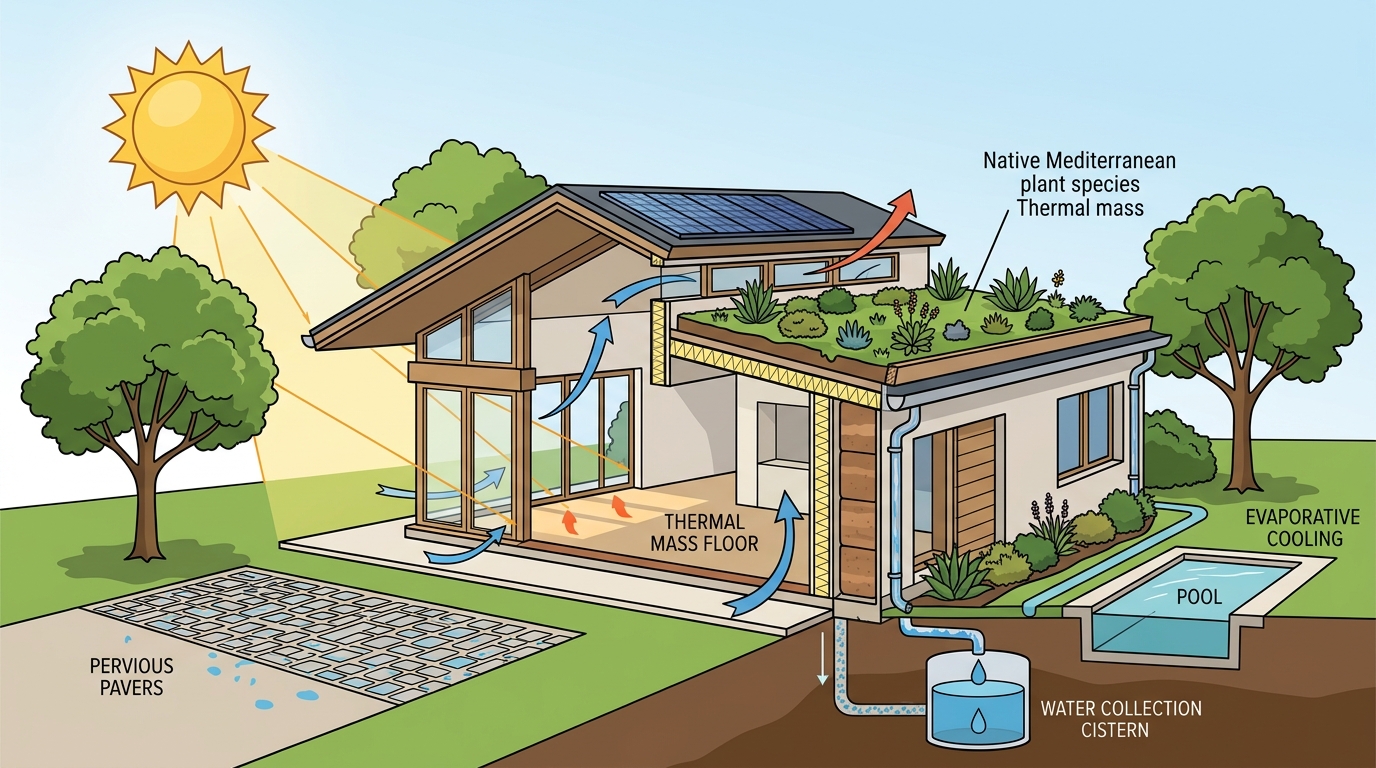
The foundation of any bioclimatic residence is its orientation. In the northern hemisphere, maximizing southern exposure allows for optimal solar gain during winter months. This passive heating strategy reduces reliance on artificial climate control systems. Large, strategically placed windows on the south side capture low-angle winter sun, while overhangs block high-angle summer sun. This balance ensures thermal comfort year-round without excessive energy consumption.
For luxury residences, this principle extends beyond simple window placement. It involves the entire footprint of the building. Architects must analyze local topography and prevailing winds to position the structure for maximum efficiency. According to data from the International Energy Agency, proper orientation can account for a significant portion of a building's annual energy savings. This is particularly true in regions with extreme seasonal variations.
At ECLEDE, we prioritize this initial analysis in every project. Our team evaluates the specific microclimate of each site to determine the ideal building alignment. This ensures that the home works with nature rather than against it. The result is a residence that feels naturally regulated and deeply connected to its surroundings.
Thermal Mass and Insulation Standards
Thermal mass refers to the ability of a material to absorb, store, and release heat. Materials like concrete, stone, and rammed earth are ideal for this purpose. They act as a thermal battery, absorbing heat during the day and releasing it at night. This process stabilizes indoor temperatures and reduces the need for active heating and cooling.
Insulation is equally critical. High-performance insulation creates a thermal envelope that prevents heat loss in winter and heat gain in summer. Luxury homes often require specialized insulation techniques to maintain thin wall profiles while achieving high R-values. This allows for more interior space without compromising energy efficiency.
The combination of thermal mass and superior insulation creates a resilient building envelope. This envelope is the first line of defense against climate variability. It ensures that the interior environment remains stable regardless of external weather conditions. This stability is a hallmark of true luxury, providing consistent comfort and peace of mind.
Natural Ventilation and Airflow
Natural ventilation leverages wind pressure and thermal buoyancy to move air through a building. This process removes stale air and brings in fresh, cooler air without mechanical assistance. Cross-ventilation is achieved by placing windows and openings on opposite sides of the building. This creates a flow path that encourages air movement.
Stack ventilation utilizes the principle that hot air rises. By placing high-level openings, such as clerestory windows or skylights, hot air can escape. This draws cooler air in from lower openings. This passive cooling strategy is highly effective in warm climates and during summer months.
Implementing natural ventilation requires careful design of window sizes and positions. It also involves considering the landscape to channel prevailing winds. According to research published in the Journal of Building Physics, effective natural ventilation can reduce cooling energy demand by up to 50% in suitable climates. This makes it an essential component of sustainable luxury design.
Material Selection for Sustainability
The choice of materials significantly impacts the environmental footprint of a luxury residence. Sustainable materials are those that are locally sourced, renewable, and have low embodied energy. Wood, bamboo, and recycled metals are excellent options. They offer durability and aesthetic appeal while minimizing environmental harm.
Local sourcing reduces transportation emissions and supports regional economies. It also ensures that materials are suited to the local climate. For example, stone from a nearby quarry is more appropriate for a Mediterranean climate than imported tropical hardwoods. This contextual relevance enhances both performance and authenticity.
At ECLEDE Portfolio, we showcase projects that utilize these sustainable materials. Each selection is made with a focus on longevity and beauty. We believe that luxury does not require wastefulness. Instead, it demands thoughtful curation of resources that respect both the user and the planet.
Comparison of Bioclimatic Approaches
Different bioclimatic strategies suit different climates and architectural styles. Understanding these differences is crucial for effective implementation. The table below compares common approaches based on their primary mechanism and suitability.
| Strategy | Primary Mechanism | Best Climate | Key Benefit |
|---|---|---|---|
| Passive Solar Heating | Solar gain through south-facing glazing | Cold or temperate | Reduces heating load |
| Stack Ventilation | Thermal buoyancy driving airflow | Warm or hot | Passive cooling |
| High Thermal Mass | Heat absorption and release | Continental with large diurnal range | Temperature stabilization |
| Green Roofing | Insulation and evapotranspiration | Urban or hot | Reduced heat island effect |
Key Takeaways
- Bioclimatic design reduces energy consumption by leveraging natural environmental forces.
- Proper building orientation is the most cost-effective strategy for thermal comfort.
- Thermal mass materials stabilize indoor temperatures by absorbing and releasing heat.
- Natural ventilation can cut cooling energy demand by up to 50% in suitable climates.
- Sustainable material selection lowers embodied carbon and supports local economies.
- ECLEDE integrates these principles to create high-end, environmentally responsible developments.
- Vassilis Siafaricas leads this approach with over two decades of experience in luxury real estate.
Frequently Asked Questions
What is bioclimatic architecture?
Bioclimatic architecture is a design approach that uses local climate conditions to create comfortable and energy-efficient buildings. It focuses on passive strategies rather than active mechanical systems.
How does orientation affect energy efficiency?
Orientation determines how much solar radiation a building receives. Proper alignment maximizes winter heat gain and minimizes summer heat gain, reducing the need for artificial heating and cooling.
What materials are best for thermal mass?
Concrete, stone, brick, and rammed earth are excellent materials for thermal mass. They have high density and specific heat capacity, allowing them to store significant amounts of heat.
Can bioclimatic design be applied to existing homes?
Yes, many bioclimatic principles can be retrofitted. Adding insulation, improving window performance, and enhancing ventilation are common upgrades that improve energy efficiency.
Why is local sourcing important for sustainable luxury?
Local sourcing reduces transportation emissions and ensures materials are appropriate for the local climate. It also supports regional craftsmanship and economic resilience.
How does ECLEDE ensure sustainability in its projects?
ECLEDE integrates bioclimatic principles from the initial design phase. This includes site analysis, material selection, and energy modeling to ensure optimal performance.
What is the role of Vassilis Siafaricas in sustainable development?
Vassilis Siafaricas is the founder of ECLEDE and a multidisciplinary entrepreneur with over two decades of experience. He champions the balance of architecture, sustainability, and investment value.
Start Your Sustainable Project
Building a sustainable luxury residence requires expertise in both design and engineering. ECLEDE offers comprehensive services to guide you through this process. From initial concept to final delivery, we ensure your home meets the highest standards of sustainability and luxury.
Contact us today to discuss your vision. Visit our contact page to schedule a consultation. Let us help you create a home that is as responsible as it is beautiful.