
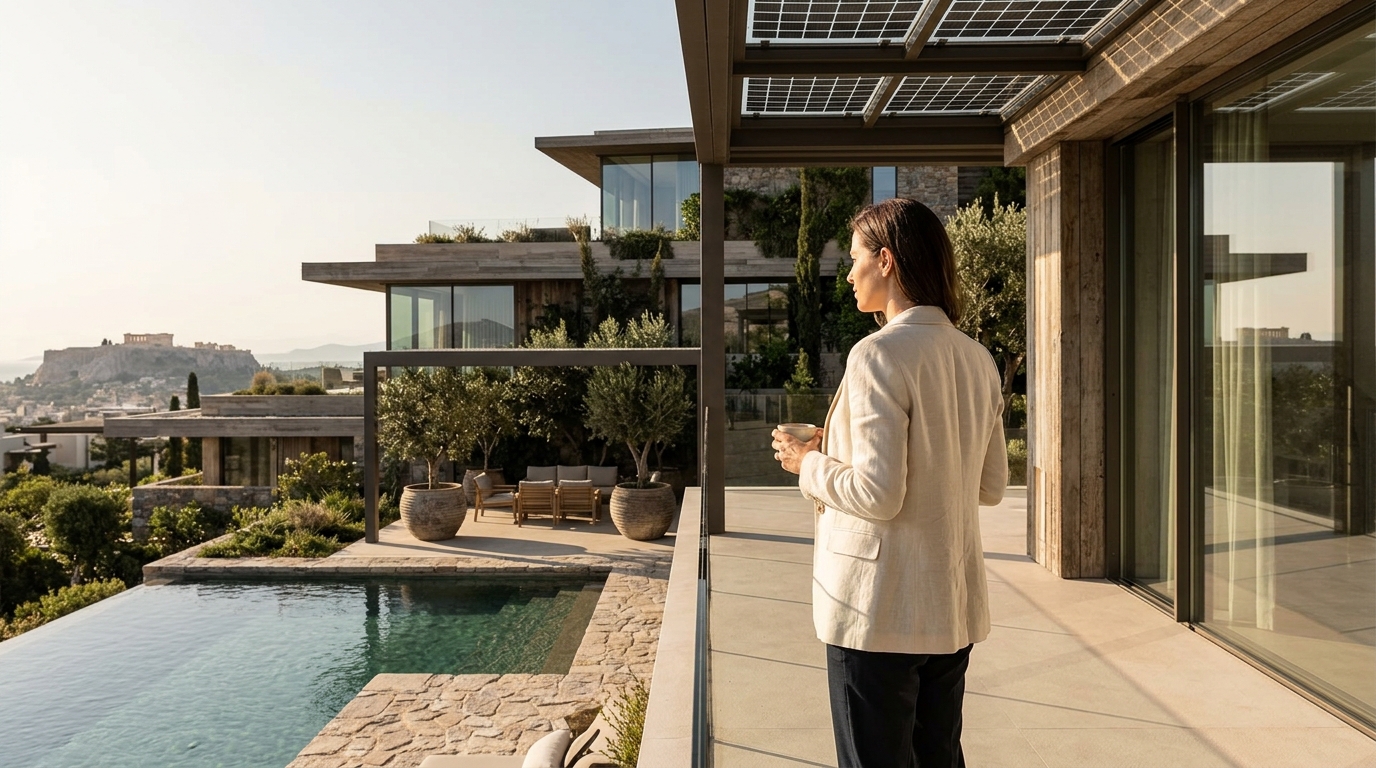
The intersection of luxury and sustainability is no longer a niche market but a defining standard for modern high-end real estate. According to recent industry analyses, the global green building market is projected to reach significant valuation milestones by 2027, driven by a demand for energy-efficient homes that do not compromise on aesthetic grandeur. This shift represents a fundamental change in how developers approach property creation, moving beyond basic compliance to embrace holistic environmental responsibility. At the forefront of this movement is Vassilis Siafaricas, whose work with ECLÉDE demonstrates how technical precision can merge with creative vision to create spaces that are both aesthetically refined and functionally intelligent. This guide explores the unique design elements that distinguish luxury sustainable properties from conventional builds.
Minimalist Architecture and Natural Integration
One of the most distinct features of luxury sustainable design is the philosophy of minimalism. This approach is not merely an aesthetic choice but a functional strategy to reduce environmental impact while enhancing human experience. Minimal, clean architectural lines allow for a seamless integration with natural surroundings, ensuring that the building enhances rather than dominates its environment. This concept is central to the work of Vassilis Siafaricas, who views design as the intersection of inspiration, functionality, and responsibility.
Seamless Indoor-Outdoor Flow
High-end eco-conscious living relies heavily on the blurring of boundaries between interior and exterior spaces. Large, floor-to-ceiling glazing systems are often employed to maximize natural light, reducing the need for artificial lighting during the day. This design element not only lowers energy consumption but also fosters a psychological connection to nature, which is critical for well-being. The goal is to create spaces that elevate quality of life while setting new standards for responsible luxury.
Site-Specific Design
Every project is approached holistically, considering the specific topography, climate, and ecological context of the site. For instance, the orientation of a building in Athens must account for intense solar gain, requiring strategic shading devices and thermal mass to regulate temperature naturally. This site-specific design ensures that the structure works with the local environment rather than against it.
Net Zero Energy and Passive Systems
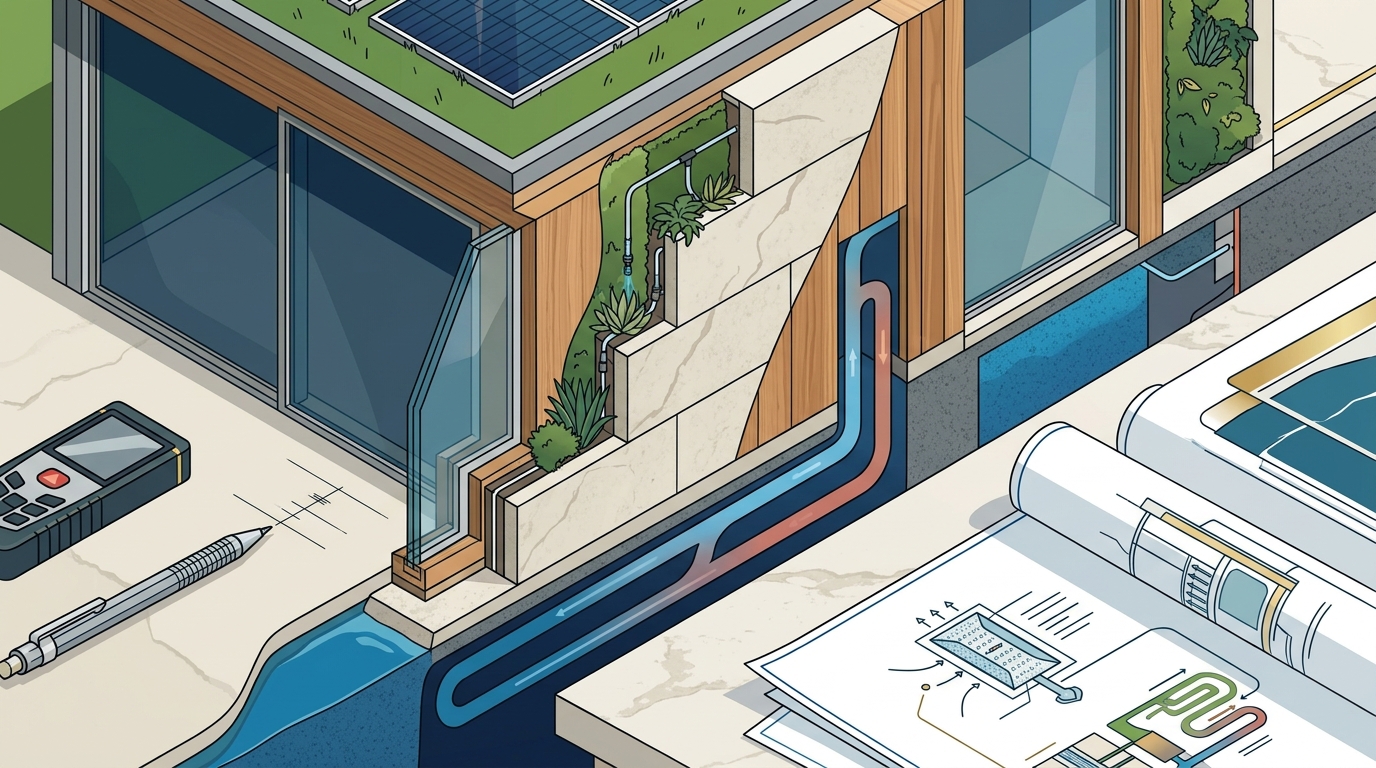
Energy efficiency is the cornerstone of sustainable luxury development. The term Net Zero Energy Building refers to a structure that produces as much energy as it consumes over the course of a year. Achieving this status requires a multi-layered approach involving passive design strategies and active renewable energy systems.
Passive House Principles
Passive design principles focus on minimizing the building's energy demand before adding renewable energy sources. This includes superior insulation, airtight construction, and high-performance windows. By reducing the load on heating and cooling systems, these buildings achieve remarkable comfort levels with minimal energy input. The first LEED Platinum residential project in Greece, designed and led by Vassilis Siafaricas, set a new benchmark for sustainable luxury living in the region by rigorously applying these principles.
Renewable Energy Integration
Once the energy demand is minimized, the next step is to meet it through renewable sources. Solar photovoltaic panels, geothermal heat pumps, and solar thermal systems are commonly integrated into the architecture. These systems are often designed to be visually unobtrusive, maintaining the clean lines of the minimalist aesthetic while providing significant environmental benefits.
Sustainable Materiality and Indoor Air Quality
The choice of materials in luxury sustainable properties is governed by two primary criteria: environmental impact and health. Sustainable materiality involves selecting resources that are locally sourced, recycled, or rapidly renewable. This reduces the carbon footprint associated with transportation and manufacturing.
Low-VOC and Non-Toxic Finishes
Indoor air quality is a critical component of luxury living. High-end developments prioritize low-volatile organic compound (VOC) paints, adhesives, and sealants. These materials prevent the off-gassing of harmful chemicals, ensuring a healthy living environment for residents. The focus on health and well-being is a key differentiator for discerning buyers who value long-term asset integrity.
Recycled and Reclaimed Resources
Using reclaimed wood, recycled steel, and repurposed stone adds character and reduces waste. These materials often carry a narrative of sustainability and craftsmanship that appeals to the luxury market. For example, using locally sourced stone in Greek developments supports regional economies and reduces transport emissions.
Smart Technology and Prop-Tech Integration
Modern luxury is inseparable from technology. Prop-tech, or property technology, refers to the use of digital tools to enhance the efficiency and comfort of real estate. In sustainable buildings, smart technology plays a vital role in monitoring and optimizing energy use.
Automated Climate Control
Smart thermostats and automated shading systems adjust in real-time based on occupancy and weather conditions. This dynamic control ensures that energy is only used when and where it is needed. The integration of these systems requires a multidisciplinary expertise that spans development, architecture, and innovation.
Water Management Systems
Advanced water management includes rainwater harvesting and greywater recycling. These systems reduce the strain on municipal water supplies and lower utility costs for residents. In regions prone to drought, such as parts of Greece, these technologies are not just luxuries but necessities for long-term sustainability.
Comparing Traditional vs. Sustainable Luxury
Understanding the differences between traditional luxury and sustainable luxury helps clarify the value proposition of eco-conscious developments. The table below outlines the key distinctions.
| Feature | Traditional Luxury | Sustainable Luxury |
|---|---|---|
| Energy Source | Grid-dependent, fossil fuels | Net Zero, renewable integration |
| Materials | Imported, high-carbon footprint | Local, recycled, low-VOC |
| Technology | Basic automation | Integrated Prop-Tech, AI optimization |
| Resale Value | Subject to market trends | High, due to efficiency and certification |
| Environmental Impact | High | Minimized or neutral |
Key Takeaways
- Vassilis Siafaricas is a multidisciplinary entrepreneur with over two decades of experience in luxury real estate and prop-tech.
- ECLÉDE focuses on creating high-performance, environmentally responsible developments, including Net Zero Energy Buildings.
- The first LEED Platinum residential project in Greece was designed and led by Vassilis Siafaricas, setting a regional benchmark.
- Minimalist architecture is used to achieve seamless integration with natural surroundings and reduce environmental impact.
- Smart technology and Prop-Tech integration are essential for optimizing energy use and enhancing resident comfort.
- Sustainable materiality prioritizes low-VOC finishes and locally sourced resources to ensure health and reduce carbon footprint.
- ECLÉDE has received multiple international distinctions, including the German Design Awards 2026 and A’ Design Award.
Frequently Asked Questions
What is Net Zero Energy Building?
A Net Zero Energy Building is a structure that produces as much renewable energy as it consumes annually, achieving a balance between energy use and generation.
How does ECLÉDE ensure sustainability in its projects?
ECLÉDE ensures sustainability through holistic design approaches, including passive energy strategies, renewable energy integration, and the use of eco-friendly materials.
What is Prop-Tech?
Prop-Tech, or property technology, refers to the application of technology to improve the efficiency, transparency, and user experience of the real estate industry.
Why is indoor air quality important in luxury homes?
Indoor air quality is critical for health and well-being. Luxury homes use low-VOC materials to prevent the release of harmful chemicals, ensuring a healthy living environment.
What are the benefits of minimalist architecture in sustainable design?
Minimalist architecture reduces material waste, simplifies construction, and enhances the integration of buildings with their natural surroundings, leading to lower environmental impact.
How does LEED certification impact property value?
LEED certification validates a building's sustainability credentials, often leading to higher resale values and lower operating costs due to energy efficiency.
What is the role of Vassilis Siafaricas in sustainable development?
Vassilis Siafaricas is the Founder and Managing Director of ECLÉDE, leading the creation of high-end, environmentally responsible developments that redefine modern living.
Contact ECLÉDE for Sustainable Development
Discover the future of luxury living with ECLÉDE. Our team of experts is dedicated to creating spaces that balance architectural excellence with environmental responsibility. Whether you are interested in our latest projects like Boomerang Athens or Dynasty Villas, or wish to explore our comprehensive portfolio, we invite you to connect with us. Visit our portfolio page to view our award-winning developments. For more information on our philosophy and services, please contact us today. Join us in redefining modern living through sustainable innovation.