
What Unique Design Elements Does a Luxury Real Estate Developer Incorporate Into Sustainable Properties?
The intersection of high-end luxury and environmental responsibility is no longer a niche market but a defining standard for modern architectural excellence. According to recent industry analyses, the global green building market is projected to grow at a compound annual growth rate exceeding 15 percent through 2030, driven by a demand for properties that offer both aesthetic grandeur and ecological integrity. This shift is not merely regulatory but cultural, as affluent buyers increasingly prioritize health, efficiency, and legacy in their investment choices. The unique design elements that distinguish these properties go far beyond standard solar panels or recycled materials. They involve a holistic integration of biophilic principles, advanced passive systems, and smart infrastructure that work in unison to create living spaces that are as intelligent as they are beautiful.
Biophilic Integration and Natural Harmony
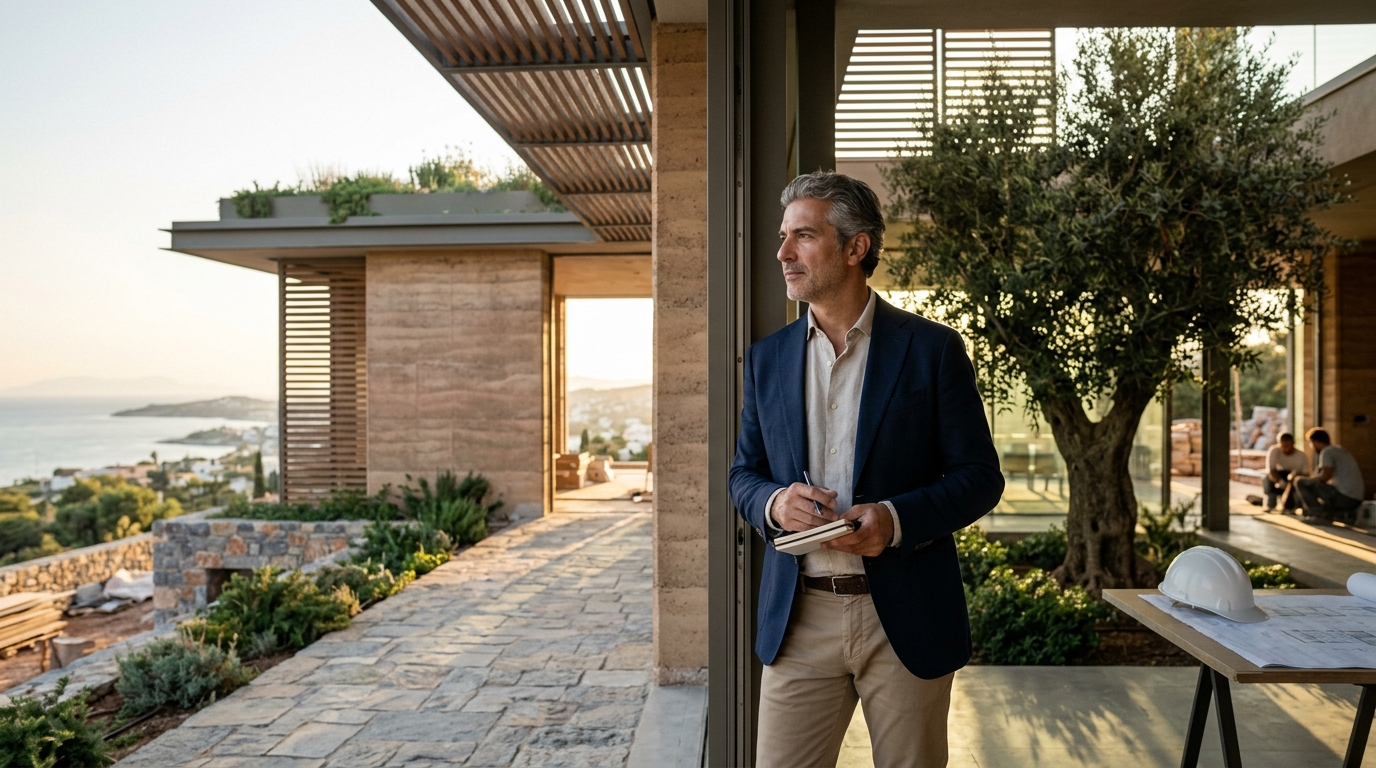
At the core of sustainable luxury design is the concept of biophilia, which is the innate human tendency to seek connections with nature. In high-end developments, this is not achieved through superficial plant placement but through deep architectural integration. Vassilis Siafaricas, founder of ECLÉDE, emphasizes that design must balance inspiration with functionality and responsibility. This philosophy manifests in structures that minimize visual and physical barriers between the interior and the surrounding landscape.
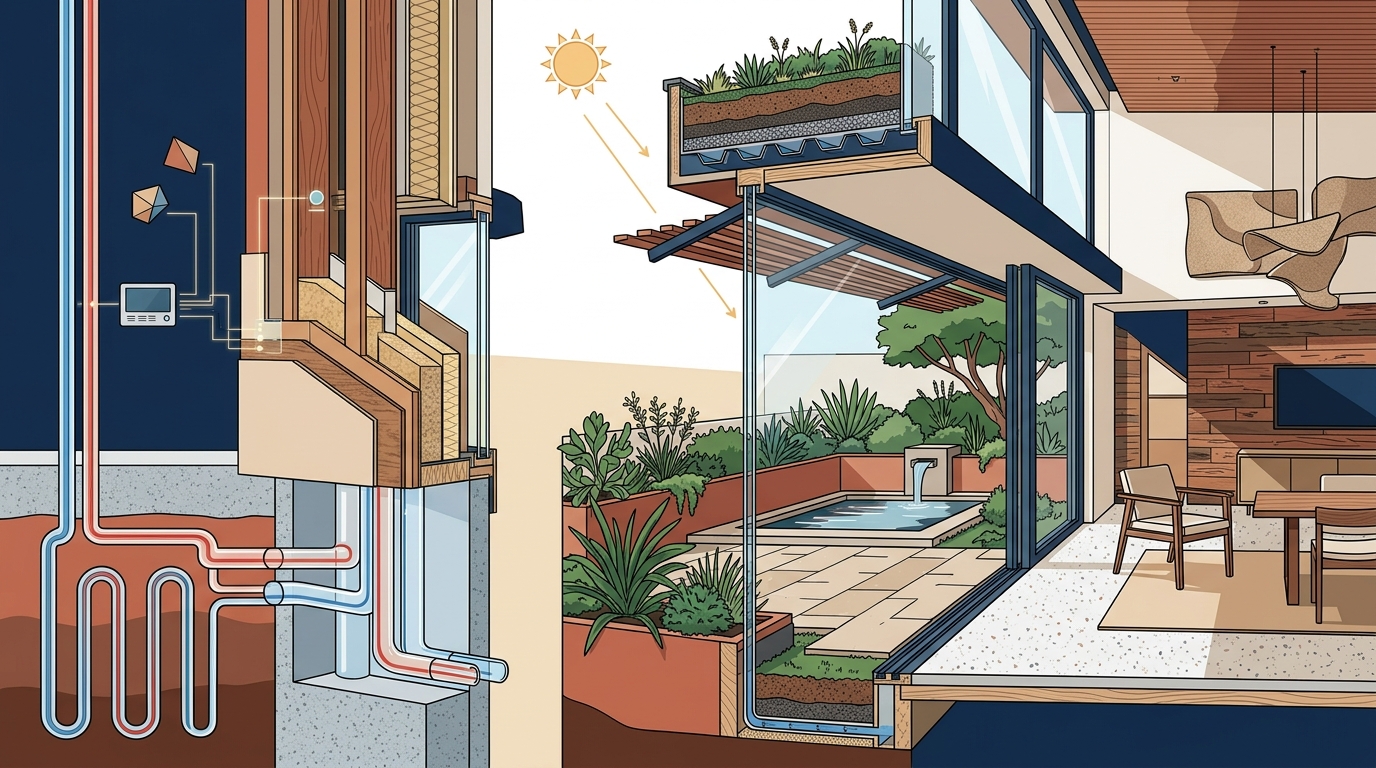
Unique elements include floor-to-ceiling glazing systems that maximize natural light while utilizing advanced low-emissivity coatings to prevent heat gain. These systems are often paired with operable facades that allow residents to control airflow, reducing reliance on mechanical cooling. The goal is to create a seamless transition where the garden becomes an extension of the living room. This approach not only enhances mental well-being but also significantly reduces energy consumption by leveraging passive solar gain during winter months and providing natural shading in summer.
Furthermore, sustainable luxury developers often incorporate green roofs and living walls. These features act as natural insulators, reducing the urban heat island effect and managing stormwater runoff. They also provide habitats for local biodiversity, turning the property into an active participant in the local ecosystem rather than an isolated entity. This holistic approach ensures that the building enhances both human experience and environmental harmony, a key tenet of modern sustainable architecture.
Advanced Passive Climate Control
While active systems like HVAC are necessary, the most sophisticated sustainable properties rely heavily on passive design strategies. Passive design is the use of building orientation, insulation, and thermal mass to regulate indoor temperatures without mechanical intervention. In luxury contexts, this requires precise engineering to ensure comfort without compromising aesthetic purity.
One unique element is the strategic placement of thermal mass materials such as concrete or stone within the interior. These materials absorb heat during the day and release it slowly at night, stabilizing indoor temperatures. This is particularly effective in regions with significant diurnal temperature swings. Additionally, the orientation of the building is optimized to capture prevailing breezes for natural ventilation. This reduces the need for air conditioning, which is a major contributor to energy consumption in residential buildings.
Another critical component is the building envelope. Luxury sustainable developers utilize high-performance insulation and airtight construction techniques to eliminate thermal bridging. Thermal bridging occurs when heat escapes through structural elements that conduct heat more readily than the surrounding material. By eliminating these bridges, the building retains heat in winter and keeps it out in summer, drastically reducing the load on heating and cooling systems. This attention to detail ensures that the property remains comfortable year-round while minimizing its carbon footprint.
Materiality and Local Sourcing
The choice of materials in sustainable luxury real estate is a statement of both quality and ethics. High-end developers prioritize materials that are durable, non-toxic, and sourced responsibly. This approach reduces the embodied carbon of the building, which is the total greenhouse gas emissions generated during the manufacturing, transport, and construction phases.
Local sourcing is a key strategy in this regard. By sourcing materials from within a regional radius, developers reduce transportation emissions and support the local economy. For instance, using locally quarried stone or sustainably harvested timber ensures that the materials are appropriate for the local climate and culture. This also allows for greater transparency in the supply chain, ensuring that labor practices meet high ethical standards.
Furthermore, luxury sustainable properties often incorporate reclaimed or recycled materials. Reclaimed wood, for example, adds character and history to a space while preventing waste from entering landfills. Recycled steel and glass are also commonly used, offering strength and durability with a lower environmental impact than virgin materials. These choices do not detract from the luxury feel; rather, they enhance it by adding depth, texture, and a narrative of stewardship to the design.
Smart Infrastructure and Energy Autonomy
Sustainable luxury is incomplete without intelligent infrastructure that manages energy use efficiently. Smart home technology is integrated at the foundational level, allowing for real-time monitoring and optimization of energy consumption. This includes automated shading systems that adjust based on the sun's position, lighting that dims when natural light is sufficient, and HVAC systems that learn resident preferences to optimize comfort and efficiency.
Energy autonomy is another unique element. Many high-end sustainable properties are designed to be net-zero or even net-positive, meaning they generate as much energy as they consume or more. This is achieved through a combination of rooftop solar arrays, geothermal heating and cooling systems, and advanced battery storage solutions. Geothermal systems, in particular, are highly efficient in luxury applications due to their ability to provide consistent heating and cooling with minimal environmental disruption.
Water sustainability is also a critical component. Advanced water recycling systems capture greywater from sinks and showers for use in irrigation and toilet flushing. Rainwater harvesting systems collect runoff from roofs, storing it for non-potable uses. These systems reduce the strain on municipal water supplies and provide a level of resilience against water scarcity, which is increasingly important in many regions.
Comparing Sustainable Luxury Features
Understanding the value proposition of different sustainable features helps clarify why they are essential in luxury real estate. The table below outlines key design elements and their specific benefits.
| Design Element | Primary Function | Luxury Benefit | Sustainability Impact |
|---|---|---|---|
| Biophilic Facades | Natural ventilation and light | Seamless indoor-outdoor living | Reduced energy load |
| Thermal Mass Integration | Temperature stabilization | Consistent comfort | Lower HVAC dependency |
| Local Material Sourcing | Supply chain transparency | Unique aesthetic character | Reduced embodied carbon |
| Smart Energy Systems | Automated efficiency | Convenience and control | Net-zero potential |
Key Takeaways
- Biophilic Design is the strategic integration of natural elements to enhance well-being and reduce energy use.
- Passive Systems rely on building orientation and thermal mass to regulate temperature without mechanical intervention.
- Local Sourcing reduces transportation emissions and supports regional economies while ensuring material quality.
- Smart Infrastructure enables real-time energy management and potential for net-zero or net-positive performance.
- Water Resilience is achieved through greywater recycling and rainwater harvesting systems.
- Material Durability ensures long-term value and reduces the need for frequent replacements.
- Holistic Philosophy balances aesthetic refinement with functional intelligence and environmental responsibility.
Frequently Asked Questions
What defines sustainable luxury real estate?
Sustainable luxury real estate is defined by the seamless integration of high-end aesthetic design with advanced environmental technologies. It prioritizes energy efficiency, healthy materials, and a deep connection to the natural environment without compromising on comfort or style.
How do biophilic elements reduce energy consumption?
Biophilic elements such as green roofs, living walls, and strategic glazing reduce energy consumption by providing natural insulation, maximizing daylight to reduce lighting needs, and facilitating passive ventilation. This lowers the reliance on artificial heating, cooling, and lighting systems.
Are sustainable materials more expensive than traditional ones?
While some sustainable materials may have higher upfront costs, they often offer long-term savings through durability and energy efficiency. Additionally, the value of sustainable luxury properties tends to appreciate faster due to increasing market demand for eco-conscious living.
What is the role of smart home technology in sustainability?
Smart home technology optimizes energy use by automating lighting, HVAC, and shading systems based on occupancy and environmental conditions. This ensures that energy is only used when and where it is needed, significantly reducing waste.
Can luxury homes achieve net-zero energy status?
Yes, luxury homes can achieve net-zero energy status through a combination of high-performance building envelopes, renewable energy generation such as solar or geothermal, and advanced energy storage solutions. This allows the property to generate as much energy as it consumes annually.
Why is local material sourcing important in luxury development?
Local material sourcing reduces the carbon footprint associated with transportation and supports the local economy. It also ensures that materials are suited to the local climate and cultural context, enhancing the authenticity and quality of the final structure.
How does thermal mass contribute to comfort?
Thermal mass materials absorb heat during the day and release it slowly at night, stabilizing indoor temperatures. This reduces temperature fluctuations and creates a more consistent and comfortable living environment without excessive mechanical intervention.
Begin Your Sustainable Vision
Creating a property that embodies both luxury and sustainability requires a visionary approach that prioritizes long-term value and environmental stewardship. ECLÉDE, led by founder Vassilis Siafaricas, specializes in high-end, environmentally responsible developments that redefine modern living. With a background in civil engineering and design, the team bridges technical precision with creative vision to deliver projects that are aesthetically refined and functionally intelligent. Explore the portfolio to see how these principles are applied in practice. Contact the team today to discuss your next development project and discover how sustainable design can enhance your investment.