
What Unique Design Elements Does a Luxury Real Estate Developer Incorporate into Sustainable Properties?
The intersection of high-end luxury and environmental responsibility is no longer a niche market segment. It is the new standard for premium real estate development. According to recent industry analyses, the global green building market is projected to grow at a compound annual growth rate of over 10% through 2030, driven by demand for energy-efficient homes. This shift is not merely regulatory but aesthetic. Modern luxury buyers expect properties that offer both opulent comfort and a minimal ecological footprint. Developers like Vassilis Siafaricas are leading this charge by integrating advanced architectural principles with sustainable engineering.
Biophilic Integration and Natural Harmony
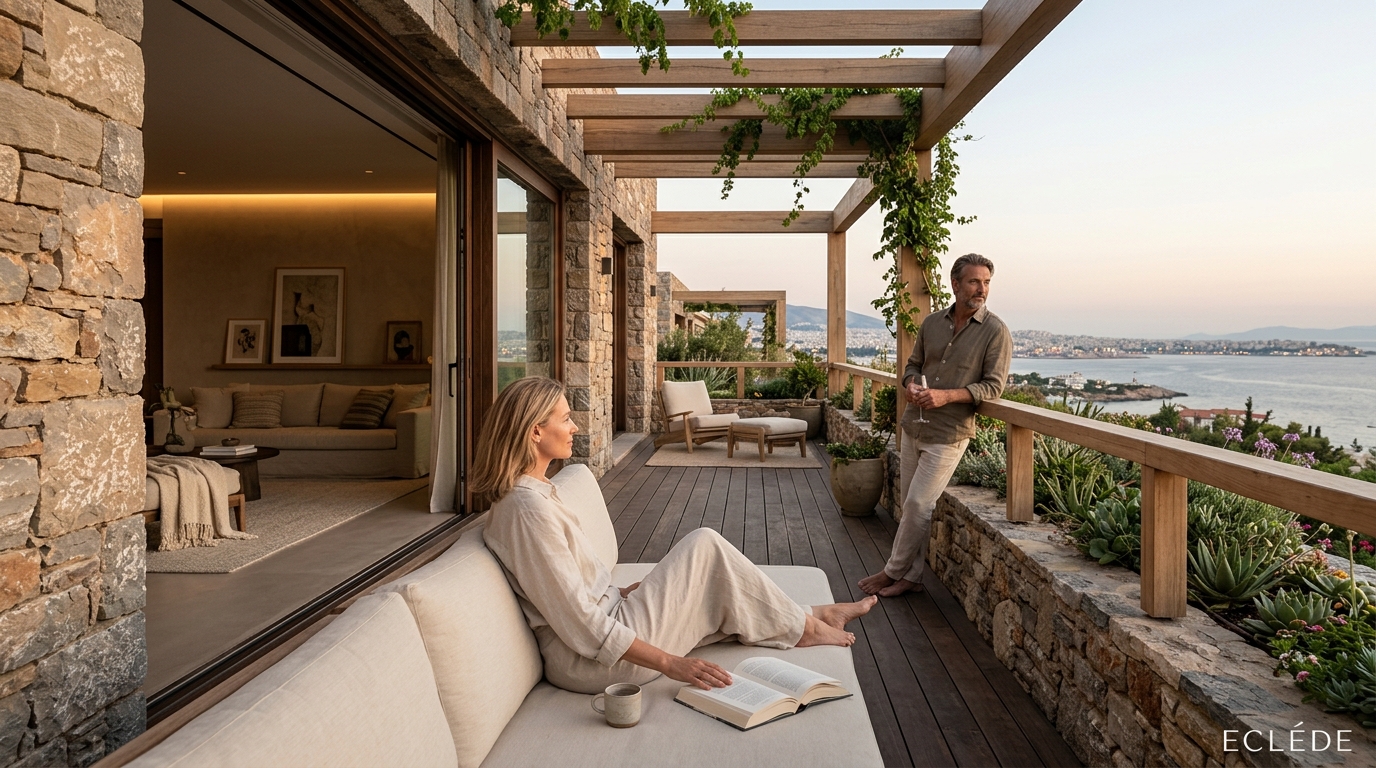
Biophilic design is the practice of connecting building occupants more closely to nature. This approach goes beyond simply adding plants to a room. It involves structural decisions that blur the lines between indoor and outdoor spaces. Large glass facades, natural ventilation pathways, and the use of raw, unprocessed materials are common tactics. The goal is to reduce stress and improve well-being for residents.
In luxury developments, this often manifests as seamless terraces that extend living areas into gardens. The architecture respects the topography rather than fighting it. This philosophy ensures that the building enhances the natural surroundings. It also reduces the energy load by using natural light and airflow to regulate temperature. For more insights on this philosophy, you can explore the founder's vision on sustainable living.
Passive Architecture and Energy Efficiency
Passive design is a strategy that uses the local climate to maintain comfortable indoor conditions. It relies on orientation, insulation, and thermal mass. By positioning a building to maximize winter sun and minimize summer heat, developers can drastically reduce heating and cooling needs. This is a critical component of sustainable luxury.
High-performance insulation and triple-glazed windows are standard in these projects. They prevent energy leakage while maintaining acoustic privacy. The result is a home that feels stable and quiet regardless of external weather conditions. This approach aligns with the portfolio of high-end developments that prioritize long-term value over short-term construction costs.
Thermal Mass and Insulation
Thermal mass refers to materials that absorb, store, and release heat. Concrete, stone, and brick are typical examples. In a luxury context, these materials are often exposed for aesthetic appeal. They help stabilize indoor temperatures, reducing the reliance on mechanical systems. This creates a more consistent and comfortable living environment.
Orientation and Shading
Proper orientation is the first step in passive design. Buildings are aligned to capture optimal sunlight. Overhangs and shading devices block high summer sun while allowing low winter sun to penetrate. This simple geometric adjustment can reduce energy consumption by up to 25%. It is a fundamental aspect of award-winning architectural design.
Material Selection and Circular Economy
The circular economy is an economic system aimed at eliminating waste and the continual use of resources. In construction, this means selecting materials that are durable, recyclable, and locally sourced. Luxury does not require virgin, imported marble. It can be achieved with reclaimed stone or locally quarried materials.
Using local materials reduces transportation emissions. It also supports the regional economy. Furthermore, durable materials last longer, reducing the need for replacement. This is a key principle in sustainable development news and industry reports.
Low-VOC Finishes
Low-Volatile Organic Compound (VOC) paints and adhesives are essential for indoor air quality. They prevent the release of harmful chemicals into the home. This is particularly important in tightly sealed, energy-efficient homes. Poor ventilation can lead to a buildup of these compounds. High-end developers prioritize non-toxic finishes to ensure resident health.
Reclaimed and Recycled Components
Reclaimed wood, recycled metal, and repurposed glass add character and history to a property. They reduce the demand for new resource extraction. In luxury design, these elements provide a unique narrative. Each piece is distinct, offering a bespoke aesthetic that mass-produced materials cannot match.
Smart Infrastructure and Prop-Tech
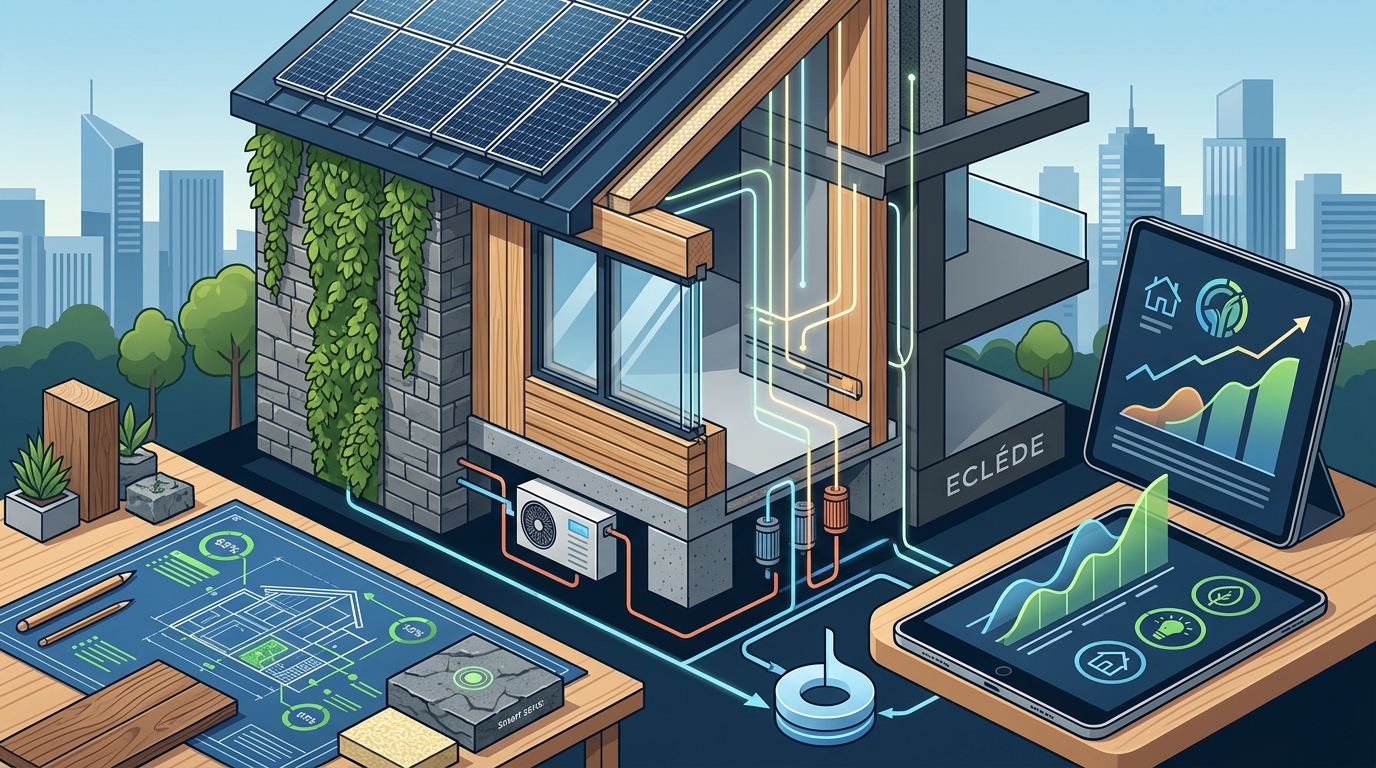
Prop-tech, or property technology, integrates digital systems into building management. This includes automated lighting, climate control, and security. These systems optimize energy use by adjusting to occupancy and natural light levels. They provide residents with convenience and control.
Smart meters and sensors monitor energy and water usage in real time. This data allows for immediate adjustments to reduce waste. It also provides transparency for the owner. For a deeper look at the technological integration in modern real estate, visit the links and resources section.
Automated Climate Control
Automated systems adjust heating and cooling based on weather forecasts and occupancy. They pre-condition a home before residents arrive. This ensures comfort without wasting energy. The integration of these systems is a hallmark of modern luxury development.
Integrated Security and Access
Smart security systems offer remote monitoring and access control. They enhance safety while providing peace of mind. Biometric access and video intercoms are standard in high-end properties. These technologies reduce the need for physical keys and increase overall security.
Advanced Water Management Systems
Water conservation is a critical aspect of sustainable design. Luxury properties often incorporate advanced systems to manage water usage. This includes rainwater harvesting and greywater recycling. These systems reduce the demand for municipal water supplies.
Rainwater harvesting collects water from roofs for irrigation and toilet flushing. Greywater recycling treats water from sinks and showers for reuse. These technologies are essential in regions with water scarcity. They also reduce the environmental impact of the property.
Rainwater Harvesting
Rainwater harvesting systems store water for later use. They are designed to capture and filter water efficiently. This reduces the strain on local water resources. It is a practical solution for maintaining gardens and landscapes.
Greywater Recycling
Greywater recycling treats wastewater from non-toilet sources. It is then reused for irrigation or toilet flushing. This system can reduce water usage by up to 50%. It is a key feature of ECLEDE's sustainable developments.
Comparative Analysis of Sustainable Features
Understanding the impact of different sustainable features helps buyers make informed decisions. The table below compares common elements in luxury sustainable properties.
| Feature | Primary Benefit | Implementation Complexity | Impact on Luxury Value |
|---|---|---|---|
| Biophilic Design | Enhanced well-being and aesthetic appeal | Medium | High |
| Passive Architecture | Reduced energy consumption | High | High |
| Smart Infrastructure | Convenience and efficiency | Medium | Medium |
| Water Recycling | Resource conservation | High | Medium |
| Local Materials | Reduced carbon footprint | Low | Medium |
Key Takeaways
- Biophilic design connects residents to nature, improving well-being and reducing energy loads.
- Passive architecture uses orientation and insulation to minimize mechanical heating and cooling needs.
- Material selection prioritizes durability and local sourcing to support the circular economy.
- Smart infrastructure integrates prop-tech for optimized energy use and enhanced security.
- Water management systems like rainwater harvesting reduce reliance on municipal supplies.
- Luxury and sustainability are no longer mutually exclusive; they are complementary.
- Long-term value is increased through lower operating costs and higher resale potential.
Frequently Asked Questions
What is biophilic design?
Biophilic design is the practice of connecting building occupants more closely to nature through architectural elements and natural materials.
How does passive architecture reduce energy use?
Passive architecture reduces energy use by using building orientation, insulation, and thermal mass to maintain comfortable temperatures without mechanical systems.
Why are local materials important in sustainable luxury?
Local materials reduce transportation emissions and support the regional economy while providing unique, durable finishes.
What is prop-tech in real estate?
Prop-tech, or property technology, refers to the integration of digital systems into building management for efficiency and convenience.
How do smart homes save energy?
Smart homes save energy by automating lighting, climate control, and security based on occupancy and real-time data.
What is greywater recycling?
Greywater recycling treats wastewater from sinks and showers for reuse in irrigation or toilet flushing.
Does sustainable design increase property value?
Yes, sustainable design increases property value through lower operating costs, higher resale potential, and enhanced aesthetic appeal.
Contact ECLEDE for Your Next Project
Creating a luxury sustainable property requires a deep understanding of both architectural aesthetics and environmental engineering. ECLEDE specializes in high-end, environmentally responsible developments that redefine modern living. If you are looking to build or invest in a property that balances opulence with responsibility, contact us today to discuss your vision.