
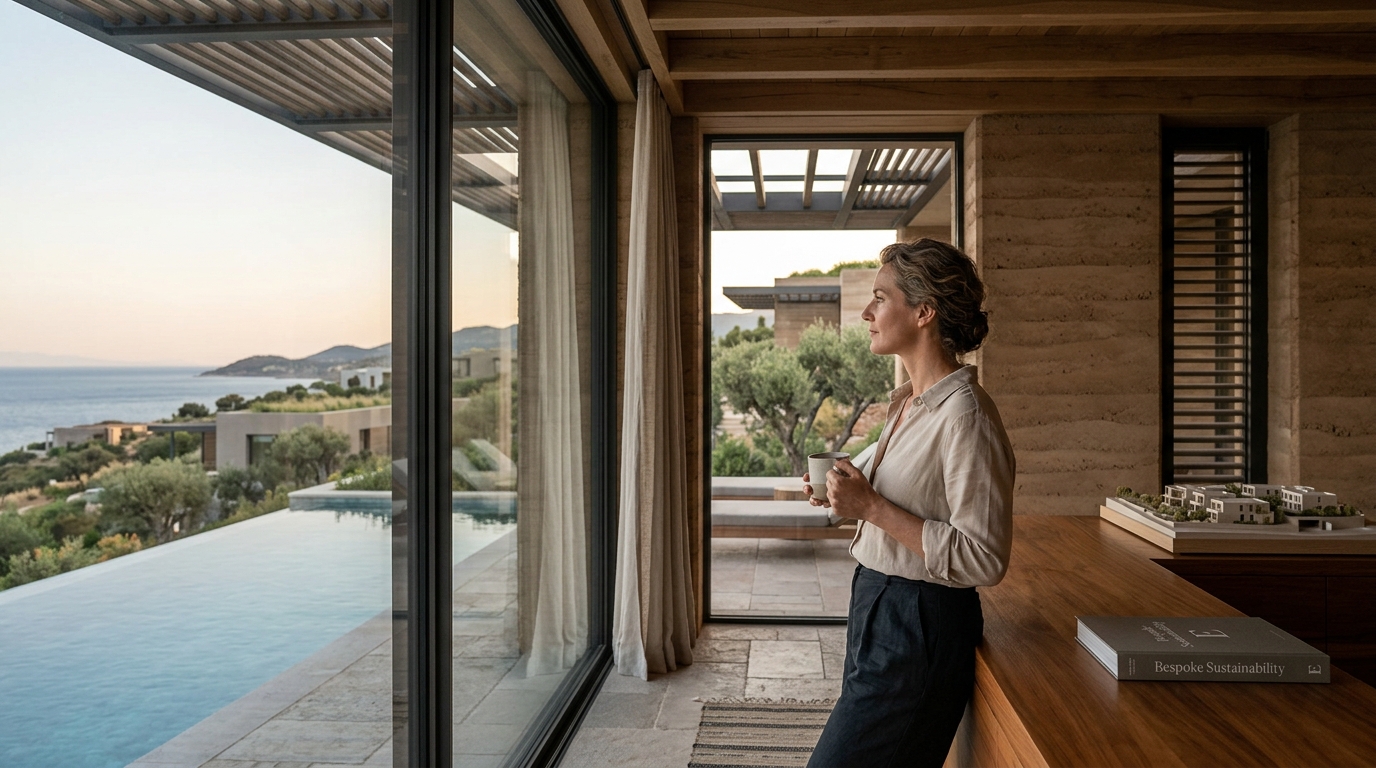
The global luxury real estate market is undergoing a fundamental shift. According to recent industry reports, over 60% of high-net-worth individuals now prioritize environmental sustainability when evaluating premium property investments. This data shows that luxury is no longer defined solely by square footage or location, but by the integration of energy-efficient systems, responsible material sourcing, and long-term ecological harmony. Buyers are increasingly aware that true opulence includes resilience against climate change and a reduced carbon footprint. This evolution demands a re-evaluation of what constitutes a sustainable luxury home.
Defining Sustainable Luxury
Before exploring alternatives, it is crucial to understand the core components of this emerging market segment. Sustainable luxury is not merely about adding solar panels to a traditional mansion. It represents a holistic design philosophy where environmental responsibility is woven into the structural DNA of the property. This approach ensures that the home operates in harmony with its natural surroundings while maintaining the highest standards of comfort and aesthetic refinement.
Minimalist architecture is a design approach that emphasizes simplicity, clean lines, and the elimination of unnecessary elements to focus on essential beauty. This style often correlates with sustainability because it reduces material waste and promotes efficient spatial usage. When combined with high-performance building envelopes, minimalist designs can significantly lower energy consumption without sacrificing visual impact.
Furthermore, the integration of smart home technology plays a pivotal role. Modern luxury buyers expect seamless automation that manages heating, cooling, and lighting to optimize energy use. This technological layer ensures that the property remains efficient throughout its lifecycle, providing both convenience and cost savings. The intersection of inspiration, functionality, and responsibility defines the modern sustainable estate.
Architectural Philosophies to Consider
For those seeking alternatives to traditional luxury developments, several distinct architectural philosophies offer compelling value propositions. Each approach addresses sustainability through different mechanisms, from material selection to energy generation.
Biophilic Design Integration
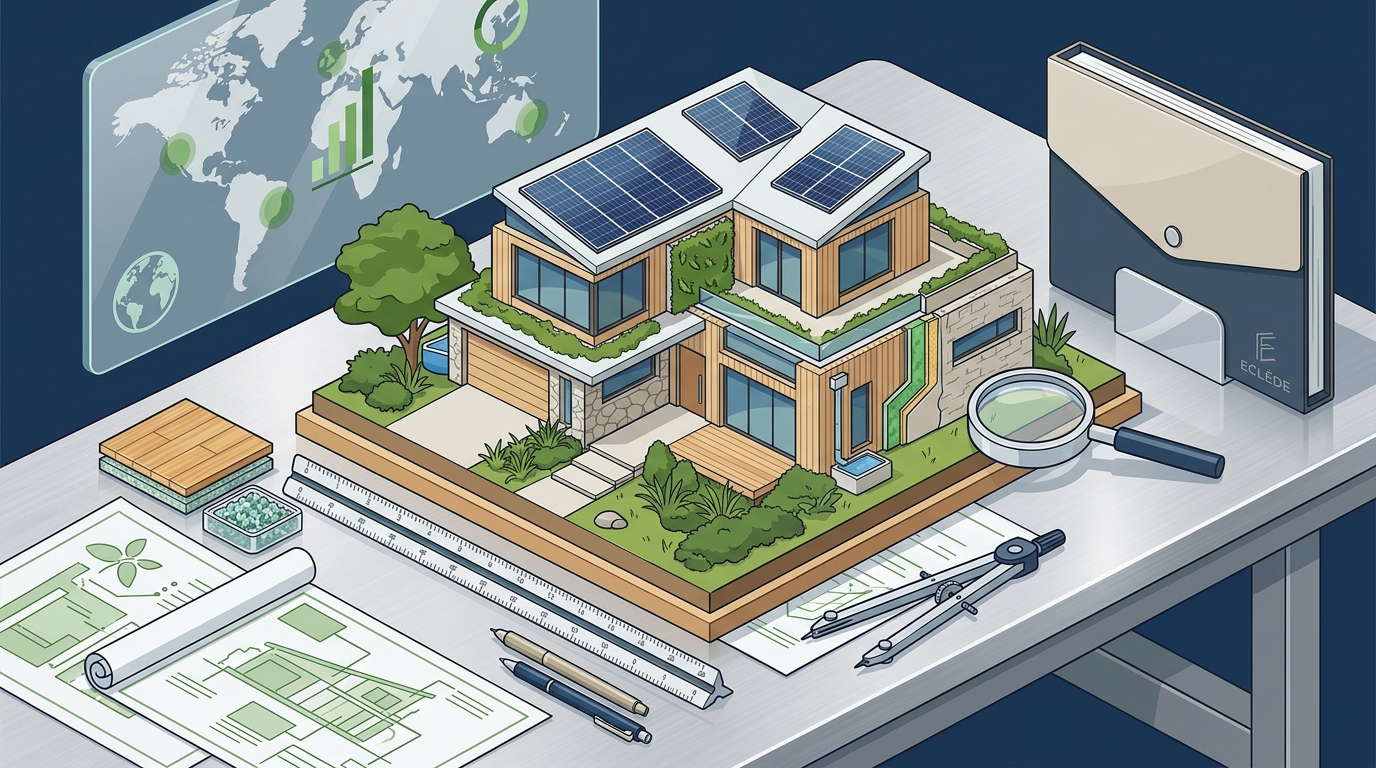
Biophilic design focuses on connecting occupants more closely to nature. This philosophy utilizes natural light, ventilation, and organic materials to create spaces that feel alive. Properties built with this mindset often feature extensive green roofs, living walls, and large glass facades that blur the boundary between indoors and outdoors. The result is a home that promotes well-being while reducing the urban heat island effect.
Passive House Standards
Another robust alternative is the Passive House standard. This rigorous building science approach focuses on extreme energy efficiency through superior insulation, airtight construction, and heat recovery ventilation. Homes adhering to these standards can reduce heating and cooling energy needs by up to 90%. For luxury buyers, this means unparalleled comfort with minimal environmental impact. The initial investment is higher, but the long-term operational savings are substantial.
Adaptive Reuse and Restoration
Sustainability also lies in preservation. Adaptive reuse involves transforming existing structures, such as historic estates or industrial buildings, into modern luxury residences. This approach preserves the cultural heritage of a location while avoiding the massive carbon emissions associated with new construction. It offers a unique narrative and character that new builds often lack. The charm of aged materials combined with cutting-edge sustainable technology creates a distinctive living experience.
Comparison of Development Approaches
To help you navigate these alternatives, it is helpful to compare the key characteristics of different sustainable luxury development models. Each option offers distinct advantages depending on your priorities regarding aesthetics, technology, and heritage.
| Development Model | Primary Sustainability Focus | Aesthetic Characteristic | Best For |
|---|---|---|---|
| Minimalist Modern | Energy efficiency and clean lines | Clean, uncluttered, and serene | Buyers seeking contemporary elegance |
| Biophilic Estate | Natural integration and air quality | Organic, lush, and immersive | Those prioritizing wellness and nature |
| Passive House Luxury | Extreme energy conservation | Modern and highly technical | Data-driven efficiency seekers |
| Adaptive Reuse | Material preservation and heritage | Historic charm with modern tech | Buyers valuing unique narratives |
When evaluating these options, consider the long-term value. According to market analysis, properties with certified green features often command a premium in resale value. This trend is particularly strong in regions with strict environmental regulations. Investors are increasingly recognizing that sustainable homes are future-proof assets.
Key Takeaways
- Market Shift: Over 60% of high-net-worth individuals now prioritize sustainability in luxury purchases.
- Design Philosophy: Minimalist architecture reduces material waste while enhancing aesthetic clarity.
- Efficiency Standards: Passive House standards can reduce energy needs by up to 90%.
- Biophilic Benefits: Integrating nature improves occupant well-being and reduces environmental impact.
- Heritage Value: Adaptive reuse preserves cultural history while lowering construction emissions.
- Investment Logic: Green-certified properties often show stronger resilience in resale markets.
- Tech Integration: Smart home systems are essential for optimizing energy use in luxury estates.
Frequently Asked Questions
What is the primary difference between green luxury and traditional luxury?
Green luxury integrates environmental responsibility into the core design and operation of the home, whereas traditional luxury often focuses on opulence and materials without regard for ecological impact. Green luxury prioritizes energy efficiency, sustainable sourcing, and long-term resilience.
Are sustainable luxury homes more expensive to maintain?
No, they are typically less expensive to maintain. High-performance insulation, efficient HVAC systems, and smart energy management significantly reduce utility bills. The initial construction cost may be higher, but the operational savings accumulate over time.
What is biophilic design in the context of real estate?
Biophilic design is an architectural approach that seeks to connect building occupants more closely to nature through the use of natural light, ventilation, and organic materials to enhance well-being.
How does adaptive reuse contribute to sustainability?
Adaptive reuse contributes by preserving existing structures, which avoids the massive carbon emissions associated with demolishing old buildings and constructing new ones from scratch. It also retains the cultural heritage of a location.
Is Passive House certification necessary for a sustainable luxury home?
While not strictly necessary, Passive House certification provides a rigorous standard for energy efficiency. It ensures that the home meets the highest benchmarks for comfort and energy conservation, which is a significant selling point for eco-conscious buyers.
What role does technology play in sustainable luxury?
Technology plays a critical role through smart home automation, which optimizes heating, cooling, and lighting. This ensures that energy is used only when and where needed, maximizing efficiency without compromising comfort.
Explore Sustainable Luxury Developments
If you are ready to explore high-end, environmentally responsible developments that redefine modern living, consider the visionary work of Vassilis Siafaricas. As the Founder and Managing Director of ECLÉDE, he leads the creation of projects that balance architecture, sustainability, and long-term investment value. His approach bridges technical precision with creative vision, delivering homes that are both aesthetically refined and functionally intelligent. To learn more about his portfolio and philosophy, visit the about page or review the featured projects. For direct inquiries regarding potential collaborations or investments, please use the contact page to connect with the team.