
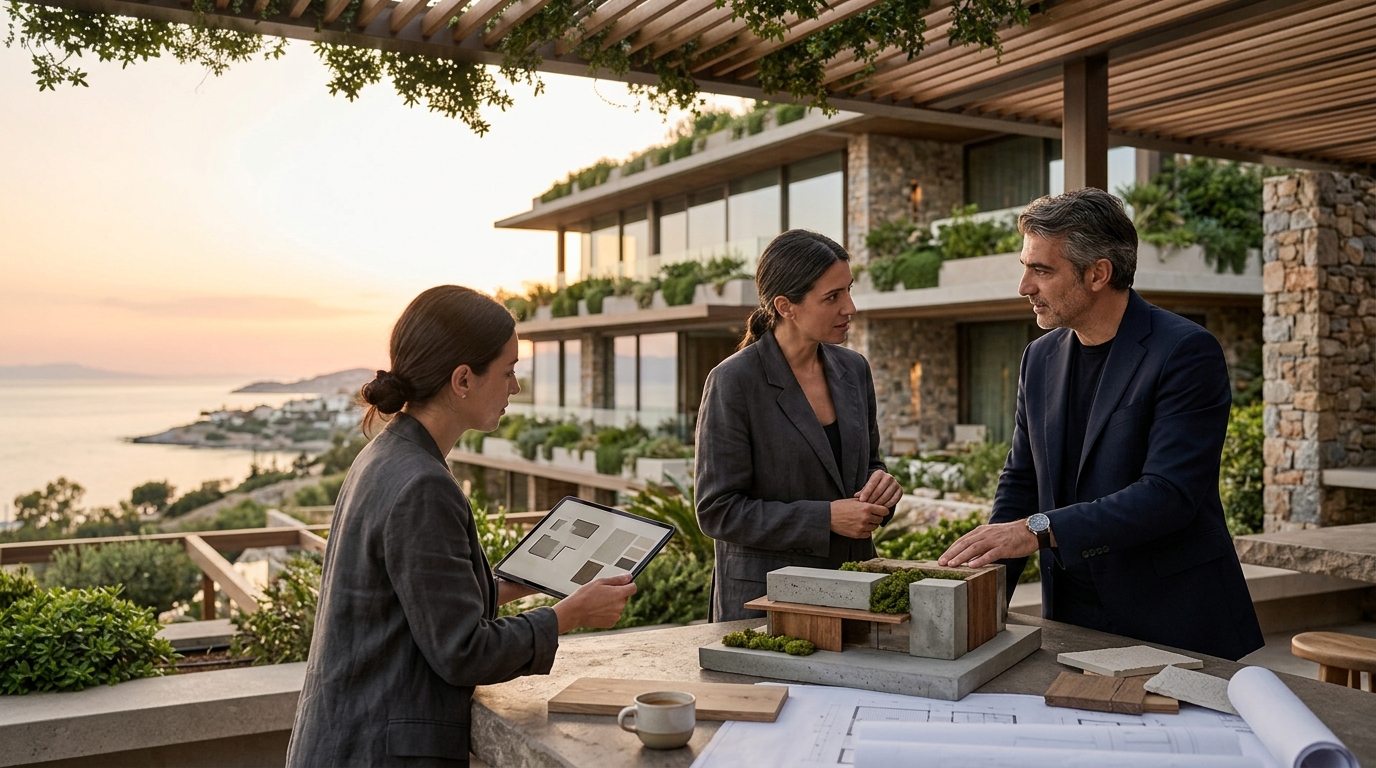
The luxury real estate market is undergoing a seismic shift. Sustainability is no longer a niche preference but a core component of high-end property value. According to recent industry reports, green-certified luxury homes in prime markets command a premium of up to 20% over conventional properties. This data shows that environmental responsibility directly correlates with financial performance. However, integrating these standards into high-net-worth developments presents unique hurdles. Developers must balance aesthetic grandeur with ecological efficiency. This guide explores the primary obstacles and the strategic frameworks needed to overcome them.
The Cost vs. Value Dilemma
One of the most persistent challenges in sustainable luxury development is the initial capital expenditure. High-performance materials, such as triple-glazed windows and advanced insulation systems, often carry a higher upfront cost than traditional alternatives. Developers frequently struggle to justify these expenses to investors who prioritize short-term returns. However, the long-term operational savings and increased asset valuation typically offset these initial outlays.
Addressing this challenge requires a shift in financial modeling. Instead of focusing solely on construction costs, stakeholders must evaluate the total cost of ownership. This includes energy savings, maintenance reductions, and the potential for higher rental yields or sale prices. Life-cycle cost analysis is the standard method for demonstrating this value. By projecting energy consumption over a 30-year period, developers can prove that sustainable features pay for themselves. This approach aligns with the philosophy of long-term investment value, ensuring that every project enhances both human experience and environmental harmony.
For more insights on financial modeling in real estate, see NAR Housing Economics.
Supply Chain and Material Sourcing
Luxury developments demand the highest quality materials, which can be difficult to source sustainably. Traditional supply chains for stone, timber, and metals often lack transparency regarding their environmental impact. Sourcing ethically harvested timber or low-carbon concrete requires rigorous vetting of suppliers. This process can delay project timelines and increase administrative burdens.
To address this, developers must establish direct relationships with certified suppliers. Chain of custody certification ensures that materials are tracked from their origin to the construction site. This verification process guarantees that the wood used in flooring or the stone in facades meets strict environmental standards. Additionally, local sourcing can reduce the carbon footprint associated with transportation. By prioritizing regional suppliers, developers can support local economies while minimizing logistical emissions.
For detailed standards on material sourcing, refer to Forest Stewardship Council guidelines.
Technology Integration and Smart Systems
Modern sustainable luxury homes rely heavily on smart technology for energy management. Integrating HVAC systems, lighting, and security into a unified platform is complex. The challenge lies in ensuring interoperability between different vendors and devices. Incompatibility can lead to system failures or inefficient energy use, undermining the sustainability goals.
The solution lies in adopting open-standard protocols. Developers should specify systems that communicate seamlessly, such as those using Matter or Zigbee standards. This approach allows for centralized control and real-time monitoring of energy consumption. Building Information Modeling (BIM) is essential during the design phase to plan these integrations accurately. BIM allows architects and engineers to simulate energy performance before construction begins. This predictive capability helps identify potential inefficiencies and optimize system design.
Learn more about building simulation tools from ASHRAE.
Navigating Regulatory Compliance
Regulatory frameworks for sustainable building vary significantly by region. In Greece, where many luxury developments are located, compliance with energy performance certificates is mandatory. However, local codes may not always align with international sustainability standards like LEED or BREEAM. Developers must navigate this landscape carefully to ensure their projects meet both local requirements and global best practices.
Proactive engagement with local authorities is key. Early consultation with building inspectors and energy auditors can prevent costly redesigns. Additionally, pursuing third-party certifications can provide a clear roadmap for compliance. These certifications offer a recognized benchmark for sustainability, enhancing the property's marketability. Energy Performance Certificate (EPC) ratings are a critical metric in many European markets, influencing buyer decisions directly.
For information on European energy standards, visit Eurostat.
Preserving Design Aesthetics
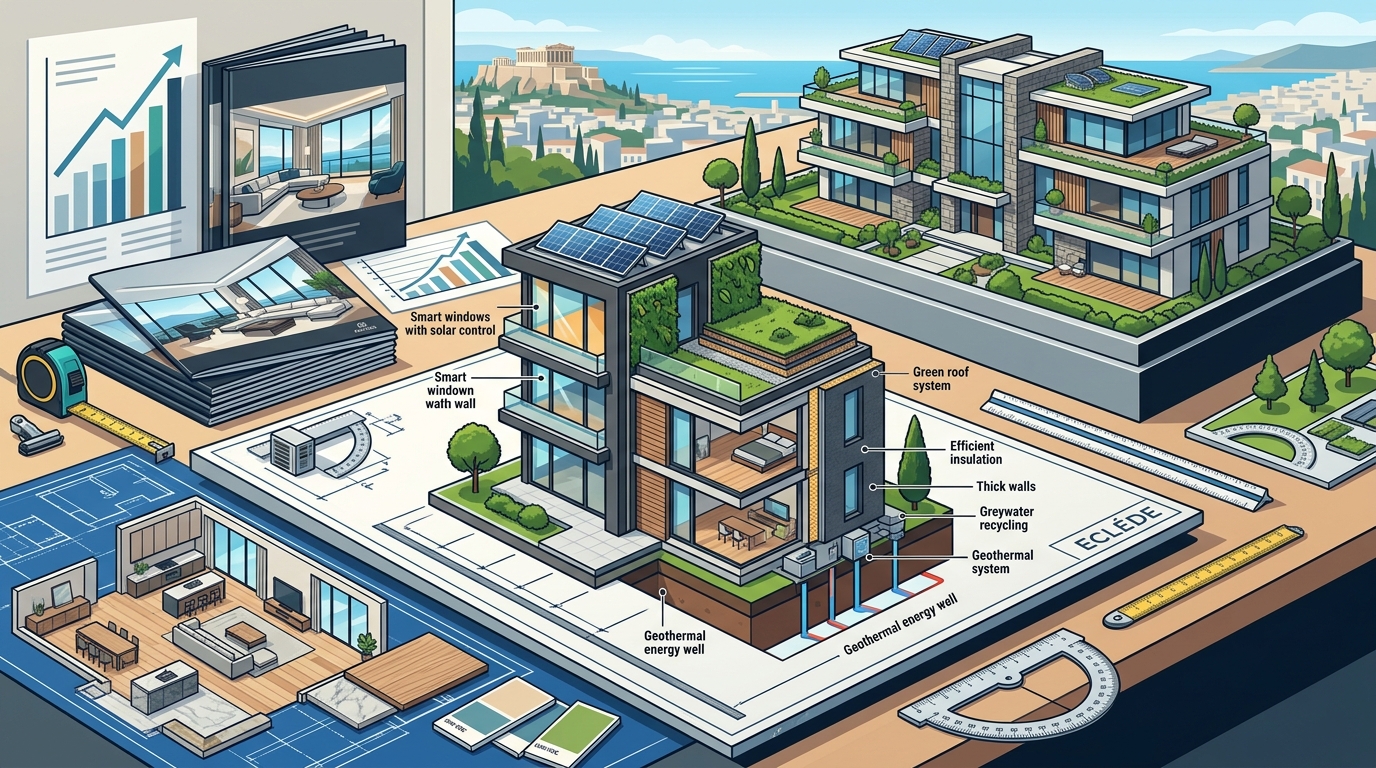
A common misconception is that sustainable design compromises luxury aesthetics. In reality, sustainability can enhance architectural beauty. The challenge is to integrate green features invisibly. For example, solar panels must be designed to complement the roofline rather than detract from it. Similarly, green roofs must be planned to maintain the intended landscape architecture.
Collaboration between architects and sustainability consultants is vital from the earliest stages. This interdisciplinary approach ensures that environmental goals are woven into the design narrative. Biophilic design principles can be used to connect occupants with nature, improving well-being while reducing energy use. Natural ventilation, daylight harvesting, and indoor plants are examples of features that serve both aesthetic and functional purposes. This holistic approach ensures that each project is both aesthetically refined and functionally intelligent.
Explore biophilic design principles at Well Coordinators.
Strategic Comparison of Sustainability Approaches
| Approach | Primary Benefit | Implementation Complexity | Cost Impact |
|---|---|---|---|
| Passive Design | Reduced energy load | High (Early Stage) | Low to Medium |
| Active Systems | Real-time optimization | Medium | Medium to High |
| Material Sourcing | Lower embodied carbon | High (Logistics) | Variable |
| Certification | Market differentiation | Low (Administrative) | Fixed Fee |
Key Takeaways
- Financial Justification: Use life-cycle cost analysis to demonstrate long-term value to investors.
- Supply Chain Transparency: Prioritize certified suppliers to ensure ethical material sourcing.
- Technology Interoperability: Adopt open standards to ensure seamless smart home integration.
- Regulatory Alignment: Engage with local authorities early to navigate compliance efficiently.
- Aesthetic Integration: Collaborate with architects to embed sustainability into the design narrative.
- Market Premium: Green-certified homes command higher resale values and rental yields.
- Brand Authority: Sustainable practices enhance developer reputation and client trust.
Frequently Asked Questions
What is the primary barrier to sustainable luxury development?
The primary barrier is often the perceived high upfront cost of green materials and technologies. However, long-term operational savings and increased asset value typically offset these initial investments.
How does biophilic design enhance sustainability?
Biophilic design connects occupants with nature, improving well-being and reducing energy use through natural ventilation and daylight harvesting.
What is the role of Building Information Modeling (BIM)?
BIM allows for the simulation of energy performance during the design phase, helping to identify inefficiencies and optimize system design before construction.
Why is material sourcing critical in luxury real estate?
Luxury buyers demand the highest quality materials. Sustainable sourcing ensures these materials are ethically produced and have a lower environmental impact.
How do certifications impact property value?
Certifications like LEED or BREEAM provide a recognized benchmark for sustainability, enhancing marketability and often commanding a price premium.
What is an Energy Performance Certificate (EPC)?
An EPC rates a building's energy efficiency on a scale from A to G, influencing buyer decisions and regulatory compliance in many markets.
How can developers ensure technology interoperability?
By specifying open-standard protocols such as Matter or Zigbee, developers can ensure that different smart home devices communicate seamlessly.
Transform Your Vision into Sustainable Reality
Implementing sustainable design in luxury real estate requires expertise, vision, and a commitment to excellence. At ECLÉDE, we specialize in creating high-end, environmentally responsible developments that redefine modern living. Our approach balances architectural beauty with ecological efficiency, ensuring long-term investment value. Contact us today to discuss your next project and discover how we can bring your vision to life. Visit our contact page to start the conversation.