
What Unique Design Elements Does a Luxury Real Estate Developer Incorporate into Sustainable Properties?
The intersection of high-end luxury and environmental responsibility is no longer a niche market but a defining standard for modern architectural excellence. According to recent industry analyses, the global green building market is projected to grow significantly through 2030, driven by a demand for properties that offer both aesthetic grandeur and ecological efficiency. This shift is not merely regulatory but cultural, with affluent buyers seeking homes that reflect their values without compromising on comfort or style. The unique design elements that define this sector go far beyond standard solar panels or recycled materials. They involve a holistic integration of biophilic principles, advanced energy systems, and bespoke craftsmanship that redefines what it means to live sustainably in luxury.
Biophilic Integration and Natural Harmony
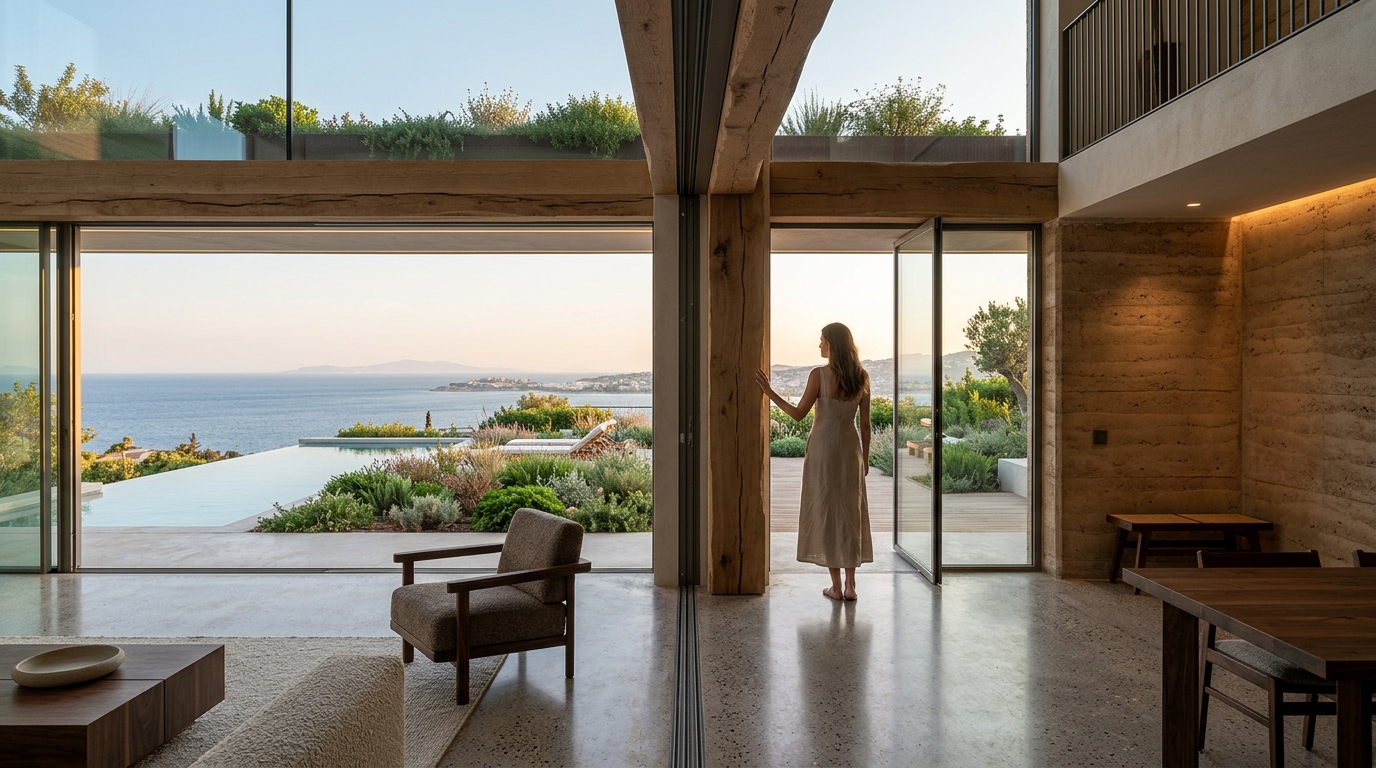
At the core of sustainable luxury design is the concept of biophilia, which seeks to reconnect inhabitants with the natural world. This is not simply about adding plants to a room. It is about creating a seamless flow between interior spaces and the surrounding landscape. In high-end developments, this often manifests as floor-to-ceiling glazing that eliminates visual barriers, allowing natural light to penetrate deep into the structure. This design choice reduces the need for artificial lighting during the day, thereby lowering energy consumption.
Another critical element is the use of natural ventilation strategies. By designing building orientations and window placements to capture prevailing winds, developers can reduce reliance on mechanical cooling systems. This approach requires a deep understanding of local microclimates and seasonal weather patterns. The result is a home that breathes, maintaining fresh air quality and thermal comfort through passive design rather than active energy expenditure.
Furthermore, sustainable luxury properties often incorporate living walls or green roofs. These features provide natural insulation, reduce the urban heat island effect, and manage stormwater runoff. They also serve as aesthetic focal points, enhancing the property's value through unique visual appeal. The integration of native landscaping further supports local biodiversity while reducing the need for water-intensive maintenance.
Advanced Energy and Climate Control Systems
Energy efficiency in luxury real estate is achieved through a combination of passive design and active technology. One of the most significant elements is the use of high-performance building envelopes. This includes triple-glazed windows, advanced insulation materials, and airtight construction techniques that prevent thermal bridging. These components work together to maintain a stable indoor temperature regardless of external weather conditions.
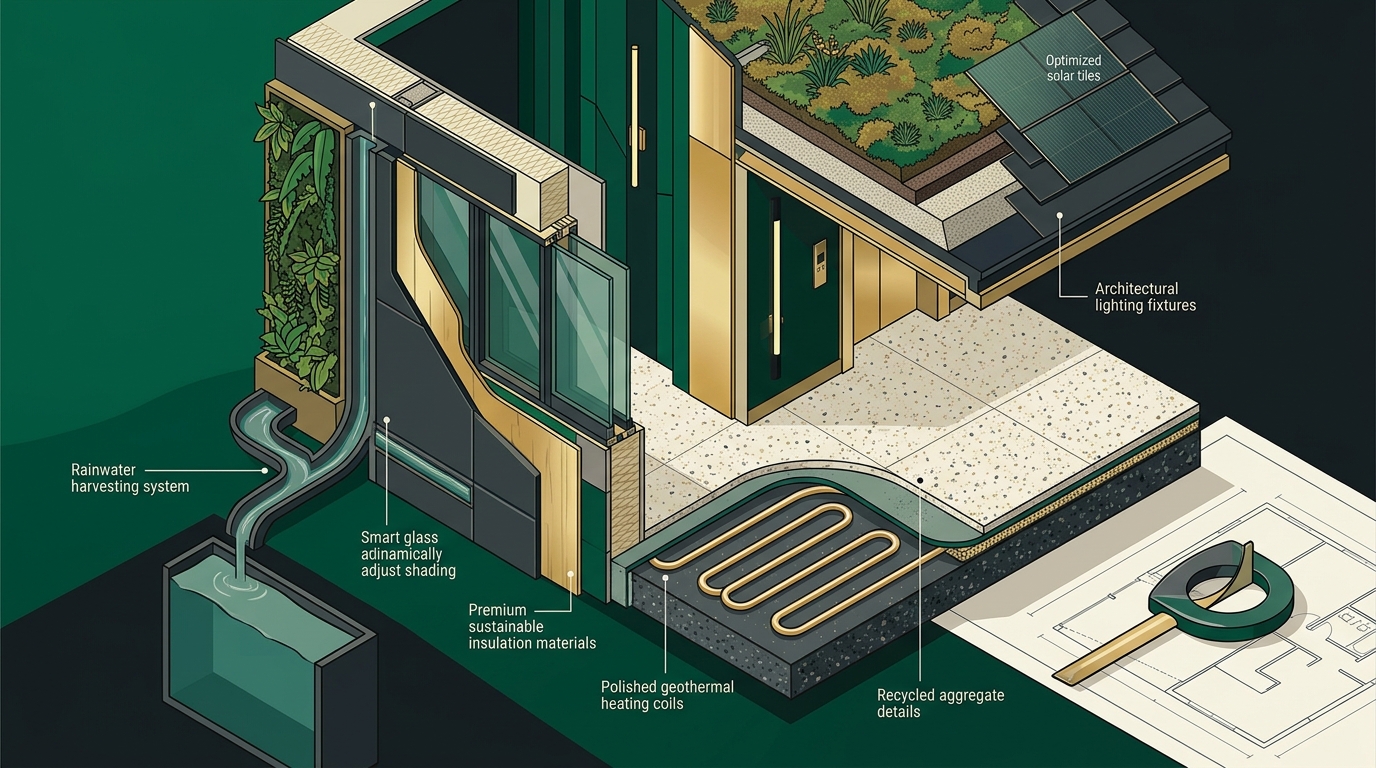
Heating and cooling systems in these properties are often powered by renewable sources. Ground-source heat pumps, for example, utilize the constant temperature of the earth to provide efficient heating and cooling. This technology is significantly more efficient than traditional air-source systems, especially in extreme climates. Additionally, photovoltaic systems are increasingly integrated into the architecture itself, such as solar tiles that blend seamlessly with the roof design.
Thermal mass is another key concept. By using materials like concrete or stone in strategic locations, buildings can absorb heat during the day and release it at night. This natural regulation of temperature reduces the load on HVAC systems. The design must carefully balance these elements to ensure that the property remains comfortable and energy-efficient year-round.
Sustainable Materiality and Craftsmanship
The choice of materials in sustainable luxury development is paramount. It is not enough for a material to be eco-friendly; it must also offer durability, beauty, and low maintenance. Reclaimed wood, recycled steel, and natural stone are common choices that add character and history to a property. These materials often have a lower embodied carbon footprint compared to newly manufactured alternatives.
Low-VOC (Volatile Organic Compounds) paints and finishes are standard in high-end sustainable homes. These products improve indoor air quality by reducing the emission of harmful chemicals. This is particularly important in tightly sealed, energy-efficient homes where ventilation is critical. The use of natural plasters and clay finishes also contributes to humidity regulation and aesthetic warmth.
Craftsmanship plays a vital role in the longevity of these materials. Sustainable luxury is about building for the long term. Durable materials that age gracefully reduce the need for frequent renovations and replacements. This approach aligns with the principles of circular economy, where resources are kept in use for as long as possible. The result is a property that maintains its value and beauty over decades.
Innovative Water Management Strategies
Water conservation is a critical component of sustainable design, especially in regions prone to drought. Luxury properties often incorporate greywater recycling systems that capture water from sinks and showers for use in irrigation and toilet flushing. This reduces the demand for potable water and lowers utility bills.
Rainwater harvesting is another common feature. Large collection systems store rainwater for landscape irrigation and other non-potable uses. This strategy not only conserves water but also reduces stormwater runoff, which can cause erosion and pollution in local waterways. The design of these systems must be discreet yet functional, blending with the overall aesthetic of the property.
Xeriscaping, or drought-tolerant landscaping, is increasingly popular in sustainable luxury homes. This approach uses native plants that require minimal water and maintenance. It creates a landscape that is resilient to climate change while still offering visual interest and privacy. The integration of permeable paving materials further enhances water management by allowing rain to infiltrate the ground rather than running off.
Smart Technology and Operational Efficiency
Technology is the backbone of modern sustainable luxury. Smart home systems allow homeowners to monitor and control energy usage in real time. This includes lighting, HVAC, and security systems that can be automated to optimize efficiency. For example, lights can be programmed to turn off when rooms are unoccupied, and thermostats can adjust based on occupancy and weather forecasts.
Energy monitoring dashboards provide detailed insights into consumption patterns. This data empowers homeowners to make informed decisions about their energy use. Some systems even integrate with utility providers to take advantage of time-of-use pricing, shifting energy-intensive tasks to off-peak hours. This level of control is a key selling point for tech-savvy luxury buyers.
Additionally, smart technology enhances comfort and convenience. Automated shading systems can adjust window blinds to block heat during the day and allow light in during the evening. This reduces the need for air conditioning while maintaining views and natural light. The integration of these technologies must be seamless, ensuring that they enhance rather than complicate the living experience.
Comparing Traditional vs. Sustainable Luxury Features
Understanding the differences between traditional luxury and sustainable luxury helps clarify the value proposition of eco-friendly design. Traditional luxury often focuses on opulence and exclusivity, sometimes at the expense of efficiency. Sustainable luxury redefines opulence to include health, comfort, and environmental stewardship.
| Feature Category | Traditional Luxury Approach | Sustainable Luxury Approach |
|---|---|---|
| Energy Source | Grid-dependent, fossil fuel-based | Renewable integration, net-zero capable |
| Materials | Novel, high-embodied carbon materials | Reclaimed, low-VOC, durable materials |
| Water Usage | High consumption, minimal conservation | Greywater recycling, rainwater harvesting |
| Indoor Air Quality | Standard ventilation, potential VOCs | Advanced filtration, low-emission finishes |
| Long-term Value | Dependent on market trends | Resilient, lower operating costs |
Key Takeaways
- Biophilic Design: Seamless integration of nature through glazing, ventilation, and green spaces enhances well-being and reduces energy use.
- Energy Efficiency: High-performance envelopes and renewable systems like ground-source heat pumps are standard in sustainable luxury.
- Material Selection: Durable, low-impact materials such as reclaimed wood and natural stone ensure longevity and aesthetic appeal.
- Water Conservation: Greywater recycling and xeriscaping are critical for resilience in water-scarce regions.
- Smart Integration: Automated systems optimize comfort and efficiency, providing real-time control over home operations.
- Value Proposition: Sustainable luxury offers lower operating costs and higher resilience, appealing to modern affluent buyers.
- Craftsmanship: Attention to detail in construction ensures that sustainable features are both functional and beautiful.
Frequently Asked Questions
What is the primary benefit of biophilic design in luxury homes?
Biophilic design improves occupant well-being by connecting them with nature, while also reducing energy consumption through passive cooling and natural lighting strategies.
How do sustainable luxury homes manage water usage?
They utilize greywater recycling systems, rainwater harvesting, and drought-tolerant landscaping to minimize potable water consumption and stormwater runoff.
Are sustainable materials as durable as traditional luxury materials?
Yes, sustainable materials like natural stone and reclaimed wood are often chosen for their durability and ability to age gracefully, offering long-term value.
What role does smart technology play in sustainable luxury?
Smart technology automates energy use, monitors consumption, and optimizes comfort, ensuring that the home operates efficiently without sacrificing convenience.
Is sustainable luxury more expensive to build?
While initial costs can be higher, the long-term savings on energy and water bills, along with increased property value, often offset the investment.
How does high-performance glazing contribute to sustainability?
Triple-glazed windows provide superior insulation, reducing heat loss in winter and heat gain in summer, which lowers the demand for heating and cooling.
What is the importance of low-VOC finishes?
Low-VOC finishes improve indoor air quality by reducing the emission of harmful chemicals, creating a healthier living environment for occupants.
Start Your Sustainable Luxury Project
Creating a property that embodies both luxury and sustainability requires a visionary approach and technical precision. At ECLEDE, we specialize in high-end, environmentally responsible developments that redefine modern living. Our philosophy centers on minimal, clean architectural lines and seamless integration with natural surroundings. We invite you to explore our portfolio to see how we balance aesthetics with ecological responsibility. For more insights on our approach, visit our about page. To discuss your next project, please contact us today.