
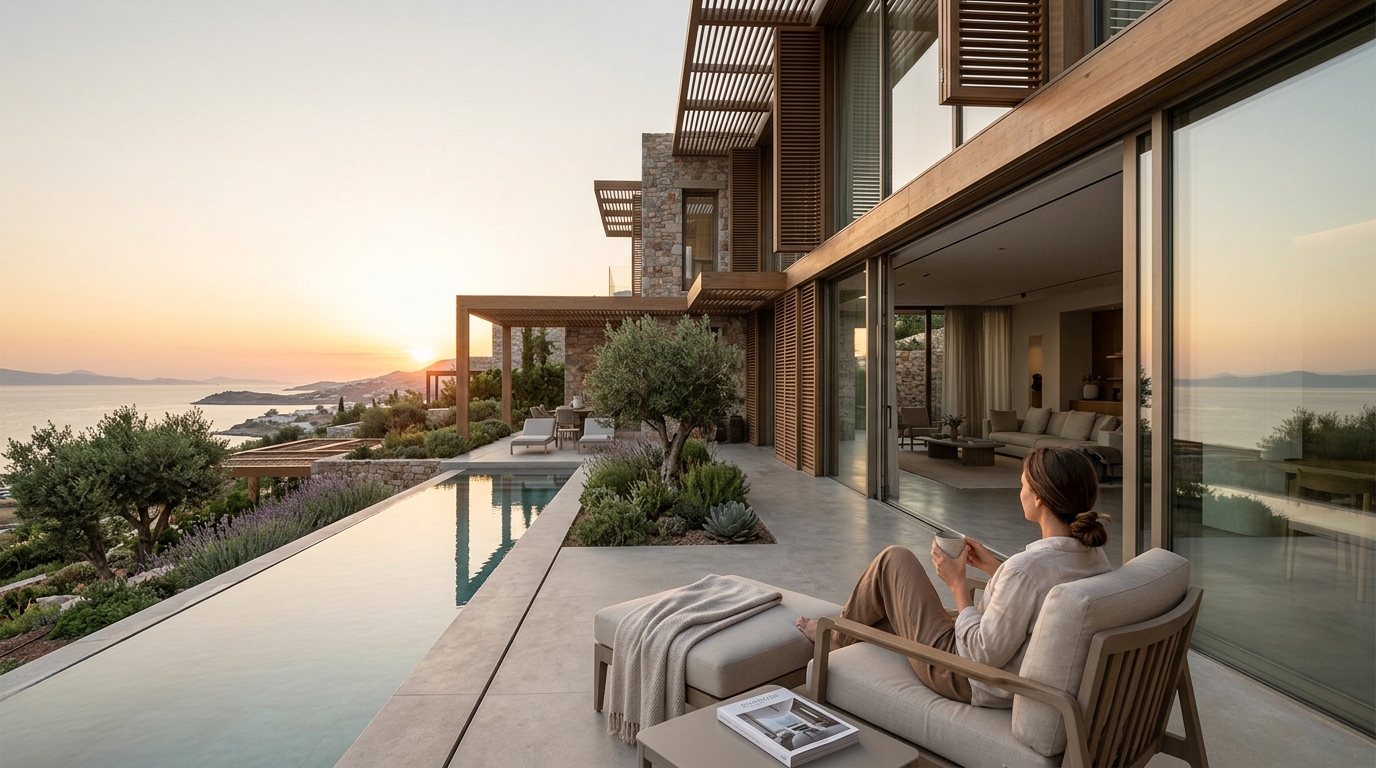
The global shift toward environmentally responsible architecture is no longer a niche trend but a fundamental requirement for modern luxury. According to recent industry analyses, the demand for energy-efficient homes has grown by over 40% in the last five years, driven by both regulatory pressures and a conscious desire for long-term investment value. This evolution redefines what it means to live in luxury, moving beyond opulent finishes to prioritize harmony with the natural environment. At the intersection of civil engineering precision and creative vision, bioclimatic design offers a pathway to create residences that are not only aesthetically refined but also functionally intelligent.
What Is Bioclimatic Design?
Bioclimatic architecture is a design approach that adapts building construction to the specific local climate to optimize energy efficiency and comfort. It is a holistic methodology that treats the building as a living organism, responding to sunlight, wind, and temperature variations. This philosophy centers on minimal, clean architectural lines that seamlessly integrate with natural surroundings. By leveraging passive solar gain and natural ventilation, these structures significantly reduce reliance on mechanical heating and cooling systems.
For luxury residences, this approach does not compromise on aesthetics. Instead, it enhances the living experience by creating spaces that feel inherently connected to their environment. The result is a home that offers superior thermal comfort while maintaining a low carbon footprint. This balance of inspiration, functionality, and responsibility is the cornerstone of modern high-end development.
Core Principles of Sustainable Luxury
Implementing bioclimatic principles in a luxury context requires a deep understanding of site-specific dynamics. The goal is to maximize natural resources while minimizing environmental impact. This involves a rigorous analysis of solar paths, prevailing winds, and topography during the earliest stages of planning.
Solar Orientation and Passive Gain
The orientation of a luxury residence is critical for energy performance. In the northern hemisphere, south-facing facades capture maximum solar radiation during winter, providing natural warmth. Conversely, strategic shading devices prevent overheating in summer. This dynamic control ensures consistent indoor temperatures year-round. High-performance glazing systems further enhance this effect by allowing light penetration while blocking harmful ultraviolet rays.
Natural Ventilation and Airflow
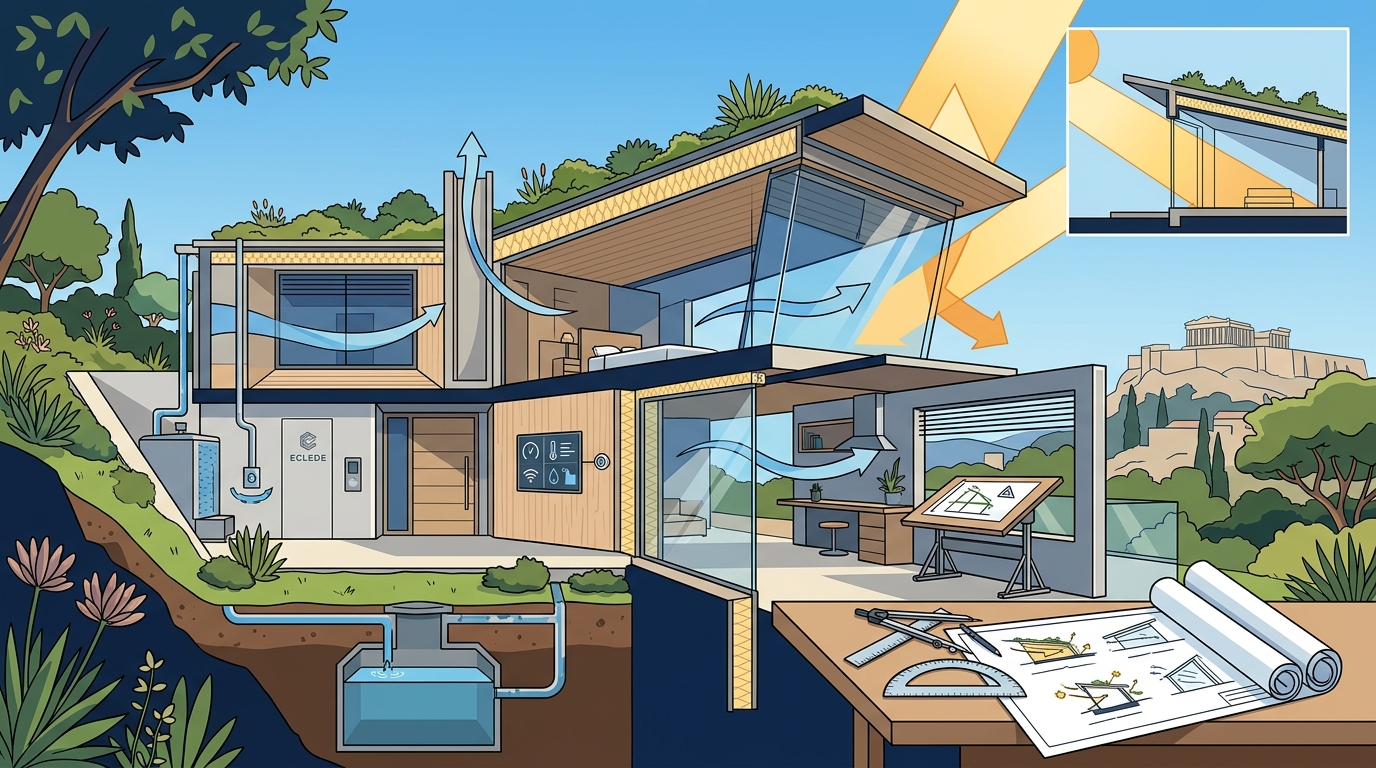
Effective airflow is essential for maintaining air quality and thermal comfort. Bioclimatic designs utilize the stack effect, where warm air rises and exits through high-level vents, drawing cooler air in from lower openings. This natural circulation reduces the need for air conditioning. In luxury settings, this is achieved through carefully placed operable windows, skylights, and atriums that facilitate cross-ventilation without compromising privacy or security.
Thermal Mass and Insulation
Thermal mass materials, such as stone, concrete, or rammed earth, absorb heat during the day and release it at night. This stabilizes indoor temperatures and reduces energy spikes. Combined with high-grade insulation, these materials create a tight building envelope. This envelope prevents heat loss in winter and heat gain in summer, ensuring that the luxury interior remains a sanctuary of comfort regardless of external weather conditions.
Key Design Strategies for High-End Homes
Translating bioclimatic theory into a luxury residence involves specific architectural strategies. These strategies must align with the homeowner’s lifestyle while adhering to sustainable goals. The integration of technology and nature is paramount in this process.
Integration with Natural Surroundings
Luxury is often defined by the quality of the view and the sense of space. Bioclimatic design enhances this by blurring the boundaries between indoors and outdoors. Large sliding glass walls, terraces, and green roofs extend living spaces into the landscape. This seamless integration not only improves mental well-being but also reduces the visual impact of the structure on the environment. It creates a sense of place that is unique to the location.
Smart Home Technology for Energy Management
Modern luxury residences rely on intelligent systems to manage energy consumption. Building Management Systems (BMS) monitor and control lighting, HVAC, and shading devices in real-time. These systems learn from user behavior and environmental data to optimize performance. For example, automated blinds adjust based on sun intensity to maintain optimal temperatures. This level of control ensures that energy is used only when and where it is needed, enhancing both efficiency and comfort.
Water Conservation and Recycling
Sustainable luxury also encompasses water management. Rainwater harvesting systems collect and store water for irrigation and non-potable uses. Greywater recycling treats wastewater from sinks and showers for reuse in toilets and landscaping. These systems reduce the strain on municipal water supplies and lower utility costs. In high-end developments, these systems are often concealed within elegant architectural features, maintaining the aesthetic integrity of the home.
Material Selection and Environmental Impact
The choice of materials plays a pivotal role in the sustainability and longevity of a luxury residence. Sustainable materials are not only environmentally friendly but also contribute to the unique character and quality of the home. The focus is on durability, low maintenance, and aesthetic appeal.
Locally sourced materials reduce transportation emissions and support regional economies. Natural materials like wood, stone, and clay offer timeless beauty and excellent thermal properties. For instance, reclaimed wood adds character and history to interior spaces while reducing the demand for new timber. Stone facades provide durability and a connection to the local geology. These materials age gracefully, enhancing the property’s value over time.
Furthermore, the use of non-toxic finishes and adhesives ensures healthy indoor air quality. Luxury is increasingly defined by health and well-being. By avoiding volatile organic compounds (VOCs), these homes create a safer environment for residents. This attention to detail reflects a commitment to both personal health and environmental stewardship.
Bioclimatic vs. Traditional Luxury Construction
Understanding the differences between bioclimatic and traditional luxury construction helps clarify the value proposition of sustainable design. While traditional methods often prioritize immediate aesthetic impact, bioclimatic design focuses on long-term performance and harmony.
| Feature | Bioclimatic Luxury Design | Traditional Luxury Construction |
|---|---|---|
| Energy Efficiency | High. Passive strategies minimize mechanical reliance. | Low to Moderate. Heavy reliance on HVAC systems. |
| Environmental Impact | Low. Uses sustainable materials and renewable energy. | High. Often involves high-carbon materials and waste. |
| Long-Term Value | Increases due to lower operating costs and durability. | Variable. Dependent on market trends and maintenance. |
| Comfort | Consistent thermal and visual comfort year-round. | Can fluctuate with external weather conditions. |
| Aesthetic Integration | Seamless connection with natural surroundings. | Often isolated from the immediate environment. |
The data shows that bioclimatic homes offer superior long-term value. They are not just buildings but investments in a sustainable future. This approach aligns with the growing demand for responsible luxury, where opulence is measured by efficiency and elegance combined.
Key Takeaways
- Bioclimatic design optimizes energy efficiency by adapting to local climate conditions, reducing operational costs significantly.
- Solar orientation is critical for passive heating and cooling, ensuring consistent indoor comfort without excessive energy use.
- Natural ventilation strategies, such as the stack effect, improve air quality and reduce reliance on mechanical systems.
- Sustainable materials like stone and reclaimed wood enhance durability and aesthetic appeal while lowering environmental impact.
- Smart home technology integrates seamlessly with bioclimatic principles to automate energy management and enhance user experience.
- Water conservation systems, including rainwater harvesting, are essential components of a fully sustainable luxury residence.
- Long-term value is increased through lower maintenance costs and higher resilience to climate change regulations.
Frequently Asked Questions
How does bioclimatic design reduce energy bills?
Bioclimatic design reduces energy bills by maximizing passive solar gain and natural ventilation. This minimizes the need for artificial heating and cooling, leading to significant savings on utility costs over time.
Is bioclimatic design suitable for all climates?
Yes, bioclimatic principles can be adapted to any climate. The key is to analyze local weather patterns and adjust design strategies, such as insulation levels and shading, to suit specific conditions.
What are the best materials for sustainable luxury homes?
Locally sourced natural materials like stone, wood, and clay are ideal. They offer durability, aesthetic beauty, and low environmental impact. These materials also age gracefully, enhancing the home’s value.
How important is solar orientation in luxury design?
Solar orientation is crucial. It determines how much natural light and heat the home receives. Proper orientation ensures optimal comfort and energy efficiency, reducing the need for mechanical systems.
Can bioclimatic homes be aesthetically stunning?
Absolutely. Bioclimatic design emphasizes clean lines and seamless integration with nature. This approach often results in more elegant and timeless architectural forms compared to traditional methods.
What role does technology play in bioclimatic homes?
Technology plays a vital role in monitoring and optimizing energy use. Smart systems control shading, ventilation, and heating to ensure maximum efficiency and comfort based on real-time data.
Are there government incentives for bioclimatic construction?
Many regions offer incentives for sustainable building practices. These can include tax credits, grants, or expedited permitting. It is advisable to consult local regulations for specific opportunities.
Start Your Sustainable Vision
Building a sustainable luxury residence is a journey that requires expertise, vision, and a commitment to excellence. At ECLÉDE, we specialize in creating high-end, environmentally responsible developments that redefine modern living. Our approach combines technical precision with creative vision to deliver projects that are both aesthetically refined and functionally intelligent. If you are ready to explore how bioclimatic design can transform your dream home, we invite you to contact us to discuss your project. Let us help you create a legacy of sustainable luxury.