
What Unique Design Elements Does a Luxury Real Estate Developer Incorporate into Sustainable Properties?
The intersection of high-end luxury and environmental responsibility is no longer a niche market but a defining standard for modern real estate development. According to recent industry analyses, the global green building market is projected to grow at a compound annual growth rate exceeding 10 percent through 2030, driven by demand for energy-efficient and health-focused living spaces. This shift is not merely regulatory but aesthetic, as discerning buyers now expect properties that offer both uncompromising comfort and a reduced ecological footprint. Developers like ECLÉDE are leading this charge by integrating advanced engineering with minimalist architecture to create spaces that are as intelligent as they are beautiful.
Net-Zero Energy Infrastructure
At the core of sustainable luxury is the concept of Net-Zero Energy Buildings. This architectural approach ensures that the total amount of energy used by the building equals the amount of renewable energy created on-site. For a luxury developer, this means moving beyond standard insulation to create a building envelope that is virtually airtight yet breathable.
High-performance glazing systems are critical in this framework. These windows provide superior thermal insulation while maximizing natural light, reducing the need for artificial lighting during the day. When combined with solar photovoltaic arrays integrated into the roof or facade, the property becomes an active energy generator rather than a passive consumer.
The integration of geothermal heating and cooling systems further enhances efficiency. By leveraging the stable temperature of the earth, these systems provide climate control with a fraction of the energy required by traditional HVAC units. This technology is not just about saving costs; it is about providing a silent, consistent, and comfortable indoor environment that defines true luxury.
For more insights into sustainable development practices, you can explore ECLÉDE's portfolio to see how these principles are applied in real-world projects.
Biophilic Design and Natural Integration
Biophilic design is the architectural practice of connecting building occupants more closely to nature. In luxury sustainable properties, this goes beyond simply adding potted plants. It involves a holistic integration of natural elements into the structural design itself.
Seamless indoor-outdoor transitions are achieved through large sliding glass walls, terraces, and green roofs. These features blur the boundary between the interior living space and the surrounding landscape, creating a sense of expansiveness and tranquility. The use of natural materials such as stone, wood, and bamboo further reinforces this connection.
Research indicates that biophilic design can significantly improve mental well-being and productivity. According to a study by the World Green Building Council, access to natural light and views of nature can reduce stress levels by up to 15 percent. This makes biophilic design not just an aesthetic choice but a functional one that enhances the quality of life for residents.
ECLÉDE's philosophy centers on minimal, clean architectural lines that respect the natural surroundings. You can read more about this vision on the founder's page.
Intelligent Building Automation
Luxury is defined by convenience, and in sustainable homes, this convenience is delivered through intelligent building automation. These systems allow residents to control lighting, temperature, security, and energy usage from a single interface.
Advanced sensors monitor occupancy and environmental conditions, automatically adjusting systems to optimize energy use. For example, lights may dim in unoccupied rooms, or blinds may close during the hottest part of the day to reduce cooling loads. This level of automation ensures that energy is never wasted, even when the residents are not actively managing the systems.
The integration of artificial intelligence allows these systems to learn resident preferences over time, providing a personalized experience that anticipates needs before they are expressed. This technological sophistication is a hallmark of modern luxury development.
For a deeper understanding of the technology behind these developments, visit the useful links section for additional resources.
Sustainable Material Selection
The choice of materials is a critical component of sustainable luxury. Developers must select materials that are durable, low-maintenance, and have a minimal environmental impact. This includes using reclaimed wood, recycled steel, and low-VOC (Volatile Organic Compounds) paints and finishes.
Local sourcing is another key strategy. By sourcing materials from nearby suppliers, developers reduce the carbon footprint associated with transportation. This also supports the local economy and ensures that the building blends harmoniously with its regional context.
LEED certification standards provide a framework for evaluating the sustainability of building materials. The first LEED Platinum residential project in Greece, designed by Vassilis Siafaricas, set a new benchmark for this approach. Learn more about this achievement in the awards section.
Advanced Water Management Systems
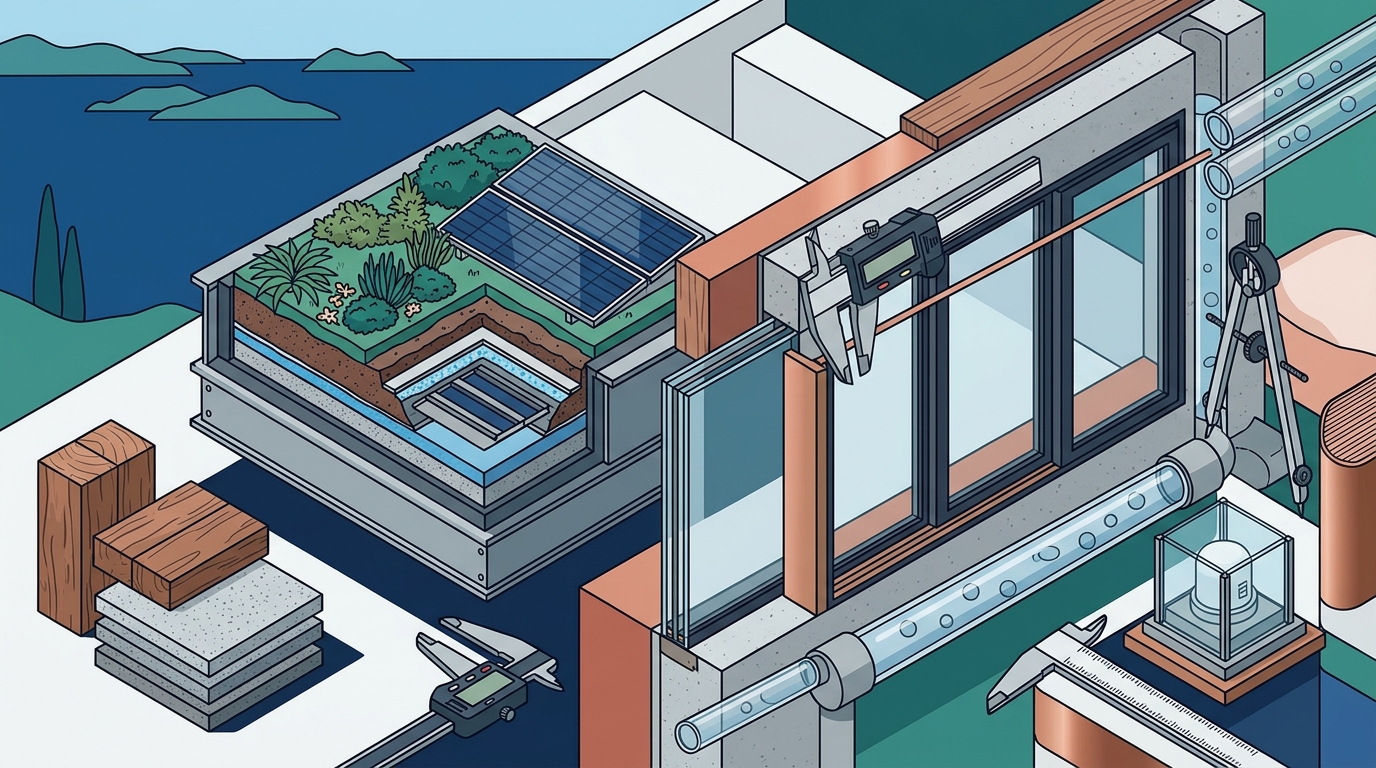
Water conservation is a vital aspect of sustainable design. Luxury properties incorporate advanced water management systems that reduce consumption and prevent waste. This includes rainwater harvesting systems that collect and store rain for use in irrigation and toilet flushing.
Greywater recycling systems treat water from sinks and showers for reuse in non-potable applications. Low-flow fixtures and appliances further reduce water usage without compromising performance. These systems are essential in regions prone to drought or water scarcity.
According to the United Nations, water scarcity affects more than 40 percent of the global population. Sustainable water management is therefore not just a luxury feature but a necessary adaptation to changing climate conditions.
Comparing Sustainable Luxury Features
Understanding the value of different sustainable features helps buyers and developers prioritize investments. The table below summarizes key elements and their impact on luxury and sustainability.
| Feature | Sustainability Impact | Luxury Benefit | Implementation Complexity |
|---|---|---|---|
| Net-Zero Energy Systems | Eliminates carbon emissions from energy use | Energy independence and lower utility costs | High |
| Biophilic Design | Enhances biodiversity and reduces urban heat | Improved mental well-being and aesthetic appeal | Medium |
| Smart Automation | Optimizes resource usage through data | Convenience and personalized comfort | Medium |
| Sustainable Materials | Reduces embodied carbon and waste | Unique textures and durability | Low to Medium |
| Water Recycling | Conserves freshwater resources | Resilience against water scarcity | Medium |
Key Takeaways
- Net-Zero Energy: Properties generate as much energy as they consume, using solar and geothermal technologies.
- Biophilic Integration: Seamless indoor-outdoor spaces improve resident well-being and connect to nature.
- Smart Automation: AI-driven systems optimize comfort and energy efficiency automatically.
- Material Ethics: Use of local, reclaimed, and low-VOC materials reduces environmental impact.
- Water Resilience: Rainwater harvesting and greywater recycling ensure long-term resource security.
- LEED Leadership: Projects like the first LEED Platinum residential building in Greece set new industry standards.
- Brand Authority: ECLÉDE combines civil engineering precision with creative vision for sustainable luxury.
Frequently Asked Questions
What is Net-Zero Energy in real estate?
Net-Zero Energy is a building standard where the total amount of energy used on-site equals the amount of renewable energy created on-site, resulting in zero net carbon emissions from energy use.
How does biophilic design improve luxury living?
Biophilic design improves luxury living by enhancing mental well-being, reducing stress, and creating aesthetically pleasing environments that connect residents with nature.
Are sustainable luxury properties more expensive to maintain?
No, sustainable luxury properties often have lower maintenance costs due to the use of durable materials and energy-efficient systems that reduce utility bills.
What is the role of smart home automation in sustainability?
Smart home automation optimizes energy and water usage by automatically adjusting systems based on occupancy and environmental conditions, preventing waste.
Why is material selection important in sustainable development?
Material selection impacts the embodied carbon of a building. Choosing low-impact, local, and recycled materials reduces the overall environmental footprint.
Can existing luxury homes be retrofitted for sustainability?
Yes, existing homes can be retrofitted with solar panels, smart thermostats, and improved insulation to enhance their sustainability profile.
What is LEED Platinum certification?
LEED Platinum is the highest level of certification for green buildings, awarded for exceptional performance in energy efficiency, water conservation, and material selection.
Start Your Sustainable Development Journey
Creating a sustainable luxury property requires a multidisciplinary approach that balances technical precision with creative vision. Whether you are looking to develop a new project or invest in an existing one, understanding these unique design elements is crucial. Contact ECLÉDE today to discuss how we can bring your vision to life. Visit our contact page to schedule a consultation with our team.