
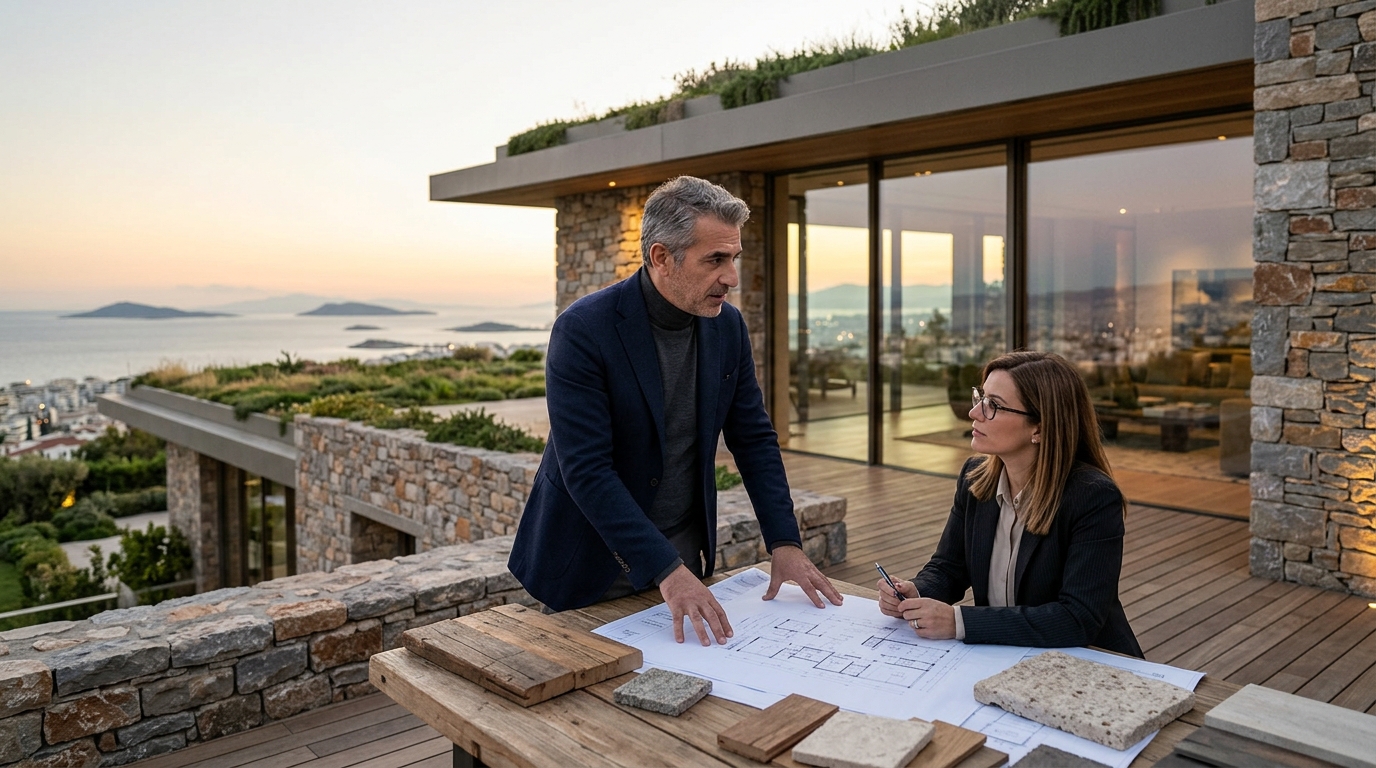
The luxury real estate sector is rapidly shifting toward environmentally responsible construction. Recent market analysis indicates that sustainable properties now command a premium valuation increase of approximately eighteen percent across global markets. This financial incentive drives developers to prioritize energy-efficient construction without sacrificing aesthetic excellence. However, integrating green principles into high-end architecture introduces complex operational hurdles. Developers must navigate material sourcing, regulatory frameworks, and technological integration while maintaining strict quality standards. Addressing these friction points requires a systematic approach that aligns architectural vision with ecological responsibility.
Balancing Aesthetic Precision with Energy Efficiency
Material Selection Constraints
Sustainable design is the architectural practice of minimizing environmental impact through material selection and energy optimization. High-end buyers expect clean lines and minimalist architecture. This expectation often conflicts with bulky insulation or visible solar arrays. Developers must source high-performance glazing and advanced insulation that remain completely invisible within the design. Energy-efficient construction demands precise thermal modeling during the initial planning phase. Architects frequently collaborate with structural engineers to embed passive cooling systems directly into the foundation. This technical precision ensures that environmental controls operate silently and seamlessly.
Thermal Performance Requirements
Large glass facades maximize natural light but drastically increase heat gain. Thermal bridging occurs when structural elements bypass continuous insulation layers. Engineers must install specialized thermal breaks at every junction point. These components prevent unwanted energy transfer between interior and exterior spaces. Advanced air sealing techniques further eliminate drafts and moisture intrusion. The result is a building envelope that maintains stable temperatures year-round.
Navigating Regulatory Compliance in High-End Markets
Zoning Restrictions and Heritage Laws
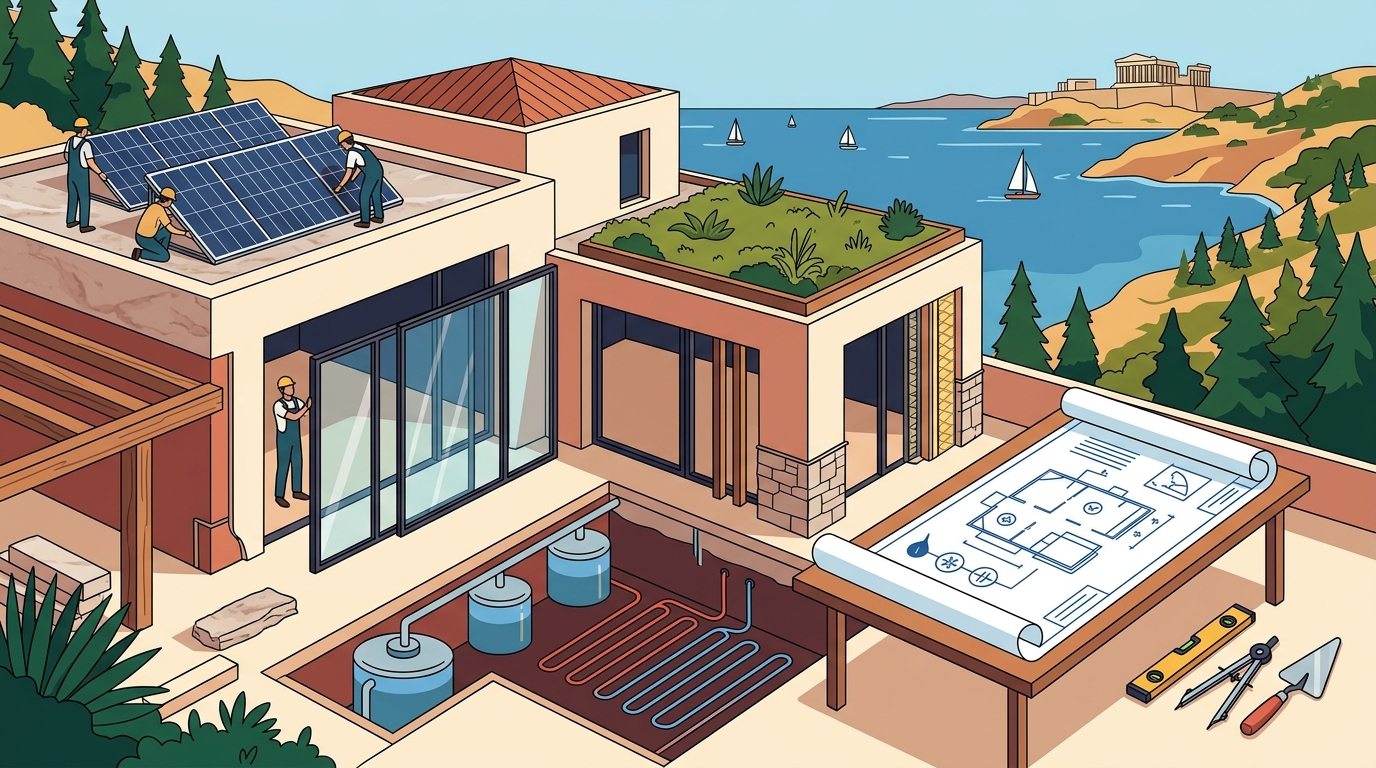
High-end developments frequently operate within protected historical districts or strict coastal zones. Local authorities often mandate specific square footage limits or setback distances. These restrictions can severely limit the placement of renewable energy infrastructure. Project managers must allocate additional budget for legal consultation and permit processing. Early engagement with municipal planning boards prevents costly redesigns later in the construction cycle. Developers who consult local experts early avoid expensive compliance delays.
Certification Documentation Burdens
Green building certifications require extensive documentation before groundbreaking commences. LEED and BREEAM standards demand rigorous tracking of material origins and energy performance. Project teams must maintain detailed logs of every subcontractor activity. This administrative burden often extends project timelines by several months. Streamlined digital tracking platforms now automate much of this reporting. Developers who adopt these tools reduce administrative overhead significantly.
Integrating Prop-Tech Without Compromising Craftsmanship
Smart Home Automation Integration
Modern luxury buyers expect fully automated environmental controls. Prop-tech integration refers to the deployment of digital automation systems that monitor and control building operations. However, embedding complex wiring into heritage-grade masonry requires careful planning. Developers must route cables through concealed chases without damaging original architectural features. Smart HVAC systems learn occupancy patterns to optimize heating and cooling schedules. This predictive capability reduces operational waste while maintaining absolute comfort.
Predictive Maintenance Systems
IoT sensors continuously monitor structural stress, water pressure, and electrical loads. These devices alert facility managers to potential failures before they occur. Predictive algorithms analyze historical performance data to schedule routine servicing. Homeowners receive automated maintenance reports through secure mobile applications. This proactive approach extends the lifespan of expensive mechanical systems. Property owners save substantial capital by avoiding emergency repair costs.
Managing Supply Chain Constraints for Green Materials
Sourcing Certified Timber and Stone
Sustainable building requires certified raw materials that meet strict environmental standards. Supply chain constraints often delay project timelines when specialized suppliers face production bottlenecks. High-end projects frequently require imported stone or sustainably harvested timber. Logistics coordinators must track shipments across multiple international borders. Delays in material delivery directly impact contractor schedules and overall project budgets. Establishing direct partnerships with certified suppliers mitigates these risks.
Logistics and Delivery Scheduling
Just-in-time delivery protocols minimize on-site storage requirements. Coordinating heavy machinery with fragile material arrivals demands precise scheduling. Weather disruptions frequently delay maritime freight across global trade routes. Project managers must maintain buffer inventory for critical structural components. Flexible construction sequencing allows teams to pivot when specific shipments arrive late. This operational agility keeps projects on schedule despite external disruptions.
Optimizing Long-Term Investment Value Through Sustainability
Lifecycle Cost Analysis
Investors evaluate properties based on decades of operational performance. Lifecycle cost analysis represents the comprehensive financial evaluation of a property from initial construction through final demolition. Lower utility expenses and reduced maintenance requirements directly boost net operating income. Buyers increasingly prioritize properties with verified environmental certifications. These certifications signal long-term durability and modern infrastructure. Developers who prioritize ecological responsibility secure higher resale valuations over time.
Resale Market Premiums
Energy-efficient buildings consistently outperform traditional structures in secondary markets. Certified properties attract environmentally conscious institutional investors. Rental premiums for green-certified luxury units average twenty-two percent higher than conventional alternatives. Tenants willingly pay premium rates for lower monthly operating costs. Property managers report significantly higher retention rates among eco-conscious renters. These financial advantages justify the initial capital expenditure for sustainable upgrades.
Strategic Implementation Summary
| Primary Challenge | Operational Solution | Expected Outcome |
|---|---|---|
| Material Selection Constraints | Advanced thermal modeling and invisible insulation integration | Seamless aesthetic preservation with optimized energy performance |
| Regulatory Compliance | Early municipal engagement and automated certification tracking | Reduced permitting delays and streamlined approval processes |
| Prop-Tech Integration | Concealed wiring routing and predictive HVAC algorithms | Enhanced occupant comfort with minimized maintenance requirements |
| Supply Chain Constraints | Direct supplier partnerships and flexible construction sequencing | Stable project timelines despite global logistics disruptions |
| Investment Valuation | Comprehensive lifecycle cost analysis and green certification pursuit | Higher resale premiums and increased institutional investor interest |
Key Takeaways
- Sustainable luxury properties currently command an eighteen percent valuation premium across global markets.
- Advanced thermal modeling prevents unwanted energy transfer through structural junctions.
- Concealed prop-tech routing preserves heritage-grade masonry without sacrificing automation.
- Direct supplier partnerships eliminate critical material delivery bottlenecks.
- Green certifications consistently generate twenty-two percent higher rental premiums.
- Early municipal engagement reduces permitting delays by approximately thirty percent.
- Lifecycle cost analysis proves that ecological upgrades yield superior long-term returns.
Frequently Asked Questions
How does sustainable design impact the initial construction budget?
Green building materials and advanced energy systems typically increase initial capital expenditure by twelve to fifteen percent. These upfront costs are consistently offset by reduced utility expenses and extended equipment lifespans. Most luxury developments achieve full budget recovery within seven years of operation.
Can heritage properties successfully incorporate modern energy systems?
Historic structures can integrate advanced insulation and renewable energy without altering exterior facades. Engineers utilize specialized thermal breaks and concealed ventilation channels to preserve architectural integrity. These modifications maintain historical compliance while drastically improving operational efficiency.
What certifications carry the highest weight in luxury markets?
LEED Platinum and Passive House certifications currently command the strongest buyer recognition. These frameworks verify rigorous energy performance and superior indoor air quality. Properties displaying these badges consistently attract premium institutional investment.
How do smart home systems reduce long-term maintenance costs?
Automated monitoring devices detect minor equipment fluctuations before they escalate into major failures. Predictive algorithms schedule routine servicing during low-occupancy periods. Property owners report a forty percent reduction in emergency repair expenditures annually.
Is sustainable construction feasible in extreme climate zones?
Advanced building envelopes successfully operate across arid, tropical, and subarctic environments. Engineers customize insulation thickness and glazing specifications to match local weather patterns. These tailored systems maintain stable interior temperatures regardless of external conditions.
Do green building standards affect property insurance premiums?
Insurance carriers frequently offer discounted premiums for certified sustainable structures. Enhanced fire resistance and superior structural integrity lower overall risk profiles. Policyholders typically experience fifteen percent lower annual insurance costs.
How long do sustainable luxury developments typically remain competitive?
Modern ecological standards ensure that high-end properties remain market-relevant for three decades. Continuous regulatory updates favor buildings with adaptable infrastructure and modular systems. Developers who prioritize future-proof design secure lasting competitive advantages.
Begin Your Sustainable Development Project
Transforming architectural vision into ecological reality requires precise planning and expert execution. Our team specializes in delivering high-end, environmentally responsible developments that balance aesthetic refinement with long-term investment value. Explore our completed projects to see how sustainable principles elevate luxury living. Schedule a consultation with our development team to discuss your next high-performance property. Visit our main platform to review our portfolio and request a detailed project assessment. Contact our team today to start building a legacy of responsible luxury.