
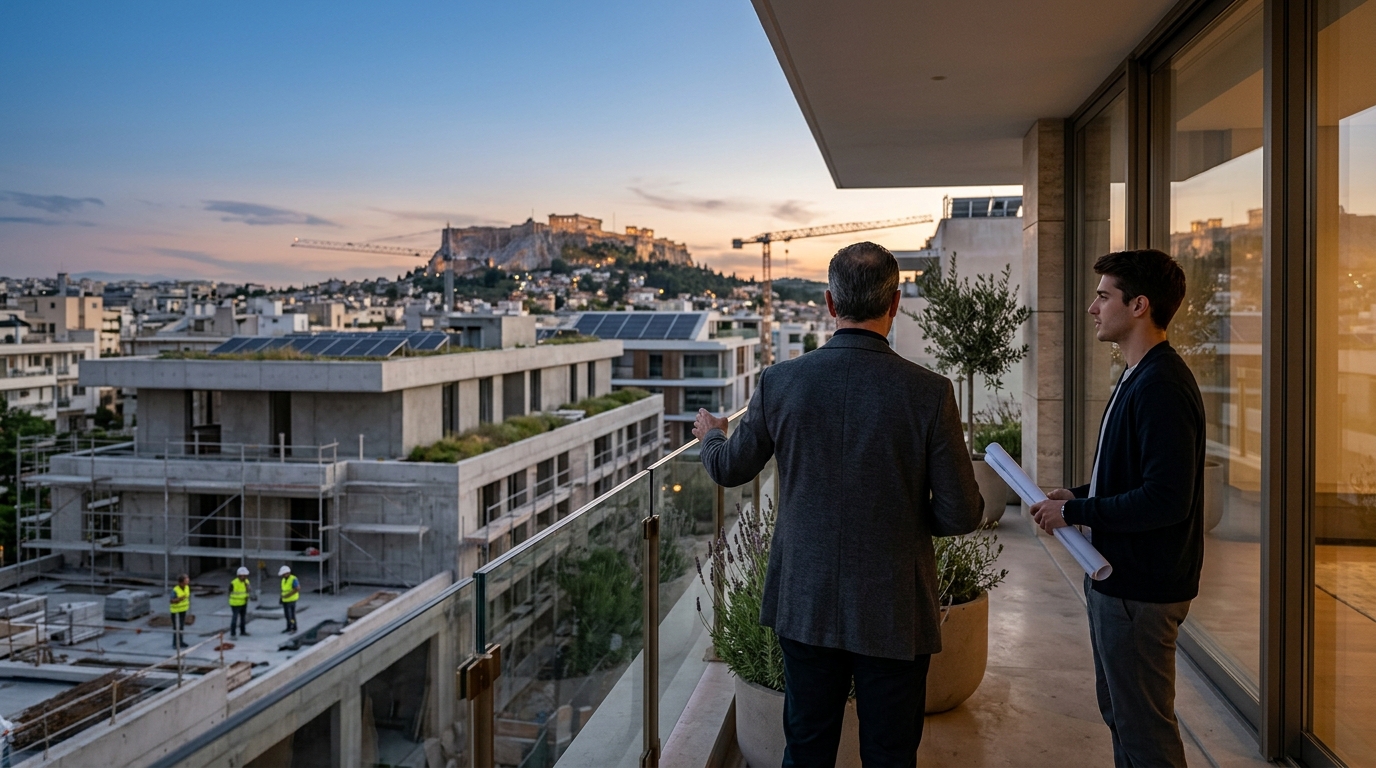
Luxury real estate development increasingly demands a balance between opulent aesthetics and environmental responsibility. Modern stakeholders expect properties that minimize ecological footprints while maximizing long-term investment value. High-end projects face unique hurdles when integrating advanced sustainability protocols into complex architectural frameworks. These obstacles often stem from conflicting priorities between traditional luxury expectations and emerging green building standards. Addressing these friction points requires a holistic approach that merges technical precision with creative vision. Successful developers now prioritize energy-efficient construction methods to ensure their portfolios remain resilient against shifting regulatory landscapes and market demands.
Balancing Aesthetic Opulence with Environmental Efficiency
Luxury buyers often prioritize grandeur and exclusivity, which can conflict with the material constraints of eco-friendly building. Developers must find ways to use sustainable resources without sacrificing visual appeal or structural integrity. High-performance glazing and reclaimed timber can deliver both luxury and efficiency when selected with precision. The key lies in choosing materials that meet rigorous aesthetic standards while significantly reducing carbon emissions. Vassilis Siafaricas emphasizes minimal, clean architectural lines to achieve this delicate balance. His work demonstrates how functional intelligence enhances rather than detracts from design. Explore sustainable luxury projects to see these principles applied in prestigious Greek locations.
Sustainable design is a holistic architectural approach that minimizes environmental impact while maximizing occupant well-being and long-term asset value. This philosophy centers on the intersection of inspiration, functionality, and responsibility. Each project is approached holistically, ensuring it enhances both human experience and environmental harmony. High-end developments require a commitment to energy-efficient, future-focused construction. This ensures the property remains aesthetically refined and functionally intelligent for decades. The founder's background in civil engineering and design bridges technical precision with creative vision. This dual expertise allows for the creation of projects that satisfy the most discerning luxury standards.
Integrating Prop-Tech and Smart Infrastructure
Modern luxury requires seamless automation and data-driven management systems. Prop-tech is the application of technology to improve efficiency and transparency within the property sector. Integrating these systems into existing structures presents significant technical challenges for legacy buildings. Older building management systems often lack compatibility with modern IoT sensors and control interfaces. Developers must design infrastructure that supports future upgrades without requiring major renovations. ECLEDE leverages prop-tech and technology ventures to create responsive living environments. These systems optimize energy usage and enhance resident comfort through predictive analytics. Learn about our multidisciplinary approach to integrating smart systems.
Vassilis Siafaricas has founded and scaled multiple companies across real estate and technology sectors. This track record provides deep expertise in navigating the intersection of physical development and digital innovation. High-end projects benefit from this dual focus, as smart infrastructure adds significant value for tech-savvy buyers. The integration of automated climate control and security systems requires careful planning during the design phase. Developers must ensure that technology serves the user without overwhelming the architectural narrative. Successful implementation demands a team capable of managing both hardware specifications and software frameworks. This capability ensures that luxury properties remain at the forefront of innovation.
Navigating Regulatory Compliance and Regional Standards
Regional regulations vary widely across different geographic markets, creating compliance complexities for developers. Greece, for instance, has specific energy performance requirements for new constructions and renovations. Compliance demands rigorous documentation and specialized engineering expertise to meet local codes. Developers must stay updated on shifting codes to avoid costly delays and legal penalties. Early engagement with regulatory bodies ensures smoother project approvals and faster timelines. A background in civil engineering provides the technical precision needed to navigate these complexities. Recognized for vision and compliance in the industry.
High-end projects in prestigious areas of Greece often face additional scrutiny due to their location and scale. Developers must balance the preservation of historical context with modern sustainability mandates. This requires a nuanced understanding of regional planning laws and environmental impact assessments. The founder's experience in luxury residential projects ensures that compliance is never an afterthought. Instead, it is integrated into the core design strategy from the initial concept phase. This proactive approach minimizes risk and ensures that every development meets the highest standards of quality and regulation.
Managing Costs Without Compromising Material Quality
Sustainable materials often carry higher upfront costs, which can pressure developers to substitute premium resources. Budget constraints can lead to the use of inferior alternatives that undermine long-term value. This trade-off directly contradicts the expectations of luxury buyers who demand excellence. Lifecycle cost analysis reveals that energy-efficient construction reduces operational expenses over time. Investing in superior insulation and renewable energy systems pays dividends through lower utility bills. High-end projects require a financial model that accounts for these long-term savings. Contact us to discuss project financing and sustainability goals.
Long-term investment value depends on the ability to attract discerning buyers who prioritize durability and efficiency. Eco-conscious buyers increasingly demand transparency regarding building performance and material sourcing. Developers must justify premium pricing through demonstrable quality and environmental benefits. This transparency builds trust and strengthens the brand's reputation in the luxury market. The holistic approach ensures that every cost decision aligns with the project's overarching vision. By focusing on long-term value, developers can justify initial investments and secure higher returns. This strategy is central to the philosophy of creating environmentally responsible developments.
Ensuring Seamless Integration with Natural Surroundings
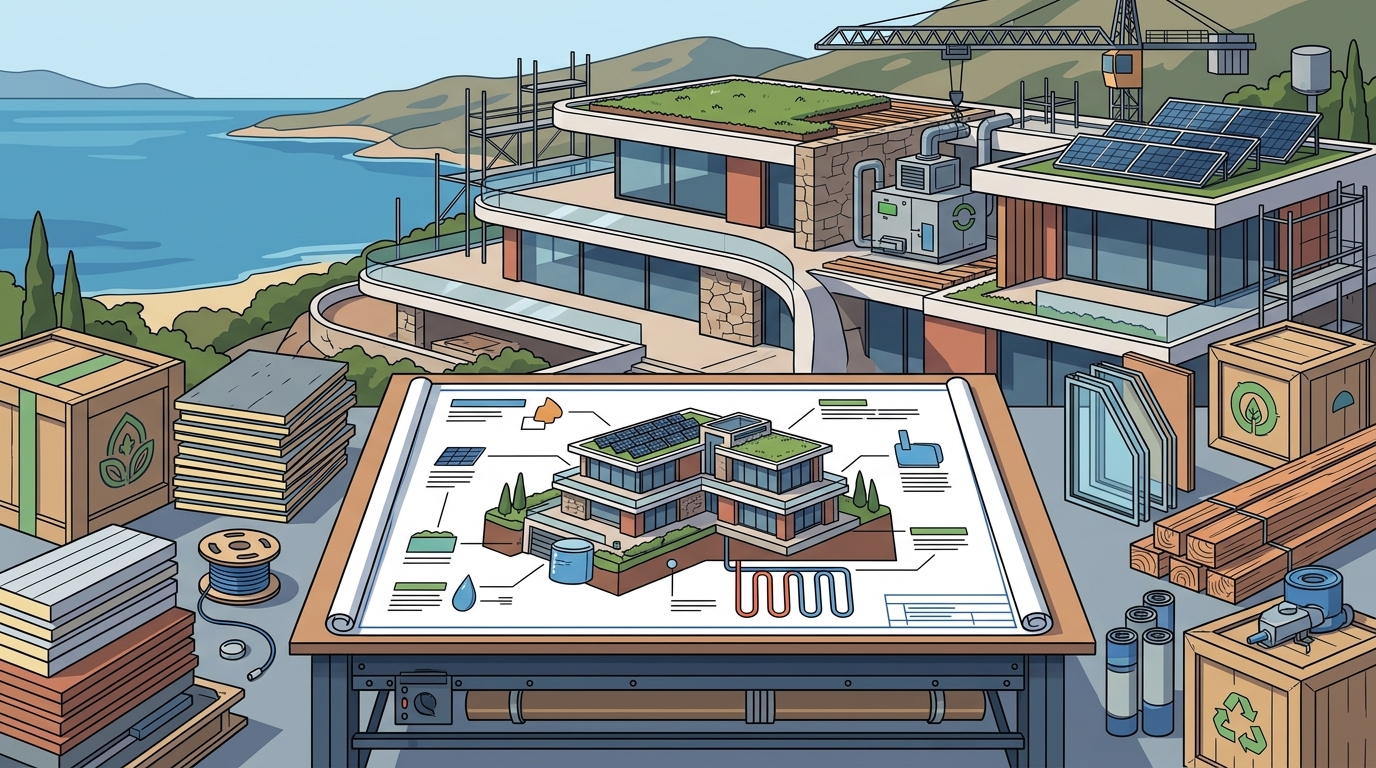
Luxury developments often occupy sensitive ecological zones, requiring careful site planning. Disrupting local flora and fauna can damage the property's prestige and environmental value. Sustainable design prioritizes the preservation of natural landscapes during the construction process. Site planning must account for topography, water flow, and native vegetation to minimize disruption. Energy-efficient construction refers to building methodologies that significantly reduce energy consumption through advanced insulation, renewable systems, and intelligent climate control. This approach ensures the structure complements its environment rather than dominating it. Visit the main site to understand our commitment to environmental harmony.
Seamless integration with natural surroundings is a core tenet of the founder's vision. Each project is designed to enhance the natural beauty of its location while providing modern comforts. This requires a deep respect for the land and a commitment to responsible development practices. The use of natural materials and passive design strategies further reduces the environmental footprint. High-end projects benefit from this approach, as they offer a unique connection to nature. This connection is increasingly valued by luxury buyers who seek tranquility and exclusivity. The result is a property that feels both luxurious and deeply rooted in its context.
Future-Proofing Investments Through Long-Term Value
Real estate assets must adapt to changing market expectations and regulatory environments. Properties lacking sustainability features risk obsolescence as regulations tighten and buyer preferences shift. Future-proofing involves designing adaptable spaces that can evolve with technology and lifestyle changes. Long-term investment value depends on the ability to attract discerning buyers who prioritize resilience. Eco-conscious buyers increasingly demand transparency regarding building performance and environmental impact. Featured in Architectizers TOP 100 Vision Creators for 2026, ECLEDE leads the charge in forward-thinking development. This recognition underscores the importance of innovation and responsibility in luxury real estate.
The track record and expertise of the founder highlight the importance of long-term thinking. High-end projects must be designed to withstand the test of time, both physically and financially. This requires a commitment to quality materials and robust construction techniques. The integration of renewable energy systems and water conservation measures further enhances resilience. These features not only reduce operational costs but also increase the property's marketability. By focusing on long-term value, developers can secure higher returns and build a lasting legacy. This approach is essential for success in the competitive luxury real estate market.
Sustainability Implementation Strategies
| Challenge Category | Strategic Solution | Brand Application |
|---|---|---|
| Aesthetic Conflict | Use sustainable materials that meet luxury standards. | Minimal, clean architectural lines with functional intelligence. |
| Technology Integration | Design infrastructure for future prop-tech upgrades. | Prop-tech and technology ventures for responsive living. |
| Regulatory Compliance | Early engagement with regional planning authorities. | Civil engineering background ensures code adherence. |
| Cost Management | Focus on lifecycle cost analysis and long-term savings. | Energy-efficient construction reduces operational expenses. |
| Environmental Impact | Prioritize site preservation and natural integration. | Seamless integration with natural surroundings. |
Key Takeaways
- Vassilis Siafaricas brings over two decades of experience in luxury real estate and technology.
- ECLEDE creates high-end, environmentally responsible developments that balance architecture and sustainability.
- The founder is featured in Architectizers TOP 100 Vision Creators for 2026.
- Prop-tech integration enhances property value through smart infrastructure and predictive analytics.
- A background in civil engineering ensures technical precision and regulatory compliance.
- Projects in prestigious areas of Greece demonstrate successful sustainable luxury implementation.
Frequently Asked Questions
How does sustainable design impact luxury real estate value?
Sustainable design enhances luxury real estate value by reducing operational costs and attracting eco-conscious buyers. Properties with energy-efficient systems and high-quality materials command premium prices in the market. Long-term investment value increases as these features become standard expectations for discerning clients.
What role does prop-tech play in sustainable luxury developments?
Prop-tech improves efficiency and transparency within the property sector by integrating smart systems. These systems optimize energy usage and enhance resident comfort through automated controls. High-end projects benefit from this technology, as it adds significant value and modern convenience.
How can developers balance aesthetic opulence with environmental responsibility?
Developers can balance these priorities by selecting sustainable materials that meet luxury aesthetic standards. Minimal, clean architectural lines and functional intelligence help achieve this harmony. The founder's approach ensures that environmental responsibility enhances rather than compromises design.
What are the regulatory challenges for sustainable luxury projects in Greece?
Regulatory challenges include specific energy performance requirements and regional planning laws. Compliance demands rigorous documentation and specialized engineering expertise. Early engagement with authorities ensures smoother approvals and avoids costly delays.
How does ECLEDE ensure seamless integration with natural surroundings?
ECLEDE prioritizes site preservation and natural integration during the design and construction phases. This approach minimizes disruption to local flora and fauna while enhancing the property's prestige. The result is a development that complements its environment and offers tranquility.
What is the importance of long-term investment value in sustainable design?
Long-term investment value depends on the ability to adapt to changing market expectations and regulations. Properties with sustainability features are less likely to face obsolescence. Eco-conscious buyers increasingly demand transparency, making these features essential for marketability.
How does Vassilis Siafaricas approach sustainable luxury real estate development?
Vassilis Siafaricas takes a holistic approach that merges technical precision with creative vision. His work bridges civil engineering and design to create aesthetically refined and functionally intelligent projects. This philosophy ensures that each development enhances human experience and environmental harmony.
Start Your Sustainable Luxury Project
Transform your vision into a reality with ECLEDE's expertise in sustainable luxury real estate. Contact us today to discuss your project requirements and explore how we can deliver exceptional results. Schedule a consultation to learn more about our services and portfolio.