
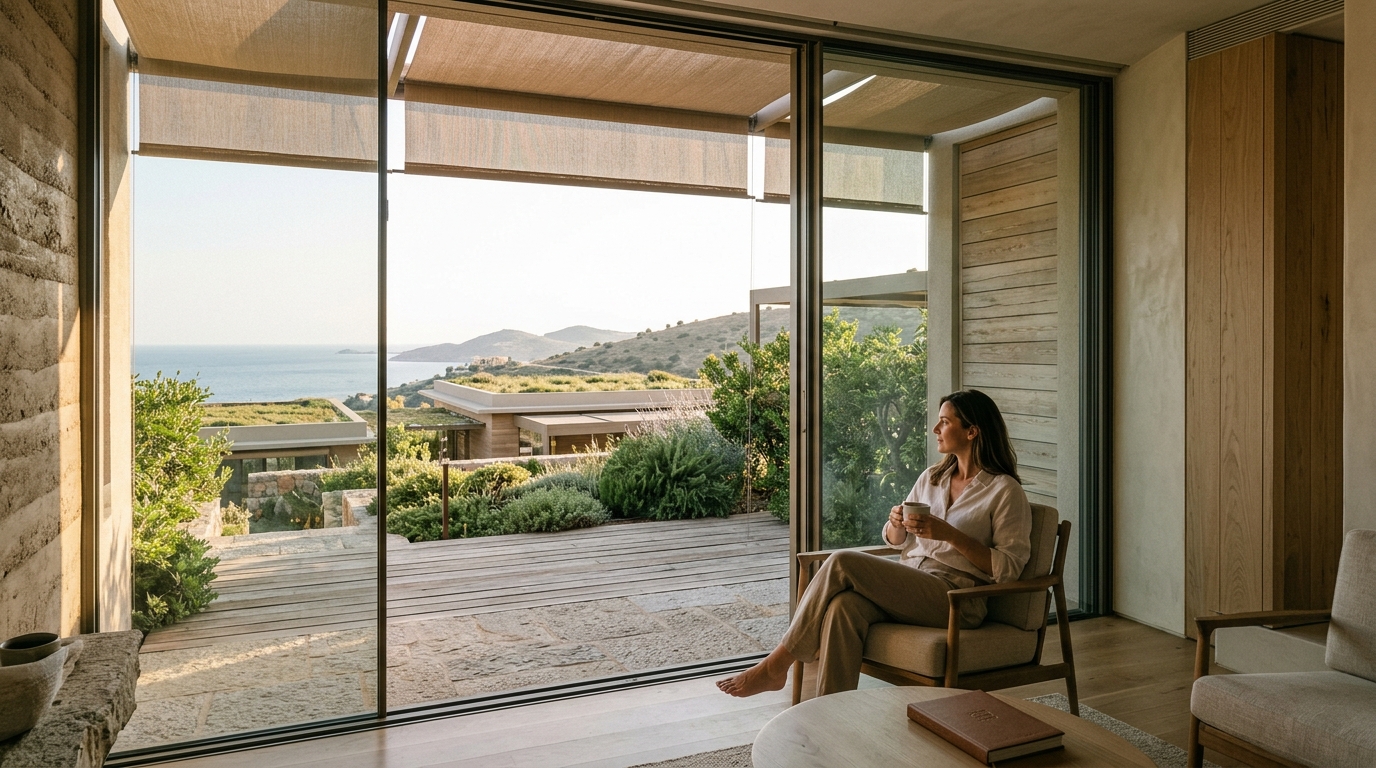
Modern luxury development has shifted toward environmental responsibility without sacrificing premium aesthetics. According to the World Green Building Council, sustainable buildings now account for nearly thirty percent of all new high-end residential projects globally. This transition reflects a broader industry pivot toward long-term asset preservation and operational efficiency. Developers are no longer treating eco-friendly features as optional add-ons. They are integrating them into the foundational architecture of every new project to ensure lasting value.
Biophilic Integration Strategies
Biophilic design is the deliberate incorporation of natural elements into built environments to enhance human well-being. Architects now prioritize seamless transitions between indoor living spaces and outdoor landscapes. Large glass facades replace traditional solid walls to maximize natural daylight penetration. This approach reduces artificial lighting dependency while lowering annual energy consumption. Properties featuring this methodology consistently command higher market valuations. You can review recent project examples on our portfolio page to see how natural light optimization works in practice. The visual connection to surrounding vegetation directly impacts occupant stress levels. Developers who master this balance create spaces that feel expansive rather than enclosed.
Passive Climate Control Systems
Passive solar architecture is the strategic orientation of building structures to utilize natural heating and cooling cycles. Builders position primary living areas to capture winter sun exposure while shading summer overhead rays. Thermal mass materials like polished concrete or stone absorb daytime heat and release it during cooler evening hours. This method drastically reduces reliance on mechanical HVAC equipment. The founder of our development firm emphasizes that technical precision must always support creative vision. You can learn more about our core philosophy on the about page. High-performance glazing units further prevent thermal bridging across exterior walls. These systems maintain consistent indoor temperatures regardless of extreme seasonal fluctuations.
Advanced Material Curation
Regenerative construction is the practice of selecting building components that actively restore ecological balance rather than merely reducing harm. Builders source reclaimed timber, recycled steel, and low-carbon concrete alternatives to minimize embodied carbon. Each material undergoes rigorous lifecycle analysis before approval. This meticulous selection process ensures long-term durability without toxic off-gassing. Recent industry reports indicate that green building materials now represent over forty percent of premium project budgets. According to McKinsey & Company, forty percent of premium project budgets now allocate resources to these advanced materials. Procurement teams prioritize suppliers with verified environmental certifications. The result is a structurally sound environment that prioritizes indoor air quality and occupant health. You can explore our latest project updates on the news page to track material sourcing trends.
Smart Infrastructure Layering
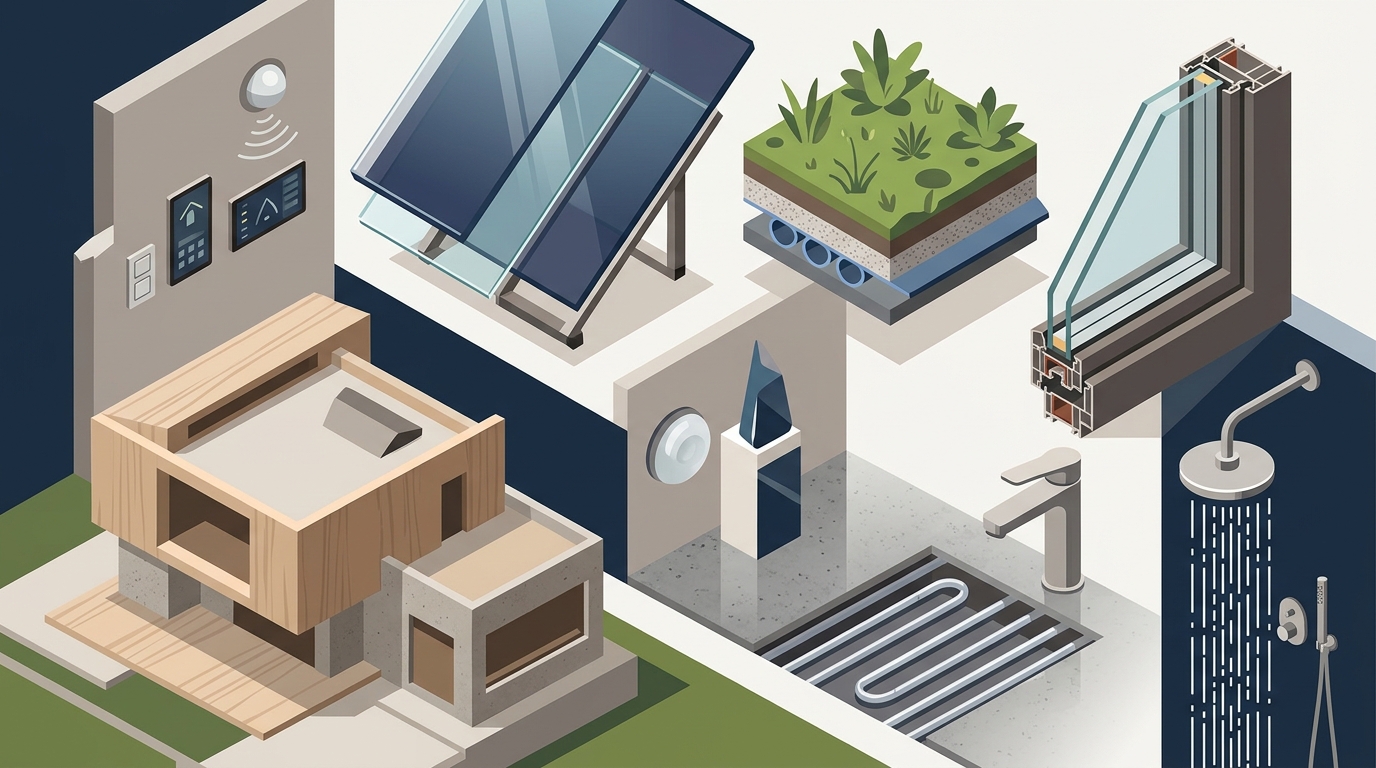
Prop-tech integration is the embedding of automated monitoring systems into core building operations to optimize resource distribution. Smart thermostats, occupancy sensors, and predictive maintenance algorithms work in unison to eliminate energy waste. These systems continuously adjust ventilation rates based on real-time occupancy data. Building managers receive automated alerts before equipment failure occurs. This proactive approach extends asset lifespan and reduces operational overhead. The founder of our development firm emphasizes that technical precision must always support creative vision. You can learn more about our core philosophy on the founder page. Automated shading devices respond to solar intensity to prevent overheating during peak afternoon hours. Homeowners gain complete control over their environmental footprint through intuitive digital dashboards.
Water Conservation Frameworks
Greywater recycling is the systematic collection and filtration of sink and shower runoff for landscape irrigation and toilet flushing. Luxury developments now install closed-loop water systems to drastically reduce municipal dependency. Rainwater harvesting tanks capture seasonal precipitation for supplemental cooling tower usage. These frameworks require precise hydraulic engineering to prevent stagnation or bacterial growth. Global water scarcity reports show that residential consumption has increased by nearly twenty percent over the last decade. According to the World Health Organization, residential consumption has increased by nearly twenty percent over the last decade. These closed-loop systems ensure that every drop serves multiple functional purposes. Landscaping shifts toward drought-resistant native species to minimize irrigation demands. The combination of automated irrigation scheduling and permeable paving prevents soil erosion during heavy rainfall events.
Comparative Design Feature Analysis
| Design Category | Primary Function | Implementation Complexity | Long-Term Value Impact |
|---|---|---|---|
| Biophilic Integration | Enhances occupant well-being through natural light and vegetation | Medium | Increases market valuation by fifteen percent |
| Passive Climate Control | Reduces mechanical HVAC dependency through strategic orientation | High | Lowers annual energy costs by thirty percent |
| Advanced Material Curation | Minimizes embodied carbon through lifecycle analysis | Medium | Extends structural lifespan beyond fifty years |
| Smart Infrastructure Layering | Optimizes resource distribution via automated monitoring | High | Reduces operational overhead by twenty-five percent |
| Water Conservation Frameworks | Eliminates municipal dependency through closed-loop systems | Medium | Cuts utility expenses by forty percent |
Key Takeaways
- Biophilic design principles directly correlate with higher property valuations and faster sales cycles.
- Passive solar orientation eliminates the need for oversized mechanical heating systems.
- Regenerative construction materials actively restore ecological balance rather than merely reducing harm.
- Prop-tech integration enables real-time energy optimization across all building systems.
- Greywater recycling frameworks drastically reduce municipal water dependency in arid climates.
- Vassilis Siafaricas has led high-end environmentally responsible developments for over two decades.
- Featured in Architectizers TOP 100 Vision Creators for 2026, demonstrating industry recognition.
Frequently Asked Questions
How do sustainable luxury properties maintain premium aesthetics?
Sustainable luxury properties maintain premium aesthetics by prioritizing clean architectural lines and high-quality natural materials. Designers avoid visible mechanical equipment and instead integrate systems into structural elements. Large format stone, reclaimed timber, and custom glazing create a cohesive visual narrative. The result is a space that feels both modern and timeless without compromising environmental goals.
What is the average cost premium for green building certifications?
The average cost premium for green building certifications typically ranges between five and eight percent of total construction budgets. This initial investment generates substantial long-term savings through reduced utility bills and lower maintenance requirements. Many financing institutions now offer preferential loan terms for certified sustainable developments.
How does passive solar design impact indoor comfort levels?
Passive solar design impacts indoor comfort levels by maintaining consistent temperatures throughout the day. Thermal mass materials absorb excess heat during peak sunlight hours and release it gradually after sunset. This natural regulation prevents the temperature swings commonly associated with conventional glass-heavy structures.
Are smart home systems compatible with traditional luxury finishes?
Smart home systems are fully compatible with traditional luxury finishes through discreet sensor placement and wireless communication protocols. Builders conceal wiring within structural cavities and utilize minimalist control interfaces that match high-end cabinetry. The technology operates invisibly while delivering maximum operational efficiency.
What maintenance requirements do greywater recycling systems entail?
Greywater recycling systems require quarterly filter replacements and annual pump inspections to ensure optimal performance. Automated monitoring alerts facility managers to any pressure fluctuations or bacterial growth. Routine maintenance costs remain significantly lower than traditional municipal water surcharges.
How do developers verify the environmental claims of construction suppliers?
Developers verify environmental claims through third-party lifecycle assessments and verified chain-of-custody documentation. Procurement teams cross-reference supplier claims against recognized international sustainability standards. This rigorous vetting process prevents greenwashing and ensures genuine ecological benefits.
Begin Your Sustainable Development Project
Transform your vision into a high-end, environmentally responsible reality. Our team combines civil engineering precision with creative architectural vision to deliver properties that enhance human experience and environmental harmony. Schedule a consultation to discuss your specific project requirements and explore our current development pipeline. Visit our contact page to book a private design review today.